 Published on
21 Mar, 2026
Published on
21 Mar, 2026 Updated on 25 May, 2026
 5156
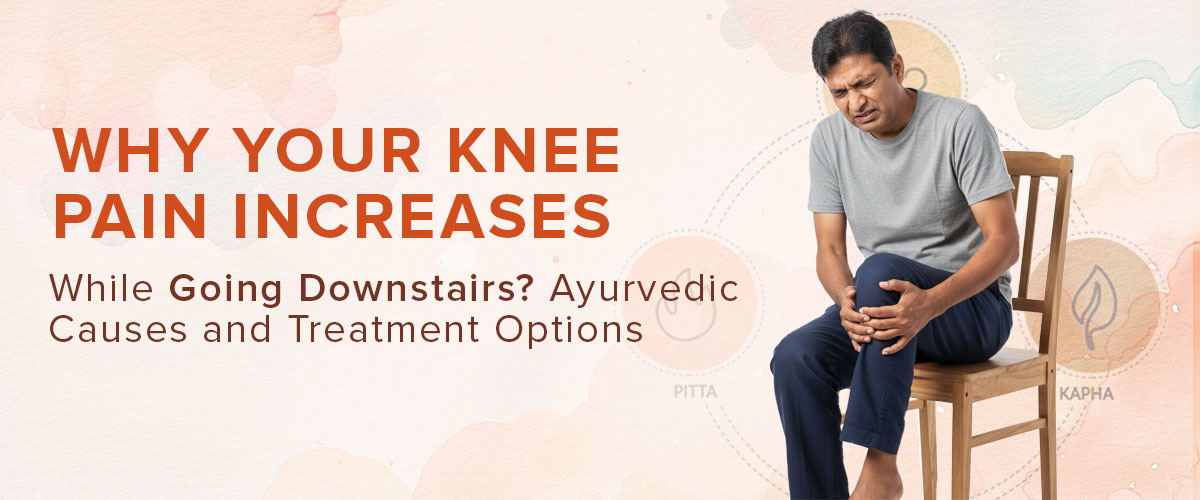
5156Why Does Your Knee Pain Increase While Going Downstairs?
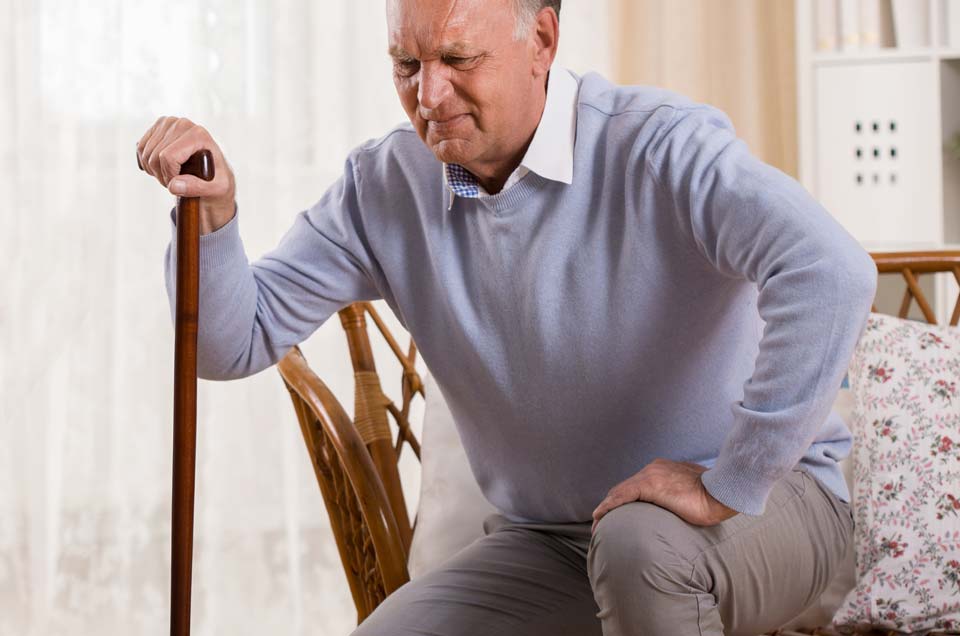
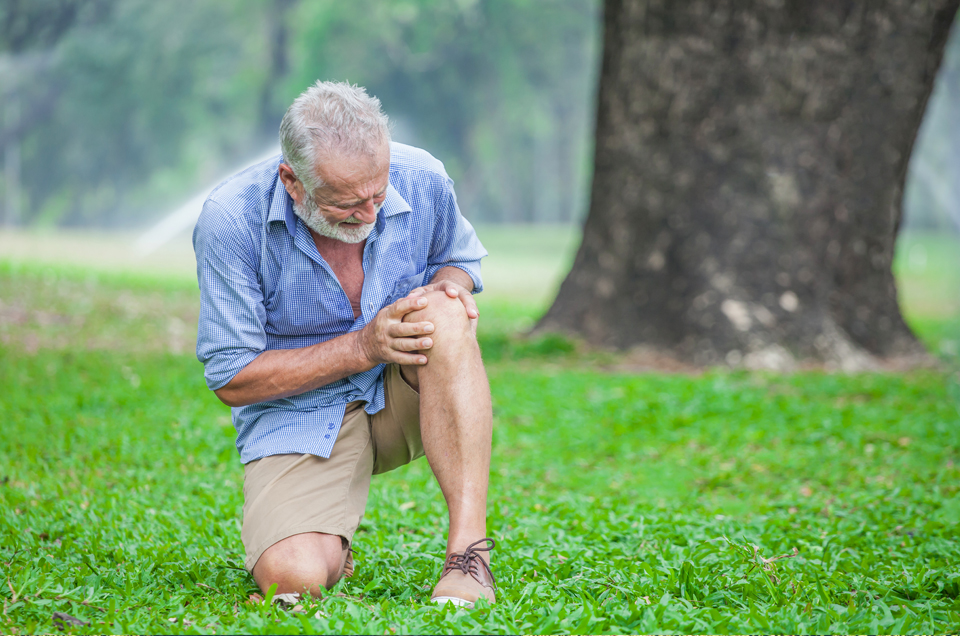
Knee pain is also felt more during descending stairs than during walking on flat surfaces or even ascending stairs. This is a common phenomenon, especially for people with problems related to their joints. This is because of the pressure exerted on the knee during the activity.
While descending stairs, the pressure on the knee is greater, as it is required to hold the weight of the entire body against gravity. This can lead to problems, especially if the person is already suffering from a joint-related issue. Ignoring the early symptoms of a problem can lead to more severe problems, and hence, it is important to know the cause of the pain.
What is Knee Pain While Going Downstairs?
Knee pain while descending stairs is not a disease in itself, but a symptom that presents itself due to some issues in the joints. It is a sign that there is a problem with the structures inside your knee that are not working well.
This means that your knee is not working well in managing pressure and movement in a smooth manner, and therefore causes pain or discomfort while performing certain activities, such as descending stairs.
Types of Knee Conditions
This type of pain is associated with various types of conditions that affect the knee in different ways. Some of these include:
- Patellofemoral Pain Syndrome - Also known as runner’s knee, this type of pain occurs around the kneecap due to improper movement.
- Osteoarthritis - This is a type of arthritis that results from cartilage wear and tear in the knee, which normally occurs in old age.
- Ligament Injuries - This type of pain results from injuries to the ligaments in the knee.
- Meniscus Tear - This type of pain results from injuries to the cartilages in the knee that act as shock absorbers.
Signs Your Knee Is Trying to Warn You
Knee pain while going downstairs may develop over a period of time and may appear to be minor. However, as the underlying cause advances, certain signs and symptoms become more apparent, especially during movement. Identifying the signs and symptoms of knee pain when going downstairs can help in the proper diagnosis and management of the condition. Individuals experiencing knee pain while going downstairs may also observe a variety of discomforts, especially during movement. These include:
- Pain on the front or inner side of the knee
- Difficulty in bending or straightening the knee
- A grinding, clicking, or crackling sound during movement
- Weakness, especially a feeling of “giving way.”
- Swelling or stiffness, especially after walking
- Discomfort during walking downhill or descending stairs
What’s Really Causing Your Knee Pain?
Knee pain while performing actions like descending stairs is generally the result of a combination of underlying causes. These underlying causes may include factors like mechanical stress, muscular imbalance, and joint degeneration. To treat the condition and avoid any potential harm to the knee joint, it is important to understand the underlying causes of the condition. Some of the underlying causes of knee pain may include:
- Increased Pressure on the Knee Joint: When descending stairs, the pressure on the knee joint may increase by as much as 3-4 times the body weight
- Cartilage Wear and Tear: The absence of cushioning between the bones may result in friction between the bones, causing pain and stiffness
- Muscle Weakness: Weak quadriceps muscles may not be able to support the knee joint sufficiently
- Improper Knee Alignment: Improper alignment of the knee may result in uneven distribution of pressure
- Prior Injuries: Even if the injuries have healed, the knee joint may not be as stable and may result in pain.
Risk Factors & Complications
Some risk factors may increase your chances of developing knee pain such as:
- Aging
- Being obese
- Leading a sedentary lifestyle
- Poor posture and/or walking
- Previous injuries to your knees
- Too much physical strain
Complications that may arise if it is not treated:
- Chronic pain in your knees
- Reduced flexibility and mobility
- Deformity in your joint
- Difficulty in performing your daily activities, such as walking and climbing stairs:
- Progression to more serious conditions, such as arthritis:
How is Knee Pain Diagnosed?
Doctors use a combination of methods to identify the main cause:
- Physically examining your movements and pain points
- Your medical history
- Imaging tests
- Using X-rays to identify problems in your bones
- Using MRI scans to examine your soft tissues, such as your ligaments and cartilages
- Movement analysis
- How you walk and/or climb stairs and/or bend your knees
Ayurvedic Perspective on Knee Pain While Going Downstairs
Knee Pain in Ayurveda
Knee pain, as per the Ayurvedic perspective, is generally linked with the imbalance of Vata Dosha. As Vata Dosha is the governing factor for the movement of the body. When Vata Dosha is vitiated, the body tends towards dryness, reduced lubricity, and decay of tissues, which is called Sandhivata, a disorder of the joints. According to the Ayurvedic perspective, the main causes of knee pain are as follows:
- Accumulation of Ama (Toxins) in the body
- Imbalance in Digestion (Agni imbalance)
- Decay of tissues due to old age (Dhatu Kshaya)
- Adverse dietary and living habits
Jiva Ayurveda Treatment Approach
Jiva Ayurveda takes a holistic, personalised approach to treating knee pain by addressing its root cause rather than its symptoms. Jiva Ayurveda’s treatment approach includes:
- Personalised Consultation: Understanding body constitution (Prakriti) and dosha imbalance
- Herbal Medications: Natural medications to reduce inflammation and strengthen knee joints
- Detoxification (Ama Removal): Cleansing therapies to remove toxins
- Lifestyle Correction: Advice on daily lifestyle and physical activities
- Diet Planning: Personalised diet plans to balance doshas and aid digestion
This approach is focused on restoring knee health, enhancing movement, and preventing future occurrences.
Ayurvedic Herbs for Knee Pain
There are many potent herbal remedies used in Ayurvedic medicine to effectively cure knee pain:
- Ashwagandha: Helps build strength in the muscles and reduce inflammation
- Shallaki (Boswellia): Famous for its anti-inflammatory and protective effects on the joints
- Guggulu: Helps reduce swelling and protect the joints
- Nirgundi: Provides relief for pain and stiffness in the joints
- Turmeric (Haldi): Natural anti-inflammatory with healing properties
These herbs collectively help with the lubrication of the joints, relief from pain, and improved mobility.
Ayurvedic Therapies
The external Ayurvedic therapies help with the relief and improvement of the joints. These are as follows:
- Abhyanga (Oil Massage): Helps improve circulation and reduce stiffness
- Janu Basti: Specialised knee treatment with the retention of warm medicated oil on the knee joint
- Swedana (Fomentation): Herbal steam treatment for relief from pain and stiffness
- Panchakarma: Detoxification therapies for the elimination of deep-rooted toxins in the body
How We Assess Knee Pain in Patients
The assessment at Jiva Ayurveda is a holistic and personalised approach to identifying the root causes of the problem, as opposed to just treating the symptoms. The assessment involves:
- Detailed Case History: Understanding the patient’s symptoms, lifestyle, dietary habits, and medical history
- Prakriti Analysis: Understanding your body’s constitution (Vata, Pitta, Kapha)
- Pulse Diagnosis (Nadi Pariksha): Understanding imbalances in the body through pulse diagnosis
- Dosha Imbalance Assessment: Understanding exactly what’s causing the knee pain
- Lifestyle Evaluation: Understanding how your lifestyle is contributing to the problem
Our Step-by-Step Patient Care Process:
Expect a Call: Submit your contact details, or you can also call us on 0129 4264323.
Appointment Confirmation.
- You can schedule an appointment and visit us at our clinic for a consultation with our Ayurvedic experts.
- If you are unable to find our clinics near you, you can also schedule an online consultation on 0129 4264323 at a discounted price of Rs. 49 (regular price Rs299) and avail guidance from our doctors at home.
Detailed Diagnosis
Jiva doctor will perform a thorough and detailed diagnosis to identify the root cause of your health problem.
Root-cause Based Treatment
Jiva doctor will recommend a personalised treatment using highly-effective, natural, and Ayurvedic medicines to address symptoms and the root cause.
Healing Timeline
The healing time may vary depending upon the severity and length of time that knee pain lasts:
- Mild Cases: Symptoms may start to improve within a matter of weeks
- Moderate Cases: Symptoms may start to improve within 1-3 months
- Chronic Cases: Symptoms may take 3-6 months or longer to improve
Adherence to treatment, diet, and lifestyle is critical to quick healing.
What Results Can You Expect?
If you undergo Ayurvedic treatment, there are several results that you can expect to see, such as:
- Reduction in knee pain and inflammation
- Improvement in knee flexibility
- Improvement in knee strength
- Improvement in knee stability
- Reduction in knee stiffness, especially while making movements
- Prevention of further degeneration of joints
Patient Testimonial- Rashmi Jaiswal
“My mother had a knee joint problem. Doctors suggested knee replacement surgery, but before that, she wanted to try Ayurveda. She is a regular viewer of Dr. Chauhan's health show, and on her insistence, we met a Jiva doctor 4 months ago. Presently, my mother is much healthier, and we have decided not to go for surgery.”
Estimated Cost of Treatment at Jiva Ayurveda
Understanding the financial investment required for your health is important. At Jiva Ayurveda, we make sure of transparency in our service costs, which allows you to choose the most suitable option for your medical needs.
Treatment Cost
For patients who seek standard, ongoing care, the Monthly Cost of Medicine and consultation typically ranges from Rs. 3,000 to Rs. 3,500. Please note that this is an estimated baseline. The final cost depends on the exact nature and severity of the patient's condition.
Protocol
For a more comprehensive, structured approach, we offer specialized Package protocols. These plans are designed to address both physical symptoms and the overall lifestyle correction. The package includes:
- Medicine
- Consultation
- Mental Well-Being Sessions
- Yoga and Meditation
- Diet
The cost for this protocol involves a one-time payment ranging from Rs. 15,000 to Rs. 40,000, which covers the full 3 to 4-month duration of the treatment.
Jivagram
For patients requiring intensive and immersive care, our Jivagram centres offer the ultimate healing experience. Jivagram is a holistic sanctuary set in a peaceful, eco-friendly environment, and it provides:
- Authentic Panchakarma therapies
- Sattvic meals
- Modern healing services
- Comfortable accommodation
- Many more quality-of-life facilities
An immersive wellness stay at Jivagram costs around 1 Lakh for a 7-day duration, ensuring continuous personalised care to help reset your body and mind.
Why Patients Trust Jiva Ayurveda
Over the years, Jiva Ayurveda has gained the trust of thousands of patients who are seeking natural and personalised healthcare solutions. Some of the key reasons for patients’ trust in Jiva Ayurveda:
- Root-Cause Based Treatment
Unlike conventional treatments that address only the symptoms of disease, Ayurvedic treatment focuses on treating the root causes and correcting the underlying imbalances in the body that lead to disease.
- Experienced Ayurvedic Doctors
Jiva Ayurveda boasts of having a huge team of experienced Ayurvedic doctors who thoroughly examine each patient’s condition before recommending treatment for diseases.
- Personalised “Ayunique” Treatment Approach
Ayurvedic treatment is highly personalised and customised according to each individual’s prakriti and lifestyle.
- Holistic Healing
Ayurvedic treatment is not limited to medicines; it also includes dietary and lifestyle modifications, breathing techniques, and stress management to support overall healing of the body and mind.
- Trusted by Patients Across India
A huge percentage of patients have shown improvement in their conditions after adopting Jiva’s treatment plans and recommendations for diseases. This shows how much people trust Jiva Ayurveda for Ayurvedic treatment.
- 95% of patients saw significant improvement within 3 months of treatment.
- 88% of patients stopped allopathic medicines completely.
- 8000+ patients consulation everyday
Modern Treatment vs Ayurvedic Treatment for Knee Pain
|
Aspect |
Modern Treatment |
Ayurvedic Treatment |
|
Approach |
Focuses on symptom relief (pain management) |
Focuses on root cause (dosha balance & toxin removal) |
|
Medications |
Painkillers, anti-inflammatory drugs |
Natural herbs with minimal side effects |
|
Relief |
Quick but often temporary |
Gradual but long-lasting relief |
|
Side Effects |
Possible with long-term use |
Generally safe when taken under expert guidance |
|
Treatment Focus |
Reduces pain and inflammation |
Improves joint health and overall body balance |
|
Customization |
Standard treatment protocols |
Highly personalised based on Prakriti |
|
Long-Term Results |
May not prevent recurrence |
Aims to prevent recurrence and strengthen joints |
|
Additional Support |
Physiotherapy, surgery (in severe cases) |
Diet, lifestyle, detox therapies (Panchakarma) |
When Should You Consult a Doctor?
Knee pain is something that should not be taken lightly, especially if it interferes with your daily activities. Some of the things to look out for include:
- If there is constant knee pain
- If there is swelling that does not go down
- If there is difficulty walking, bending, or going up and down stairs
- If there is a feeling of instability, as if the knee is giving way
- If there is sudden, severe knee pain after an injury
- If there is no improvement in knee pain despite resting at home
Conclusion
Knee pain while going downstairs is an early sign of underlying knee problems. Knee problems can lead to chronic knee pain if ignored. Knee pain can be prevented if the causes are known, the signs are identified at an early stage, and appropriate treatment is given.
Modern medicine can help knee pain sufferers get instant relief, but Ayurveda can help sufferers overcome knee problems through a holistic approach to healing, which includes addressing the underlying causes of knee problems to bring long-lasting health to the knee joints.