 Published on
21 Mar, 2026
Published on
21 Mar, 2026 Updated on 25 May, 2026
 5146
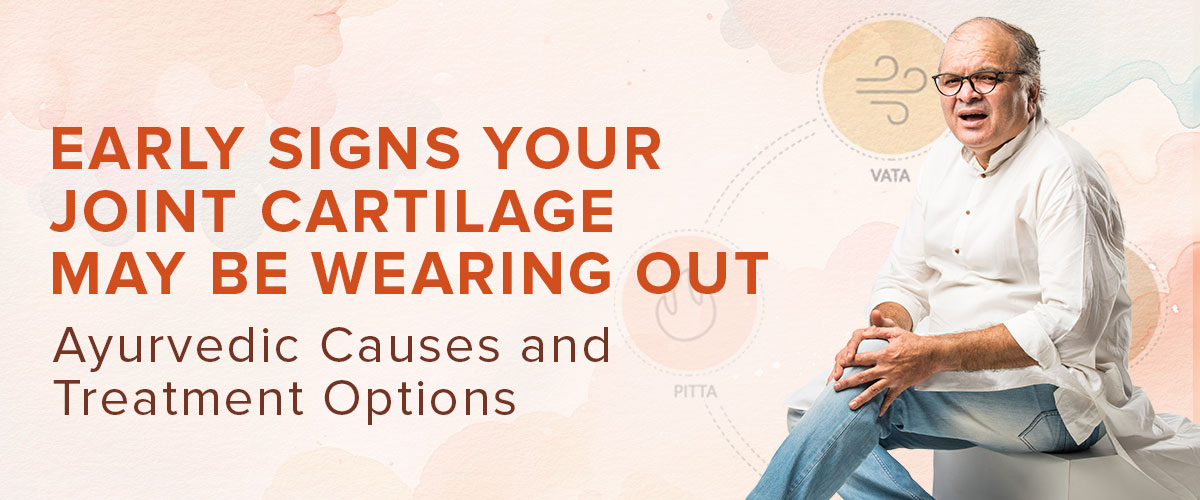
5146Early Signs Your Joint Cartilage May Be Wearing Out
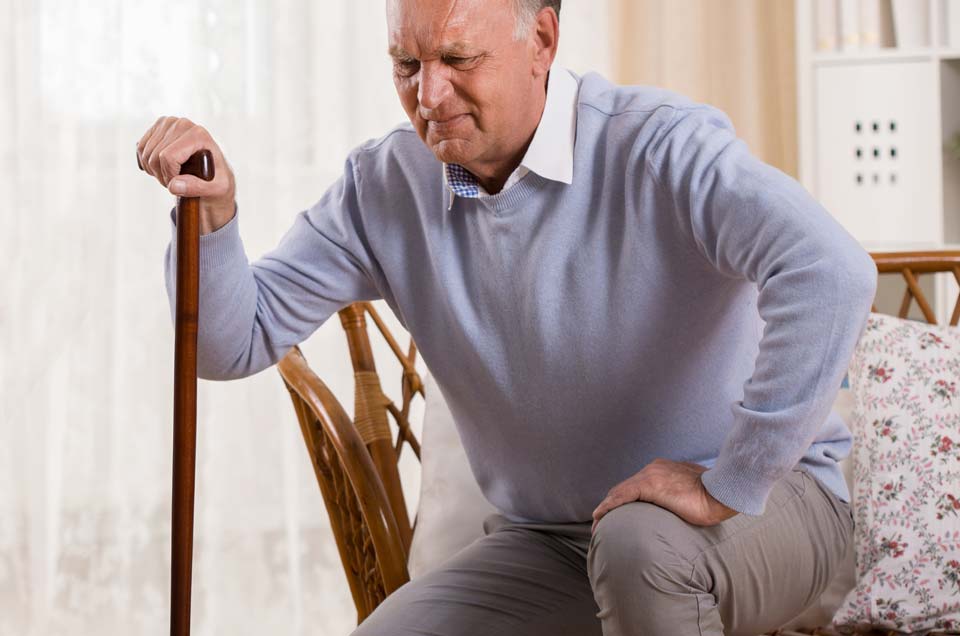
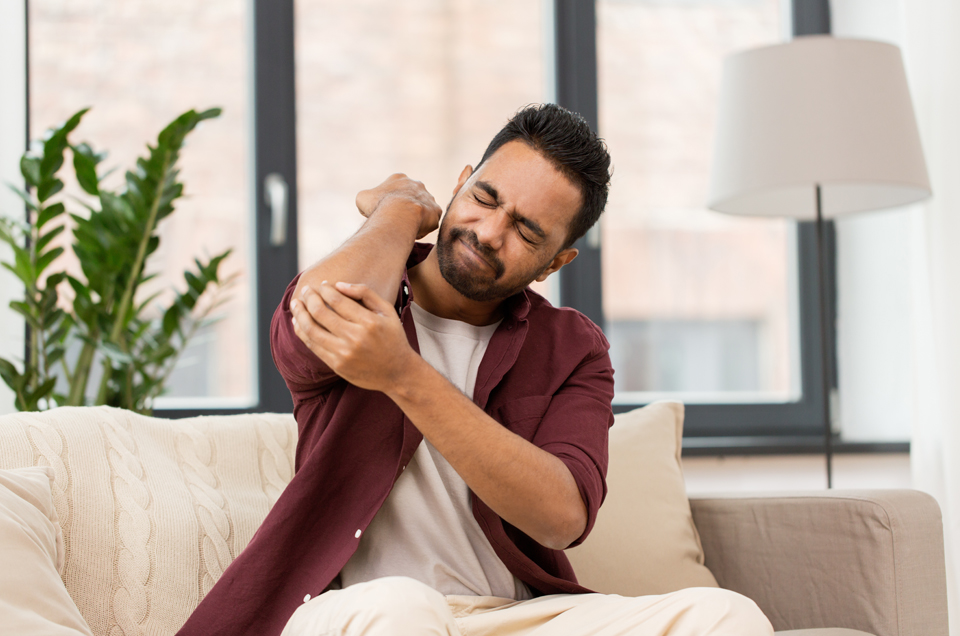
Joint pain is often considered a part of growing older or a result of temporary strain. However, if such discomfort persists, it can be a sign of a more serious problem: the gradual degeneration of cartilage in our joints. Cartilages are essential in facilitating the smooth motion of our joints. When such degeneration happens, it can lead to serious health problems such as Osteoarthritis.
Ignoring such signs can lead to serious degeneration in our joints, which can affect our quality of life.
What is Cartilage Degeneration?
Cartilage degeneration is a health problem wherein there is a gradual degeneration of the smooth, rubbery tissue that cushions the ends of our bones in a given joint. This health problem is often related to Osteoarthritis.
To put it simply, cartilages are shock absorbers in our joints. When such shock absorbers degenerate, our bones rub against each other, which results in pain.
Types of Cartilage Damage (Stages)
It is important to note that the damage to the cartilage occurs in stages as follows:
Early Stage (Mild Damage): There is a softening of the cartilage accompanied by minimal symptoms.
Moderate Stage: The thinning of the cartilage starts at this stage, accompanied by discomfort.
Advanced Stage: There is a lot of damage to the cartilage, leading to increased friction in the bones and pain.
Severe Stage: The damage to the cartilage is almost complete at this stage.
Signs & Symptoms of Cartilage Wear
- Joint Pain During Movement
Pain felt during movement, such as walking, bending, and climbing stairs, is usually the first sign of cartilage wear.
- Stiffness After Rest
Feeling stiff after waking up or resting for an extended period may also be an early sign of cartilage wear and tear.
A grinding or clicking sensation felt during movement may also be an early sign of cartilage wear and tear. This happens because the cartilage acts as a shock absorber and may not function as expected in such cases.
- Swelling Around the Joint
Inflammation caused by irritation in the joints may also result in swelling around the joints.
- Reduced Flexibility
Difficulty in bending or straightening the joints may also be an early sign of cartilage wear and tear.
- Weakness or Instability
Weakness or instability in the joints may also result in falls.
Causes of Cartilage Degeneration
There are several causes of cartilage degeneration, including:
- Age-related wear and tear
- Injuries to joints
- Obesity
- Stress caused by excessive physical activity
- Poor posture and mechanical problems
- Rheumatoid arthritis
Risk Factors & Complications
- Age
- Sedentary lifestyle
- Obesity
- History of injuries to joints
- Genetic factors
Possible Complications:
If left untreated, cartilage degeneration can lead to:
- Chronic pain and inflammation
- Restricted mobility
- Deformity of joints
- Development of Osteoarthritis
- Difficulty in performing day-to-day activities
How is Cartilage Degeneration Diagnosed?
Early diagnosis is important in the prevention of major problems. Doctors may use the following:
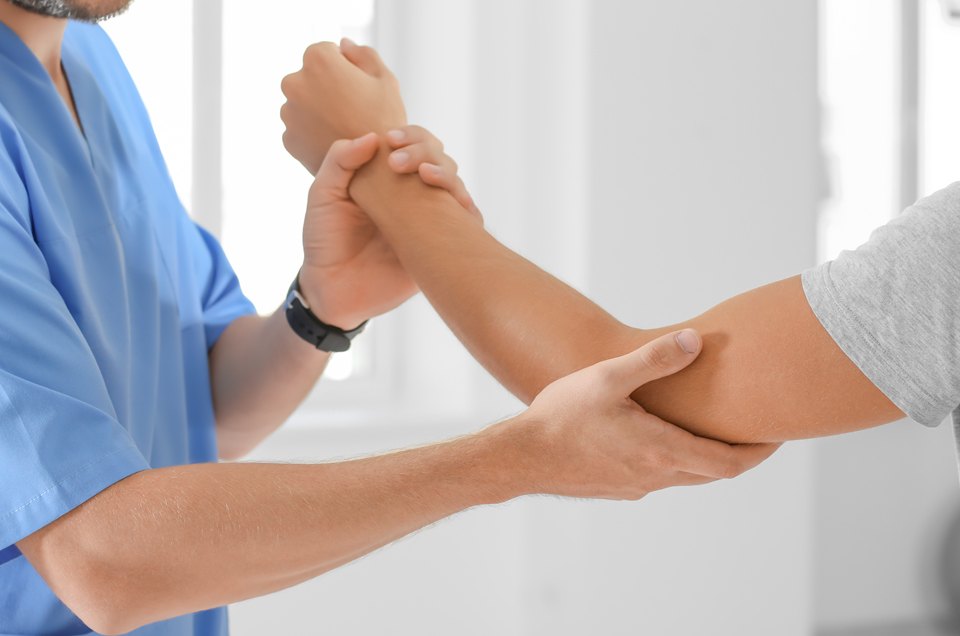
Physical Examination: Evaluation of the movement of the joints, swelling, and pain.
Imaging Tests
- X-rays: These help in the detection of the narrowing of the joint space
- MRI scans: These help in the early detection of cartilage degeneration
Blood Tests: These are performed to exclude Rheumatoid Arthritis
Arthroscopy: A minimally invasive procedure.
Ayurveda Perspective: Early Signs Your Joint Cartilage May Be Wearing Out
Cartilage Degeneration in Ayurveda
In the Ayurvedic perspective, the degeneration of the cartilages in the joint is linked with the imbalance of the Vata Dosha, which is the vital energy that governs the movement of the body, as well as dryness.
“An imbalance in the Vata Dosha leads to dryness, degeneration, and loss of lubricating fluids in the joints.” This condition is referred to as Sandhivata, which is similar to Osteoarthritis in modern medicine.
Ayurvedic Understanding:
- Imbalance of Vata Dosha - causes dryness and roughness in the joints
- Dhatu Kshaya (tissue depletion) - causes weakening of the cartilages in the joints
- Ama (Toxins) - causes inflammation in the joints
According to Ayurveda, the root cause is not just wear and tear but a systemic imbalance in the body, influenced by diet, lifestyle, and ageing.
Jiva Ayurveda Treatment Approach
Jiva Ayurveda takes a holistic and personalised approach towards healing cartilage degeneration. Rather than just treating the symptoms, Jiva focuses on treating the root cause of the problem.
Key Principles:
- Balancing aggravated Vata Dosha
- Removing toxins (Ama detoxification)
- Strengthening tissues (Dhatu nourishment)
- Improving digestion (Agni balance)
Treatment:
- Personalised herbal medication
- Changes in diet and lifestyle
- Detoxification, if required
- Periodic monitoring and consultation
This approach enables patients to reduce their pain, increase their mobility, and even slow down their cartilage degeneration naturally.
Ayurvedic Herbs Used for Cartilage Health:
There are many potent herbal remedies available in Ayurvedic medicine to help patients overcome their cartilage degeneration issues. Here are a few of them:
This herbal remedy is used to reduce inflammation while strengthening the joints.
Shallaki:
This herbal remedy is popularly known for its anti-inflammatory and pain-relieving qualities.
Guggulu:
This herbal remedy is used to detoxify the body while strengthening the joints.
Nirgundi:
This herbal remedy is used to reduce swelling and stiffness.
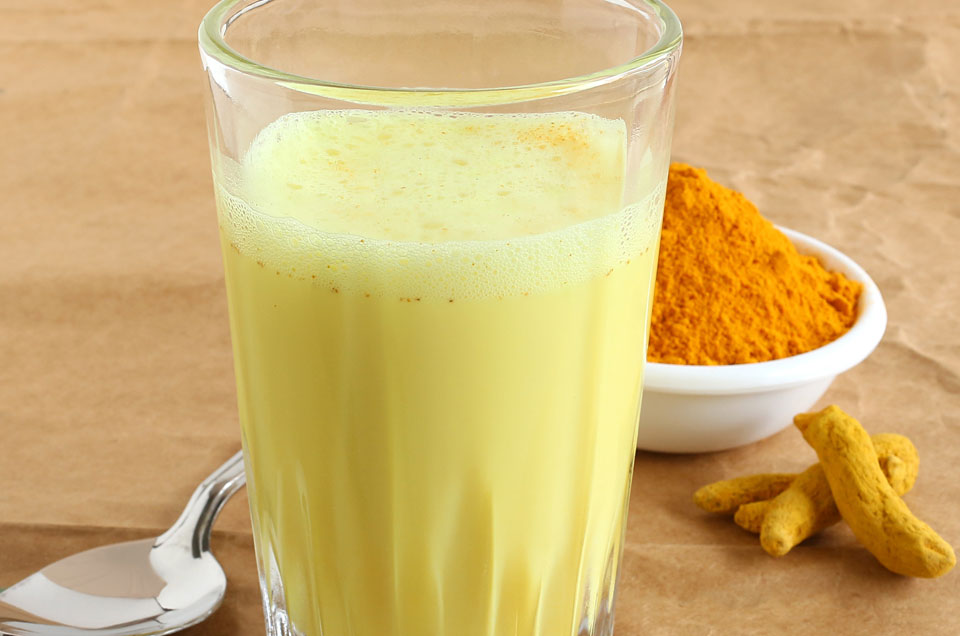
Turmeric:
This herbal remedy is popularly known for its anti-inflammatory qualities, helping to
Ayurvedic Therapies
Ayurveda suggests the following external therapies to improve the lubrication of the joints and relieve pain:
- Abhyanga (Oil Massage): Improves circulation and reduces stiffness
- Janu Basti: A specialised therapy for the knee joints
- Swedana (Herbal Steam Therapy): Reduces stiffness and detoxifies the body
- Panchakarma Therapies: Involves deep detoxification therapies to remove toxins and balance the doshas
These therapies help rejuvenate the joints and slow down the degeneration process.
Diet for Cartilage Degeneration
Diet is an important factor in the treatment of Vata and the protection of the cartilages. The following is a suggested diet:
Recommended Foods:
- Warm and freshly cooked food
- Ghee and oil
- Milk and bone-strengthening food
- Garlic, ginger, and turmeric
- Whole grains and easily digestible food
Foods to Avoid:
- Dry and cold food
- Processed and packaged food
- Excessive caffeine
- Fried and junk food
- Excessive raw food
A proper diet will help in the reduction of dryness and improve the lubrication of the joints.
How We Assess Disease Patients at Jiva Ayurveda
The way we evaluate patients at Jiva Ayurveda is more than just assessing their disease. This is how we do it:
- Detailed Consultation: Ayurvedic doctors study your symptoms, health history, lifestyle, dietary habits, and concerns related to joints.
- Prakriti Analysis (Body Constitution): By understanding whether you are a Vata, Pitta, or Kapha dominant person, we can understand why cartilages are degenerating.
- Pulse Diagnosis (Nadi Pariksha): This is an ancient method to detect imbalances in the body that can lead to degeneration of tissues.
- Root Cause Identification: Instead of just addressing the problem of joint pain, we identify other factors such as digestion (Agni), toxin formation (Ama), etc.
This way, we don’t just end up treating the symptoms; we address the actual problem.
Our Step-by-Step Patient Care Process:
Expect a Call: Submit your contact details, or you can also call us on 0129 4264323.
Appointment Confirmation.
- You can schedule an appointment and visit us at our clinic for a consultation with our Ayurvedic experts.
- If you are unable to find our clinics near you, you can also schedule an online consultation on 0129 4264323 at a discounted price of Rs. 49 (regular price Rs299) and avail guidance from our doctors at home.
Detailed Diagnosis
Jiva doctor will perform a thorough and detailed diagnosis to identify the root cause of your health problem.
Root-cause Based Treatment
Jiva doctor will recommend a personalised treatment using highly-effective, natural, and Ayurvedic medicines to address symptoms and the root cause.
Healing Timeline
The healing timeline might differ depending on the severity of cartilage wearout:
- Early Stage - 4-6 weeks
- Noticeable relief might start within 2-3 months - Moderate Condition
- Chronic Condition - 4-6 months
Adhering to medicine, diet, and lifestyle factors is essential to achieving a faster healing process.
What Results Can You Expect?
With proper Ayurvedic treatment, you can experience:
- Less pain and stiffness in your joints
- Increased flexibility and mobility
- Slower degeneration of your cartilage
- Better lubrication and strengthening of your joints
- An improved quality of life
Ayurvedic medicine is not about relieving your pain temporarily, but about giving you long-term relief.
Patient Testimonial – Mrs Sunita Malik
“After suffering from severe joint pain for many years, I realised it was affecting my daily life. Even simple things like walking and climbing stairs were becoming extremely difficult for me. I tried many different treatments for my condition, but it gave me temporary relief only.
I heard of Jiva Ayurveda, and I took their consultation. I think it was a life-changing decision for me. The doctors at Jiva understood my condition well and provided me with a personalised plan of treatment according to Ayurveda.
After taking the medicines and making lifestyle changes as suggested by Jiva Ayurveda, I began to feel better. The pain is less, and I can move around much better. I feel much better and confident now. I am extremely grateful to Jiva for helping me get back on my feet without depending on strong painkillers.”
Estimated Cost of Treatment at Jiva Ayurveda
Understanding the financial investment required for your health is important. At Jiva Ayurveda, we make sure of transparency in our service costs, which allows you to choose the most suitable option for your medical needs.
Treatment Cost
For patients who seek standard, ongoing care, the Monthly Cost of Medicine and consultation typically ranges from Rs. 3,000 to Rs. 3,500. Please note that this is an estimated baseline. The final cost depends on the exact nature and severity of the patient's condition.
Protocol
For a more comprehensive, structured approach, we offer specialized Package protocols. These plans are designed to address both physical symptoms and the overall lifestyle correction. The package includes:
- Medicine
- Consultation
- Mental Well-Being Sessions
- Yoga and Meditation
- Diet
The cost for this protocol involves a one-time payment ranging from Rs. 15,000 to Rs. 40,000, which covers the full 3 to 4-month duration of the treatment.
Jivagram
For patients requiring intensive and immersive care, our Jivagram centres offer the ultimate healing experience. Jivagram is a holistic sanctuary set in a peaceful, eco-friendly environment, and it provides:
- Authentic Panchakarma therapies
- Sattvic meals
- Modern healing services
- Comfortable accommodation
- Many more quality-of-life facilities
An immersive wellness stay at Jivagram costs around 1 Lakh for a 7-day duration, ensuring continuous personalised care to help reset your body and mind.
Why Patients Trust Jiva Ayurveda
Over the years, Jiva Ayurveda has gained the trust of thousands of patients who are seeking natural and personalised healthcare solutions. Some of the key reasons for patients’ trust in Jiva Ayurveda:
- Root-Cause Based Treatment
Unlike conventional treatments that address only the symptoms of disease, Ayurvedic treatment focuses on treating the root causes and correcting the underlying imbalances in the body that lead to disease.
- Experienced Ayurvedic Doctors
Jiva Ayurveda boasts of having a huge team of experienced Ayurvedic doctors who thoroughly examine each patient’s condition before recommending treatment for diseases.
- Personalised “Ayunique” Treatment Approach
Ayurvedic treatment is highly personalised and customised according to each individual’s prakriti and lifestyle.
- Holistic Healing
Ayurvedic treatment is not limited to medicines; it also includes dietary and lifestyle modifications, breathing techniques, and stress management to support overall healing of the body and mind.
- Trusted by Patients Across India
A huge percentage of patients have shown improvement in their conditions after adopting Jiva’s treatment plans and recommendations for diseases. This shows how much people trust Jiva Ayurveda for Ayurvedic treatment.
- 95% of patients saw significant improvement within 3 months of treatment.
- 88% of patients stopped allopathic medicines completely.
- 8000+ patients consulation everyday
Modern Treatment vs Ayurvedic Treatment for Joint Cartilage Degeneration
|
Aspect |
Modern Treatment |
Ayurvedic Treatment |
|
Approach |
Symptom-based (focus on pain relief) |
Root-cause based (focus on dosha balance and tissue nourishment) |
|
Focus Area |
Reducing inflammation and pain |
Regenerating tissues (Asthi & Majja Dhatu) and improving joint health |
|
Medications |
Painkillers, anti-inflammatory drugs, supplements |
Herbal medicines, natural formulations, medicated oils |
|
Side Effects |
Possible long-term side effects (gastric issues, dependency) |
Generally safe when taken under expert supervision |
|
Treatment Goal |
Temporary relief from symptoms |
Long-term healing and prevention |
|
Personalisation |
Standard treatment protocols |
Highly personalised (based on Prakriti and imbalance) |
|
Therapies |
Physiotherapy, injections, surgery (in severe cases) |
Panchakarma, Abhyanga (oil massage), Basti (medicated enema) |
When Should You Consult a Doctor?
Although the signs may be minimal in the early stages, you should not ignore the following signs:
- Pain in the joints for more than a few weeks
- Stiffness in the joints that worsens over time
- Trouble in walking or climbing stairs
- Swelling or tenderness in the joints
- Sounds in the joints, such as grinding or cracking
- Pain in the joints that does not go away even after resting
Consulting a doctor at an early stage will help you prevent further damage to the cartilage.
Conclusion
Although the degeneration of the joints is a gradual process, you should be aware of the early signs of this degeneration. Instead of taking the signs lightly and ignoring them, you should take steps to prevent further damage to the joints.
Ayurveda is a holistic approach to curing diseases in a natural way. Ayurveda not only helps in curing the disease but also strengthens the body internally.