 Published on
15 Jul, 2026
Published on
15 Jul, 2026 Updated on 15 Jul, 2026
 5083
5083Mango is widely loved and rightly called the "king of fruits." It is juicy, vibrant and incredibly delicious. But because it is so sweet, it is constantly surrounded by a big debate: Does eating a mango automatically ruin your blood sugar?
Many people, especially those watching their sugar levels, wonder if they need to completely ban mangoes from their diet. The simple truth is that mango is not a bad food, nor is it a magical cure. Like any food that contains carbohydrates, it will affect your blood sugar. But how far it can affect you totally depends on the quantity you eat, how ripe it is, and what you eat it with.
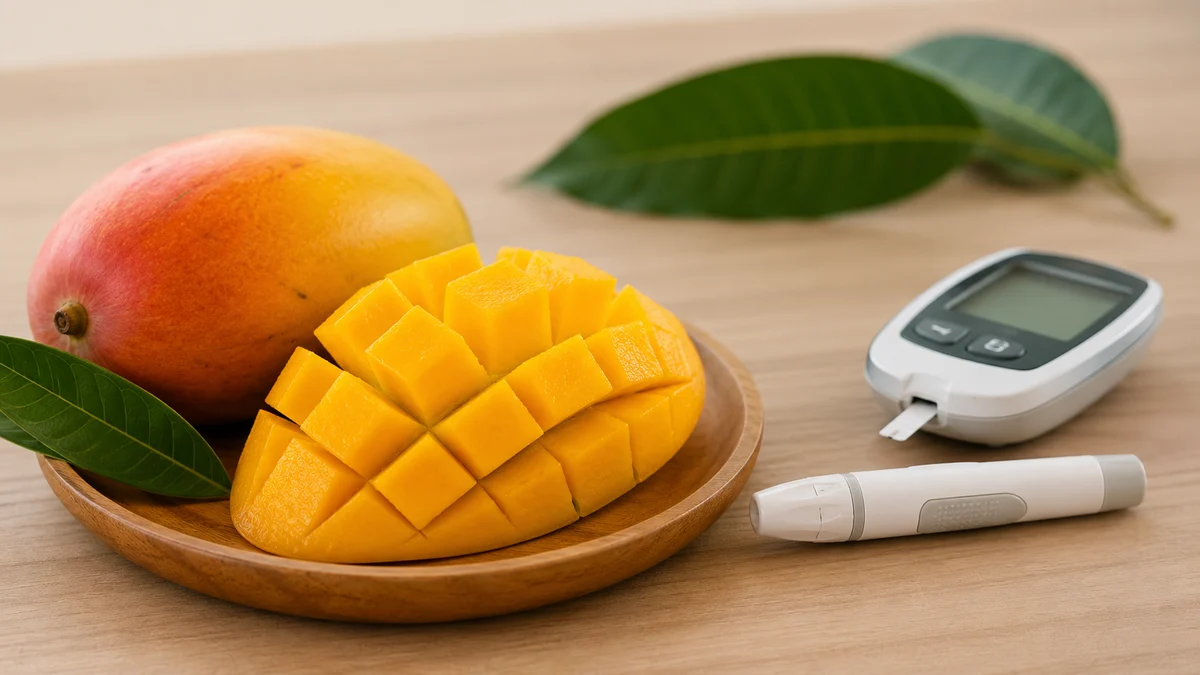
Understanding Blood Sugar Spikes
What Generally Happens After Eating Carbohydrates?
When you eat foods that contain high amounts of carbohydrates, such as rice, bread, or fruit, your stomach usually breaks them down into simple sugars. Then, this sugar, which is generally called glucose, enters your bloodstream to provide energy. So in response to it, your body releases a hormone called insulin, which acts like a key, unlocking your cells so the sugar can go inside and give you power for the day
However, some foods release this sugar very slowly, while others dump it into your blood all at once. When too much sugar enters your blood way too fast, it is called a "blood sugar spike."
Why Rapid Sugar Spikes Matter?
An occasional spike is perfectly normal for a healthy body. But if your blood sugar is constantly shooting up and crashing down all day, it puts a lot of stress on your system.
- It makes you feel suddenly exhausted (a sugar crash).
- It makes you feel hungry again very quickly.
- It causes intense cravings for more sweet junk food.
For people who already struggle with managing their blood sugar, these wild swings can make their health worse over time.
What Makes Mango Naturally Sweet?
A mango tastes like candy because it is packed with natural sugars like fructose and glucose. As a mango sits on your kitchen counter and gets softer and riper, it actually becomes sweeter.
But here is the big difference: the sugar in a mango is not the same as the white sugar in a cold drink.
Nutritional Profile Beyond Sweetness
A mango is generally very sweet, so unlike cookies, it gives a lot more health benefits apart from being a sugar rush:
- It has natural fibers, which is great for your stomach.
- It is a watery fruit that keeps you hydrated.
- It contains Vitamin C to help you fight a cold.
- It has Vitamin A, which gives you healthy, glowing skin and bright eyes.
This means that when you eat a mango, you are actually feeding your body real nutrition, not just empty calories.
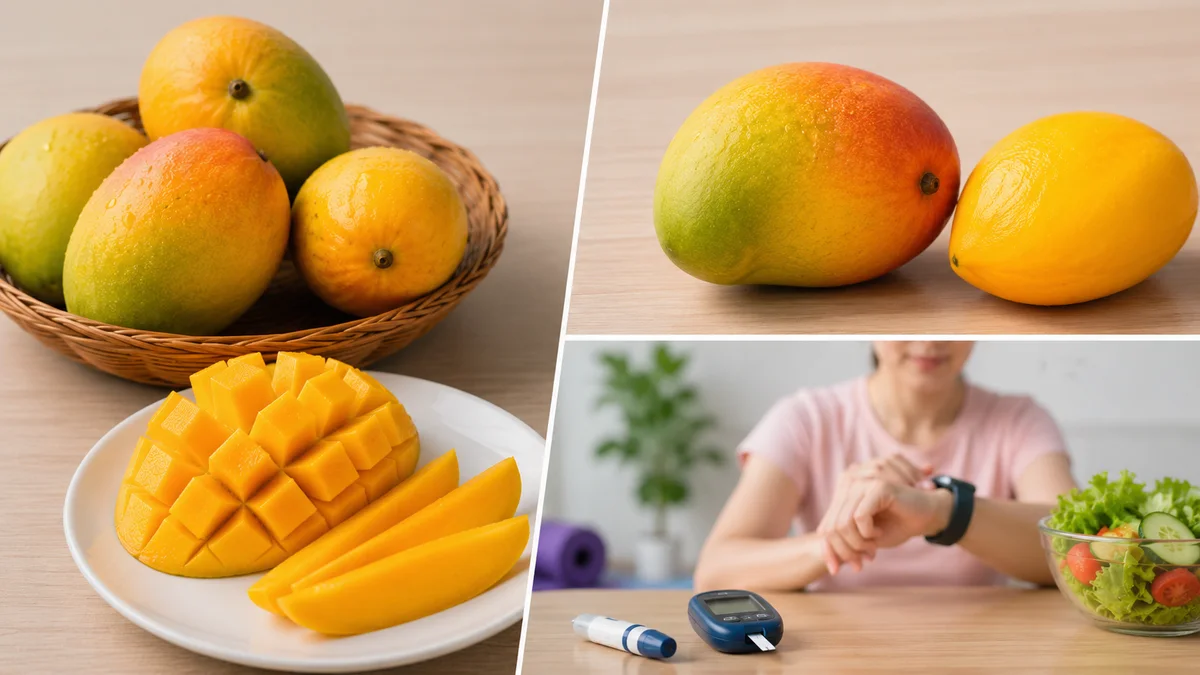
Why Mango May Cause Blood Sugar Spikes
If mango is healthy, why does it cause spikes? The answer usually comes down to how we eat it.
- Portion Size is Everything: Eating a few slices of mango is totally fine. The problem starts when we sit down and eat two or three whole mangoes in one go. A larger portion simply means a massive load of sugar entering your body all at once, which your system struggles to clear out quickly.
- Ripeness Changes the Sugar: As a mango gets older and softer, its starches turn into pure sugar. A very soft, fully ripe, dripping-sweet mango will raise your blood sugar much faster than a slightly firm, less ripe one.
- Everybody is Different: No two humans are the same. Your friend might eat a mango and be totally fine, while your blood sugar might jump. Just take care of things like your body movement, sleep pattern, your stress levels, and your genes, because all these things decide how well your body can handle it.
Does Eating Mangoes Increase Blood Sugar in Everyone?
Not at all, it generally differs from person to person. How your body reacts to a mango today might even be different from how it reacts tomorrow!
Here is what changes your body's reaction:
- Your daily activity: A person who walks daily and stays active burns sugar much faster than someone who sits on a sofa all day.
- How you slept: A bad night of sleep actually makes your body terrible at handling sugar the next day.
- What else did you eat: Eating a mango on an empty stomach causes a fast spike. Eating it after a healthy meal slows the spike down.
How to Enjoy Mango Without Major Blood Sugar Swings
You do not have to ban mangoes from your house. You just need to eat them smartly.
Practice Portion Control: When you eat 2-3 mangoes at a time, it can majorly cause blood sugar spikes in your body. Instead, you can eat half a mango at once and the other half after some time. This can help control your portion and even your blood sugar level.
Eat it with some protein: When you eat mango alone, it can cause blood sugar spikes, but when you pair it with some protein, such as almonds, walnuts, or mix it with plain yogurt or add some chia seeds, it can help keep your blood sugar level normal and give a lot of health benefits.
Always Choose Whole Fruit: Never drink your mango. When you make juice, you throw away all the healthy fiber and drink the sugar of three mangoes in ten seconds. Always chew your fruit.
Doctor’s Note
While mangoes are highly nutritious, their natural sugar content can trigger rapid blood glucose spikes. If you have diabetes, prediabetes, or insulin resistance, avoid mango juices, shakes, and eating the fruit on an empty stomach. Stick to small portions of the whole fruit and pair it with a protein or healthy fat (like nuts or plain yogurt) to slow sugar absorption. Always monitor your blood sugar after consumption to track your individual glycemic response.

Common Mistakes That Increase Blood Sugar
Without realizing it, we often eat mango in ways that make our sugar levels explode. Avoid these common traps:
- Drinking Mango Juice or Shakes: When you eat mango in the form of a shake mixed with milk and a lot of white sugar, it can cause great damage to your overall body.
- Mixing Mango with Junk Food: If you eat mango along with ice cream, cake or use it as a sweet after a bunch of spicy junk food, it generally acts as a poison to your body.
- Overeating in the Summer: Just because mango is a seasonal fruit, it doesn’t mean you should eat in breakfast, lunch, and dinner.
Who Should Be More Careful With Mango Consumption?
Well, mango has great health benefits, but some people should be extra careful with it as it can give severe health risks to the people who are:
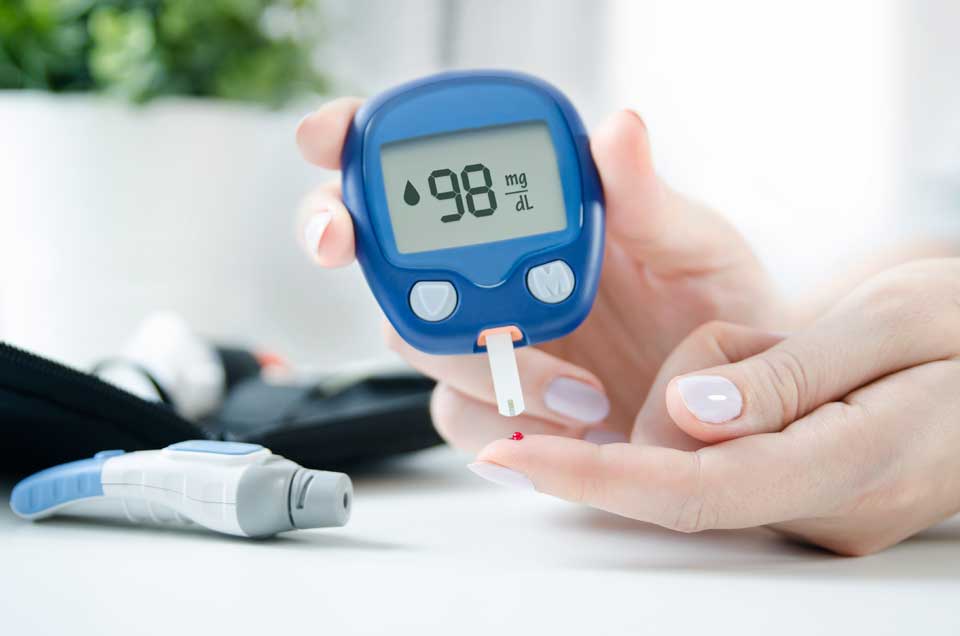
Diabetic or Prediabetic: If you have diabetes, you do not have to say goodbye to mangoes forever. You just need to be extra careful. Stick to very small portions, never eat it on an empty stomach, and always pair it with nuts or seeds. It is also highly recommended to check your blood sugar after eating to see how your body reacts to it.
Trying to Lose Weight: Mango is a healthy food, but calories are still calories. Eating too many sweet fruits can easily stop your weight loss progress. Enjoy it as a small treat, not a full meal.

Practical Tips for Including Mango in a Balanced Diet
Want to enjoy the king of fruits without the guilt? Keep these simple, everyday rules in mind:
- Keep your serving size to about half a cup or one small mango.
- Chew the whole fruit; never make it into a juice.
- Eat your mango alongside a handful of nuts or some yogurt to slow down the sugar.
- Try to eat it during the day when you are active, not right before going to sleep at night.
- Go for a short ten-minute walk after eating your mango to help your muscles burn up that extra energy instantly.
Conclusion
Mango is an incredibly delicious, nourishing fruit that can easily fit into a healthy lifestyle. It is indeed true that it contains natural sugar, which can cause blood sugar spikes, but it usually depends on you how you include it in your diet.
It depends on the quantity you eat, its ripeness, and the body movement you do after eating it. Instead of cutting them out of your diet completely, just make some control of it. Keep your portions controlled, don't drink it as a juice, and pair it with healthy nuts. By making a few simple tweaks, you can easily enjoy the sweetness of summer without any of the stress.
Reference’s
Manage Blood Sugar | Diabetes | CDC
Blood Glucose | Blood Sugar | Diabetes | MedlinePlus