 Published on
06 Apr, 2026
Published on
06 Apr, 2026 Updated on 25 May, 2026
 5209
5209Beyond a simple relaxation technique, meditation is a subtle, transformative practice that harmonizes the inner environment. In the Ayurvedic tradition, true health is defined as more than the mere absence of disease; it is a profound state of equilibrium between the body, mind, and consciousness. Meditation serves as the vital bridge that quietly aligns these dimensions, restoring the body's natural rhythm and internal peace.
Understanding the Concept of Doshas in Ayurveda
In philosophy, health is not a fixed state; it is more like a flow between our body and our thoughts. When we understand the Doshas and how our mind and body are connected, we can see how small changes in our thoughts can affect our health.
The Three Main Energies (Doshas)
The human body operates through three fundamental forces that govern everything that happens in our body and mind. When these forces are balanced, they keep us alive; when they are out of balance, they can cause disease.
- Vata (Movement): This is made up of Air and Ether. Vata controls all movement and communication in our body, like blinking our eyes or sending signals through our nerves. Vata is all about movement and communication. It is an important part of who we are.
- Pitta (Transformation): This is made up of Fire and Water. Pitta helps our body digest food, regulates our temperature, and turns food into energy. Pitta is associated with transformation and metabolism, and it helps our body function properly.
- Kapha (Structure): This is made up of Earth and Water. Kapha gives our body the structure, lubrication, and stamina it needs to function. Kapha is about structure and stability, and it helps keep our body together.
The Mind-Body Connection
Ayurveda believes that the mind and the body are connected in a way that they cannot be separated. This means that what is going on inside you, like your thoughts and feelings, directly affects your health.
- Psychosomatic Flow: When you have a lot of worries or anxiety, it can really disrupt your digestion and make you feel bloated. This happens because your mind is not calm, and it affects your body.
- Somatopsychic Flow: On the other hand, when your body is not feeling well, it can also affect your mind. If you feel slow and heavy, it can be hard to think clearly, and you may not feel like doing anything.
So, it is very important to understand how the mind and body are connected. When you are trying to feel better, you should work on calming your mind. If you are feeling cloudy and unsure, you may need to cleanse your body to feel better.
What Happens When Doshas Become Imbalanced
This disruption of the normal rhythm of the Doshas results in an internal “weather system” characterized by imbalance. The Vata will be imbalanced, causing fearfulness and agitation, the Pitta will be imbalanced, resulting in fever and anger, while the Kapha will be imbalanced, causing laziness and dullness. The imbalance is not merely physical, but rather psychological in nature because it means you have left the natural balance of your body.
Signs and Symptoms of Dosha Imbalance
Recognising the early signs of Dosha imbalance is key to preventing deeper physical ailments.
When our internal energies shift away from their balanced state, our body sends subtle signals. These signals can be seen in our comfort, energy levels, and emotional resilience.
- Vata Imbalance: Typically, it shows up in the skin or joints. You might feel anxious, have trouble sleeping, or experience digestive issues. Your thoughts might feel scattered, and your mind may be racing.
- Pitta Imbalance: This usually means there is excess internal heat. You might feel acidity, have inflammation, or develop skin rashes. Emotionally, you may feel irritable, become a perfectionist, or have a temper.
- Kapha Imbalance: This type of imbalance makes you feel heavy and lethargic. Common signs include weight gain, slow digestion, congestion, and feeling emotionally dull or overly attached.
Common Causes of Dosha Imbalance
Imbalances do not usually happen suddenly. They are often the result of disruptions to our natural rhythms and surroundings.
- Stress and Mental Overload: Being in a constant state of stress destabilizes our nervous energy and metabolic fire. This can cloud our clarity and emotional stability.
- Irregular Sleep: Having an inconsistent daily routine and poor sleep can weaken our body’s internal clock. This causes our energies to fluctuate and worsen over time.
- Improper Diet and Habits: Eating incompatible foods, overeating, or eating at irregular times can disturb our digestive fire. This leads to the buildup of toxins in the body.
- Environmental and Seasonal Factors: Changes in weather, such as heat, cold, or dampness, can affect our internal balance. These shifts can disturb our equilibrium even before we become aware of them.
Meditation for Vata, Pitta, and Kapha Balance
Since each Dosha has its own energy, meditation works best when it is customized to your individual body type. By choosing a technique that suits your state, you can turn a basic relaxation exercise into a powerful tool for bringing balance back to your life.
Tailored Meditation Strategies
- Mindfulness Meditation: This is very effective for people with high Pitta. It helps them become aware of what is happening in the present moment. This reduces overthinking and helps them respond without anger or judgment. They begin to observe situations calmly.
- Breath Awareness: This is helpful for people with dominant Vata. It is based on Pranayama. Controlling the breath helps stabilize the body and mind. It calms the nervous system and reduces anxiety.
- Mantra Meditation: This works well for people with dominant Kapha. It uses sound vibrations to uplift the mind and body. These sounds help release emotional heaviness and provide a strong point of focus.
- Guided Visualization: This technique helps heal emotional disturbances. People with high Pitta can imagine calming scenes to cool down, while those with high Vata can visualize mountains or strong roots to feel grounded.
Risks and Complications of Ignoring Imbalance
Ignoring recurring Dosha imbalances allows subtle energy disturbances to settle into physical issues. When natural warning signs are overlooked, imbalance shifts from affecting function to altering structure, eventually leading to systemic diseases.
Long-Term Risks of Imbalance
- Mental & Emotional Toll: A chronic Vata imbalance may begin as simple restlessness but can develop into deep anxiety, sleep disturbances, and difficulty in thinking clearly.
- Metabolic & Hormonal Disorders: If high Pitta is not managed, it can lead to inflammation, hormonal disturbances, and conditions like ulcers, as the body’s internal heat begins to damage healthy tissues.
- Systemic Congestion: Excess Kapha slows down metabolism, which may result in weight gain, respiratory issues, and a weakened immune system.
- Dhatu Kshaya (Tissue Depletion): Long-term imbalance disrupts the nourishment of the body’s seven tissues, leading to premature aging and a decline in Ojas, which represents vitality and immunity.
Jiva Ayurveda Approach to Personalised Meditation and Mind Balance
The Jiva philosophy of meditation is based on Sattvavajaya Chikitsa (psychotherapy in Ayurveda), where the mind is seen as a link between the body and soul. Instead of a "one-size-fits-all" relaxation practice, Jiva starts by determining your Vikriti to define a specific "diet for your mind" and remove Manasika Ama (toxic mental conditions).
- Nidana Parivarjana (Avoiding Triggers): First, we identify external factors such as stress from high-pressure jobs (Pitta) or frequent travel (Vata) that disturb emotional balance, and then select a suitable method accordingly.
- Vata-Balancing (Stambhan): If your mind is constantly racing, Jiva suggests the practice of Stambhan, or grounding. This includes focusing on the breath and the navel center to stabilize the mind.
- Pitta-Balancing (Sheetali Bhavana): For intense anger and perfectionism, Jiva uses calming visualization practices like Sheetali Bhavana, which involve imagining moonlight or flowing water.
- Kapha-Balancing (Tejas): For lethargy and heaviness, Jiva recommends active chanting or sun-focused meditations that stimulate the mind and intellect.
- Ojas: The ultimate goal of the practice is to build Ojas, the subtle essence of immunity. Just like food digestion, emotions are processed efficiently without leaving any mental residue.
Ayurvedic Medicines for Mental Balance
Ayurvedic herbs, known as Medhya Rasayanas, are specifically chosen to nourish the nervous system and enhance the three pillars of the mind: learning, retention, and recall.
- Brahmi (Bacopa monnieri): A powerful Medhya herb that promotes coordination between Dhi (learning), Dhriti (retention), and Smriti (recall). It is especially beneficial for balancing a scattered Vata mind.
- Ashwagandha (Withania somnifera): An excellent adaptogen that supports nervous system health and promotes Ojas. It is highly beneficial for those experiencing fatigue and chronic stress.
- Tagar (Valeriana wallichii): Known for its calming and sleep-inducing properties, it helps reduce mental agitation and supports deeper states of meditation by reducing mental noise.
- Jatamansi (Nardostachys jatamansi): A potent Tridosha-shamak herb that calms the brain and heart. It helps transform an irritable Pitta mind into a peaceful state.
Ayurvedic Therapies for Mental Balance
Ayurvedic therapies work from the "outside-in" to quiet the mind by physically soothing the nervous system and clearing the body's subtle energy channels.
- Shirodhara: A continuous stream of warm medicated oil poured over the “third eye” area induces deep relaxation and calms Prana Vayu.
- Nasya (Nasal Therapy): Since the nasal passage is the gateway to the brain, medicated oils help clear channels in the head, improving mental clarity and awareness.
- Abhyanga (Warm Oil Massage): A full-body oil massage that relaxes the senses, pacifies Vata Dosha, and improves circulation.
- Shiro-Abhyanga (Head Massage): By stimulating specific Marma points on the scalp, this therapy relaxes the nerves and relieves mental fatigue.
Dietary Guidelines for Dosha Balance
| Feature | Vata (Grounding) | Pitta (Cooling) | Kapha (Stimulating) |
| Dietary Focus | Warm, moist, and cooked | Cooling and refreshing | Light, dry, and warm |
| Grains | Rice, wheat, and cooked oats | Barley, basmati rice, and oats | Millets (Ragi, Bajra) and Quinoa |
| Vegetables | Root vegetables (Carrots, Beets) | Cucumber, Zucchini, Asparagus | Leafy greens, Broccoli, Peppers |
| Fats & Oils | Ghee and Sesame oil | Coconut and Sunflower oil | Minimal Mustard or Flaxseed oil |
| Ideal Fruits | Bananas, Mangoes, and Grapes | Melons, Pears, and Pomegranates | Apples, Pears, and Dried fruits |
| Key Spices | Ginger, Cinnamon, Cardamom | Turmeric, Fennel, Coriander | Black pepper, Ginger, Clove |
| Avoid | Raw salads and cold drinks | Excessive chili and vinegar | Heavy dairy and fried foods |
How Patients Are Assessed at Jiva Ayurveda (For Meditation & Dosha Imbalance)
Our assessment focuses on identifying the root cause of mental imbalance and how Dosha disturbances are affecting emotional health, stress levels, and overall well-being.
- Detailed evaluation of symptoms such as anxiety, restlessness, irritability, low mood, and sleep disturbances.
- Identification of the dominant Dosha imbalance, Vata (overthinking and instability), Pitta (intensity and irritability), or Kapha (lethargy and mental dullness).
- Assessment of stress triggers, lifestyle patterns, and daily routine affecting mental balance.
- Evaluation of sleep quality, emotional patterns, and ability to focus or relax.
- Review of diet, digestion (Agni), and mental toxin (Manasika Ama) accumulation influencing the mind.
Our Step-by-Step Care Process
At Jiva Ayurveda, every process of the treatment is carried out in an organised and structured manner to give you the best personalised experience of Ayurvedic treatment for thyroid and digestive issues.
1. Share Contact Details: After submitting your details, you can also reach out to us directly at 0129 4264323 to start the consultation process and get your metabolic issues treated.
2. Appointment Confirmation: An appointment with our experienced and well-trained Ayurvedic doctors specialising in thyroid and digestive issues is arranged for you. You can choose to consult with our doctors in the mode that best suits you:
- Clinic: We have over 80 Jiva clinics in different cities, and you can come to the nearest clinic to consult with our doctor face-to-face.
- Video Consultation (Rs. 49): In case you are not able to locate our clinics in your city, you can also consult with our doctor online, which will be available to you at a discounted price of Rs. 49 (regular price: Rs. 299). Simply give us a call at 0129 4264323 to connect with our experts from home itself.
3. Detailed Diagnosis: Our experienced doctor will consult with you to understand your thyroid issues, digestive problems, and “Agni” (metabolic fire) to diagnose the root cause of the problem in your body.
4. Root Cause-Based Treatment Plan: A personalised treatment plan is designed using herbal medicines and therapies to balance Kapha, regulate Vata, strengthen Agni, and reduce Ama. This approach targets the root cause of morning nasal congestion and helps prevent recurrence over time.
Healing Timeline: Balancing Mind & Doshas Through Meditation
Initial Weeks (Calming the Mind): Early relief begins as stress reduces and the mind starts to settle. Sleep may improve, and restlessness or anxiety may decrease.
1–3 Months (Mental Stabilization): Better emotional balance and improved focus. Mood swings reduce, and the mind becomes calmer and more stable.
3–6 Months (Deep Inner Balance): Stronger mental resilience and Dosha balance. Thoughts become clearer, reactions more controlled, and overall well-being improves.
What Results Can You Expect?
With consistent practice, meditation helps balance Doshas and improve mental health naturally:
- Reduced Stress & Anxiety: Calmer mind and better emotional control.
- Improved Focus: Enhanced clarity and concentration.
- Better Sleep: More restful and consistent sleep patterns.
- Emotional Stability: Reduced irritability and mood swings.
- Increased Energy: Less mental fatigue and more positivity.
- Long-Term Balance: Sustained mental well-being and Dosha harmony.
Estimated Cost of Treatment at Jiva Ayurveda
Understanding the financial aspect of your treatment is important. At Jiva Ayurveda, transparent pricing helps you choose a plan suited to your condition and needs.
Treatment Cost
For patients seeking standard, ongoing care for post-nasal drip, the monthly cost of medicine and consultation typically ranges from Rs. 3,000 to Rs. 3,500. This is an estimated baseline and may vary based on individual condition and severity.
Protocol
For a structured and holistic approach, specialized package protocols are available. These focus on clearing mucus, improving respiratory health, and restoring long-term balance. The package includes:
- Medicine
- Consultation
- Mental well-being sessions
- Yoga and meditation
- Diet guidance
- Therapies
The cost of this protocol ranges from Rs. 15,000 to Rs. 40,000 for a treatment duration of 3 to 4 months.
Jivagram:
For individuals requiring intensive care, Jivagram offers an immersive healing environment that supports deep detoxification and respiratory strengthening. It includes:
- Authentic Panchakarma therapies
- Sattvic meals
- Modern healing services
- Comfortable accommodation
- Additional wellness facilities
An immersive stay at Jivagram costs approximately Rs. 1 Lakh for 7 days, providing continuous personalised care.
Why Patients Trust Jiva Ayurveda
Our method is centred around personalised, root cause-based treatment that works to heal the body from the inside out.
- Root Cause-Based Treatment: Our treatment strategy is to treat the root cause of the imbalance, not just the symptoms.
- Customised Care Plans: Our patients receive personalised care plans that are tailored to their individual Prakriti (constitution), diet, and lifestyle.
- Protocol-Based Analysis and Treatment: Our treatment protocols are evidence-based, Ayurvedic approaches to treating hormonal and digestive imbalances.
- Authentic Medicines: Our Ayurvedic medicines are genuine and made in licensed facilities to ensure safety and efficacy.
- Proven Scale & Expertise: Our physicians have seen over 8,000 patients daily and have extensive experience in treating complex chronic diseases.
- High Success Rate: Our patients have seen significant improvements in their health, with over 90% reporting positive changes in their health.
- Reduced Dependency: 88% of our patients can stop or greatly reduce their dependency on conventional medications.
The primary difference lies in the focus: modern medicine often looks to manage the physical cyst or its symptoms, while Ayurveda aims to fix the internal environment that allowed the cyst to grow in the first place.
Modern vs. Ayurvedic Approach to Meditation & Dosha Imbalance
| Feature | Modern Approach | Ayurvedic Approach |
| Primary Focus | Managing stress and improving mental health | Balancing Doshas and calming the mind at the root level |
| Method | Mindfulness techniques, therapy, relaxation practices | Personalized meditation based on Dosha, along with diet and lifestyle correction |
| Diagnosis | Psychological evaluation and symptom-based assessment | Nadi Pariksha, Prakriti analysis, and mental-emotional pattern assessment |
| Treatment | Counseling, meditation apps, stress management techniques | Sattvavajaya Chikitsa, meditation, Pranayama, herbs, and daily routine |
| Side Effects | May provide temporary relief if not personalized | Natural and holistic with long-term balance |
| Goal | Reduce stress and improve mental clarity | Achieve lasting mental balance, emotional stability, and Dosha harmony |
When to Consult a Doctor
You must seek professional advice if:
- Persistent Anxiety or Stress: Ongoing worry, restlessness, or mental fatigue.
- Sleep Disturbances: Chronic insomnia or poor sleep quality.
- Mood Imbalance: Frequent irritability, anger, or low mood.
- Difficulty Focusing: Constant distraction or brain fog.
- Worsening Symptoms: Emotional imbalance affecting daily life.
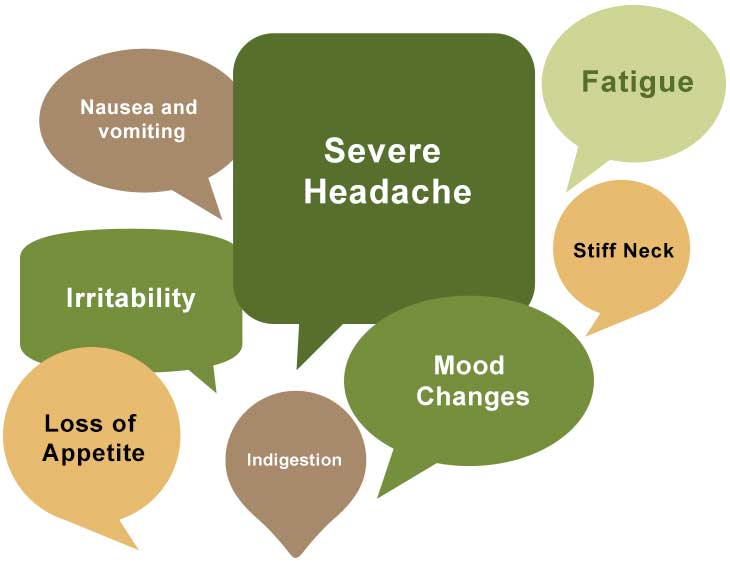
- Physical Symptoms: Headaches, fatigue, or digestive issues linked to stress.
Conclusion
Mental imbalance is not just about stress; it reflects deeper Dosha disturbances and lifestyle factors. While modern approaches help manage stress on the surface, they may not always address the root cause.
Ayurveda focuses on restoring internal balance through personalized meditation, lifestyle correction, and Dosha alignment. By calming the mind and harmonizing the body, it offers a sustainable path to long-term mental clarity and emotional well-being.