

 Published on
03 Oct, 2026
Published on
03 Oct, 2026 Updated on 03 Oct, 2026
 5032
5032It may happen to you as well: when you go shopping, you add many things to your cart, and when it comes to sugary products, you notice the “no added sugar” tag on the product and grab it for your cart, but do you assume that the product does not contain any sugar? But the reality is that the product does contain sugar. The “no added sugar” label means that there is no additional sugar added during the manufacturing of the product.
This is where many consumers get confused. A product can carry the no added sugar label but still be high in sugar.
What Does That “No Added Sugar” Mean?
“No added sugar” generally means that the product does not contain any additional sugar during the manufacturing process. It does not mean that the product does not contain any sugar or is low in sugar.
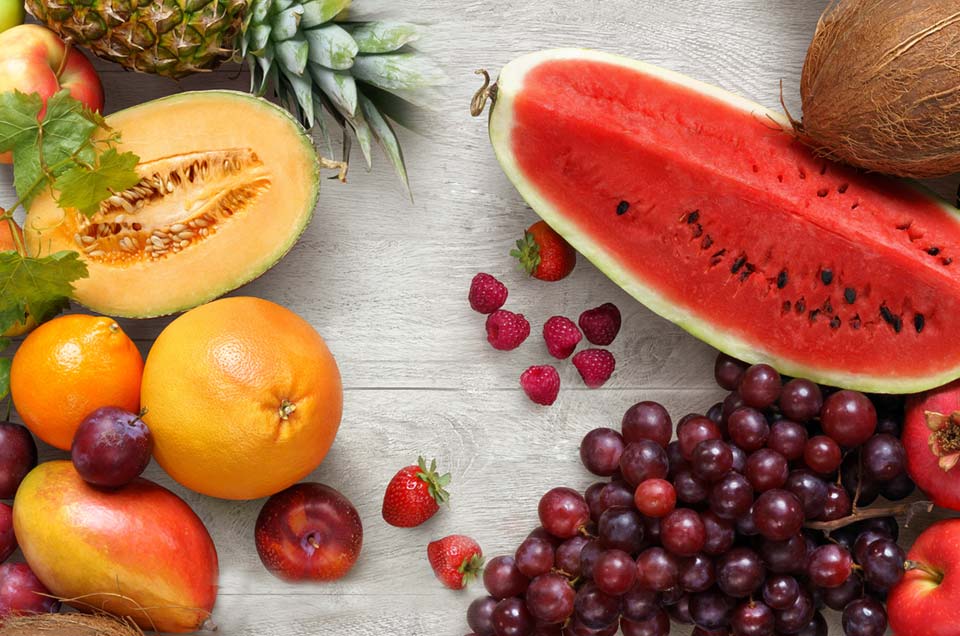
For example, milk naturally contains sugar, lactose, a type of sugar, fructose in fruits, and glucose in vegetables and grains. A product made from these ingredients can therefore contain sugar even if no additional sugar has been added.
This is why “no added sugar” and “sugar free” should not be treated as interchangeable terms.
The most useful place is the nutrition information panel, rather than relying on the claim printed on the front of the product.
“No Added Sugar” Does Not Mean That You Can Eat Unlimited Amounts
A "no added sugar" label doesn't give you the green light to eat without a care.
It simply means that the manufacturer does not put extra sugar into the product during processing, but it does not mean that the product has zero sugar or that you can eat unlimited amounts.
Why Is " No Added Sugar " Not A Free Pass?
- Natural sugar still exists: These products do not contain additional sugar but have their natural sugar ingredients in them. For example, milk (lactose), fruit(fructose), and vegetables(glucose).
- Calories and fats remain: No added sugar does not remove calories or fats. Eating too much can still lead to weight gain and other health problems.
- Hidden ingredients: It does not represent the other hidden calorie-dense ingredients, such as refined flour (maida) and other thickeners.
So, “No added sugar” is not the green signal to eat unlimited amounts of the product; products dense in natural sugars and other hidden calories are still harmful to us, potentially causing all the same problems associated with sugary products.
Why Is Sugar Harmful For Health?
Consuming adequate amounts of sugar is not bad, but eating excessive amounts of sugar is bad for health because consuming sugar in high amounts can overload the metabolism and lead to chronic diseases.
"No added sugar" might give you some relief, but it doesn't mean it contains no sugar at all; the natural sugar is still present in it.
Milk (Lactose),
Fruit (Fructose) and
Vegetables or grains (Glucose)
Major Health Risks Occur Due To Consumption Of Excessive Sugar:
- Weight gain
- Diabetes
- Heart Disease
- Fatty liver Disease
- Tooth Decay
- Energy crashes and Mood
These are the major health risks that are caused by excess sugar consumption.
What Should You Look For On The Label?
Next time, when you look at the “No added sugar” label, make sure to check the back of the packet as well to see what is written on it.
- Ignore the front-label hype initially. “No added sugar” label does not claim that it is low in sugar.
- Total sugar in one serving; total sugar includes both naturally occurring and added sugars. A product may contain no added sugar but still be high in total sugar.
- Focus on fiber, protein, and ingredients.
- Check the first three ingredients.
- Must analyse the nutrition information panel before getting overwhelmed by the front label hype.
You do not need to be a nutritional expert at first glance. This simple habit can help consumers make better decisions quickly without getting overwhelmed.
Ayurvedic Perspective
A “no added sugar” label simply means that no additional sugar was added to the product during manufacturing. But the product can still be loaded with naturally occurring sugar, starches, and other hidden ingredients.
From an Ayurvedic perspective, food and digestion are beyond all of these claims. But it still disrupts your body and your Agni (digestive fire). Here is why:
- Natural sugars still act like sugar: According to Ayurveda, natural sugar is still sugar, and its excessive consumption causes a spike in blood glucose levels. This does not mean that Ayurveda views it as something evil; however, its excessive consumption produces toxins (Ama) in our body that block our body’s channels.
- Hidden carbs and starches: Many "no added sugar" products contain heavy bases, such as refined flour (maida) and milk solids, that rapidly convert into glucose.
When your digestive fire is weak, even natural substitutes can overwhelm your digestion, leading to lethargy, heaviness, and insulin strain.
Ayurveda gives special reference to quantity, time, and digestive strength rather than trusting a product’s claims. Heavy or excessive sweeteners can increase Kapha Dosha and imbalance the Vata or Pitta Dosha, which leads to sluggishness and weight gain.
Conclusion
The “No added sugar” label is just a misinterpretation; it only indicates that the product does not contain any additional sugar, meaning no sugar was added during the manufacturing process, but it doesn’t mean the product is low in sugar or that there is no sugar in the product. It does contain natural sugar and other hidden ingredients, which impacts overall nutrition.
The main thing to pay attention to is the back side of the product, which contains nutrition information. It’s better to pay attention to the actual sugar, fiber, and ingredients rather than relying on front label claims.
References
The Impact of Free Sugar on Human Health—A Narrative Review - PMC