 Published on
11 Jul, 2026
Published on
11 Jul, 2026 Updated on 11 Jul, 2026
 5111
5111You walk down the grocery store aisle. You see the bold, brightly colored labels everywhere. "Zero Sugar." "Guilt-Free." "No Sugar Added." We have collectively declared war on sweetness, and the food industry has happily supplied the ammunition. We treat a zero-sugar lifestyle as the ultimate badge of dietary discipline. If we simply remove this one ingredient from our diet, then we will never again suffer from any of these ailments. Here is a much more complex reality.
For years, health promotion campaigns have been focused on fat. When this medical opinion changed, sugar quickly became the new target. The experts in the endocrine field and the dietitians all concur that too much refined sugar is a metabolic catastrophe. However, the meaning of the term “zero-sugar diet” has been hijacked by the general public and is a rather extreme and misinterpreted trend.
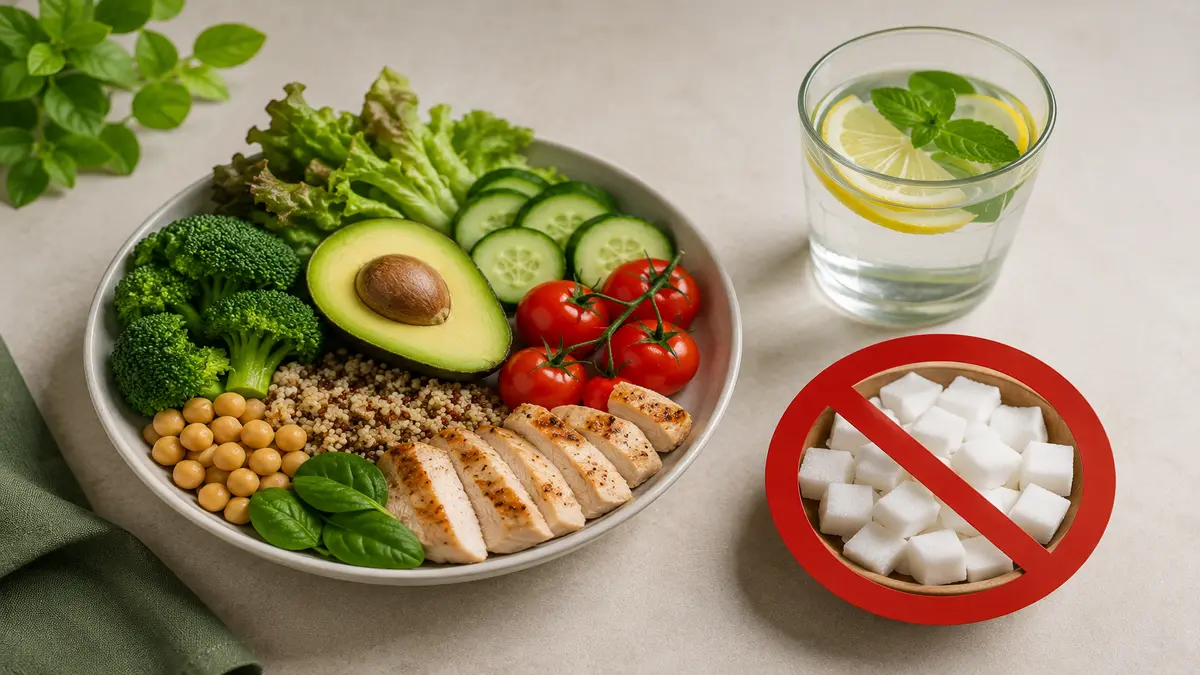
To understand what actually happens when you cut sugar, we have to look past the marketing spin. We have to look at the biology. A true zero-sugar diet is not just impossible. It is medically dangerous. Your brain and red blood cells run on glucose. The goal is not to eliminate all sugar. The goal is to eliminate the engineered, hyper-concentrated added sugars that are quietly destroying our metabolic engines.
The Biological Reset
When you strip added sugars, like high-fructose corn syrup, cane sugar, and agave, out of your daily routine, the internal changes are profound. It is not just about cutting calories. It is about allowing your hormones to finally recalibrate.
Your pancreas is the first organ to benefit. Each time a soda is consumed or a sweetened granola bar is eaten, blood glucose levels rise. In response to this increased amount, the pancreas secretes insulin. Your cells need insulin to let the glucose in and use it for energy.
If you eat a lot of refined sugar all the time, the system will collapse. Your cells are under too much stress. They cease to be responsive to the insulin. Insulin resistance is what this is. Your pancreas now needs to produce even more insulin to respond to the minimum amount of sugar.
Removing added sugar gives this overworked system a much-needed vacation. Within a matter of days, insulin sensitivity begins to improve. Your cells become receptive again. Furthermore, your liver gets a massive break. Fructose, unlike glucose, is metabolised almost entirely in the liver. When the liver is flooded with liquid fructose, it panics and converts the excess directly into fat. Cutting the sugar stops this fat accumulation in its tracks, rapidly reducing your risk of non-alcoholic fatty liver disease.
The Withdrawal Reality
The benefits are undeniable. Getting to them, however, is rarely a smooth ride. The first week of a strict no-added-sugar protocol is notoriously brutal. Many people abandon the effort because they mistakenly believe the diet is making them sick.
In reality, they are experiencing genuine chemical withdrawal.
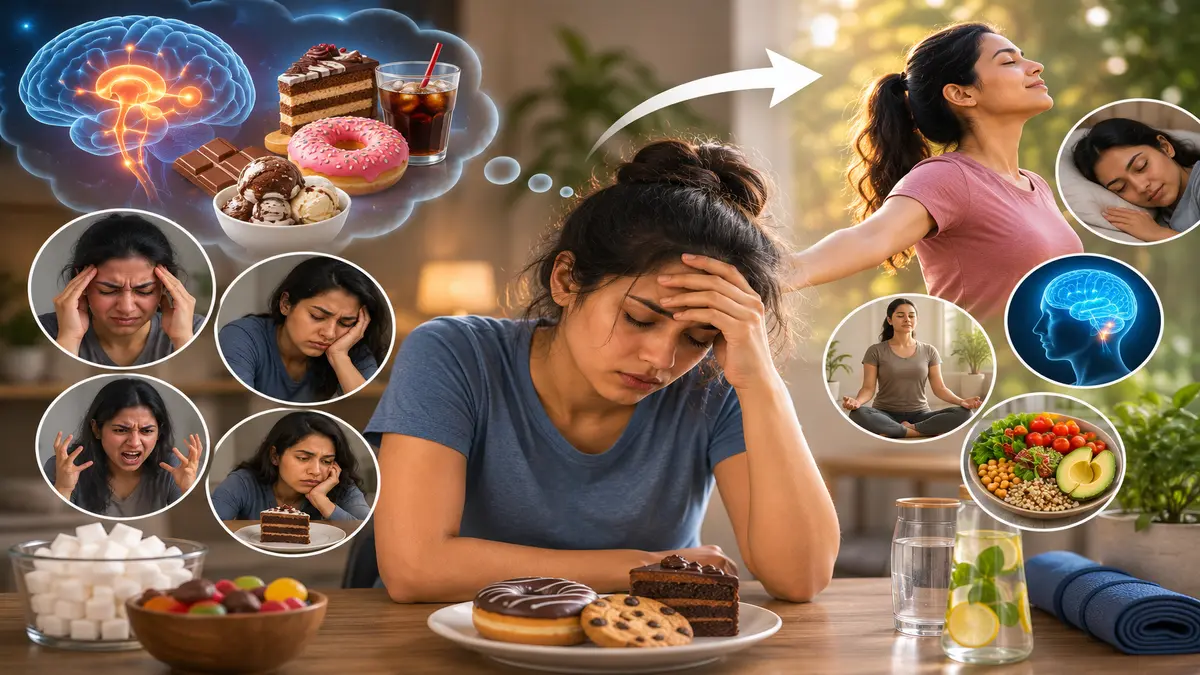
Sugar is heavily psychoactive. It triggers a massive release of dopamine and opioids in the brain’s reward center. It hits the exact same neurological pathways as highly addictive narcotics. When you are accustomed to a daily influx of sweetness, your brain physically downregulates its own dopamine receptors to handle the flood.
When one suddenly cuts off the supply, one's dopamine levels drop. The brain panics. You feel exhausted. You suffer from headaches and migraines. Your temper goes haywire, and the cravings are so strong. That is not because they're weak-willed. It's a temper tantrum of nature. The only way to get through this stage is knowing that it won't last forever, and it typically only lasts for three to seven days.
Doctor’s Note
Adopting an absolute zero-sugar diet without medical supervision can be dangerous. For anyone with diabetes on medication or insulin, a sudden elimination of carbs and sugars can trigger hypoglycemia (dangerously low blood sugar), which is a critical medical emergency. Furthermore, over-relying on artificial sweeteners to fill the void can damage your gut microbiome and disrupt your metabolism. If you experience severe red-flag symptoms like extreme dizziness, cold sweats, rapid heart rate, confusion, or fainting, do not dismiss them as simple withdrawal. Consult an endocrinologist or physician immediately before starting any extreme dietary shifts.
Busting the Major Myths
The zero-sugar space is plagued by aggressive misinformation. If you are going to attempt this lifestyle shift, you need to clear the noise.
Myth 1: All sugar is toxic. This is the most dangerous misunderstanding. A can of cola and a bowl of fresh strawberries both contain sugar. Biologically, they are handled completely differently. The sugar in whole fruit is bound up in water, fiber, and micronutrients. The fiber physically slows down the digestion process. It trickles into your bloodstream, providing a slow, steady burn of energy. Refined sugar hits the liver like a tsunami. Do not fear whole fruit.
Myth 2: Artificial sweeteners are a free pass. When people drop sugar, they usually pivot hard to zero-calorie artificial sweeteners. Aspartame. Sucralose. Stevia. While they do not spike your blood sugar in the short term, they are not biologically inert. Emerging gastroenterology research shows that heavy reliance on artificial sweeteners actively alters your gut microbiome. They can disrupt the delicate balance of bacteria that manage your overall metabolism. Furthermore, they keep your psychological craving for extreme sweetness alive.
Myth 3: It is an automatic weight-loss button. Dropping sugar frequently leads to weight loss because you are eliminating highly caloric junk food. But a "sugar-free" label does not mean healthy. Food manufacturers simply replace the sugar with highly refined industrial seed oils or excess sodium to maintain the mouthfeel. You can absolutely gain weight on a zero-sugar diet if you are eating thousands of calories of heavily processed, sugar-free snacks.
The Ayurvedic Perspective
Modern science is currently hyper-focused on isolating and eliminating the sugar molecule. Ancient healing traditions, however, took a much more nuanced approach to sweetness. Ayurveda does not view the sweet taste as an inherent evil. In fact, it is considered foundational to human life.
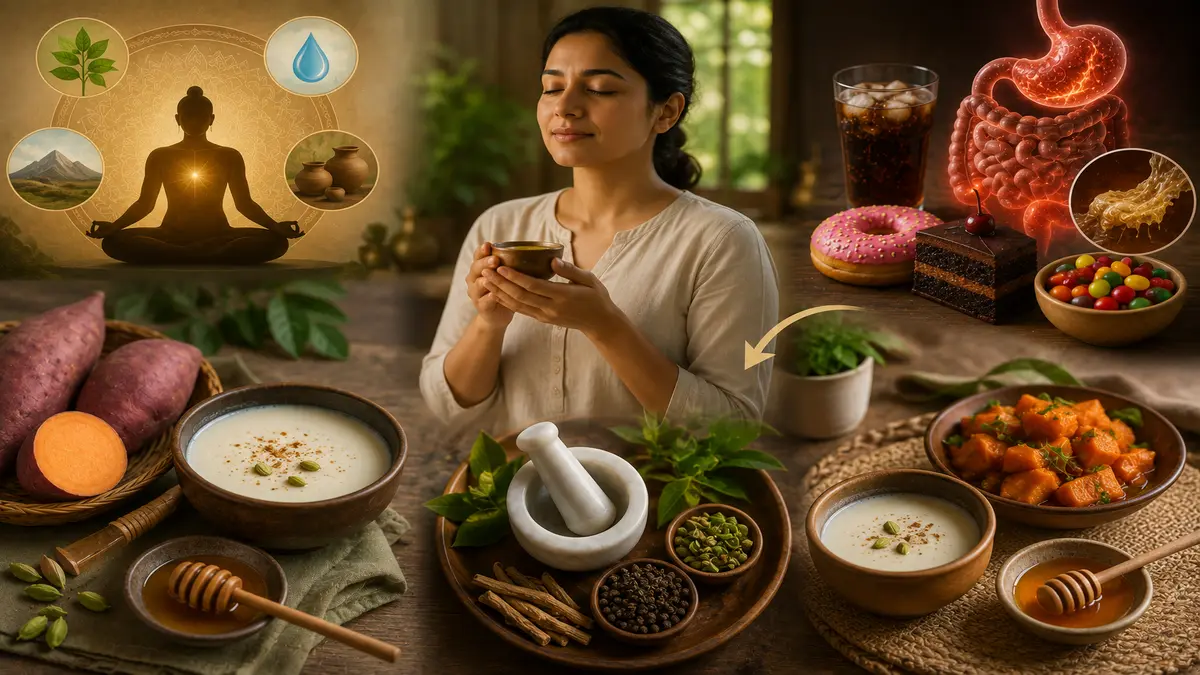
According to Ayurveda, the sweet taste (Madhura rasa) properties are related to earth and water elements. It provides grounding. It creates tissues (Dhatus). It helps to relax the nervous system. It's the refined source of sweetness that's the problem, not the sweetness itself.
When you flood a weakened digestive fire (Agni) with heavy, processed, icy-cold sugary drinks, the body cannot process it. It turns into Ama, a sticky, toxic residue that clogs the biological channels and breeds inflammation. An Ayurvedic lifestyle completely avoids artificial, chemical sweeteners. Instead, it satisfies the biological need for sweetness through naturally sweet, deeply nourishing whole foods. Cooked sweet potatoes, warm milk with a pinch of cardamom, or a small amount of raw, unheated honey used medicinally. The goal is not absolute deprivation. The goal is replacing aggressive, highly processed chemical sweetness with gentle, natural sweetness that actually supports the internal fire rather than drowning it.
The Pragmatic Approach
You need to be very skeptical at the supermarket if you're going to enjoy the rewards of cutting back on sugar. Sugar is everywhere, but you don't realise it. It's seldom in the place you'd expect it to be. We all know that we should steer clear of candy and cake. However, most added sugar used in our daily meals is in savory foods.
It is in your ketchup. It is packed into standard whole-wheat sandwich bread to make it brown faster in the toaster. It is heavily loaded into store-bought pasta sauces to cut the acidity of cheap tomatoes. It is the primary ingredient in most fat-free salad dressings.
You must read the ingredient labels. You must look for the aliases. Maltodextrin, barley malt, dextrose, rice syrup, and fruit juice concentrate are all just different masks for the same biological problem.
The Bottom Line
Many people don't need to go on an absolute low-sugar, militant diet, and it can be socially isolating to do so if you don't need to worry about a slice of birthday cake every month. The human body is extremely adaptable, and can cope with occasional metabolic challenges.
The danger lies in the chronic, daily drip of hidden sugars that slowly erode your cellular health. Dropping the daily sweetened lattes, skipping the breakfast pastries, and ditching the processed savory snacks will completely change your baseline health. You will endure a few days of brain fog and fatigue. But on the other side of that withdrawal is a level of sustained energy, mental clarity, and metabolic stability that no energy drink can ever replicate.
References:
Current WHO recommendation to reduce free sugar intake from all sources
Scientists found a surprising problem with sugar-free diets | ScienceDaily
Sugar - natural, added, health risks, cutting intake, substitutes | healthdirect