 Published on
26 Mar, 2026
Published on
26 Mar, 2026 Updated on 25 May, 2026
 5171
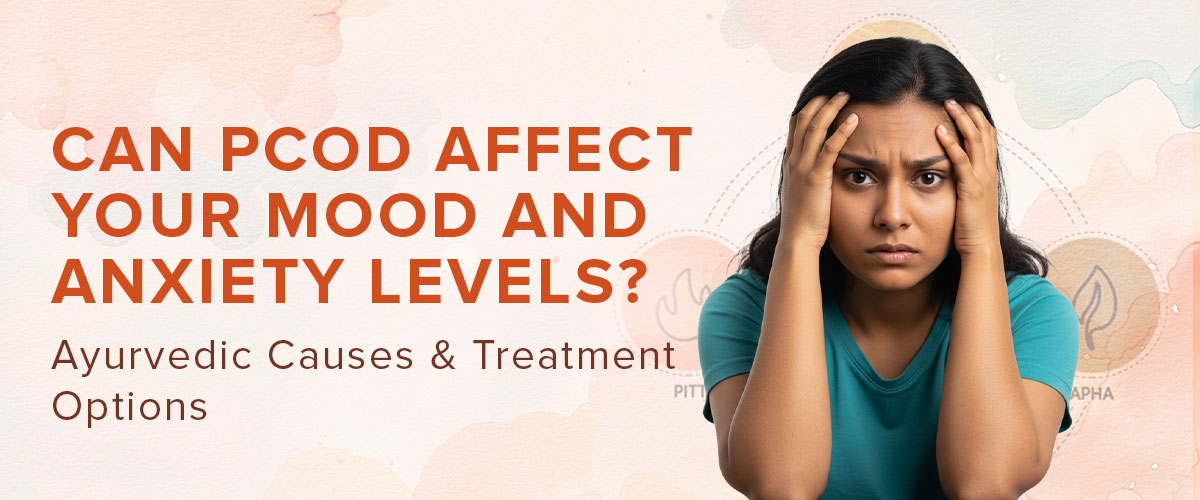
5171Have you ever felt completely overwhelmed by a sudden wave of panic? Maybe you find yourself crying over something incredibly minor. You probably wonder why you're reacting this way. When you deal with Polycystic Ovarian Disease, the physical signs are usually obvious. You might notice sudden weight gain or irregular periods. However, the silent battle happening in your mind can actually be the most exhausting part. The severe mood swings. The crippling anxiety. The sudden depressive dips.
A lot of women are just told their anxiety is simply stress. Or a lack of emotional control. But if you have this condition, this emotional rollercoaster isn't all in your head. It's heavily rooted in your hormones. Your endocrine system is disrupted, which directly controls the chemicals in your brain. Addressing the root hormonal imbalances helps you do more than just survive your mood swings. It helps you manage anxiety and completely reclaim your mental peace.
WHAT IS PCOD-RELATED MOOD DYSFUNCTION?
Your brain and your ovaries are basically in constant communication. This condition is primarily an endocrine and metabolic disorder. When your ovaries produce excess male hormones, or your body struggles with insulin resistance, this hormonal chaos crosses the blood-brain barrier.
- Neurotransmitter Disruption: Fluctuating estrogen and high testosterone interfere with serotonin and dopamine. These are your happiness and reward chemicals.
- The Insulin-Brain Connection: Rapid spikes and crashes in blood sugar leave your brain starved for steady energy. This triggers instant panic, irritability, and brain fog.
TYPES OF PCOD AFFECTING YOUR MOOD
Several types of PCOD can affect your mood.
- Varied metabolic root causes have very distinct impacts on the nervous system.
- Insulin-Resistant Type: Causes extreme episodes of being hungry. Afternoon brain blurs and severe mood swings due to extremely unsteady blood glucose levels.
- Cause Inflammatory Type: Chronic inflammation invades the brain. This makes you sick and dead flat without any chance of getting better.
- Adrenal Type: Dose motivated. This puts you in a panic at all times, which causes intense anxiety.
- Post-Pill Type: There is an abrupt drop in hormones, which is the result of coming off synthetic birth control. This can result in short-lived depressive mood and weepiness.
SYMPTOMS AND SIGNS
When your mental well-being is disrupted, you may experience several confusing PCOD symptoms.
- The unexpected and inexplicable bursts of tears or profound despondency.
- Waking up with a racing heart. All the weight of impending doom in the morning.
- Extreme irritability or anger culminating in a late stage.
- Severe brain fog. It causes problems with the ability to focus on or recall simple tasks.
- Social withdrawal. Complete disinterest in doing things that you liked to do.
- Eating to excess with the aim of calming down emotional pain.
MAIN CAUSES OF THE EMOTIONAL ROLLERCOASTER
- Estrogen Dominance: You do not ovulate regularly and, therefore, do not have progesterone. This is your calming hormone. In its absence, you are overstimulated and extremely anxious.
- High Cortisol: Physical stress all the time tyres out your adrenal glands. The adverse effects of stress multiply, as your body remains in high alert.
- Gut-Brain Disconnect: The relationship between poor gut health and mood is strong. As the gut produces a tremendous amount of serotonin, bad digestion translates into bad moods.
- Body Image Distress: Being upset over such issues as acne or the growth of hair. It actually dumps self-esteem.
RISKS AND COMPLICATIONS
Ignoring the mental impact can lead to long-term complications.
- Clinical Depression: What starts as mood swings can easily evolve into severe depression.
- Panic Disorders: Chronic, untreated anxiety can escalate into debilitating daily panic attacks.
- Eating Disorders: Emotional distress combined with strict diets often triggers binge-eating or restrictive eating habits.
- Relationship Strain: Unpredictable irritability can severely damage personal and professional relationships.
HOW IS IT DIAGNOSED?
Modern diagnosis involves checking both hormonal and metabolic markers to rule out severe anxiety disorders.
- Hormone Panels: Testing free testosterone, estrogen, and progesterone ratios.
- Fasting Insulin & Glucose: To check if blood sugar crashes are causing panic responses.
- Vitamin D & B12 Tests: Deficiencies in these vitamins are incredibly rampant and directly cause depression.
- Psychological Evaluation: Assessing the severity of anxiety symptoms to tailor the right support.
AYURVEDIC PERSPECTIVE
Ayurveda considers the problems of the mood in terms of the Doshas and Ojas.
- Vata Aggravation: Vata rules the nervous system. Vata is severely worsened by hormonal havoc. The result is overthinking, fear, anxiety and extreme lack of sleep.
- Imbalance pitta: Overheating of the liver and blood is expressed as a mental condition. It presents itself in the form of short temper, anger, and bursts of irritability.
- Ama Accumulation: Toxic metabolic waste physically blocks the channels of the mind. It causes a heavy, dull depression and thick brain fog.
Ayurveda aims to clear this waste, pacify the erratic Vata, and rebuild vitality to naturally stabilise the anxious mind.
JIVA AYURVEDA’S HOLISTIC MANAGEMENT STRATEGY
Our approach targets the root hormonal cause rather than just sedating the brain. If you want to cure PCOD naturally, the mental aspect cannot be ignored.
- Dosha Balancing: Grounding the erratic Vata dosha to deeply calm the nervous system.
- Detoxification: Clearing metabolic waste from the gut to improve serotonin production and your overall digestive system.
- Hormonal Optimisation: Using herbs to regulate ovulation. This ensures the natural production of calming progesterone.
- Mind-Body Rejuvenation: Strengthening psychological resilience through targeted nervine tonics.
AYURVEDIC HERBS FOR MOOD BALANCE
- Brahmi: A potent brain tonic. It directly lowers cortisol, enhances memory, and clears brain fog without acting as a stimulant.
- Ashwagandha: An incredibly reliable adaptogen. It stabilises the adrenal glands, easing stress and preventing panic attacks.
- Jatamansi: One of nature’s absolute best tranquillisers. It deeply calms an overactive mind and induces restful sleep naturally.
- Shatavari: Nourishes the female reproductive system. It balances estrogen and progesterone to prevent severe premenstrual mood crashes.
AYURVEDIC THERAPIES
- Shirodhara: Pouring warm, medicated oil continuously over the forehead. It acts as an instant reset button for a stressed nervous system.
- Nasya: Administering herbal oils through the nose. This directly clears blockages in the head, improving mental clarity.
- Abhyanga: Full-body warm oil massage. It grounds Vata dosha, releases trapped physical tension, and promotes deep relaxation.
DIET PLAN FOR HORMONAL AND MENTAL BALANCE
Power Foods
- Omega-3s: Walnuts, flaxseeds, and chia seeds can greatly reduce brain inflammation.
- Warm, Grounding Proteins: Mung beans and lentils to stabilise blood sugar and prevent sudden mood crashes.
- Complex Carbs: Oats and quinoa to provide steady, slow-release energy for the brain.
- Digestive Aids: Using triphala for digestion helps keep the gut-brain axis clear and functioning well.
Foods to Minimise
- Refined Sugars: Causes instant blood sugar spikes followed by severe anxiety crashes.
- Excess Caffeine: Overstimulates already-exhausted adrenal glands. It triggers intense jitteriness and panic.
- Heavy, Cold Foods: Ice water and raw, cold salads aggravate Vata dosha. They extinguish your digestive fire, leading to sluggish moods.
HOW WE ASSESS PATIENTS AT JIVA AYURVEDA
- Dosha Analysis: Pulse diagnosis to identify Vata, Pitta, or Kapha imbalances in the mind.
- Symptom Mapping: Tracking the exact timing of your mood crashes in relation to your menstrual cycle and meals.
- Diet & Lifestyle Review: Identifying hidden triggers. Poor sleep or high-sugar diets often go unnoticed.
- Root Cause Identification: Determining if the anxiety is driven by insulin resistance, high androgens, or pure adrenal exhaustion.
OUR STEP-BY-STEP CARE PROCESS
- Share Contact Details: Reach out to us directly at 0129 4264323.
- Appointment Confirmation: Book a consultation with our specialised Ayurvedic doctors to discuss your digestive problems and hormonal concerns.
- Consultation Modes: Visit one of our 80+ Jiva clinics nationwide. Or, connect with our experts from home via Video Consultation at a discounted price of Rs. 49 (regularly Rs. 299).
- Detailed Diagnosis: A deep dive into your mental and metabolic health.
- Personalised Plan: A customised protocol of herbs, diet, and lifestyle changes focused on reducing stress.
- Continuous Monitoring: Regular follow-ups to rigorously track your emotional and physical healing.
HEALING TIMELINE
- First Few Weeks: Blood sugar stabilises. You will notice fewer sudden panic episodes and much better sleep quality.
- Months One to Three: As hormones begin to balance and digestion improves, brain fog lifts. Your daily anxiety significantly reduces.
- Months Three to Six: With consistent care, menstrual cycles regularise. Natural progesterone finally calms the mind, and you regain sustained emotional stability.
EXPECTED RESULTS
- Relief from sudden, unexplainable panic attacks and tearfulness.
- Clearer thinking and an absolute end to heavy brain fog.
- Stabilised blood sugar, ending the "hangry" mood crashes.
- A naturally balanced menstrual cycle.
- Renewed energy, motivation, and genuine self-confidence.
PATIENT'S TESTIMONIAL
There were days when I suffered from irregular and heavy periods. I used to be in immense pain. Upon taking allopathic consultation, I suffered from weight gain and depression. My friend, an ex-patient of Jiva, then recommended me to visit Jiva. I visited my nearest Jiva clinic and took an Ayurvedic treatment. A team of gynaecologists enquired about my medical history. I started taking Ayurvedic treatment for PCOD, and my periods started to fall regularly, and my Depression also reduced.
Vyajayanti
Faridabad
ESTIMATED COST OF TREATMENT AT JIVA AYURVEDA
Understanding the financial investment required for your health is important. At Jiva Ayurveda, transparency in service costs helps patients choose the most suitable treatment option for their medical needs.
Treatment Cost
For patients seeking standard, ongoing care, the monthly cost of medicines and consultation typically ranges between Rs. 3,000 and Rs. 3,500. Please note that this is an estimated baseline, and the final cost may vary depending on the nature and severity of the patient’s condition.
Protocol
For a more comprehensive and structured treatment approach, specialised package protocols are available. These plans focus on managing symptoms while improving lifestyle habits.
The package includes:
- Medicine
- Consultation
- Mental well-being sessions
- Yoga and meditation guidance
- Diet plan
- Therapy
The cost for this protocol usually involves a one-time payment ranging from Rs. 15,000 to Rs. 40,000, covering the 3 to 4 month treatment duration.
Jivagram
For patients who require intensive and immersive care, Jivagram offers a holistic healing environment.
The program typically includes:
- Authentic Panchakarma therapies
- Sattvic meals
- Modern healing services
- Comfortable accommodation
- Various wellness and quality-of-life facilities
An immersive wellness stay at Jivagram usually costs around Rs. 1 lakh for a 7-day program, providing continuous personalised care to help reset the body and mind.
WHY PATIENTS TRUST JIVA AYURVEDA
- Root Cause Focus: We treat the underlying metabolic and hormonal chaos. Not just the surface mood symptoms.
- Expert Team: Physicians with deep, practical experience in treating complex endocrine disorders.
- Personalised Care: Customised treatments based entirely on your unique mind-body constitution.
- Holistic Approach: Integrating herbs, clinical diet, and proper stress relief techniques.
- Reduced Dependency: Helping patients break free from lifelong reliance on synthetic hormones or heavy sedatives.
MODERN VS. AYURVEDIC APPROACH
- Modern Medicine: There is a tendency to consider the physical symptoms and the anxiety as two different problems. Gives birth control to the ovaries and depression pills to the brain. These control the symptoms but do not treat the association.
- Ayurveda views the body as a system that is interdependent. Tries to adjust the body and adapts the herbs used to an adaptogenic effect, and at the same time heals the gut to re-establish natural hormone balance.
WHEN TO CONSULT A DOCTOR
Seek immediate help if you experience:
- Panic attacks that literally do not allow you to leave the house will debilitate you every day.
- Certificates of intensive depressions or complete hopelessness.
- Episodes of binge-eating, which seem to be quite beyond control.
- Everyone is so moody, and your personal relationships are being ruined.
- Complete loss of menstruation alongside severe fertility issues.
CONCLUSION
The fear, confusion, and depression that follow this are actual, legitimate and highly biological. Your endocrine system is failing you. It is just that your brain is taking the brunt of the hormonal melee. Covering up these symptoms with short-term solutions is a total disregard of the metabolic fire that has to be put out. You can get out of the emotional rollercoaster by simply having a holistic Ayurvedic lifestyle: you need to balance your doshas, feed your nervous system, and stabilise your metabolism. Contact Jiva Ayurveda and begin your path back to psychological clarity, hormonal balance and true inner tranquillity.