
Successful Treatments
Clinics
Doctors
Fatty Liver and Obesity
 Published on 14 Sep, 2026
 Updated on 14 Sep, 2026

Explore Symptoms
- Home / Diseases & Ayurveda / Gynaecology / Ayurvedic Treatment for Infertility / Fatty Liver and Diabetes / Fatty Liver and Obesity
Fatty Liver and Obesity: What It Means
Fatty liver occurs when more than 10% fat starts accumulating in the liver cells; on the other hand, diabetes is a condition when body stops reacting to insulin. And these two conditions are interlinked with each other.
How are fatty liver and obesity connected?
According to Ayurveda, both Yakrit Roga (liver dysfunction) and Medoroga (obesity) are interlinked with each other as they share a common root, concerned with disrupted lipid metabolism and digestive fire (Agni). If Agni (digestive fire) slows down due to an unhealthy lifestyle or overeating, food is not digested properly, creating Ama (toxins), which further mixes with Kapha dosha and disrupts the Medo dhatu (fat tissue).
Blood channels (Rakta-vaha srotas) and fat channels (Medovaha) have their origin in the liver (Yakrit). Due to unhealthy eating, excess oil and heavy fats get clogged in these channels, which can cause fatty liver and obesity.
Ayurveda views Medoroga (obesity) as Nidanarthakara Roga (a disease that triggers another disease), which directly affects Yakrit Roga.
Who Is Affected And Risk Factors
Nearly one in three people suffer from metabolic dysfunction- associated fatty liver worldwide, mostly caused by obesity. Ayurveda says people with different doshic imbalances are affected most. Some of the common doshas are:
- Kapha-dominant Prakriti: Individuals with kapha dosha are prone to heavy builds, slow metabolism, and fluid retention.
- People having constant Mandagni: Individuals with tissue-level Mandagni (weak digestion) have a high risk of obesity and fatty liver.
- People with a sedentary lifestyle: Individuals with a poor lifestyle, no movement, and working in high-stress environments have a high risk of doshic imbalance.
- Adults in their middle ages: Adults between the ages of 40-65 years naturally have Kapha or doshic imbalances due to slowing physiological rhythms.
Risk factors include
Ayurveda says the root causes of these diseases are linked with an unhealthy lifestyle and Apathya (dietary choices) that disrupt Kapha dosha, which can further lead to Yakrit Roga.
Some common risk factors are:
- Abhisandhi foods: Eating unbalanced food such as dairy products, junk food, oily, refined, and processed foods can increase the risk of doshic imbalance.
- Over- nutrition: Consuming heavy or over-nutritious foods can lead to obesity, and in the long run it can cause fatty liver.
- Day sleep (diva- swapna): Reduction in night sleep or increase in day sleep can spike Kapha dosha.
- Avyayama: Lack of physical activity can create doshic imbalance and hormonal malfunction, which directly increases the risk of fatigue in the body.
- Ajirna (Indigestion): Individuals having ajirna for a long time are in a case of weak agni (digestive fire) are at high risk of obesity.
- Ati- Chinta: Mental fatigue can disrupt the Vata dosha and Agni (digestive fire).
- Poor lifestyle behaviors: Ayurveda says poor lifestyle behaviors such as eating processed foods, added sugar, and lack of physical activity disrupt the balance of doshas (vital energies) in the body, which further leads to physical and mental issues.
Symptoms Or Presentation
These conditions are related to obesity, which can increase the risk of fatty liver. If you have any of these conditions, contact Jiva Ayurveda for better treatment:
- Fatigue (feeling tired)
- Constant weight gain (Medo-vridhi)
- Slow digestion (Agnimadya) OR Indigestion (Ajirna)
- Sugar craving (Madhur-asya)
- Malaise (feeling unwell without any specific reason)
- Abdominal swelling or pain
- Jaundice (yellowing of eyes and skin)
- Body swelling (fluid retention)
How It Is Diagnosed
Fatty liver and obesity can be diagnosed using a mix of physical assessments and blood testing:
Obesity can be diagnosed with the combination of BMI and circumference of the waist:
- BMI (Body mass index): A BMI of 30 or more indicates obesity. BMI can be measured using height and weight. You can calculate your BMI simply by dividing weight in kilograms by height in meters.
- Circumference of the waist: Generally, 35 inches for males and 31 inches for females are considered obese. Waist measurement can help in tracking fat stored around the abdomen.
Fatty liver can be diagnosed with:
- Abdominal ultrasound
- Blood tests like ALT and ASTs
- Fibroscan
- Liver biopsy
- MRI or CT scan
Ayurvedic Management
Ayurveda focuses on Sroto-shodhana, which aims to clear root blockages. These methods help in balancing Agni (digestive fire) and scraping the excess fat. It includes:
- Deepana and Pachana: Using hot, pungent, and bitter herbs (such as ginger, cumin, and Katuki) to stimulate the internal fire (agni) and break down metabolic waste.
- Shodhana: This process aims at purification. Practitioners use methods like virechana to remove accumulated fat toxins (Ama) and pitta.
- Pathya: It includes dietary changes and lifestyle habits. Ayurveda suggests that eating warm, light, astringent foods like turmeric and barley while avoiding eating Abhishyandi, such as cold, oily, and heavy foods from the diet, can improve Kapha dosha.
- Lekhana: It is known as scraping therapy. It is a process of reducing tissue stiffness or fat metabolism by giving herbs and formulas like Triphala, Arogyavardhini Vati, and Medohar Guggulu.
Ayurvedic Assessment
According to Ayurveda, these conditions are diagnosed using a multi-step Ayurvedic assessment that focuses on organ health. These assessments include:
- Darshana (Observation), Sparshana (Palpation), and Prashana (Interrogation): In this, the doctor observes the physical marks (dark spots) on the patient's skin, in advanced cases feels the abdomen, and understands the patient's lifestyle, sleep patterns, and appetite, etc., by interrogating them.
- Nadi Pariksha: It helps in understanding the movement of Vatta, Pitta, and Kapha by reading the pulse. This is part of Ashtavidha Pariksha.
- Assessing Agni (digestive fire): Practitioners focus on weak metabolic fire (Agnimandya) and nutritional fluid (Ahara rasa), which results in abnormal fat accumulation.
- Determining Ama (toxins): Slow metabolism creates Ama that can clog the body. By identifying Ama, we can manage it.
- Ashtasthana Pariksha: Ayurvedic doctors examine the abdomen, overall body mass, and skin.
- Technical methods: Tests including Abdominal ultrasound, LFTs such as ALT and AST, and Metabolic blood profile tests can help in understanding total fat accumulation in the body.
Prevention Or Progression
Ayurveda focuses on maintaining a healthy lifestyle and preventing the accumulation of Meda (fat tissue) and Ama (toxins) and balancing Agni (digestive fire). Here’s how you can prevent the risk of obesity and fatty liver:
- Understanding the connection
- Stay physically fit
- Manage excess weight
- Avoid eating sugars and processed food
- Strictly limit alcohol.
- Eat according to your Agni (digestive fire)
- Be careful with medicines
- Maintain a daily routine
- Prioritise sleep
Red Flags
These red flags are easily avoidable in the first place; that's why, if you notice any of these, kindly pay attention, and if you need professional help, consult with Jiva Ayurveda:
- Extreme fatigue or weakness
- Rapid weight changes
- Swelling in abdomen or legs
- Yellowing of eyes and skin
- Unusual bleeding
- Easy bruising
- Brain fog or confusion
- Pain in upper abdomen
- High ALT and ASTs
References
Obesity and Nonalcoholic Fatty Liver Disease: Biochemical, Metabolic and Clinical Implications - PMC
Obesity and Non-Alcoholic Fatty Liver - Therapies in Ayurvedic Medicines
Nonalcoholic Fatty Liver Disease and Obesity Treatment - PMC
FAQs
Yes, especially fat accumulation around the abdomen can increase the risk of fatty liver.
Yes, sustainable fat loss with a healthy diet and regular exercise can reduce fat accumulation in the liver.
Yes, genetic factors, diabetes, alcohol consumption, and certain medications can result in fatty liver.
- Ahara (healthy diet)
- Vyayama (regular exercise)
- Agni (balanced digestive fire)
- Dincharya (routine)
Ayurvedic treatment cannot immediately replace medical care, but it can help balance lifestyle. Jiva's expert guidance can help with better treatment.
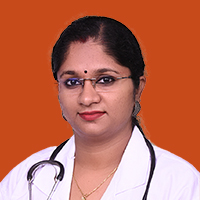
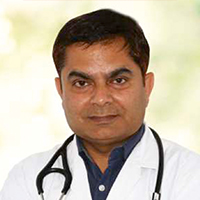
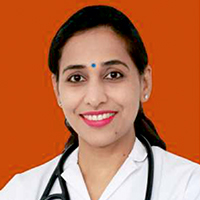
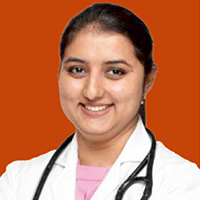
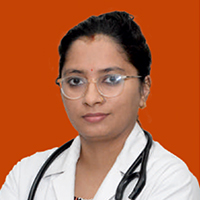
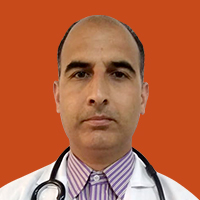
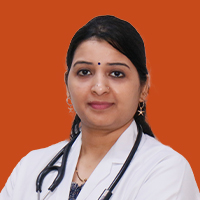
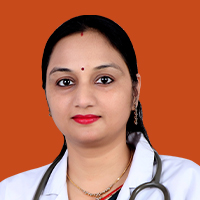
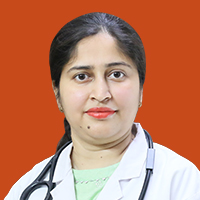
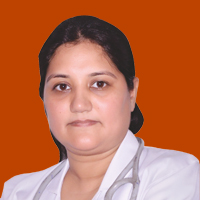
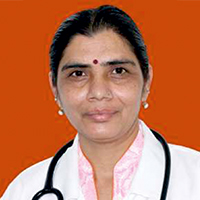
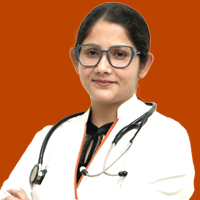
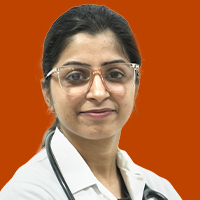
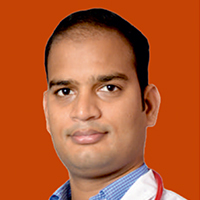
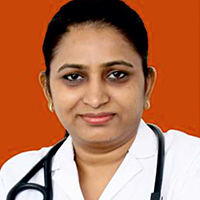
Consult Experienced Ayurveda Doctors for Fatty Liver and Obesity


Our Happy Patients
-
 Sunita Malik - Knee Pain
 -
 Abhishek Mal - Diabetes
 -
 Vidit Aggarwal - Psoriasis
 -
 Shanti - Sleeping Disorder
 -
 Ranjana - Arthritis
 -
 Jyoti - Migraine
 -
 Renu Lamba - Diabetes
 -
 Kamla Singh - Bulging Disc
 -
 Rajesh Kumar - Psoriasis
 -
 Dhruv Dutta - Diabetes
 -
 Atharva - Respiratory Disease
 -
 Amey - Skin Problem
 -
 Asha - Joint Problem
 -
 Sanjeeta - Joint Pain
 -
 A B Mukherjee - Acidity
 -
 Deepak Sharma - Lower Back Pain
 -
 Vyjayanti - Pcod
 -
 Sunil Singh - Thyroid
 -
 Sarla Gupta - Post Surgery Challenges
 -
 Syed Masood Ahmed - Osteoarthritis & Bp
Diagnostic Marker
Blogs
- 5 Common Causes of Infertility
- 5 Ayurvedic Home Remedies To Boost Male Infertility
- Best Ayurvedic Clinic for Infertility
- Male Infertility Treatment – Ayurvedic Ways to Boost Fertility
- इनफर्टिलिटी (बांझपन) का आयुर्वेदिक इलाज – प्राकृतिक तरीके से गर्भधारण के उपाय
- प्राकृतिक तरीके से संतान प्राप्ति – आयुर्वेदिक इलाज और परामर्श
- 6 साल लंबी Infertility की लड़ाई और हर उम्मीद टूट चुकी थी—आयुर्वेद ने कैसे दिखाई नई रोशनी?
- Why Your Periods Suddenly Stop for 2–3 Months?
- Why Couples Fail to Conceive Even With Normal Reports
- Why Irregular Sleep Can Affect Fertility?
Home Remedies
Related Disease
- Ayurvedic Treatment for Infertility
- Ayurvedic Treatment for Frigidity
- Ayurvedic Treatment for Leucorrhoea
- Ayurvedic Treatment for Menopause
- Ayurvedic Treatment for Adenomyosis
- Ayurvedic Treatment for Endometriosis
- Ayurvedic Treatment for Dysmenorrhea
- Ayurvedic Treatment for PCOS
- Ayurvedic Treatment for Vaginal Infection
- Ayurvedic Treatment For Vaginal Yeast Infection
- Ayurvedic Treatment for Hematuria
- Ayurvedic Treatment for Epididymitis
- Get Ayurvedic Treatment For Uterine Fibroids
- Ayurvedic Treatment for Hirsutism
- Get Ayurvedic Treatment for Menorrhagia
- Get Ayurvedic Treatment for Amenorrhea
Latest Blogs
- Feeling Cold in an Air-Conditioned Office but Warm Outside: What the Body Is Adjusting To
- Do You Really Need A Protein Shake on A Non-Workout Day?
- Is Eating Only ‘Clean Food’ Making Your Diet Less Flexible?
- Air Fried Is Not Automatically Healthy: What Still Matters
- Why Remote Work Can Blur Hunger, Break and Sleep Cues
- Why Fast City Life Can Make You Feel Busy but Physically Underactive
- The Hidden Cost of Eating Lunch at Your Desk Every Day
- Air fryer में बना हर खाना healthy होता है—क्या यह सच है?
- बारिश में जूते देर तक गीले रहने से पैरों की skin क्यों परेशान होने लगती है?
- वीकेंड पर meal timing पूरी तरह बदलना सोमवार को पेट क्यों बिगाड़ सकता है?
- Why Your Energy Drops After Long Hours of Concentration
- Why Your Mouth Feels Dry Every Morning
- बच्चों का breakfast बहुत मीठा हो तो school-time hunger पर क्या असर पड़ सकता है?
- Monsoon Mornings: Why Appetite Can Be Low but Evening Cravings High
- Why Monday Digestion Can Feel Different After a Weekend Routine
- बच्चे खाना खाते समय screen देखें तो fullness signal क्यों miss कर सकते हैं?
- गुड़ और चीनी में से ‘healthy sugar’ चुनना कितना meaningful है
- AC Bedrooms in Humid Weather: Comfort vs Overcooling
- रोज़ coconut water पीना हर किसी के लिए जरूरी क्यों नहीं है?
- मॉनसून में बाल जल्दी oily और scalp itchy क्यों हो सकता हैं?
Ayurvedic Doctor In Top Cities
- Ayurvedic Doctors in Bangalore
- Ayurvedic Doctors in Pune
- Ayurvedic Doctors in Delhi
- Ayurvedic Doctors in Hyderabad
- Ayurvedic Doctors in Indore
- Ayurvedic Doctors in Mumbai
- Ayurvedic Doctors in Lucknow
- Ayurvedic Doctors in Kolkata
- Ayurvedic Doctors in Patna
- Ayurvedic Doctors in Vadodara
- Ayurvedic Doctors in Ahmedabad
- Ayurvedic Doctors in Chandigarh
- Ayurvedic Doctors in Gurugaon
- Ayurvedic Doctors in Jaipur
- Ayurvedic Doctors in Kanpur
- Ayurvedic Doctors in Noida
- Ayurvedic Doctors in Ranchi
- Ayurvedic Doctors in Bhopal
- Ayurvedic Doctors in Ludhiana
- Ayurvedic Doctors in Dehradun