 Published on
07 Jul, 2026
Published on
07 Jul, 2026 Updated on 07 Jul, 2026
 5084
5084We have all been there. You sit on the living room floor to play with your children or pets, or you spend a couple of hours working out in the garden. When you finally go to stand up, your knees let out a loud, alarming crack, and a sharp, sudden ache makes you wince. You rub your lower back, steady yourself against the edge of a table, and think, "I must be getting old," or "I really overdid it yesterday."
This specific type of temporary physical protest is incredibly common. It is also one of the most brushed-off health complaints in our daily lives. We live in a world where we constantly push our bodies to the limit, and when our joints start rattling or aching, we usually just reach for a quick painkiller gel or a hot water bag and move on with our day.
But what happens when that dull ache refuses to leave? What happens when a warm bath no longer fixes the stiffness in your fingers, or your ankles feel heavy and throbbing before you have even stepped out of bed?
If we want to get to the heart of what it feels like to deal with that difficult discomfort, then we must move beyond the surface. It is important to understand the difference between normal joint wear and tear and actual arthritis, so that you do not treat them incorrectly and make your body feel even worse.
Why Joints Hurt: The Ayurvedic Engine
To understand why a joint hurts, we first have to understand how a healthy joint is supposed to work. Think of your joints as the hinges on a wooden door. To swing open and shut smoothly without squeaking, that hinge needs two things: it needs enough space to move, and it needs a steady supply of clean, thick lubricating oil.
It is believed that your joints hold the main seat of the Vata dosha (air, space, and movement) in Ayurvedic medicine. The cushioning fluid that naturally lubricates the bones so that they do not rub against each other is a particular type of Kapha dosha called Sleshaka Kapha.
When your body is perfectly balanced, this oil is thick, warm, and abundant. Your joints slide effortlessly. But when your digestive fire weakens, or your daily habits go out of rhythm, one of two things happens: either the protective oil dries up completely, or it becomes clogged with sticky, toxic waste. This is the exact moment your smooth hinges start to grind, swell, and ache.
Decoding the Pain: The Three Types of Joint Trouble
It's easy to group all the things together when your body is hurting and say it is all arthritis. However, the nature of the pain during the day is very different. Let's take a look at the three most common forms of joint pain, just briefly.
- The Passing Protest: Normal Joint Pain
- How it feels: This is a localised, dull ache that usually happens right after you have done something physically demanding. Your shoulder might ache after painting a room, or your knees might throb after a long run. The joint does not look deformed; it isn't hot to the touch, and a good night’s sleep or a couple of days of rest completely fixes it.
- What is actually happening: This is a temporary spike in Vata Dosha, often combined with a simple muscle strain. You have overworked the joint, used up its immediate lubrication, and the surrounding muscles are tight. Once you rest and hydrate, the body naturally pumps fluid back into the area, and the pain vanishes.
- The Rusted Hinge: Osteoarthritis (Sandhigata Vata)
- How it feels: This pain creeps up on you slowly over months or years. Your joints feel dry, stiff, and you hear a distinct cracking or grinding sound when you move them. The defining clue here is that the pain gets much worse the more you use the joint. By the end of a long walk, your knees are begging you to sit down. The moment you rest, the sharp pain fades into a dull hum.
- What is actually happening: In Ayurveda, this is called Sandhigata Vata. The cold, dry qualities of Vata have completely dried up your protective Sleshaka Kapha oil. The cartilage has worn away, and your bones are grinding against each other like a rusted iron wheel. It is a disease of depletion and wear-and-tear.
- The Toxic Fire: Rheumatoid Arthritis (Amavata)
- How it feels: This is a completely different beast. You wake up in the morning, and your fingers or toes feel incredibly stiff, almost like they have been frozen in blocks of ice. It can take an hour or more just to be able to close your hand into a fist. The joints are often swollen, red, and feel hot to the touch. The strangest part? The pain actually feels a little better once you start moving around and doing your chores, but it throbs violently when you sit still.
- What is actually happening: This is a classic autoimmune condition known in Ayurveda as Amavata. It starts in your stomach. When your digestive fire (Agni) is weak, it creates a sticky, toxic byproduct called Ama. This toxic waste travels through your bloodstream and settles heavily into your joints. Your body’s defense system attacks this toxic buildup, creating a massive, hot inflammatory fire in your joint lining.

Which Pain Are You Feeling Today?
Since we aren't looking at an X-ray chart right now, let us just think about your daily routine and match your symptoms to see where you stand.
If your joints only hurt after a long day of physical work and feel completely normal after a warm bath and a good night's rest, you are likely dealing with Normal Joint Pain. Your body just needs rest, hydration, and a little warmth to rebuild its natural fluids.
If you are older, or have an old sports injury, and your joints feel stiff for just ten minutes in the morning but start grinding and aching worse as the afternoon goes on, you are likely looking at Osteoarthritis. Your body is asking for deep, heavy lubrication to protect the bones from friction.
If you wake up every single morning with stiff, swollen, symmetrical joints (both wrists or both knees hurting at the same time), and you feel exhausted, heavy, and completely wiped out even without doing any physical labor, this points directly toward Rheumatoid Arthritis. Your body isn't just lacking oil; it is actively fighting an internal toxic overload.
Doctor’s Note: It’s important to keep in mind that guessing and assuming the diseases when facing severe symptoms is not a safe option. If you feel sudden or intense pain in your joints, please get a proper diagnosis from your healthcare provider.
Everyday Habits That Secretly Ruin Your Joints
Rest is essential, but so is what you feed your joints! Here are four things you may be doing that are actually making your skeletal system frictional and inflammatory:
- Eating Cold, Raw, and Gassy Foods: Munching constantly on raw salads, dry crackers, iced drinks, or heavy nightshades like cold tomatoes and potatoes. These foods instantly shoot Vata energy through the roof, drying out your joint fluids and creating internal gas that worsens pressure in your tissues.
- The Post-Workout Cold Shower: Coming inside completely hot and sweaty from a long walk or workout and jumping immediately into a freezing cold shower. This sudden temperature shock instantly freezes your muscles, constricts your blood vessels, and locks Vata into your joints.
- Suppressing Natural Urges: Holding in the urge to sneeze, pass gas, or use the restroom because you are stuck in a long work meeting. Ayurveda explicitly warns that blocking these downward physical movements backs up air pressure inside the body, which eventually settles as pain in the lower back and knees.
- Eating When You Aren't Hungry: Shoving a heavy lunch into your mouth just because the clock says it is 1:00 PM, even though your breakfast is still sitting like a rock in your stomach. This completely kills your digestive fire, turning that undigested food into the sticky Ama toxins that cause inflammatory arthritis.

Simple Daily Habits to Protect Your Hinges
It's not necessary to take a big anti-inflammatory drug daily for all knee cracks. Small changes can make a tremendous difference in how your body supports its skeletal structure.
Below are four practices that will keep your joints lubricated, warm, and moving smoothly:
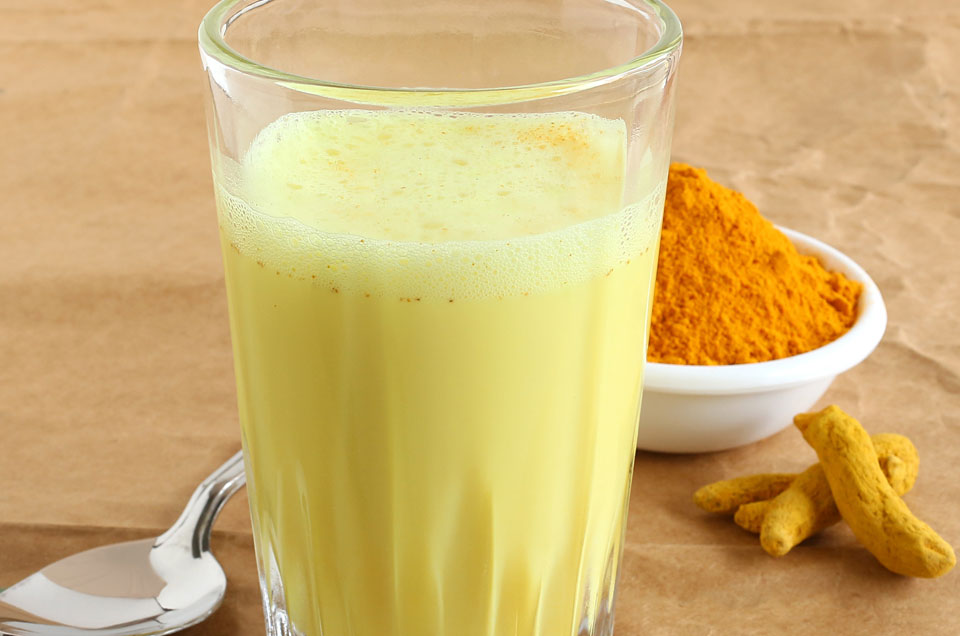
- The Golden Ginger Tea: If you suspect your pain is coming from toxic buildup, boil a few slices of fresh ginger in water and sip it throughout the morning. Ginger acts like a natural kindling for your digestive fire, actively burning up the sticky Ama before it can travel to your fingers and knees.
- The Warm Sesame Shield: For dry, cracking joints without any swelling, gently warm up some pure sesame oil and massage it into your knees and ankles before your bath. Sesame oil is heavy, warming, and deeply penetrative. It directly counters the rough, cold nature of Vata and feeds the joint tissues from the outside in.
- Switch to Grounding, Moist Meals: Feed your joints from the inside by eating warm, wet, and slightly oily foods. Think of well-cooked dals, hot stews, and vegetables prepared with a small spoonful of pure cow's ghee. Ghee is an incredible internal lubricant that directly nourishes your skeletal health.
- Gentle, Fluid Movement: Never let your joints stay stagnant for hours. Even if you have a desk job, stand up every forty-five minutes and gently rotate your wrists, ankles, and neck. Gentle, non-weight-bearing movement stimulates the body to secrete its own natural Sleshaka Kapha fluid, keeping the hinge well-oiled.
A Crucial Warning: The Oil Mistake
Natural remedies are great, but it is important to know what kind of pain you have. One grand error that all humans make daily, for which excruciating pain can result.
Never massage a hot, red, swollen joint with heavy oil.
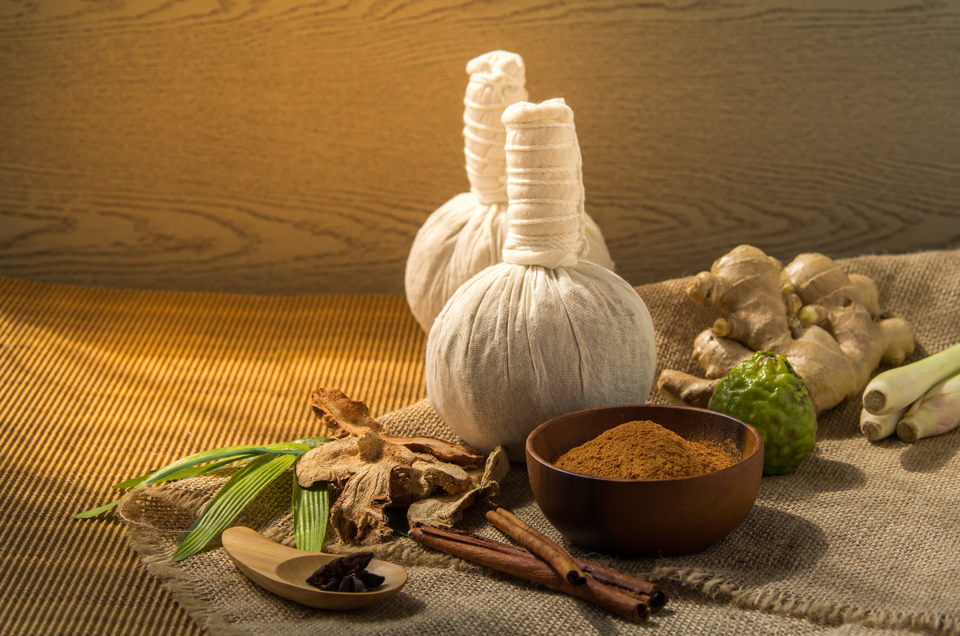
If you are dealing with Amavata (Rheumatoid Arthritis), your joint is already filled with sticky toxins and a raging inflammatory fire. Rubbing heavy oils like sesame or mustard oil onto a hot, swollen joint is exactly like throwing logs onto a raging bonfire. It blocks the pores, traps the internal heat, and will make your joint significantly more swollen and painful by the next morning. For hot, swollen joints, stick to dry heat, like a warm sandbag compress, and focus entirely on healing your digestion first.
Conclusion
Our grandmothers understood that our bodies are deeply connected to the elements around us. They didn't need complex diagnostic terms to know that a cracking knee needed a little warm oil, or that a heavy, morning stiffness meant the digestive system was clogged and needed a light diet of ginger and hot broths.
Your joints are the very structures that allow you to walk through this beautiful world, hug your loved ones, and go about your daily life. Don't ignore their cries. Listen to the cracks, pay attention to the morning stiffness, and watch how your body reacts to the food you eat.
Take care of your inner digestive fire, keep your body warm, apply lubrication when things feel dry, and let your joints move with the ease and grace they were always meant to have. Stay warm, move gently, and enjoy the beautiful freedom of a flexible life!
References:
A practical approach to joint pain in primary care - PMC
Arthritis vs. Arthralgia: What’s the Difference?
6 common types of arthritis and related conditions | Cultivating Health | UC Davis Health
Arthritis and Pain. Neurogenic origin of joint pain - PMC