
Successful Treatments
Clinics
Doctors
Blood Sugar Control: Fasting, Post-Meal, and HbA1c
 Published on 10 Sep, 2026
 Updated on 13 Oct, 2026

Explore Blood Sugar Control
- Home / Diseases & Ayurveda / Endocrine System / Ayurvedic Treatment for Diabetes: Blood Sugar Management, Diet & Lifestyle / Blood Sugar Control: Fasting, Post-Meal, and HbA1c
Managing diabetes isn't just about checking blood sugar readings; it also means understanding how blood glucose changes naturally throughout the day and how food, physical activity, sleep, stress, illness, and medicines can affect it.
This is why fasting blood sugar, post-meal blood sugar, random glucose, and HbA1c are all useful in different ways. Looking at them together can help reveal whether glucose is generally controlled, whether it rises at a particular time of day, or whether there are repeated highs and lows.
For many people with diabetes, home monitoring provides info on what's happening today,
While HbA1c provides a longer-term view, the key is to understand these numbers in context rather than worry about every individual reading.
Understand Fasting, Post-Meal, Random, and HbA1c Readings
Different diabetes tests answer different questions. Knowing what each test means can make blood sugar monitoring much more useful.
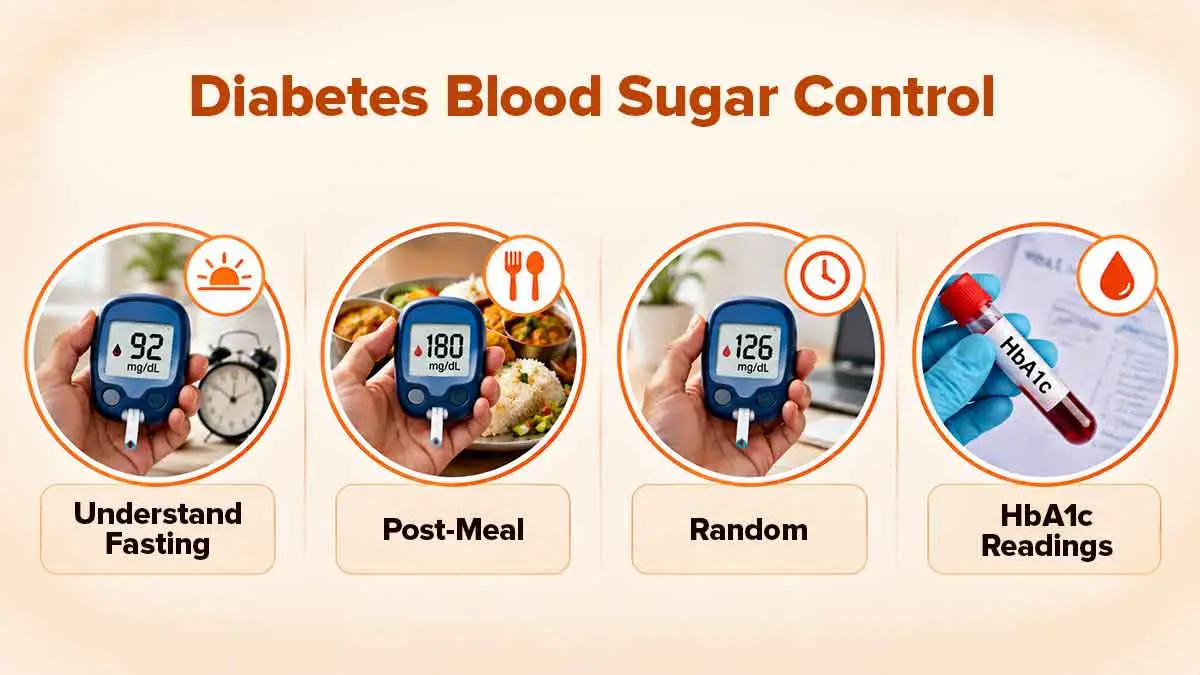
Fasting Blood Glucose
Fasting blood glucose is usually measured after eight hours without food. It is commonly checked in the morning before breakfast.
A regularly elevated fasting reading may indicate that glucose is remaining high overnight.
Many factors can contribute, including insulin resistance and late meals, stress, poor sleep, illness, and medication-related factors.
One high morning reading may not mean that diabetes is poorly controlled. Repeated readings provide more useful information.
For more about fasting blood glucose, explore our High fasting guide
Post-meal Blood Sugar
Post-meal blood sugar or glucose refers to blood sugar measured after eating. The exact timing of the test matters. For many non-pregnant adults with diabetes, a commonly used target is less than 180 mg/dL,1-2 hours after the beginning of a meal. Individual targets may differ. Post-meal testing can help show how the body responds to a particular meal, portion size, or activity pattern.
For more info on this explore our Post-Meal Guide Sugar
Random Blood Sugar
Random blood sugar can be measured at any time regardless of when a person last ate.
It can be useful when diabetes is suspected or when someone develops symptoms such as excessive thirst or frequent urination.
A random glucose value must be interpreted according to the person’s symptoms and overall clinical situation rather than being treated as a stand-alone measure of long-term diabetes control.
HbA1c Readings
This is different from the home glucose reading; it reflects average blood glucose over approximately the previous two to three months.
For many adults with diabetes, an HbA1c goal below 7% is commonly recommended, “although individualised goals may be higher or lower. It is useful because it can reveal sustained glucose elevation that home readings may miss.
However, HbA1c cannot tell you exactly when your glucose is rising or falling; this is why HbA1c and day-to-day glucose monitoring can complement each other.
For more on this kindly visit HbA1c Readings
Patterns: Consistently High, Fluctuating, And Time-Of-Day Differences
When monitoring diabetes, patterns are usually more meaningful than isolated readings.
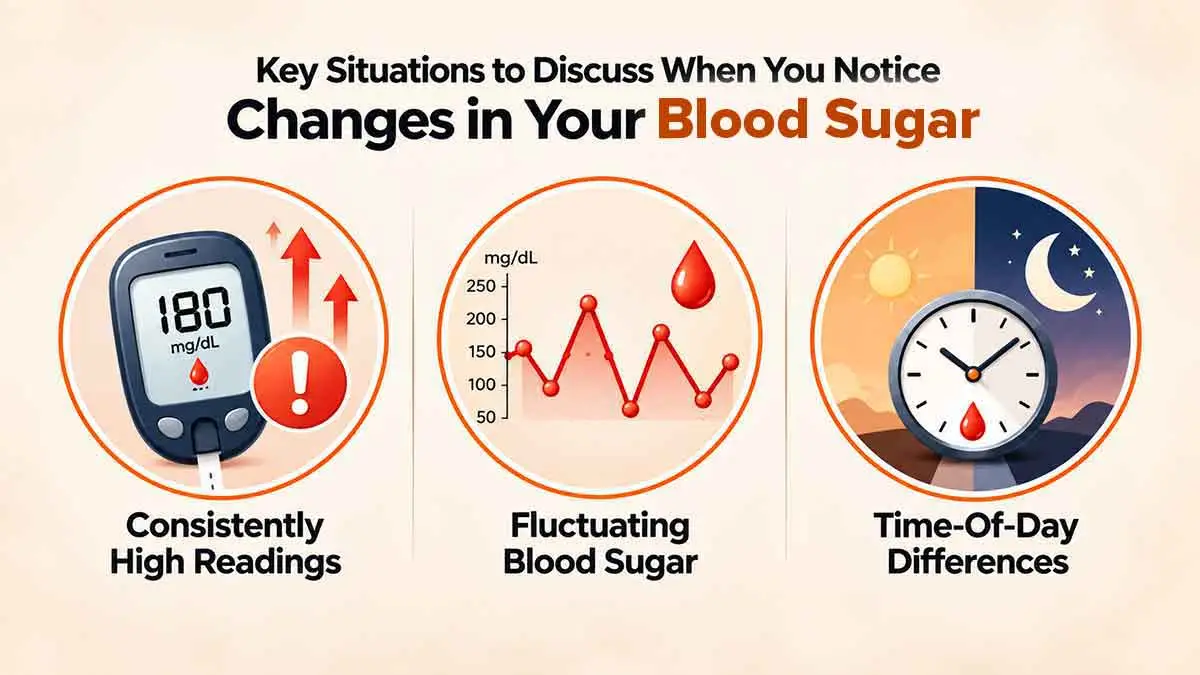
Consistently High Readings
If fasting, before-meal, and post-meal readings are repeatedly above the person's recommended range, then it may be time to review the overall diabetes-management plan.
- Possible contributors include:
- Meal composition and portion
- Reduced physical activity
- Poor sleep
- Stress
- Infection or illness
- Missed medicines
- Medication timing
The exact reason cannot be determined from a glucose meter alone. A repeated pattern should be discussed with a healthcare professional.
Fluctuating Blood Sugar
Some people experience changes between glucose readings. For example, glucose may be near the target before breakfast, rise considerably after breakfast, decrease after physical activity, and then increase again after dinner.
Time-Of-Day Differences
Blood glucose can behave differently in the morning, afternoon, and evening. Some people notice higher morning readings because of hormonal changes around waking
Why should one reading not dominate the picture?
Imagine a person records fasting readings of 140,142, and 145 mg/dL on three alternate mornings. That repeated pattern is more informative than one isolated reading of 145 mg/dL.
Similarly, an occasional post-meal rise may happen after a larger-than-usual meal.
For more click on the Blood Sugar Fluctuations
Common Food, Activity, Sleep, Stress, And Medicine-Timing Influences
Blood glucose is affected by many aspects of daily life. It is therefore misleading to think only about sugar or sweets when trying to understand glucose control.
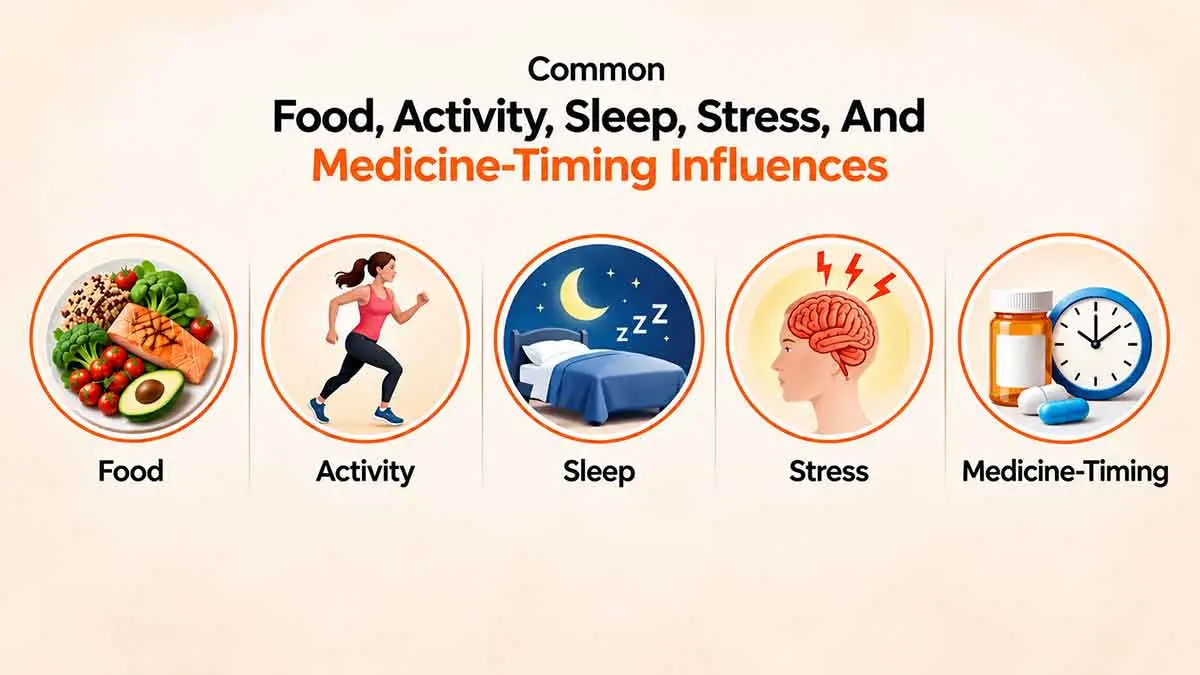
Food and Meal Composition
Carbohydrates have a major effect on blood glucose, but the response depends on the type and quality of carbohydrates and the overall meal. A meal containing refined carbohydrates and little fibre may produce a different glucose response from a meal containing vegetables, whole-food carbohydrate sources, protein, and appropriate portions.
Meal size also matters. Even foods considered healthy can contribute to a substantial glucose rise if consumed in large portions. This does not mean that everyone with diabetes needs to completely avoid carbohydrates. The focus is generally on appropriate portions, food quality, and an eating pattern that supports individual glucose goals.
Physical Activity
Physical activity allows muscles to use glucose and can improve insulin sensitivity.
Walking, cycling, swimming, aerobic activity, and strength training can all play a role in diabetes management. Even reducing long-term sitting can be useful.
However, people taking insulin or certain glucose-lowering medicines need to understand how exercise can affect their blood sugar because physical activity can sometimes contribute to hypoglycaemia.
Sleep
Sleep and glucose are both closely connected. Repeatedly getting too little sleep or having poor-quality sleep can affect hormones, hunger and insulin sensitivity. This may make glucose management more difficult.
If morning blood sugar seems consistently higher on nights with poor sleep, recording sleep alongside glucose readings may help reveal a pattern.
Stress
Both emotional and physical stress can affect blood glucose levels by causing hormonal changes in the body. Work pressure, anxiety, family concerns, pain, infections, and other forms of stress may cause blood glucose to rise even when there has been no change in food intake. When you are under stress, your body releases hormones such as cortisol and adrenaline.
High adrenaline levels can reduce insulin secretion, making it harder for your cells to take up glucose from the bloodstream. Elevated cortisol levels can also contribute to insulin resistance by reducing the ability of cells to use glucose effectively. As a result, more glucose may remain in the blood, leading to higher blood glucose levels.
Medicine-Timing Influences
Diabetes medicines work in different ways and have specific dosing. Missing doses, taking medicines later than prescribed, or changing medication without guidance can affect blood glucose; do not change your diabetes medicine or insulin simply because of one high or low reading unless you have been given a specific adjustment plan by your healthcare professional.
During illness, people with diabetes may need additional monitoring and should follow the sick day instructions provided by the healthcare team.
How To Maintain A Monitoring Log
A glucose log can transform individual readings into useful information.
A simple record might include :
Date, time, glucose, meal, activity, and medicine notes.
You do not have to record every detail indefinitely; the frequency of testing depends on the type of diabetes, treatment, and advice from your healthcare professional.
What Should You Look For?
After collecting readings, look for recurring patterns:
- Are fasting readings frequently high?
- Does glucose rise substantially after a particular meal?
- Are evening readings higher than morning readings?
- Does physical activity appear to affect glucose?
- Are high readings more common after poor sleep?
- Do readings change during illness?
A log is most useful when it contains enough context to explain what may have happened before the reading. The goal is not to become obsessed with numbers. Monitoring should help you understand your diabetes rather than increase unnecessary anxiety.
Questions To Discuss With A Doctor
If glucose readings repeatedly fall outside your recommended range, take your monitoring record to your doctor or diabetes care team.
Some of the useful questions to ask would include:
- What should my fasting glucose target be?
- What should my post-meal target be?
- What HbA1c target is appropriate for me?
- How often should I check my blood sugar?
- Should I test before or after meals?
- At what glucose level should I contact you?
Why Individual Targets Matter
There is no single blood sugar target that is perfect for every person. Targets may be adjusted depending on age, pregnancy, duration of diabetes, treatment, risk of hypoglycaemia, and other health conditions.
For this reason, general numbers found online should not be used to independently change
Medicines or insulin doses.
Red Flags And Low-Sugar Safety
Diabetes management is about preventing both high blood sugar and dangerously low blood sugar.
Low Blood Sugar
Hypoglycemia (low blood sugar) occurs when blood glucose drops below 70 mg/dL. Possible symptoms include:
- Shaking
- Sweating
- Hunger
- Fast heartbeat
- Dizziness
- Weakness
- Irritability
People taking insulin or certain glucose-lowering medicines should learn how to recognise hypoglycaemia and have a treatment plan.
Very High Blood Sugar
Very high glucose can become dangerous, especially when accompanied by symptoms such as :
- Persistent vomiting
- Dehydration
- Abdominal pain
- Difficulty in Breathing
- Severe weakness
These symptoms can occur with serious diabetes emergencies such as diabetic ketoacidosis or hyperosmolar hyperglycaemic state.
If symptoms are severe or rapidly worsening, seek urgent medical attention rather than attempting to manage the situation at home.
Ayurvedic vs Conventional Approach for Diabetes
| Aspect | Ayurvedic Approach | Conventional Approach |
| Focus | Focuses on balancing body metabolism and root causes | Focuses mainly on controlling blood sugar levels |
| Treatment Methods | Herbal medicines, diet correction, lifestyle changes, and detox therapies | Insulin, oral medicines, and regular monitoring |
| Approach to Healing | Holistic – addresses digestion, lifestyle, stress, and metabolism | Symptom-based – primarily manages glucose levels |
| Long-Term Management | Emphasises sustainable lifestyle changes and metabolic balance | Often requires lifelong medication and monitoring |
| Additional Support | Includes yoga, meditation, and personalised diet plans | Mainly medication and clinical management |
Choose A Detailed Blood-Sugar Guide
Blood sugar management can become easier to understand when individual patterns are explored separately. The following topics provide a brief starting point for understanding common glucose patterns.
High Fasting Blood Sugar
High fasting blood sugar means glucose is repeatedly elevated after the overnight fasting period, regardless of meal timing, insulin resistance, sleep, stress, or illness. Overnight glucose production and medicines may all play a role. Looking at several morning readings together is generally more useful than reacting to one unusually high result.
High Post-Meal Blood Sugar
High post-meal blood sugar means glucose rises above the person's individualised target after eating. Portion size, carbohydrate target after eating. Portion size, carb type, fibre, physical activity, stress, and medicine timing can influence this response. Recording the meal and the exact time of the glucose test can help identify repeated meal - related patterns.
High HbA1c
A high HbA1c indicates that average blood glucose has generally remained above the desired range over the previous several months. It can identify sustained glucose elevation that occasional home readings may not reveal. HbA1c is best interpreted alongside other glucose information and the person's overall diabetes management plan.
Blood Sugar Fluctuations
Blood sugar fluctuations are noticeable rises and falls in glucose across the day or between different days. Meals, exercise, medicines, sleep, stress, and illness can contribute.
Understanding when fluctuations occur and what happened beforehand can be more useful than focusing on individual numbers without context.
A Sustainable Routine May Include
- Eating balanced meals with appropriate quantity
- Choosing high fibre foods regularly
- Limiting sugary drinks and highly processed food
- Staying physically active
- Avoiding prolonged periods of sitting
- Getting adequate sleep
- Managing stress
- Monitoring glucose as recommended
- Attending regular medical checkups
No single food, herb, or lifestyle practice can guarantee normal blood sugar. Similarly, Ayurveda may provide supportive approaches involving individualised diet, activity, and daily routine, and stress management.
When To Seek Urgent Care
Most of the diabetes management happens through regular appointments, but certain symptoms require proper medical attention. Please note that you need to seek urgent medical help if a person with diabetes develops:
- Weakness and confusion
- Fainting or altered consciousness
- Vomiting
- Severe dehydration
- Very high blood glucose accompanied by concerning symptoms.
- Symptoms of severe low blood sugar that do not improve with recommended treatment.
- A serious foot wound or rapidly spreading infection.
If someone is unconscious or severely confused, do not attempt to give food or drink by mouth; seek emergency medical care.
Our Step-by-Step Care Process
When you come to Jiva Ayurveda, we want your healing journey to feel simple, personal, and completely stress-free. Here is exactly what you can expect when you start your treatment with us :
- Get In Touch: Leave your details with us or just give us a call directly on +91 9266714040.
- Book Your Slot: Meet our doctors at your convenience by visiting one of our 80+ clinics nationwide, or booking a video call for just Rs. 49 (down from 299).
- Finding the Root Cause: Our doctors assess the factors contributing to your condition, including the arthritis type, medical history, lifestyle, and Ayurvedic assessment.
- A Personalised Treatment Plan: After understanding your problem, we will make a personalised treatment plan that will be tailored just for you.
- We Stay With You: The process is not only about giving you the medicines and leaving you. We stay in touch with you to see how you are doing and adjust your treatment regimen accordingly.
Estimated Cost of Treatment for Diabetes at Jiva Ayurveda
Knowing how much your treatment will cost is important. At Jiva Ayurveda, we keep our pricing clear and upfront so you can choose the right plan for your health according to your needs.
Treatment Cost
If you are looking for regular, ongoing support, the starting cost for your medicines and doctor's consultation is usually between Rs 3000 and Rs 3500. Just keep in mind that this is just the baseline cost; the real cost may vary depending on the severity of the disease.
Protocol
For a deeper step-by-step approach, we offer specific healing packages that last for 3 to 4 months. You make a one-time payment ranging from Rs 15000 to Rs 40000 for the entire period.
The package includes:
- All medicines and doctor visits
- Hands-on physical therapy
- Customised diet plans, Yoga and meditation therapies
- Mental well-being support session
Why You Should Choose Jiva Ayurveda
Jiva Ayurveda provides customised and root-based Ayurvedic treatment that is primarily focused on providing health and wellness solutions for specific patients.
- Patient-specific treatment: Jiva’s therapy and treatments are structured by professional doctors for unique prakriti, diet, and lifestyle.
- Root-based Treatment: Jiva focuses on the specific root cause of the health condition or disease rather than focusing only on formal medicines; we focus on the internal problem.
- Authentic Ayurvedic medicines: Jiva provides authentic Ayurvedic medicines; we follow strict quality parameters to ensure safety and effectiveness.
- Protocol- based Analysis: We follow research-backed clinical methods to provide structured assistance to our patients.
- Assist 8000+ patients every single day: Jiva's doctors are specialised in a wide range of Ayurvedic healthcare, and every single day we assist more than 8000 people.
References
Find Jiva Ayurveda Clinics for Diabetes Blood Sugar Control: Fasting, Post-Meal, and HbA1c Treatment Near You
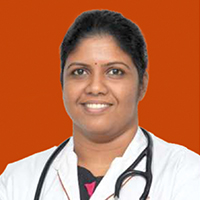
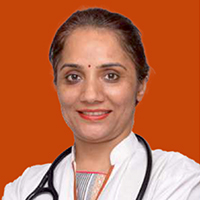
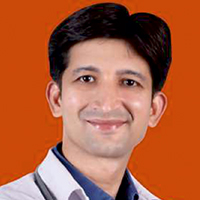
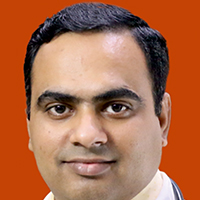
Consult Experienced Ayurveda Doctors for Diabetes Blood Sugar Control: Fasting, Post-Meal, and HbA1c















Our Happy Patients
-
 Sunita Malik - Knee Pain
 -
 Abhishek Mal - Diabetes
 -
 Vidit Aggarwal - Psoriasis
 -
 Shanti - Sleeping Disorder
 -
 Ranjana - Arthritis
 -
 Jyoti - Migraine
 -
 Renu Lamba - Diabetes
 -
 Kamla Singh - Bulging Disc
 -
 Rajesh Kumar - Psoriasis
 -
 Dhruv Dutta - Diabetes
 -
 Atharva - Respiratory Disease
 -
 Amey - Skin Problem
 -
 Asha - Joint Problem
 -
 Sanjeeta - Joint Pain
 -
 A B Mukherjee - Acidity
 -
 Deepak Sharma - Lower Back Pain
 -
 Vyjayanti - Pcod
 -
 Sunil Singh - Thyroid
 -
 Sarla Gupta - Post Surgery Challenges
 -
 Syed Masood Ahmed - Osteoarthritis & Bp
Diagnostic Marker
- CRP and Heart Disease Risk: How Ayurveda Supports Heart Health
- High CRP Levels: Ayurvedic Causes, Meaning, and Natural Treatment Approach
- ESR Levels High: What It Indicates and How Ayurveda Helps Manage Inflammation
- HS-CRP High? Ayurvedic Ways to Reduce Chronic Inflammation Naturally
- Fasting Blood Sugar vs PP Sugar
- HbA1c Levels Explained: Ayurvedic Management for Long-Term Blood Sugar Control
- High Insulin Levels and Insulin Resistance: Ayurvedic Perspective and Care
- Homocysteine Levels High: Ayurvedic Ways to Reduce Heart Disease Risk
- TSH Levels High or Low: Ayurvedic Treatment for Thyroid Imbalance
- T3, T4, and TSH Report Explained Through Ayurveda
Blogs
- This World Diabetes Day ? Pledge to Fight Diabetes at the Root
- Five Early Signs of Diabetes
- 5 Foods That You Should Never Take in Diabetes
- Home-Remedies for Diabetes
- Simple Tips to Prevent Diabetes
- Adopt Ayurveda to Deal with Type 1 and 2 Diabetes
- Food Habits that Ayurveda recommends to diabetes patients
- Do?s and Don?ts to Manage Diabetes in Ayurvedic Lifestyle
- Managing Diabetes with Ayurveda
- Early Diabetes Symptom You Should Never Ignore
Home Remedies
Related Disease
- Ayurvedic Treatment for Obesity: Health Risks, Causes and Ayurvedic Weight Management
- Ayurvedic Treatment for Thyroid: Symptoms, Causes & Management
- Ayurvedic Treatment for Diabetes: Blood Sugar Management, Diet & Lifestyle
- Ayurvedic Treatment for Type 1 Diabetes: Supportive Care Alongside Insulin Treatment
- Ayurvedic Treatment for Hypoglycemia: Preventing Low Blood Sugar & Emergency Care
- Ayurvedic Treatment for Hyperglycemia: Symptoms, Causes & Care Options
- Ayurvedic Treatment for Prediabetes: Symptoms, Causes & Management
- Ayurvedic Treatment for Diabetic Neuropathy: Symptoms, Causes & Supportive Care
- Ayurvedic Treatment for Gynecomastia: Symptoms, Causes & Management
- Ayurvedic Treatment for Hernia: Symptoms, Causes & Management
- Ayurvedic Treatment for Gangrene: Warning Signs, Causes and Urgent Treatment
- Ayurvedic Treatment for Weight Loss: Healthy Diet, Daily Habits and Ayurvedic Support
Latest Blogs
- मानसून में पेट की परेशानी बढ़ती लगती है? IBS और मौसम के संबंध को समझें
- बवासीर में सिट्ज़ बाथ कैसे करें? फायदे, सावधानियाँ और कब बचें
- बवासीर के मस्से बाहर निकलते हैं? ग्रेड 1 से 4 का मतलब समझें
- बवासीर के विज्ञापन और घरेलू “पक्के इलाज”: किन दावों से सावधान रहें?
- डिलीवरी के बाद बवासीर क्यों हो सकती है? राहत के सुरक्षित तरीके समझें
- गुदा के पास गाँठ और दर्द है? क्या हर गाँठ बवासीर होती है?
- बवासीर में मसालेदार खाना, चाय और अचार: कितना असर और कितना वहम?
- सर्दियों में बवासीर की तकलीफ़ ज़्यादा क्यों महसूस हो सकती है?
- आयुर्वेद में अर्श (बवासीर) को कैसे समझा जाता है? दिनचर्या और खान-पान की भूमिका
- बच्चों के lunchbox में ‘healthy packaged snack’ चुनते समय label क्यों जरूरी है?
- बवासीर में सर्जरी ज़रूरी है या दवाओं से राहत मिल सकती है? विकल्प समझें
- Mindful Eating Is Trending—But Ayurveda Has Long Focused on How You Eat
- घर में बार-बार Snacks सामने दिखना बच्चों और Adults दोनों की Eating को कैसे बदलता है?
- गीले बाल बांधकर सोना कितना Harmless है?
- Why Dust Builds Up Faster Around Electronics and Workstations
- The ‘Clean Home’ Myth: When Fragrance Is Mistaken for Fresh Air
- बुजुर्गों का dinner बहुत जल्दी और breakfast बहुत देर से हो तो energy पर क्या असर पड़ सकता है?
- पीरियड्स से पहले Salty Food की Craving क्यों बढ़ सकती है?
- Can Ancient Dinacharya Be Practical For A Desk-Job Lifestyle?
- Why One ‘Perfect Breakfast’ Cannot Work For Every Body
Ayurvedic Doctor In Top Cities
- Ayurvedic Doctors in Bangalore
- Ayurvedic Doctors in Pune
- Ayurvedic Doctors in Delhi
- Ayurvedic Doctors in Hyderabad
- Ayurvedic Doctors in Indore
- Ayurvedic Doctors in Mumbai
- Ayurvedic Doctors in Lucknow
- Ayurvedic Doctors in Kolkata
- Ayurvedic Doctors in Patna
- Ayurvedic Doctors in Vadodara
- Ayurvedic Doctors in Ahmedabad
- Ayurvedic Doctors in Chandigarh
- Ayurvedic Doctors in Gurugaon
- Ayurvedic Doctors in Jaipur
- Ayurvedic Doctors in Kanpur
- Ayurvedic Doctors in Noida
- Ayurvedic Doctors in Ranchi
- Ayurvedic Doctors in Bhopal
- Ayurvedic Doctors in Ludhiana
- Ayurvedic Doctors in Dehradun