 Published on
04 Jul, 2026
Published on
04 Jul, 2026 Updated on 24 Jul, 2026
 5077
5077For a lot of people, a bright, sunny summer day means going to the beach, having a picnic in the park, or relaxing in the backyard. But if your job involves construction, farming, landscaping, road paving or delivering packages, a hot sunny day is just another grueling day on the clock.
Working outside for eight, ten or twelve hours under a blazing sun is incredibly tough work. And it comes with a hidden, silent danger that sneaks up on even the strongest, most experienced workers: heat exhaustion.
Heat exhaustion happens when your body simply cannot cool itself down anymore. When you mix soaring temperatures with heavy lifting and not drinking enough water, your internal engine starts to overheat. It usually begins with tiny, quiet symptoms that are very easy to brush off as just being tired from a hard day's work.
But brushing off these warning signs is dangerous. If you ignore them, heat exhaustion can quickly spiral into heat stroke, which is a life-threatening medical emergency. Knowing exactly what to look out for in yourself and your coworkers can literally save a life.
Why Outdoor Workers Are at Such High Risk?
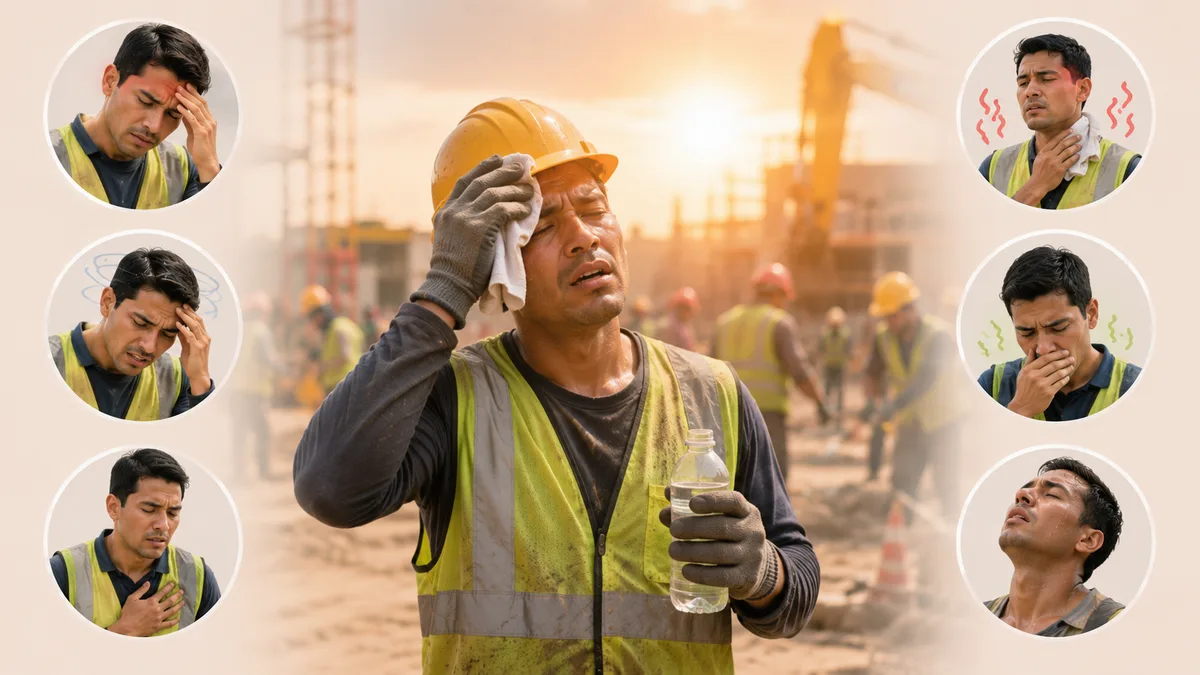
People who work outside are vulnerable to the heat. The risk is so high on the job site:
Hours of Direct Sun: If you are putting a new roof on a house, picking crops in a field or fixing potholes on the highway, you are standing in direct, beating sunlight for hours on end. The longer the sun beats down on you, the harder your body has to work to fight off the heat.
Heavy Physical Labor: Outdoor work is rarely easy. You are swinging hammers, carrying heavy bundles of shingles, digging deep trenches or pushing heavy wheelbarrows. All of that heavy muscle movement generates a massive amount of extra body heat from the inside out.
No Place to Hide: Not every job site has an air-conditioned room or trailer to sit in. Sometimes, there is not even a single tree for shade. When you have nowhere to go to cool off, the heat just keeps building up inside your body throughout the day.
The Everyday Causes of Heat Exhaustion
Why does it happen on a Tuesday, but not on a Monday? A few different factors usually combine to push your body over the edge:
- The Humidity Trap: High heat is bad but high humidity is worse. When the air is thick and sticky with humidity, the sweat on your skin cannot evaporate. Because the sweat just sits there, it cannot pull the heat away from your body.
- Falling Behind on Water: You sweat out water and important salts (electrolytes) all day. If you wait until you are dying of thirst to take a drink, you are already dehydrated.
- Heavy Safety Gear: Hard hats, thick leather gloves, steel-toed boots and bright reflective vests are necessary to keep you safe from accidents. But they act like a heavy winter coat, trapping your body heat and blocking fresh air from reaching your skin.
- Pushing Through Breaks: When a deadline is tight, it is tempting to skip your water break and just push through the pain to get the job done. That is exactly when the heat catches up with you.
The Early Warning Signs (Listen to Your Body)
Your body will always try to warn you before things get truly dangerous. Recognizing these early whispers allows you to stop the problem in its tracks.
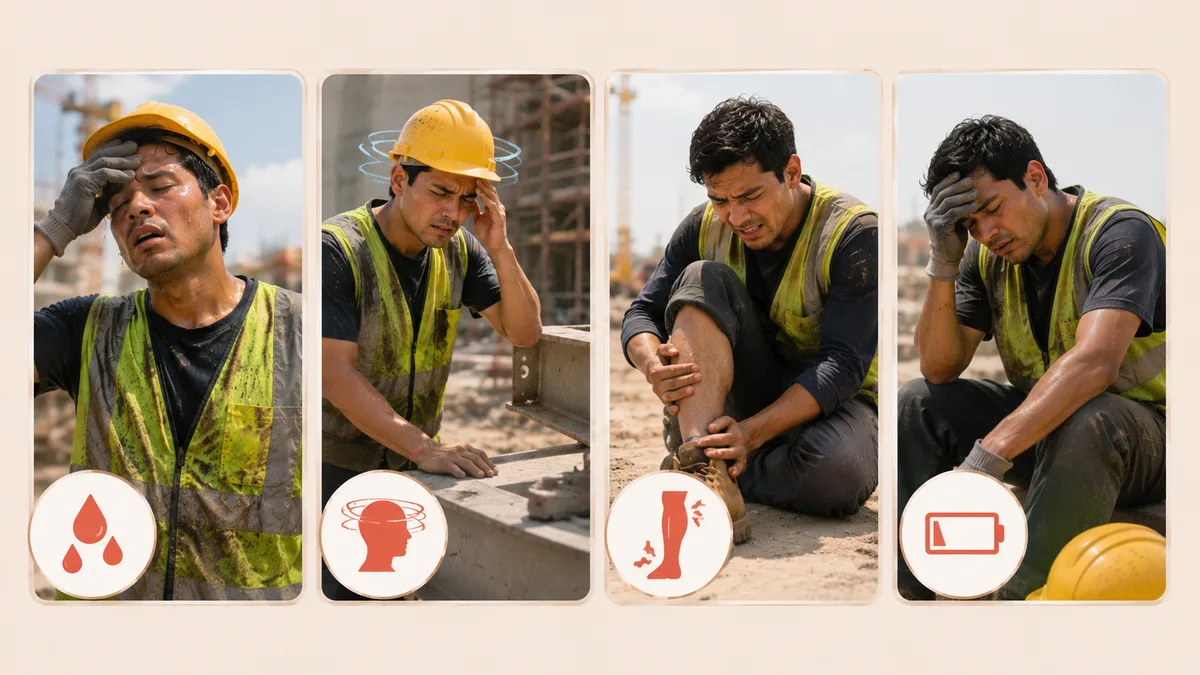
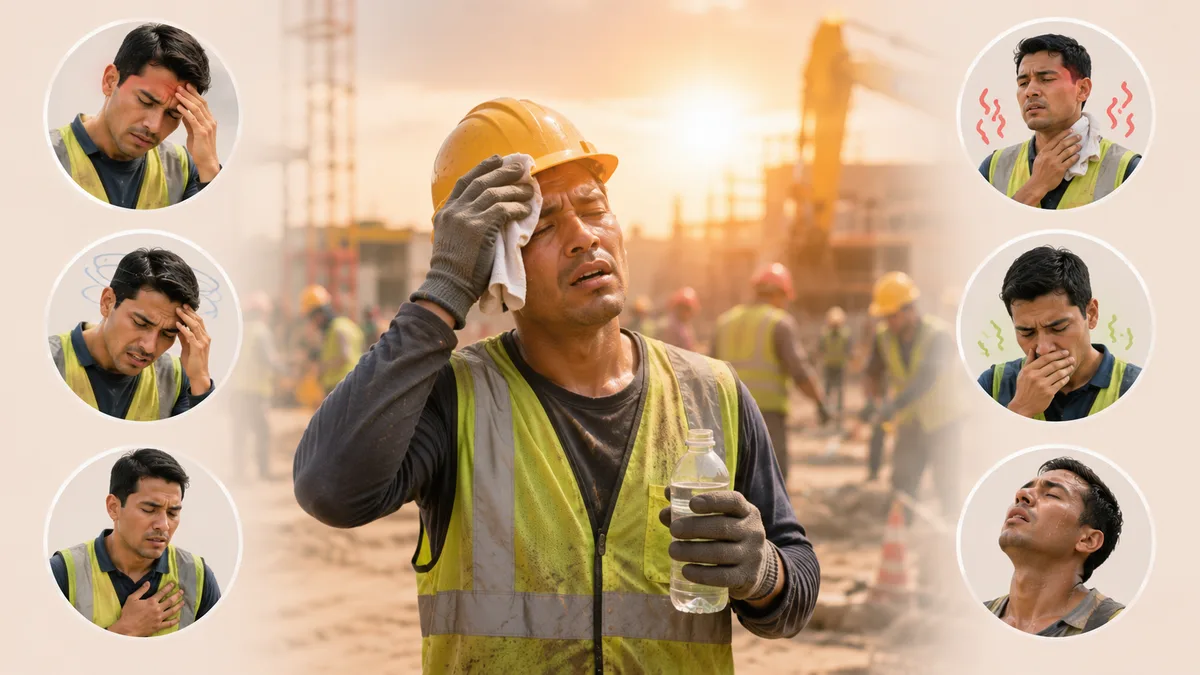
Excessive Sweating: This is usually the very first sign. You might notice that you are sweating way more than normal. Your shirt might be completely drenched and sticking to your back, even if you are just doing a moderate task.
Feeling Dizzy or Lightheaded: You might be kneeling to fix a pipe and when you stand up, the whole world spins for a few seconds. Feeling unsteady on your feet is a major sign that dehydration is messing with your blood flow.
Sudden Muscle Cramps: You might be reaching for a tool and suddenly your calf muscle or your stomach seizes up into a tight, incredibly painful knot. These cramps happen because your body is running out of the salts and fluids it needs to make your muscles work smoothly.
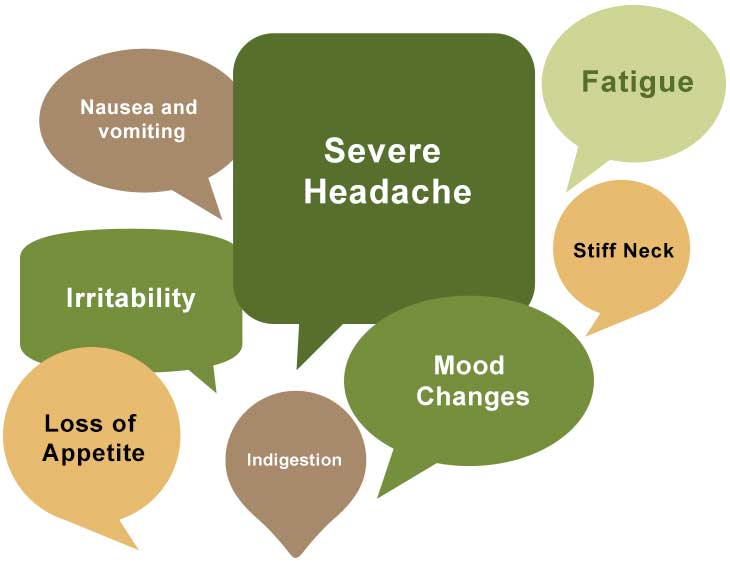
Fatigue: We all get tired at work. But heat exhaustion brings a different kind of tired. Suddenly, a tool belt that you wear every day feels like it weighs a hundred pounds. Your legs feel like lead and every single step feels like a massive struggle.
Red Flags: Symptoms That Need Immediate Action
If you ignore the early signs, your body will start waving massive red flags. If you or a coworker feels any of these, you need to stop working immediately.
- Feeling Sick to Your Stomach: You might feel deeply nauseous, or you might actually start throwing up. Your digestive system shuts down because your body is in panic mode.
- A Pounding Headache: This is not a normal headache. It is a heavy, throbbing pain in your head that gets worse when you bend over or stand up.
- A Racing Heart: You might feel your heart hammering in your chest, much faster than normal, as it desperately pumps blood to your skin, trying to cool you down.
How the Heat Hurts Your Work and Safety
Heat exhaustion does not just make you feel terrible physically; it actively makes your job site more dangerous.
When your brain feels dehydrated and overheated, your concentration drops completely. It becomes hard to remember simple instructions or measure things accurately. Your reaction times slow down drastically. If you are operating a forklift, driving a dump truck or using power tools, being slow and dizzy is a recipe for disaster. Heat fatigue causes dropped tools, tripped feet and terrible accidents that could have been avoided.
Simple, Everyday Ways to Protect Yourself
The good news is that heat exhaustion is almost always preventable if you build a few smart, easy habits into your workday.
Drink Before You Are Thirsty: Do not wait for a dry mouth. Take small sips of water all day long. If you are sweating heavily, swap out some of that plain water for a sports drink that has electrolytes to replace the salts you are losing.
Dress Smart: Whenever your safety rules allow it, wear loose, light-colored clothing made of cotton. Light colors reflect the sun and loose clothes let a breeze hit your skin to dry your sweat.
Take the Shade Breaks: There is no award for being the toughest person in the sun. When it is time for a break, get out of the direct sunlight. Find a tree, sit in a running truck with the air conditioning on or sit under a pop-up tent.
Pace Yourself: If it is the first really hot week of the summer, or if you just came back from a long vacation, do not go at 100 miles an hour on day one. Your body needs a few days to get used to the heavy heat. Work a little slower and take more breaks while your body adjusts.
First Aid: What to Do When Someone Gets Sick
If you have signs of heat exhaustion, then you can do the following things to cope with them:
- Get Out of the Sun: Move to the shade, a cool building, or an air-conditioned car immediately.
- Start Hydrating: If you are awake and can swallow normally, drink cool (not cold) water. Take it slow, small sips. Do not chug a whole bottle at once, as you might throw it up.
- Cool the Skin: Help them take off heavy tool belts, hard hats, or thick jackets. Loosen the collar of their shirt. Put cool, wet rags on the back of their neck, their forehead and under their arms. If you have a fan, point it right at them.
- Know When to Call for Help: If they do not start feeling better after 15 to 20 minutes of resting and drinking water, or if they start throwing up, get confused, or pass out, call an ambulance immediately. Do not wait.
The Bottom Line
Working outside takes a huge amount of strength, endurance and grit. But even the toughest, most hardworking person on the job site is not immune to the severe effects of extreme heat.
Heat exhaustion sneaks up quietly, starting with heavy sweat, a little dizziness and tired legs. But by learning how to handle the heat and listening to your body, you will be able to prevent it from being a disaster. Just keep hydrated, take your breaks in the shade, watch out for your fellow employees and for yourself, and never forget that no deadline is worth risking your life to beat.