 Published on
16 Jul, 2026
Published on
16 Jul, 2026 Updated on 16 Jul, 2026
 5106
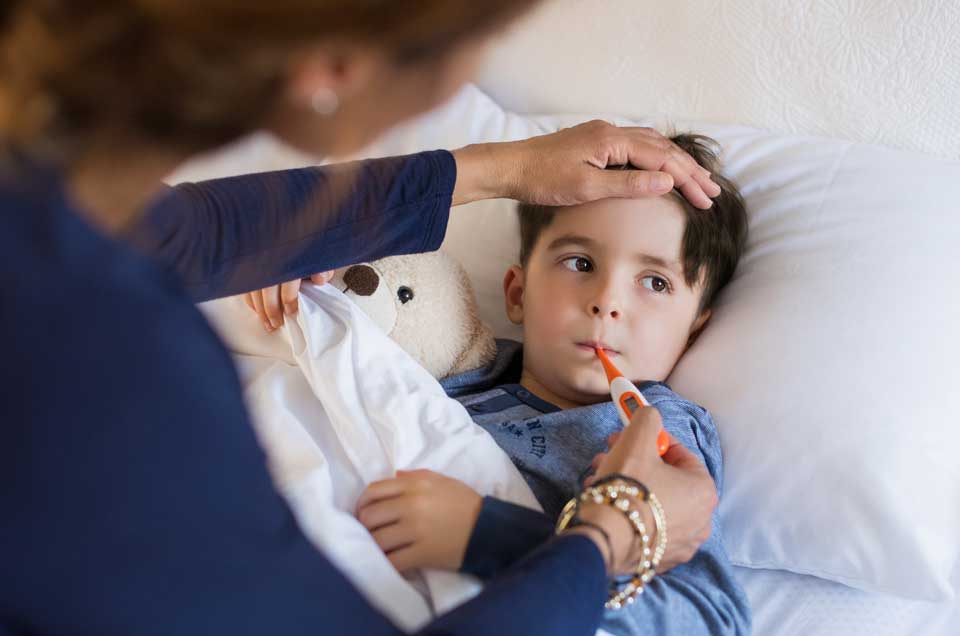
5106We are all bitten by a mosquito many times. Generally, we get an annoying itching for some time, and then it disappears the next day. But have you ever thought why you develop a sudden fever after being bitten by a mosquito? Is it just a bite or is your body trying to tell you something serious?
In many parts of the world, especially during the rainy season, a simple mosquito bite can quickly turn into dengue, malaria or chikungunya. These sicknesses always start with what feels like a normal fever. Knowing exactly when to ignore a fever and when to rush to the doctor can literally save your life. Let us understand what happens when a mosquito bites you and how to protect your family.
Why Can a Mosquito Bite Sometimes Lead to Fever?
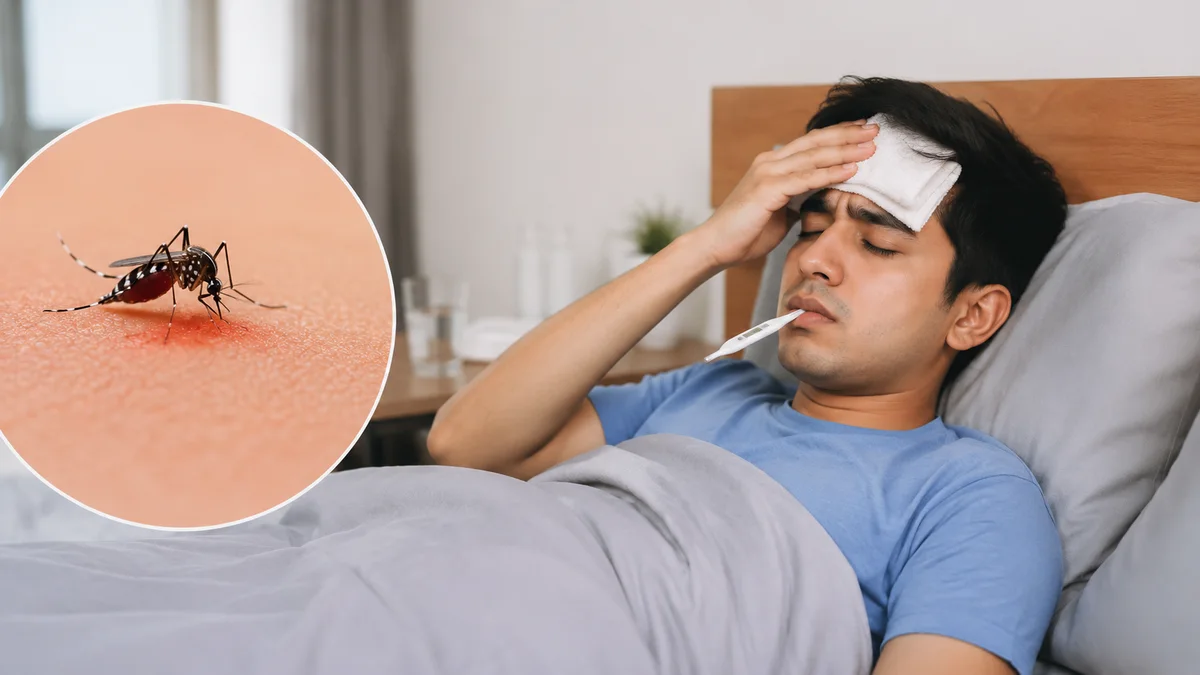
Most mosquitoes are totally harmless. When they bite you, they leave a little bit of their saliva under your skin. Your body reacts to this saliva, which is why your skin swells up and you develop itching
However, some mosquitoes carry deadly viruses or tiny parasites inside them. When an infected mosquito bites you, it pushes those germs directly into your blood. Your body does not get sick the very next minute. The germs travel through your body and multiply quietly. Once there are enough of them, your immune system finally realizes what is happening and fights back by raising your body temperature. That is when your fever starts.
Is Fever Immediately After a Mosquito Bite Normal?
A lot of people think, "A mosquito bit me this morning, and I got a fever tonight, so the mosquito caused it." Actually, this is rarely true.
Germs need time to grow inside you. This waiting time is called the incubation period.
- Dengue usually takes 4 to 10 days to show symptoms.
- Chikungunya takes about 2 to 7 days.
- Malaria can take a week or even a month to show up.
Because of this long delay, the actual mosquito bite that made you sick probably happened a week ago and you have completely forgotten about it by the time the fever hits.
Which Mosquito-Borne Diseases Commonly Cause Fever?
You can get the following mosquito-borne disease, which can cause fever in you and your family:
Dengue: It starts with a sudden, very high fever, a terrible headache, and deep pain right behind your eyes. It is often called "breakbone fever" because your muscles and joints hurt so badly that it feels like your bones are breaking.
Malaria: Malaria acts a bit differently. It causes you a sudden fever that comes up and goes down. You may start feeling cold, shiver alot and then suddenly sweat heavily as the fever drops, and the cycle keeps on coming back daily.
Chikungunya: This sickness is famous for causing extreme joint pain. While the fever might go away in a few days, the severe pain in your hands, knees, and ankles can last for weeks or even months, making it very hard to walk or work.

Early Symptoms That Should Never Be Ignored
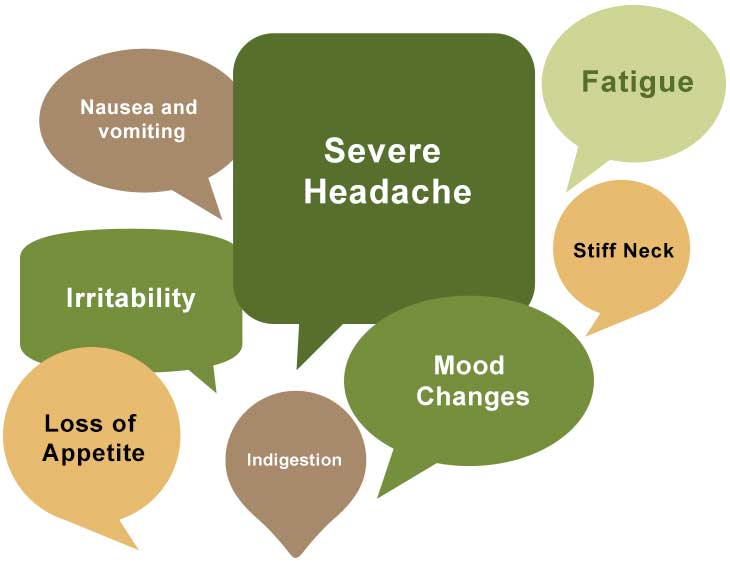
A fever is just your body’s opening warning. You must look for other signs to know how serious the sickness is. You should call a doctor if your fever is mixed with:
- A headache that refuses to go away, especially behind the eyes.
- Extreme muscle and joint pain that makes it hard to move.
- Shivering chills followed by heavy sweating.
- Red, itchy rashes spreading across your chest, back, or arms.
- Feeling completely exhausted and weak, even if you have rested all day.
If you have a fever plus any of these symptoms, do not just take a basic fever pill and wait. Get checked.
Warning Signs That Require Immediate Medical Attention
Sometimes, a mosquito-borne illness like dengue can become very dangerous very quickly. You must rush to a hospital emergency room immediately if you or someone in your family experiences:
- Throwing up constantly and not keeping any food or water down.
- Terrible, continuous pain in the stomach.
- Unusual bleeding, such as bleeding from the gums when you brush your teeth, nosebleeding, or blood in vomiting or stool.
- Struggling to breathe normally.
- Feeling heavily confused, dizzy, or fainting.
- Not passing urine for many hours (a sign of severe dehydration).
These are red-alert signs. Never wait until the morning if you see these symptoms.
Doctor’s Note
If a mosquito bite is followed by sudden high fever, severe body aches, or pain behind the eyes, suspect Dengue, Malaria, or Chikungunya. Strictly avoid Aspirin or Ibuprofen, as they can cause life-threatening bleeding. The most dangerous phase of Dengue occurs 24 to 48 hours after the fever drops. Seek emergency care immediately for severe stomach pain, persistent vomiting, unusual bleeding, or extreme lethargy.
How Doctors Diagnose Fever After a Mosquito Bite
When you visit the doctor, they will not just guess what is wrong. They will ask you if you have traveled recently or if anyone else in your neighborhood is sick.
The most important step is getting a blood test. Doctors usually check your Complete Blood Count (CBC) to see if your platelets (the cells that help your blood clot) are dropping, which is a classic sign of dengue. They will also run specific rapid tests to check exactly whether you have the dengue virus, malaria parasites, or something else.

Who Is at Higher Risk of Serious Complications?
Anyone can get bitten by a mosquito, but some people get much sicker than others. So you need to be extra careful with:
- Young children and babies: Their immune system is generally weak and they can catch a fever generally faster than adults.
- Older adults: With age, their body gets weaker, so they need more energy in order to fight such diseases, hence why they need extra care.
- Pregnant women: When a woman is pregnant, she has to take care of herself and her child, so if she gets the virus from a mosquito bite, it can also affect her baby.
- People with existing health problems: If someone already has some existing medical condition, such as diabetes, kidney issues, or heart disease, even a mild fever can be harmful for them.
What To Do If You Develop a Fever After a Mosquito Bite?
If you develop a sudden fever after a mosquito bite, then follow these simple steps to keep yourself safe:
- Drink a lot of fluid: Fever usually dries your body completely. Drink water, coconut water, fresh juices, and ORS to stay hydrated.
- Rest completely: Do not try to go to work or do heavy chores. Your body needs all its energy to fight the germs.
- Be careful with medicines: This is extremely important; never take strong painkillers like Aspirin or Ibuprofen if you think you have dengue. These medicines can thin your blood and cause internal bleeding. Stick to simple Paracetamol to lower the fever, and always ask a doctor first.

How Can You Reduce the Risk of Mosquito-Borne Diseases?
The easiest way to survive a mosquito illness is to never get bitten in the first place.
- Empty out any standing water in your house. Check flower pots, old buckets, and coolers. Mosquitoes lay their eggs in clean, still water.
- Wear light and full sleeves t-shirts and pants while going out in the evening.
- Use mosquito repellent creams or patches, especially on kids.
- Use mosquito nets over your bed while sleeping.
An Ayurvedic Perspective on Seasonal Immunity
Ayurveda believes that when the seasons change, especially during the damp, heavy monsoon, our body’s internal fire (digestion) gets very weak. When your digestion is weak, your immunity drops, making you an easy target for bugs and infections.
To keep your immunity high, Ayurveda suggests eating warm, freshly cooked, light meals. Avoid eating heavy, oily or stale food from outside. Drinking warm water boiled with a little ginger and tulsi helps you keep your stomach strong and your natural defense system ready to fight off seasonal sicknesses.
Common Myths About Mosquito Bites and Fever
Mosquito bites can give certain health relared-risks, but there are certain myths about them which are not true:
Myth: Every single mosquito carries dengue.
- Fact: No, only a specific type of mosquito (Aedes) that has bitten a sick person can spread dengue. Most mosquitoes are just annoying.
Myth: If the fever drops, the danger is over.
- Fact: In dengue, the most dangerous period actually starts after the fever goes away. This is when the blood platelets can drop dangerously low.
Myth: You only get bitten at night.
- Fact: The mosquito that spreads dengue loves to bite during the daytime, especially early morning and late afternoon.
Final Thoughts
Most of the time, a mosquito bite is just a small, itchy bump. But if that bite is followed a few days later by a sudden, high fever and heavy body pain, it is time to pay close attention.
Never ignore a persistent fever during mosquito season. Keep yourself highly hydrated, avoid strong painkillers without a doctor's advice, and watch closely for any danger signs like severe stomach pain or bleeding. By keeping your home free of standing water and getting a quick blood test when you feel sick, you can easily protect yourself and your family from serious harm.