
 Published on
21 Mar, 2026
Published on
21 Mar, 2026 Updated on 25 May, 2026
 5190
5190The endocrine system contributes significantly to regulating metabolism, reproductive well-being, and the overall pain response in the female body. Once one understands that the constant pelvic throbbing, the heavy legs, the nausea during periods, and the crippling cramps are all results of the endocrine system struggling to maintain a healthy uterine lining, one is able to fight the root causes of this pain and restore the body to normalcy. It is crucial to realize that experiencing disabling period pain with PCOD is not a sign of a low pain tolerance, but rather a biological cry for help from a body that is experiencing extreme hormonal stagnation and inflammation.
What Is PCOD-Related Period Pain?
Polycystic Ovarian Disease (PCOD) is a common lifestyle and endocrine disorder affecting women during their reproductive age. As the concentration of the hormones increases more than it should, it distorts the natural menstrual rhythm. Because women with PCOD often skip periods or have delayed cycles, the lining of the uterus (endometrium) builds up and becomes excessively thick over several months. When the body finally attempts to shed this heavy, overgrown lining, the uterus has to work incredibly hard. It produces massive amounts of prostaglandins—chemical messengers that trigger severe uterine contractions. This leaves the pelvic muscles completely starved of oxygen due to intense cramping, leading to changes that are reflected in excruciating pain, heavy bleeding, and a failure to find relief even with hot water bags.
Types of PCOD Disorders
The significant forms of PCOD play a direct role in how the body generates inflammation and experiences pain. The major types include:
- Insulin-Resistant PCOD
- Inflammatory PCOD
- Post-Pill PCOD
- Adrenal PCOD
The Effects of PCOD on Severe Period Pain
Since PCOD leads to a thickened uterine lining due to delayed periods, the uterus requires a much stronger force to shed it. The body releases prostaglandins to induce contractions. In PCOD, these chemicals are overproduced, causing the uterus to contract so violently that it cuts off its own blood supply momentarily.
Women with PCOD often go months without a period. During this time, estrogen continues to build the uterine lining without the balancing effect of progesterone to signal shedding. This leads to endometrial hyperplasia, an abnormally thick lining. When menstruation finally occurs, passing this heavy tissue causes agonizing cramps, large clots, and prolonged bleeding that leaves you overwhelmingly exhausted.
Risk Factors & Complications
Although PCOD may happen to every female of reproductive age, there are lifestyle- and biologically-related issues that increase the risk of becoming inflamed and developing severe menstrual cramps significantly.
Major Risk Factors Include:
- Sedentary Lifestyle
- High-Glycemic Diet
- Chronic Stress
- Genetic Predisposition
Potential Effects When Left Untreated:
- Chronic Pelvic Pain Syndrome
- Severe Anemia
- Endometriosis Overlap
- Infertility
How Is It Diagnosed?
Early detection of this relationship can prevent the reproductive system from becoming completely sluggish.
Modern Diagnosis Methods include:
- Pelvic Ultrasound: A medical doctor conducts an ultrasound to check for the presence of multiple small cysts in the ovaries, to measure ovarian volume, and to determine the exact thickness of the endometrial lining causing the pain.
- Hormone Testing: Checking for the presence of high Free Testosterone, Luteinizing Hormone, and Follicle-Stimulating Hormone to confirm androgen excess and the absence of ovulation.
- Comprehensive Blood Panel: Measuring levels of Fasting Insulin, Fasting Blood Sugar, HbA1c, and Lipid profiles to determine the exact extent of insulin resistance and inflammatory dysfunction causing the excessive prostaglandins.
- Thyroid Panel: Checking TSH, T3, and T4 levels, because hypothyroidism often mimics or goes hand-in-hand with PCOD, heavily contributing to irregular, painful cycles.
Ayurvedic Perspective on PCOD-Related Period Pain
Ayurveda does not consider PCOD or severe period pain in isolation but in relation to other complicated energy and metabolism processes in the human body. Ayurveda says that the cause is the improper Agni (digestive and metabolic fire). Having a weak digestive fire, the food that is consumed by us is not converted to pure energy properly. Rather, it causes the accumulation of a sticky, toxic waste known as Ama. This Ama flows throughout the body and plugs the Srotas (micro-channels), that is, the Artavavaha Srotas (channels sucking reproductive fluids and menstrual blood).
Jiva Ayurveda’s Holistic Management Strategy
The philosophy of treatment at Jiva Ayurveda transcends the suppression of the pain manifested by symptoms and goes into correcting the underlying hormonal and metabolic imbalances that initiate pain during the chronic period, heavy bleeding, and ovarian distress.
Our protocol is built upon the following clinical pillars:
- Restoration of Dosha Equilibrium: Kapha and Vata is a particularly aggrieved state that is addressed in the protocol, but it is the main cause of physical blockages, intense cases of uterine spasms, cysts, and hormonal imbalance in the body.
- Igniting Agni (Digestive Fire): The digestive fire in the body is boosted in this protocol, and it is also ensured that the nutrients taken by the body are duly absorbed and transformed into pure energy as opposed to being toxic Ama. Once the channels have been cleared, the persistent cramping experience of the pelvis is eliminated.
- Systemic Detoxification: The built-up Ama in the body is eliminated by special therapies and is similar to clearing up the reproductive and metabolic routes in the body so that the Apana Vata can flow downwards without a hitch.
- Metabolic Optimization: The powerful and effective herbal supplements are taken in this protocol to nourish the ovaries, balance the estrogen and progesterone, pre-treat the cells to insulin, and control the hormones in the body to clear off excessive prostaglandins.
- Lifestyle Optimization: This protocol provides advice on how to make changes in lifestyle and diet according to the metabolic requirements of the body, i.e., insulin resistance, pelvic blood flow, and physical endurance at certain times.
Ayurvedic Herbs for Period Pain Management and PCOD Support
At Jiva Ayurveda, we have used the following herbs to cater to the specific needs of the reproductive and metabolic systems, curing period pain naturally without relying on artificial painkillers like NSAIDs:
- Ashoka / Ashokarishta: This is the most powerful uterine tonic in Ayurveda. It specifically strengthens the uterine muscles, reduces excessive bleeding, and relieves the agonizing cramps associated with shedding a thick lining. It provides a natural, sustained relief at the cellular level while cooling pelvic inflammation.
- Shatavari: This is a powerful female tonic that works specifically to cool the body, nourish the ovaries, and balance hormones without any side effects. Balancing estrogen and progesterone, it significantly reduces the thick endometrial buildup and hormonal fatigue associated with PCOD.
- Kumari (Aloe Vera): This helps the reproductive system by gently clearing blockages in the uterine channels, improving the downward flow of Apana Vata, and drastically reducing the pelvic heat and inflammation that comes as a result of PCOD. It destroys Ama and revitalizes the entire pelvic region.
- Kanchanar Guggulu: This is an incredibly powerful formulation that helps the body scrape away stubborn Kapha blockages, reduces the size of painful ovarian cysts, and clears sluggish lymphatic drainage so the pelvic area feels lighter and less congested.
- Dashamoola: A classic combination of ten roots that is the ultimate remedy for pacifying Vata dosha. It aggressively targets deep-seated muscle spasms, relieving radiating lower back pain and severe abdominal cramps instantly.
Ayurvedic Therapies for Period Pain Management and PCOD Support
These therapies help in improving circulation and draining out lymphatic waste accumulated in the body due to imbalances in the ovaries.
- Basti: This is the introduction of medicated oils and herbal decoctions into the colon. Although this targets the lower gut, it is found to have a profound effect in balancing the Vata dosha, which regulates the downward flow of energy necessary for regular, pain-free menstruation and calms the erratic uterine spasms that cause exhaustion.
- Abhyanga (Therapeutic Oil Massage): This is a full-body and pelvic massage using warm, medicated oils. It directly pacifies aggravated Vata dosha, deeply relaxes the pelvic floor muscles, and removes the physical aches and back pain that often accompany a difficult period.
- Udvartana: This is a massage technique in which warm, coarse, and medicated herbal powders are vigorously rubbed over the entire body in a rhythmic motion. This massage soothes the nervous system, but more importantly, it creates friction that stimulates sluggish pelvic metabolism, increases blood circulation, and removes excess Kapha that makes the bleeding heavy and clotted.
- Panchakarma Detox Therapies: This is a package of detoxification techniques designed to cleanse and purify the body by ridding it of accumulated toxins in deep tissues, thus improving the efficiency of metabolism in the body and restoring a pain-free, natural cycle.
Diet Plan for PCOD Patients with Severe Period Pain
Power Foods to Prioritize
- High-Quality Plant Proteins: Lentils, mung beans, and chickpeas provide the essential amino acids for metabolic repair without spiking insulin. Protein provides long-lasting, stable energy that prevents the severe fatigue of heavy bleeding.
- Nutrient-Dense Seeds and Nuts: Flaxseeds, sesame seeds, and walnuts offer healthy omega-3 fats to support hormone production, drastically reduce inflammatory prostaglandins, and keep the uterine muscles relaxed.
- Vitalizing Greens and Fruits: Spinach, papaya, and pineapple are rich in magnesium, iron, and natural enzymes. They combat cellular fatigue, build healthy blood to prevent anemia-related tiredness, and actively help break down the thick uterine lining for an easier flow.
- Complex Whole Grains: Quinoa, oats, and brown rice for sustained, slow-release energy that keeps blood sugar entirely stable throughout the day.
- Anti-Inflammatory Aromatics: Cinnamon, turmeric, Ajwain (carom seeds), and ginger tea to naturally reduce insulin resistance, boost the digestive fire (Agni), and warm the pelvic region to melt away stubborn abdominal cramps.
Inflammatory Foods to Minimize
- Commercial Dairy: High-fat milk and cheese contain synthetic hormones that overstimulate estrogen, thicken the uterine lining even further, increase Kapha dosha, and drastically worsen period cramps in sensitive PCOD patients.
- Refined Sugars: Sweets, pastries, and sugary beverages that cause massive insulin spikes. While they give a five-minute burst of fake energy during cravings, they trigger massive inflammation that makes uterine contractions unbearable.
- Excessive Caffeine: Relying on five cups of coffee to push through period fatigue overstimulates the adrenal glands, constricts blood vessels in the uterus, and leads to worse cramps and total adrenal burnout in the long run.
- Refined Carbohydrates: White bread, pasta, and white rice, which break down immediately into sugar in the bloodstream, leading to metabolic sluggishness and physical heaviness during your cycle.
- Fried and Oily Foods: Heavy, trans-fat-laden meals that severely hinder digestion, put a massive burden on the liver, and slow down the metabolism, leading to thick, dark menstrual clots.
How We Assess PCOD Patients at Jiva Ayurveda
At Jiva Ayurveda, the process of treating the patient begins with an in-depth analysis to determine the underlying reasons for PCOD-related period pain, weight gain, and metabolic disorders.
- Evaluation of sudden intense cramps, heavy clotting, belly fat distribution, and irregular periods in the body.
- Review of reproductive health records, current painkiller reliance, hormone medications, ultrasound reports, and previous blood sugar tests.
- Evaluation of dietary habits, physical activity levels, hidden sugar intake, and daily regimens that might contribute to Kapha accumulation and low Agni.
- Evaluation of sleep patterns, emotional distress, and stress triggers that affect cortisol levels and increase the body's sensitivity to pain.
- Pulse diagnosis and analysis of the body constitution to detect the exact level of dosha imbalance and Ama (toxin) accumulation in the reproductive channels.
- Identification of underlying medical conditions, like thyroid sluggishness or anemia, that may be contributing to metabolic or ovarian discomfort and extreme cramping.
With this information, our medical team develops an individualized plan of action to restore reproductive hormone levels, clear uterine blockages, stimulate metabolism, and eliminate chronic period pain.
Our Step-by-Step Care Process
At Jiva Ayurveda, every process of the treatment is carried out in an organized and structured manner to give you the best personalized experience of Ayurvedic treatment for hormonal and digestive issues.
- Share Contact Details: After submitting your details, you can also reach out to us directly at 0129 4264323 to start the consultation process and get your metabolic issues treated.
- Appointment Confirmation: An appointment with our experienced and well-trained Ayurvedic doctors specializing in hormonal and metabolic issues is arranged for you.
You can choose to consult with our doctors in the mode that best suits you:
- Clinic: We have over 80 Jiva clinics in different cities, and you can come to the nearest clinic to consult with our doctor face-to-face.
- Video Consultation (Rs. 49): In case you are not able to locate our clinics in your city, you can also consult with our doctor online, which will be available to you at a discounted price of Rs. 49 (regular price: Rs. 299). Simply give us a call at 0129 4264323 to connect with our experts from home itself.
- Detailed Diagnosis: Our experienced doctor will consult with you to understand your PCOD issues, pain patterns, menstrual clotting, and Agni (metabolic fire) to diagnose the root cause of the problem in your body.
- Root Cause-Based Treatment Plan: A personalized plan of treatment will be prepared for you with the use of herbal medicines that will stimulate the metabolism, clear blockages naturally, and enhance the natural functioning of the ovaries.
Healing Timeline for PCOD-Related Period Pain
- First Few Weeks: Patients may start noticing a significant reduction in overall pelvic heaviness and bloating. Digestion improves, water retention decreases, and systemic inflammation begins to fade.
- 1 to 3 Months: Metabolism may gradually improve as insulin resistance is reversed. The next menstrual cycle will show lighter clotting and significantly reduced pain. Symptoms like extreme physical exhaustion and lower back throbbing improve.
- 3 to 6 Months: With consistent Ayurvedic care and lifestyle changes, patients experience a total restoration of a pain-free, healthy menstrual cycle, control over their weight, regularized periods, and enhanced overall metabolic and hormonal balance without feeling crippled by cramps.
What Results Can You Expect?
Choosing the Ayurvedic approach for PCOD-related metabolic issues focuses on long-term healing rather than relying on high-dose painkillers or synthetic birth control pills to numb the pain every month.
With a personalized treatment plan, patients may experience:
- A complete return to a natural, pain-free menstrual cycle
- Steady reduction of stubborn belly fat and pelvic congestion
- Elimination of heavy, dark blood clots during periods
- Improved insulin sensitivity and cellular nourishment
- Relief from lower back pain and nausea during periods
- Clearer skin, reduced hair fall, and enhanced overall well-being
Patient's Testimonial
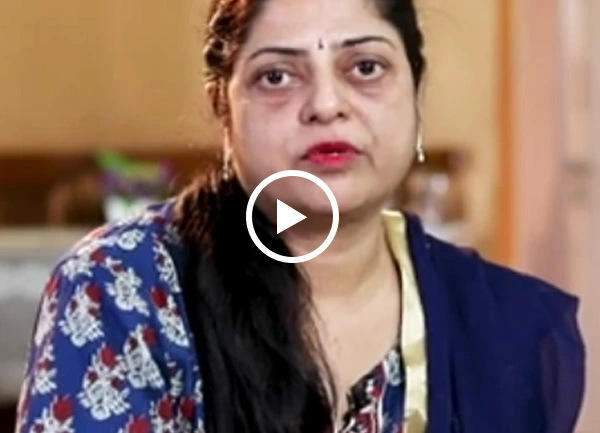
I was suffering from PCOD with symptoms such as facial hair, irregular periods & weight gain. I consulted allopathic & homeopathic doctors & had taken laser therapy for hirsutism, but all in vain. I saw a few Jiva videos on YouTube & consulted the doctor. She patiently heard my complaint & was supportive throughout my treatment procedure. I also made a few changes in my lifestyle, which contributed to healing my health condition. Thanks, Jiva Ayurveda!
Dr Khushboo Gupta
Faridabad
Estimated Cost of Treatment at Jiva Ayurveda
Understanding the financial investment required for your health is important. At Jiva Ayurveda, transparency in service costs helps patients choose the most suitable treatment option for their medical needs.
Treatment Cost
For patients seeking standard, ongoing care, the monthly cost of medicines and consultation typically ranges between Rs. 3,000 and Rs. 3,500. Please note that this is an estimated baseline, and the final cost may vary depending on the nature and severity of the patient’s condition.
Protocol
For a more comprehensive and structured treatment approach, specialized package protocols are available. These plans focus on managing symptoms while improving lifestyle habits.
The package includes:
- Medicine
- Consultation
- Mental well-being sessions
- Yoga and meditation guidance
- Diet plan
- Therapy
The cost for this protocol usually involves a one-time payment ranging from Rs. 15,000 to Rs. 40,000, covering the 3 to 4 month treatment duration.
Jivagram
For patients who require intensive and immersive care, Jivagram offers a holistic healing environment.
The program typically includes:
- Authentic Panchakarma therapies
- Sattvic meals
- Modern healing services
- Comfortable accommodation
- Various wellness and quality-of-life facilities
An immersive wellness stay at Jivagram usually costs around Rs. 1 lakh for a 7-day program, providing continuous personalized care to help reset the body and mind.
Why Patients Trust Jiva Ayurveda
Our method is centered around personalized, root cause-based treatment that works to heal the body from the inside out.
- Root Cause-Based Treatment: Our treatment strategy is to treat the root cause of the imbalance, not just the symptoms, whether they are extreme period pain, weight gain, missed periods, or other issues.
- Customized Care Plans: Our patients receive personalized care plans that are tailored to their individual Prakriti (constitution), diet, and lifestyle.
- Protocol-Based Analysis and Treatment: Our treatment protocols are evidence-based, Ayurvedic approaches to treating hormonal and metabolic imbalances.
- Authentic Medicines: Our Ayurvedic medicines are genuine and made in licensed facilities to ensure safety and efficacy.
- Proven Scale and Expertise: Our physicians have seen over 8,000 patients daily and have extensive experience in treating complex chronic diseases.
- High Success Rate: Our patients have seen significant improvements in their health, with over 90 percent reporting positive changes in their health.
- Reduced Dependency: 88 percent of our patients can stop or greatly reduce their dependency on conventional medications like heavy painkillers.
Modern vs Ayurvedic Approach for PCOD-Related Period Pain
- Focus of Treatment: The modern medical approach manages hormone levels artificially and addresses pain by recommending strong NSAIDs (painkillers) or ignoring it as a standard period symptom. The Ayurvedic approach addresses the root cause, clears Ama, removes pelvic blockages, and regulates Apana Vata to naturally eliminate pain.
- Diagnosis: Modern medicine utilizes blood tests such as Insulin, Testosterone, and Ultrasounds. Ayurveda utilizes Prakriti assessment, Nadi Pariksha, and symptom evaluation, specifically analyzing digestion and energy blockages in the reproductive channels.
- Treatment Methods: The modern medical approach uses oral contraceptives, Metformin, and heavy anti-inflammatory painkillers. The Ayurvedic approach relies on herbal medicines like Ashoka and Dashamoola, dosha balancing, and natural detoxification therapies.
- Pain Management: The modern medical approach relies heavily on the patient popping pills to numb the nervous system temporarily. The Ayurvedic approach focuses on improving Agni, Basti therapies, and spasm-relieving herbs that provide deep physical restoration to the uterus.
- Lifestyle Role: In modern medicine, lifestyle advice may support treatment. In Ayurveda, diet, daily routine, and stress management are key parts of the cure.
- Long-Term Goal: The long-term goal of the modern approach is to control symptoms and maintain artificial cycles, whereas Ayurveda aims to improve metabolism, balance doshas, rebuild physical stamina, and promote natural, pain-free menstruation and high energy levels.
When to Consult a Doctor
- You should consult a doctor if you experience:
- Severe, agonizing pelvic pain that causes you to miss work, school, or daily activities
- Passing menstrual blood clots that are larger than a quarter
- Periods that are absent for more than three consecutive months, followed by unmanageable heavy bleeding
- Severe dizzy spells, fainting, vomiting, or extreme weakness during your period
- Pelvic pain that persists even when you are not menstruating
Early diagnosis can help prevent worsening metabolic symptoms, severe anemia, and total reproductive burnout.
Conclusion
PCOD can significantly affect reproductive and metabolic health, leading to crippling period pain, thick uterine lining buildup, heavy clotting, and emotional distress. These symptoms occur because hormonal imbalances, specifically insulin resistance and lack of ovulation, force the uterus into a state of severe inflammation and violent spasms when trying to shed an overgrown lining. A holistic treatment approach that includes proper diagnosis, balanced nutrition, lifestyle changes, and personalized Ayurvedic care can help manage these symptoms effectively from the root.