Diseases Search
Close Button


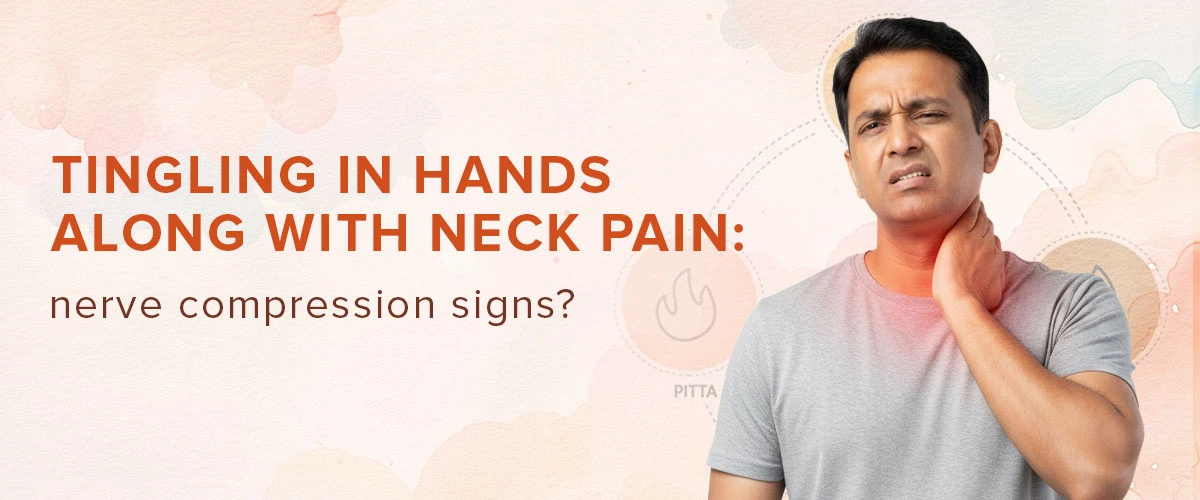
Tingling in hands along with neck pain: nerve compression signs?

Information By Dr. Keshav Chauhan
  • category-iconPublished on 13 Apr, 2026
  • category-iconUpdated on 13 Apr, 2026
  • category-iconJoint Health
  • blog-view-icon5003

The feeling of tingling in the hands may not initially cause alarm; however, when combined with prolonged neck pain, there may be something more significant going on. The tingling sensation makes it difficult to perform tasks, including typing, grasping things, or sleeping comfortably. In most instances, it implies that one has nerve compression, which, if left untreated, worsens.

What Is Nerve Compression?

Nerve compression happens when tissues surrounding a nerve press against it too hard. The excess pressure causes disruptions in the functioning of the nerve, and the result is a tingling, numbness, or pain sensation.

For neck problems, this happens because of the cervical vertebrae, through which nerves pass to the arms and hands. In cases of nerve compression, people experience tingling or pain in their hands and even fingertips. 

Types of Nerve Compression (Involving Neck Pain)

  1. Cervical Radiculopathy

Also known as a “pinched nerve”, cervical radiculopathy happens when there is compression of the nerve roots in the cervical spine. The sensation is experienced from the neck and extends to the arm.

  1. Herniated Disc

The slip or bulge of the intervertebral disc in the neck affects the adjacent nerves and causes pain.

  1. Cervical Spondylosis

Nerve compression results from the gradual deterioration of the spine due to age.

  1. Thoracic Outlet Syndrome

Nerves are compressed between the neck and shoulders, resulting in a tingling sensation and weakness in the hands.

Indicators and Symptoms of Nerve Compression

Indicators and symptoms include the following:

- Tingling sensation, commonly referred to as pins and needles feeling in the hands and fingers.

- Neck pain

- Numbness in arms and hands

- Muscle weakness such that one is unable to grip any item

- Burning or sharp pains down the arm

- Limited mobility of the neck

Causes of Nerve Compression

There are many causes of nerve compression within the cervical region of the spine:

  • Slouching posture (extended use of mobile devices/laptops)
  • Degeneration of the spine with age
  • Protruding/herniated discs
  • Spinal injury or trauma (falls, accidents)
  • Repetitive motions (sedentary occupations)
  • Excess weight on the spine
  • Tissue inflammation

Risk Factors & Complications

Risk Factors

Complications if Untreated

Sedentary lifestyle

Chronic neck and arm pain

Poor ergonomic habits

Permanent nerve damage

Aging (40+ years)

Loss of muscle strength

Repetitive neck strain

Reduced mobility

Previous spinal injury

Difficulty in daily activities

Obesity

Long-term disability in severe cases

How Is Nerve Compression Diagnosed?

Medical Diagnostic Techniques Today

Doctors normally utilise a combination of:

  • Physical Exam: Examines reflexes, muscle strength, and sensations
  • MRI (Magnetic Resonance Imaging): Helps detect problems related to disc and nerve compression
  • CT Scan: Detailed bone image
  • X-ray: Spinal structure problems detection
  • Nerve Conduction Study (NCS): Evaluates nerve functions

Ayurvedic Diagnosis

According to Ayurveda, there is usually a link between nerve compression disorder and the imbalance of Vata Dosha, doshas associated with motion and nerve function. Diagnosis includes:

  • Prakriti analysis (constitution of the body)
  • Nadi Pariksha (diagnosis by means of pulse)
  • Evaluating a person's way of life, nutrition and stress level
  • Posture evaluation

Ayurvedic Perspective on Nerve Compression

In Ayurveda, tingling in the hands with neck pain can be attributed mainly to the aggravation of Vata Dosha, which controls all activities involving motion.

Aggravation of Vata can cause dryness, rigidity, and blockage of channels (Srotas). The aggravated Vata in the cervical spine area might result in nerve compression and disruption in the natural transmission of energy and nerve impulses, causing symptoms like tingling sensations, numbness, and pain.

Root Causes from an Ayurvedic Point of View:

  • Excess Vata because of improper habits
  • Improper posture and prolonged periods of sitting
  • Impaired digestion, causing Ama accumulation
  • Degradation in age (Dhatu Kshaya)
  • High stress levels and inadequate sleep

According to Ayurvedic science, the problem is not just nerve compression but a more significant health issue affecting movements, nutrition, and nervous communication.

Treatment Protocol Followed by Jiva Ayurveda

The treatment protocol in Ayurveda involves finding and resolving the underlying reason behind the problem rather than addressing the symptoms. Important factors considered while administering Ayurvedic treatment include:

  • Individual analysis according to Prakriti
  • Pulse examination to determine the imbalance of doshas
  • Body detoxification methods to eliminate accumulated toxins
  • Tailored treatment strategy to regulate excess Vata
  • Lifestyle modifications, including proper posture and sleeping positions

Herbs for Nerve Compression in Ayurvedic Medicine

A few common herbs that promote nerve health, fight inflammation, and stabilise Vata include:

  1. Ashwagandha
  • Boosts nerve strength
  • Helps muscles become stronger
  • Treats stress-induced increase in Vata levels
  • Helpful in regaining energy
  1. Shallaki (Boswellia)
  • Has anti-inflammatory characteristics
  • Assists in reducing swelling and pain in joints and the spine
  1. Guggulu
  • Facilitates natural cleansing of the body
  • Reduces rigidity
  1. Rasna
  • Used for treating nerve and joint pain
  • Promotes mobility
  1. Erand (Castor Oil Plant)
  • Serves as a natural Vata regulator
  • Effective in providing pain relief and joint lubrication

Ayurvedic Treatments (Panchakarma-Based Treatment)

Various treatments are applied to the body externally in Ayurveda to alleviate the nerve compression condition and restore balance. So, Ayurvedic treatment for nerve compression is:- 

  1. Abhyanga (Oil Massage)

Massaging with warm herbal oils is beneficial in relaxing muscles and increasing blood circulation while calming Vata.

  1. Kati Basti/Greeva Basti
  • Retention of warm oil on the neck
  • Decreases stiffness and nerve irritation
  • Enhances cervical spine flexibility

  1. Swedana (Steam Bath with Herbal Medicines)
  • Effective in relaxing tight muscles
  • Improves blood circulation and alleviates pain

  1. Basti (Medicated Enemas)
  • One of the best remedies for treating disorders caused by Vata imbalance
  • Deep cleaning process to cleanse and nourish the nerves

  1. Nasya Treatment
  • Administration of medicinal oils into the nostrils
  • Supports cervical nerve channels and reduces head-neck tension

Diet for Nerve Compression 

Proper diet plays a key role in balancing Vata and supporting nerve healing.

Recommended Foods

Food Type

Examples

Benefit

Warm, cooked meals

Khichdi, soups, stews

Easy digestion, Vata balance

Healthy fats

Ghee, sesame oil

Nourishes nerves and tissues

Root vegetables

Carrot, sweet potato

Grounding and strengthening

Whole grains

Oats, wheat, rice

Provides steady energy

Herbal teas

Ginger, tulsi tea

Reduces inflammation

Foods to Avoid

Food Type

Examples

Reason

Cold foods

Ice cream, chilled drinks

Increase Vata imbalance

Processed foods

Chips, fast food

Increase toxins (Ama)

Excess caffeine

Coffee, energy drinks

Aggravates nerve irritation

Dry snacks

Crackers, biscuits

Increase dryness in body

Refined sugar

Sweets, bakery items

Causes inflammation

Disease Patients' Assessment Methods at Jiva Ayurveda

The cornerstone of Ayurveda is in knowing the person, not the ailment. Every individual is diagnosed via a thorough consultation process.

Steps in Assessment:

  • Comprehensive Medical History Review
  • Knowing the symptoms, e.g., neck ache, tingling, and any other related factors such as lifestyle, stress, and history of diseases.

Prakriti Assessment (Body Constitution Examination)

  • Every human being has a different body-mind type: Vata, Pitta, and Kapha. Identification aids in the customisation of treatment methods.

Nadi Pariksha (Pulse Assessment)

  • A traditional diagnostic tool for identifying dosha imbalance within the body.

Lifestyle and Dietary Assessment

  • Assessment of posture practices, work schedule, sleeping schedule, and dietary factors exacerbating symptoms.

Symptoms Mapping

  • Mapping of how pain or tingling sensations spread, as well as factors triggering them, whether movement, posture, or sitting still.

Our Step-by-Step Patient Care Process:

Expect a Call: Submit your contact details, or you can also call us on 0129 4264323. 

Appointment Confirmation

  • You can schedule an appointment and visit us at our clinic for a consultation with our Ayurvedic experts. 
  • If you are unable to find our clinics near you, you can also schedule an online consultation on  0129 4264323 at a discounted price of Rs. 49 (regular price Rs299) and avail guidance from our doctors at home. 

Detailed Diagnosis

Jiva doctor will perform a thorough and detailed diagnosis to identify the root cause of your health problem.

Root-cause Based Treatment

Jiva doctor will recommend a personalised treatment using highly-effective, natural, and Ayurvedic medicines to address symptoms and the root cause.

Timeline for Healing

The time it takes to heal can depend on various factors such as severity, age, and lifestyle issues.

  • For mild cases: 2 to 4 weeks (decrease in tingling and stiffness)
  • For moderate cases: 1 to 3 months (improved range of motion and decreased pain)
  • For chronic cases: 3 to 6 months or even longer (progressive nerve restoration and stabilisation)

It is expected that treatment during the early stages yields quicker and better results.

What Should You Expect?

In Ayurveda, there is no emphasis on quick but temporary relief, but on long-term healing.

Expected outcomes include:

  • Decreased tingling sensation in your hands
  • Less stiffness in your neck and pain radiation
  • Increased grip strength and hand dexterity
  • Better posture and flexibility of your spine
  • Minimal use of pain medications (most cases)
  • Improved sleep quality and overall comfort

Estimated Cost of Treatment at Jiva Ayurveda

Understanding the financial investment required for your health is important. At Jiva Ayurveda, we make sure of transparency in our service costs, which allows you to choose the most suitable option for your medical needs.

Treatment Cost

For patients who seek standard, ongoing care, the Monthly Cost of Medicine and consultation typically ranges from Rs. 3,000 to Rs. 3,500. Please note that this is an estimated baseline. The final cost depends on the exact nature and severity of the patient's condition.

Protocol

For a more comprehensive, structured approach, we offer specialised package protocols. These plans are designed to address both physical symptoms and the overall lifestyle correction. The package includes:

The cost for this protocol involves a one-time payment ranging from Rs. 15,000 to Rs. 40,000, which covers the full 3 to 4-month duration of the treatment.

Jivagram

For patients requiring intensive and immersive care, our Jivagram centres offer the ultimate healing experience. Jivagram is a holistic sanctuary set in a peaceful, eco-friendly environment, and it provides:

  • Authentic Panchakarma therapies
  • Sattvic meals
  • Modern healing services
  • Comfortable accommodation
  • Many more quality-of-life facilities

An immersive wellness stay at Jivagram costs around 1 Lakh for a 7-day duration, ensuring continuous personalised care to help reset your body and mind.

Why Patients Trust Jiva Ayurveda

Over the years, Jiva Ayurveda has gained the trust of thousands of patients who are seeking natural and personalised healthcare solutions. Some of the key reasons for patients’ trust in Jiva Ayurveda:

  • Root-Cause Based Treatment

Unlike conventional treatments that address only the symptoms of disease, Ayurvedic treatment focuses on treating the root causes and correcting the underlying imbalances in the body that lead to disease.

  • Experienced Ayurvedic Doctors

Jiva Ayurveda boasts of having a huge team of experienced Ayurvedic doctors who thoroughly examine each patient’s condition before recommending treatment for diseases.

  • Personalised “Ayunique” Treatment Approach

Ayurvedic treatment is highly personalised and customised according to each individual’s prakriti and lifestyle.

  • Holistic Healing

Ayurvedic treatment is not limited to medicines; it also includes dietary and lifestyle modifications, breathing techniques, and stress management to support overall healing of the body and mind.

  • Trusted by Patients Across India

A huge percentage of patients have shown improvement in their conditions after adopting Jiva’s treatment plans and recommendations for diseases. This shows how much people trust Jiva Ayurveda for Ayurvedic treatment.

  • 95% of patients saw significant improvement within 3 months of treatment.
  • 88% of patients stopped allopathic medicines completely.

  • 8000+ patients are consulted every day
  • 1.5 million+ satisfied patients worldwide
  • 30+ years of Ayurvedic expertise
  • 80+ clinics across India

Modern Treatment vs Ayurvedic Treatment for Nerve Compression

Aspect

Modern Treatment Approach

Ayurvedic Treatment Approach

Focus

Symptom relief (pain, tingling, inflammation)

Root-cause correction (Vata imbalance, nerve nourishment)

Diagnosis

MRI, CT scan, nerve conduction tests

Prakriti analysis, Nadi Pariksha, symptom mapping

Treatment Methods

Painkillers, muscle relaxants, physiotherapy, and surgery (in severe cases)

Herbal medicines, Panchakarma therapies, oil treatments, lifestyle correction

Speed of Relief

Fast symptom relief

Gradual but long-term improvement

Side Effects

Possible dependency on painkillers or surgical risks

Generally natural and well-tolerated when properly prescribed

Long-Term Outcome

May require ongoing management

Focus on prevention and recurrence control

Approach Style

Condition-centered

Patient-centred (holistic healing)

When should one visit a doctor?

Prolonged tingling sensation in the hands along with neck pain is something that must not be disregarded. Visit the doctor if you are having:

  • Persistent tingling or numbness beyond 1-2 weeks
  • Weakness in the hands and inability to grip objects
  • Pain extending from the neck region into the arm or fingertips
  • Coordination problems, such as losing grip on things
  • Neck stiffness with limitation of motion
  • Progressively worsening symptoms

Timely intervention can help prevent any permanent damage to nerves.

Consultation & Contact Information for Jiva Ayurveda (CTA)

For those dealing with neck pain or nerve compression and are looking for treatment advice, you can consult Ayurvedic doctors from Jiva Ayurveda.

Contact Jiva Ayurveda:

 Call:0129-4264323

 Website: https://www.jiva.com/ 

 Online Consultation: Available across India

Conclusion

Numbness in the hands coupled with pain in the neck area is not a problem that just goes away on its own and is often a result of nerve compression. It is fully treatable, provided you have detected it at an early stage. Taking care of it through a balanced combination of diagnosis and root-cause healing offered by Ayurveda will produce the desired effect.

Ignoring it might allow things to go too far, whereas paying attention to symptoms can help you recover fully.

Top Ayurveda Doctors

Social Timeline

Our Happy Patients

  • Sunita Malik - Knee Pain
  • Abhishek Mal - Diabetes
  • Vidit Aggarwal - Psoriasis
  • Shanti - Sleeping Disorder
  • Ranjana - Arthritis
  • Jyoti - Migraine
  • Renu Lamba - Diabetes
  • Kamla Singh - Bulging Disc
  • Rajesh Kumar - Psoriasis
  • Dhruv Dutta - Diabetes
  • Atharva - Respiratory Disease
  • Amey - Skin Problem
  • Asha - Joint Problem
  • Sanjeeta - Joint Pain
  • A B Mukherjee - Acidity
  • Deepak Sharma - Lower Back Pain
  • Vyjayanti - Pcod
  • Sunil Singh - Thyroid
  • Sarla Gupta - Post Surgery Challenges
  • Syed Masood Ahmed - Osteoarthritis & Bp
Book Free Consultation Call Us