 Published on
17 Aug, 2026
Published on
17 Aug, 2026 Updated on 17 Aug, 2026
 5063
5063We all have very busy lives, where even eating food is quite a big task for us. We have time for everything but not to eat food peacefully. When you finish a meal in just a few minutes, you don't give your stomach and brain enough time to talk to each other. Because of this fast pace, you can easily finish a completely normal portion of food long before your body even realizes you ate anything. This is why the speed of your eating really matters. A good meal is not just about how much food is on your plate; it is also about how your body and brain actually experience that food.
What Happens When You Eat Too Quickly?
Fast eating can affect your body differently. If you don’t eat your food properly, then it can impact your body in the following ways:
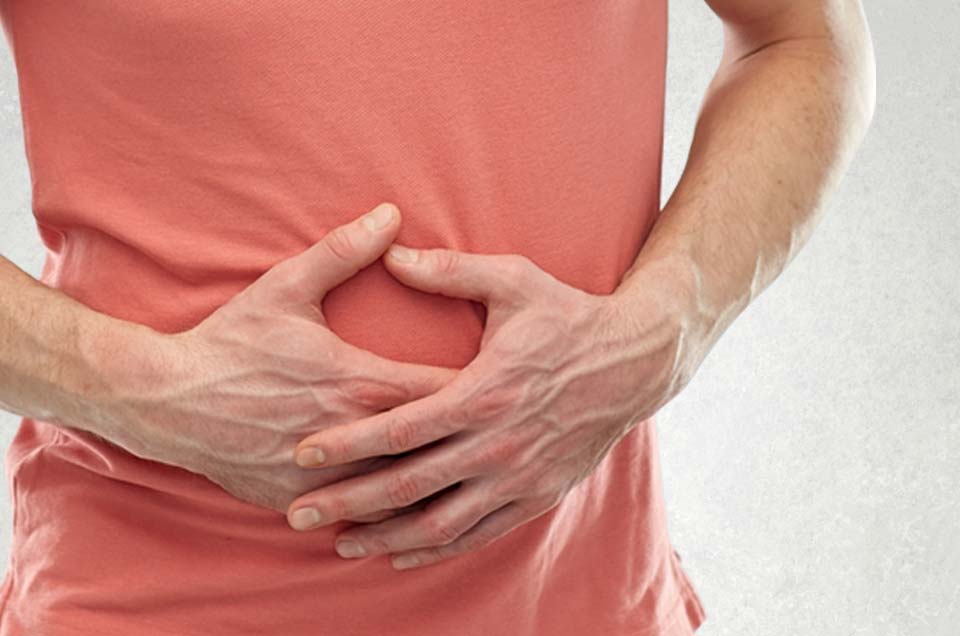
- Digestive Issues: Fast eating can give you a lot of stomach discomfort such as acidity, gas, bloating, and indigestion. Because when a person doesn’t chew their food properly, a lot of thick particles go into the stomach, which takes a lot of time to process, resulting in digestive issues.
- Overeating: This is another thing that can happen due to fast eating. As your brain and gut are connected, the brain will no longer be able to feel satisfied, resulting in eating more as the person won't be able to satisfy both the gut and brain on time.
- Weight gain and metabolic issues: Fast eating usually leads to the consumption of more calories by a person; due to this, a person tends to gain weight and can also have metabolic issues in their body.
- Less Nutrient Absorption: We eat food to get nutrients from it, but when we eat too quickly, the nutrients from the food are not absorbed properly, which only means that you are eating food only to satisfy your hunger.
The Brain & Gut Connection
As you eat, your stomach starts to stretch. Then, the food moves down into your digestive system, sending tiny signals up to your brain. All of this takes time. If you eat your food slowly, your body gets the time it needs to process these signals while you are still eating. But if you eat fast, you can easily swallow way too much food before your brain ever gets the "I am full" message. This creates a really confusing feeling: your physical stomach might be stuffed, but your brain still feels completely unsatisfied.
How Does Ayurveda Understand This?
In Ayurveda, food is the ultimate medicine to fight any type of disease. But when we don’t do mindful eating, then it can affect our body in several ways:
- Imbalance in doshas: Our body has three doshas: Vata, Pitta, and Kapha, which are the core controllers of the body. If they get imbalanced, it may result in certain health risks. Not eating carefully can cause disruption in them, which can cause imbalance in the body as well.
- Digestive fire gets weaker: We have a fire in our stomach that keeps on burning and helps in digesting the food properly. When we eat too quickly, it gets slowed down and is not able to process the food properly.
- Accumulation of ama: When our digestive fire gets weaker, our food is not able to be digested properly; that undugested foods keeps in the stomach for days and starts to rot, and converts into a toxic waste, known as Ama. This toxic residue later on sticks in other body parts, which results in dysfunction of those body parts.
In Ayurveda, it is suggested to eat food properly without rushing so that it can be digested properly and your body can get all the nutrients from it.
Doctor’s Note
Eating fast often leaves you feeling unsatisfied because your brain needs time to register that your stomach is full. However, if you constantly feel starving no matter how much you eat, or if you find yourself losing weight despite eating large meals, check with your doctor.
Simple Habits for Better Absorption & Consumption of Food
Try to add these simple habits to your day-to-day life to improve your digestion and get all the necessary nutrients:
- Chew your food properly and don’t rush; give time and eat properly without any distraction.
- Stay away from screens and don't watch TV while eating your food. Give full attention to your meal only.
- To keep your meals pleasant and not rushed, set a meal timer (20 to 30 minutes).
- Keep a check on the portion of your meal; do not add everything unnecessarily to your plate. Try to control your portion mindfully.
- Do not force yourself to eat; if you feel completely satisfied, then stop eating.
- Before eating anything, pause and ask yourself: are you really hungry or just eating out of pure boredom?
- Keep on checking yourself in between meals to see how much you have eaten so that you don’t end up overeating.
Why Slow Eating Is Better For Digestive Health?
Eating slowly can help in the breakdown of your food by you and then your stomach properly. It allows your body to process the food more efficiently. Overeating can overload your stomach, which can result in indigestion, bloating, and other digestion-related problems. Chewing your food properly and also noticing your body's signals can help improve nutrient absorption, help you maintain a healthy weight, and reduce discomfort. For better digestive health, it is suggested to eat your food slowly and mindfully so that you can avoid any sort of disease in the future.
Lifestyle Habits That Help In Better Digestion
Our daily routine and habits play a very important role in maintaining better digestion and in the absorption of nutrients from the food we eat:
- Eat clean: Avoid refined, processed junk food. Add more fibre and protein to your plate, as it will help keep the digestive system more efficient.
- Don’t lie down after eating: Avoid going to bed straight after eating, as it can cause stomach discomfort and result in bloating.
- Go for a daily walk: Take 10-15 minutes of walk after having your meal, as it will help in processing the food more efficiently.
- Exercise daily: Moving your body daily is very important. Do 30-35 minutes of workout daily so that your body and mind stay active.
- Stay hydrated: Keep yourself hydrated; drink water throughout the day to keep the water level in check.
- Reduce stress: Don’t take too much stress; do meditation and breathing exercises for better mind-well being.
- Sleep properly: Take 7-8 hours of sleep daily. Poor sleep can affect both mind and body negatively, so it is suggested to take 7-8 hours of sleep daily for better balance.
Putting It All Together
The way you eat your food plays a very important role in the absorption of nutrients and maintenance of healthy digestive health. If one eats their food too quickly, then it can lead to certain digestive issues such as gas, bloating, and indigestion. By slowing down the speed, chewing properly, staying away from distraction, controlling portions, and not forcing yourself to eat, you can help achieve the goal.
Clean eating, not sleeping straight after having a meal, walking for 10-15 minutes, exercising daily, drinking enough water, reducing stress, and sleeping properly can also help in better digestive health.
References
Mindful eating: what we know so far - PubMed
Mindful Eating: The Art of Presence While You Eat - PMC
Slow Down: Behavioural and Physiological Effects of Reducing Eating Rate - PMC