 Published on
25 Jun, 2026
Published on
25 Jun, 2026 Updated on 25 Jun, 2026
 5097
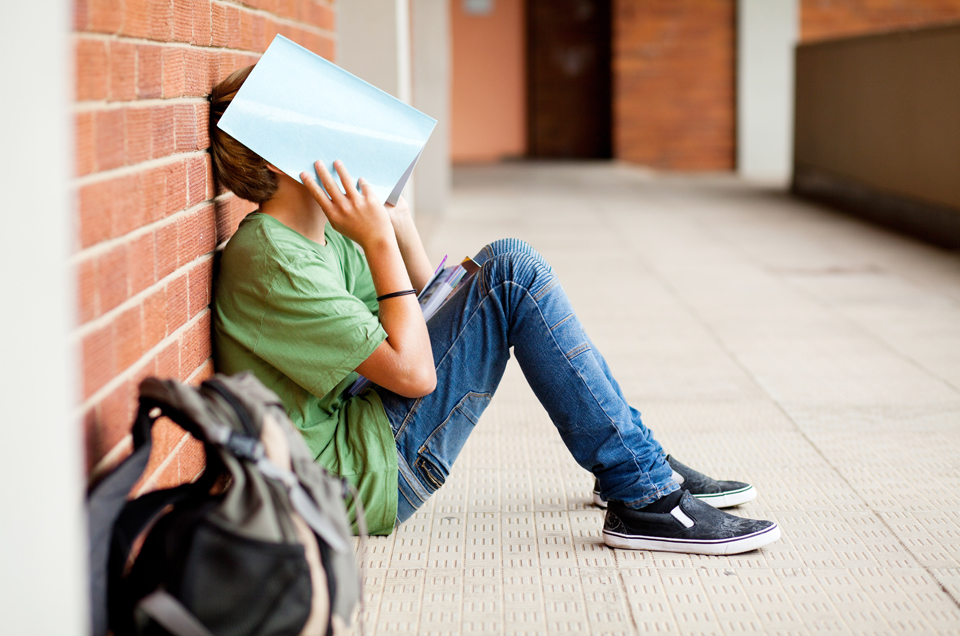
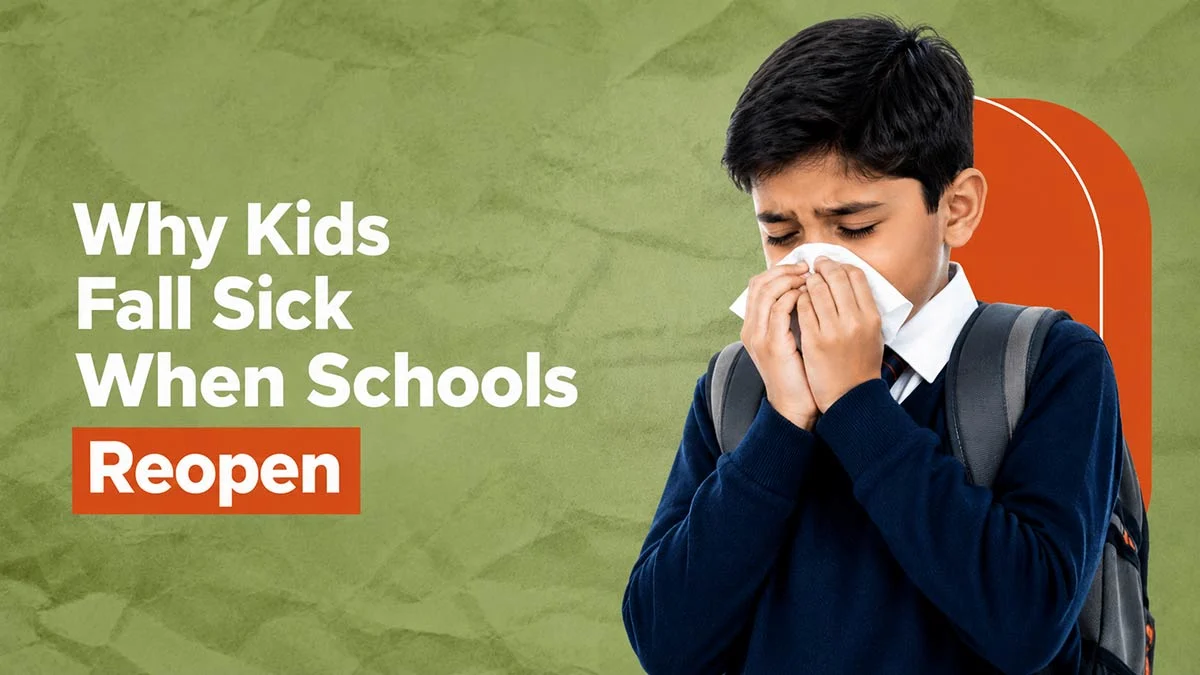
5097Every single year, without fail, the same thing happens. Schools reopen after a long break. Parents breathe a sigh of relief. Bags are packed, uniforms are ironed, tiffin boxes are ready. And then within two weeks, half the class is down with a cold, a fever or a stomach bug.
If you're a parent, you already know this pattern too well. Your child was perfectly fine all through the holidays. Ate well, slept well, ran around the house driving you slightly crazy. And then school started and boom. Runny nose, sore throat, mild fever. The works.
You're not imagining it. It really does happen this way. And there are actual reasons for it.
So Why Does This Keep Happening?
Let's be honest. Schools are basically a petri dish of germs. Not in a scary way, just in a very real, very logical way.
You've got hundreds of children coming from different homes, different neighbourhoods, different hygiene habits, all packed into classrooms, sharing benches, water bottles, pencils and lunch boxes. Any virus or bacteria one child is carrying gets a first class ticket to spread through the entire group within days.
And after a long holiday break, children's immune systems haven't been exposed to these school specific germs in months. They've essentially forgotten how to deal with them. So when school restarts, the immune system is meeting old enemies it hasn't seen in a while and new ones it's never encountered before. That's a lot to handle all at once.
The Main Reasons Kids Fall Sick After Schools Reopen
- Sudden exposure to crowds: After weeks or months of being mostly at home, children suddenly find themselves in packed classrooms, crowded corridors and noisy canteens. The sheer number of people they're now in close contact with every day increases their exposure to viruses and bacteria dramatically. One sneezing child in a classroom of forty kids is all it takes.
- Disrupted sleep schedule: Children need 9 to 11 hours of sleep depending on their age. Holiday sleep schedules are usually all over the place. Staying up late, waking up late, napping at odd hours. When school suddenly demands early mornings again, children are sleep deprived within the first week itself. And sleep deprivation is one of the fastest ways to bring immunity down.
- Shared surfaces and poor hand hygiene: Desks, door handles, water taps, stationery, sports equipment. Children touch everything and then touch their faces. Hand hygiene in schools, especially among younger children, is often inconsistent. This is one of the most direct routes for germs to travel from one child to another.
Common Illnesses That Show Up Right After Schools Reopen
It's almost always the same bunch of culprits:
- The common cold: The classic. Runny nose, sneezing, mild fever, sore throat. Usually caused by rhinoviruses and spreads incredibly easily in classrooms. Most children get two to three colds in the first month of school reopening.
- Throat infections: Strep throat and viral pharyngitis are very common in school going children. Shared water bottles and close talking spread these fast. Watch for a child who is complaining about pain while swallowing or is suddenly very quiet and not eating well.
- Stomach bugs and diarrhoea: Contaminated water, improperly stored food or poor hand hygiene before eating are common triggers. Stomach cramps, loose motions and nausea are the usual signs. Younger children are especially vulnerable.
- Conjunctivitis: Also called pink eye. Spreads like wildfire in classrooms. One child with red, watery eyes and by the end of the week it's gone through half the class. Very contagious but usually resolves on its own or with simple treatment.
- Fever and viral infections: General viral fevers are extremely common in the first few weeks. The body is fighting multiple new germs simultaneously and fever is often its way of doing that.
What Ayurveda Says About Children's Immunity
Ayurveda has a dedicated branch of medicine called Kaumarbhritya which deals specifically with children's health. In Ayurveda, a child's immunity is called Bala and building it is considered one of the most important aspects of raising a healthy child.
According to Ayurvedic principles, children are naturally more Kapha dominant. Kapha governs growth, strength and stability but when imbalanced it also makes children more prone to mucus related conditions, colds, coughs and respiratory issues. This is exactly why children seem to catch colds and chest infections more than adults.
Some traditionally trusted herbs and remedies for children:
- Tulsi: A few fresh tulsi leaves in warm water or milk helps build respiratory immunity and fight common cold viruses. Safe for children and easy to give daily.
- Ginger and honey: A small amount of fresh ginger juice with honey is a classic Ayurvedic remedy for sore throats and early cold symptoms in children above one year.
- Chyawanprash: One of the most well known Ayurvedic immunity formulations. Given daily in small amounts before school starts and through the season, it helps strengthen overall immunity in children.
- Giloy: Known as the root of immortality in Ayurveda, Giloy is excellent for building immunity and fighting recurring fevers. Best given under a doctor's guidance for children.
- Warm turmeric milk: The humble haldi doodh that grandmothers have been prescribing forever. Turmeric's anti-inflammatory and antimicrobial properties make it genuinely effective. A cup before bed goes a long way.
Ayurveda also strongly emphasises that children should eat warm, freshly cooked food, avoid cold drinks and ice cream especially during seasonal transitions and maintain a consistent sleep and wake time. These are not just old fashioned ideas. They are genuinely protective habits.
Practical Things Parents Can Do Right Now
You can't bubble wrap your child and you definitely can't keep them home forever. But you can set them up with better defenses before and after school.
- Start a morning routine before school reopens: Get sleep timings back on track at least a week before school starts. Wake up and sleep at school times so the body adjusts before the stress of the first day.
- Focus on gut health: A healthy gut means a stronger immune system. Include curd, buttermilk, fruits and fibrous vegetables in daily meals. Avoid processed snacks and cold drinks especially during seasonal changes.
- Teach and reinforce hand washing: This sounds basic but it works. Teach children to wash hands before eating, after using the bathroom and after coming home from school. Make it a habit not a reminder.
- Keep them hydrated: Send a water bottle every day and remind them to drink. Children often forget to drink water at school and dehydration is a sneaky immunity weakener.
Final Thoughts
Kids falling sick when schools reopen is common. But common doesn't mean inevitable. With a little preparation, some consistent habits and a bit of Ayurvedic wisdom passed down through generations, you can absolutely reduce how often and how severely your child gets hit every season.
The goal is not zero illness. Some exposure to germs is actually how children build long term immunity. The goal is a child whose immune system is strong enough to fight back quickly and bounce back faster.
A good routine, warm food, proper sleep and a little tulsi in the morning goes further than you'd think.
Reference Links
- National Health Portal of India on Child Health and Immunity https://www.nhp.gov.in/disease/paediatrics
- Ministry of Health and Family Welfare, Government of India https://mohfw.gov.in/
- World Health Organization on Children and Infectious Diseases https://www.who.int/news-room/fact-sheets/detail/children-reducing-mortality