

 Published on
30 Jul, 2026
Published on
30 Jul, 2026 Updated on 30 Jul, 2026
 5073
5073You fill your plate with fresh greens, a good portion of protein, and whole grains. You are doing everything right for your body. But an hour later, your stomach feels like a tight, swollen balloon.
Many people think that eating healthy food is a magic shield against stomach troubles. Sadly, that is not the case. You can eat the cleanest, most natural diet and still feel heavy, puffy, and full of gas.
The secret reason behind this usually has very little to do with exactly what is on your plate. Instead, it is all about the clock. When you eat, how fast you eat, and how you space out your meals completely change how your body handles food. If you want a flat, happy stomach, you have to look at your daily timing.

Why Does Bloating Happen?
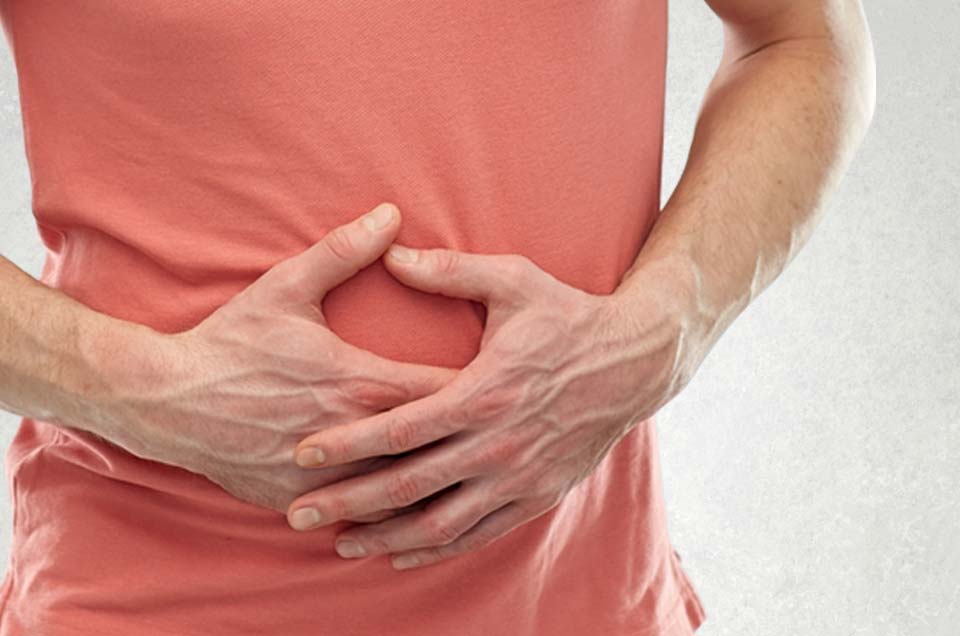
Bloating is that highly uncomfortable feeling when your belly feels stretched, tight, and full of pressure. This tight feeling happens for a few very simple reasons:
- You swallowed too much extra air while chewing your food.
- Your stomach is working too slowly.
- Your food is creating a lot of extra gas as it breaks down.
- You ate a very large amount of food at one time.
- You are dealing with constipation, which blocks the exit and causes gas to back up.
Having a puffy stomach once in a while is totally normal. But if you feel like a balloon every single day after lunch, your eating habits might need a gentle fix.
Why Meal Timing Is Just as Important as Food Quality?
Your stomach is a creature of habit. It loves a good, steady routine.
Long gaps between meals make you overly hungry, leading to overeating. On the flip side, eating nonstop all day without giving your stomach a break simply overloads the system. When food sits in the stomach for too long without moving, it starts to ferment. That fermentation creates trapped gas, which leads directly to bloating.
Common Healthy Foods That Can Trigger Bloating
It is deeply frustrating when the exact foods you are told to eat end up hurting your tummy. Many natural, healthy foods contain heavy fibers and complex sugars that are just hard for the stomach to break down quickly.
High-Fiber Vegetables: Vegetables like broccoli, cauliflower, cabbage, and kale are wonderful for your health. But they are very tough. When they reach your gut, the natural bacteria inside you have to work very hard to break them down. This hard work creates a lot of gas. Tip: If raw salads make you puff up, try steaming or roasting your vegetables first. Cooking softens the tough fibers and does half the digestion work for you.
Fruits: Apples, pears, and watermelon are delicious and hydrating. However, they contain high amounts of natural sugars. Some people have a hard time digesting a lot of this fruit sugar at once. When the sugar sits in the gut, it creates gas. Tip: Eat smaller bowls of fruit, and try not to eat a massive fruit salad right after a heavy dinner.
Whole Grains: Oats, brown rice, and whole wheat rotis are packed with healthy fiber. But if your body is used to eating white rice and white bread, suddenly switching to heavy whole grains will shock your system. Tip: Add these grains to your diet very slowly to let your stomach get used to the new, heavier workload.
Beans and Legumes: Lentils, chickpeas, and kidney beans have become famous for their flatulence problems. This is because these legumes contain one particular kind of carbohydrate that the human body finds very difficult to break down. We need the help of our bacteria to break it down, and that causes more flatulence. Tip: Always soak your legumes in water overnight before you cook them.
The Hidden Effects of Skipping Meals
Skipping meals might seem like a good way to save time or cut calories, but it is a disaster for your digestion.
When you skip breakfast and delay your lunch, your stomach sits empty for too long. By the time you finally sit down to eat, you are starving. This leads to the "starve and stuff" cycle. Because you are so hungry, you eat much more than you normally would, and you eat it very fast.
Your stomach gets shocked by this sudden, massive delivery of food. It cannot process a huge pile of food all at once, so the digestion slows down to a crawl. The longer the food sits there waiting to be processed, the more gas it produces.
Eating moderate, balanced meals at regular times keeps the digestive fire burning steadily all day long.

Late-Night Meals and Their Impact on Digestion
Having a late meal at 10:00 PM and sleeping immediately after at 10:30 PM is the easiest way of waking up in the morning feeling bloated.
The moment you hit your bed lying down, you deny yourself the help of gravity. The digested food finds it difficult to go downwards through the intestines. It simply remains in your system all night long. Many times, the stomach acid splashes upward to your chest region, leading to heartburn.
Doctor’s Note
Nutritious foods can still cause bloating if your meal timing is off. Constant grazing or eating heavy meals late at night slows down digestion, causing food to ferment in the gut and produce excess gas. To optimize digestion, eat your heaviest meal midday when your metabolism is most active, maintain a 4 to 6-hour gap between meals, and keep dinners light and easy to digest.
How Portion Size Influences Bloating?
Even the healthiest food in the world will cause trouble if you eat too much of it.
If you fill your stomach 100%, the food has no room to move around and mix with digestive juices. It gets stuck.
A great rule is to stop eating when you feel about 80% full. Leave a little bit of empty space in your stomach so it can do its job comfortably.
The Ayurvedic View: Why "When" is as Important as "What"
In Ayurveda, digestion is controlled by Agni, which is the digestive fire in your stomach. Think of it like the sun. It burns brightest at midday and naturally fades after sunset.
If you eat a large, healthy meal (like a raw salad or heavy grains) late in the evening, your Agni is simply too weak to break it down. Instead of turning into energy, that food sits in your gut and ferments. This creates a toxic residue called Ama and instantly throws your Vata dosha out of balance, which is the exact recipe for gas and bloating.
Daily Habits That Help Reduce Bloating
Fixing your bloating does not require expensive teas or magic pills. Just build these simple, easy habits into your day:
- Set a food alarm: Try to eat your breakfast, lunch, and dinner at roughly the same time every single day.
- Chew like it is a job: Do not swallow large pieces of food. Break it down in your mouth first.
- Walk it off: Take a gentle 10-minute walk after your biggest meals. Movement pushes the gas out and helps the food slide down.
- Don't drink bubbles: Fizzy sodas and sparkling waters are just colored gas. They put extra air directly into your belly.
- Breathe away the stress: When you are stressed, your stomach tightens up and stops working. Take five deep breaths before every meal to relax your gut.

Simple Meal Timing Tips for Better Digestion
You do not need to follow a super strict, difficult routine. Just try these very simple timing tricks to keep your stomach happy:
- Wake up and eat: Try to give your body some fuel within an hour or two of waking up to start the digestive fire.
- The four-hour rule: Leave a gap of about three to four hours between your meals. This gives your stomach enough time to empty the last meal before the next one arrives.
- Stop the constant snacking: If you are eating something every hour, your stomach does not get any time to relax. Allow it to do so.
- Have an early dinner: Make your dinner light and finish having it much before going to bed.
- Watch out for triggers: Maintain a basic notebook. Note down when you had eaten your meal and what the state of your stomach was an hour later. You will notice a definite trend.
When Bloating Could Signal a Health Problem?
Most of the time, feeling puffy is just a sign that you ate too fast or ate the wrong thing. However, if your stomach is constantly bloated and nothing seems to help, your body might be asking for a doctor.
- Severe abdominal pain.
- Vomiting that will not stop.
- Seeing any blood while using the bathroom.
- Unexplained loss of weight.
- Diarrhea or constipation that is severe and persists for many days.
These are clear signs that you need a professional to look inside and make sure everything is okay.
Final Thoughts
A good diet is an incredible present you give yourself. However, the diet is just a part of it. The way you eat, the timing of the meal, and your pace – that’s another part of it.
In case the bowls of healthy greens and grains you consume every day bring discomfort to you, do not despair about healthy eating. All you need to do is set the right schedule for yourself. By eating regularly, by chewing slowly, and by not loading yourself with the late night meal, you will provide your digestive system with the opportunity to perform its duties calmly. Make your stomach happy and feel comfortable all day long.
References
Meal frequency and timing in health and disease - PMC
Timing of Breakfast, Lunch, and Dinner. Effects on Obesity and Metabolic Risk - PMC