 Published on
21 Jul, 2026
Published on
21 Jul, 2026 Updated on 21 Jul, 2026
 5073
5073We’ve all been there. You climb the stairs and feel a sharp twinge in your knee. You wake up with stiff, frozen fingers. Or your shoulder aches constantly after a long day at work. When joint pain hits, most of us reach for the easiest, fastest fix a painkiller.
Let’s be honest, painkillers are great in the moment. Within half an hour, the throbbing fades and you can get on with your day. But have you noticed that as soon as the pill wears off, the exact same ache comes creeping right back?
Many people spend months, even years stuck in this routine without ever asking why the pain keeps returning.
Here is the truth: pain is your body’s alarm system. It is a dashboard warning light telling you something needs attention. While a pill turns off the flashing light, it doesn’t fix whatever is going wrong under the hood. Understanding when your joints need real help, rather than just another temporary fix, is the best way to prevent permanent damage and keep yourself moving comfortably.
Doctor's Note
Joint pain that repeatedly returns after painkillers wear off should not be ignored. Persistent morning stiffness, visible swelling, warmth around the joint, or pain affecting daily activities may indicate conditions such as osteoarthritis, rheumatoid arthritis, gout, or other inflammatory disorders. Early evaluation helps identify the underlying cause and can prevent long-term joint damage. If symptoms continue for several weeks despite rest and self-care, seek professional medical assessment.
 Why We Rely on Painkillers
It’s easy to see why painkillers are so popular: they're fast, cheap, and convenient. When you have a busy job, a house to manage, or kids to chase, pausing your life for a sore knee just isn’t an option. So, we take a pill, the pain goes away, and we naturally assume the problem is solved.
Unfortunately, feeling better isn’t the same thing as healing.
What Painkillers Actually Do (And What They Miss)
Most common pain pills work by lowering swelling or blocking the pain signals traveling from your nerves to your brain. This gives you a nice window of relief where movement feels easy again.
But here is what painkillers can't do:
- They don’t rebuild worn-down cartilage.
- They don’t strengthen weak muscles.
- They don’t fix poor posture or the way you walk.
- They don’t cure an underlying medical disease.
While you’re happily going about your day pain-free, the joint itself might actually be taking more wear and tear because you can't feel its natural warning signals. That’s why recurring pain is a red flag you shouldn't ignore.
Signs Your Joints Need More Than a Pill
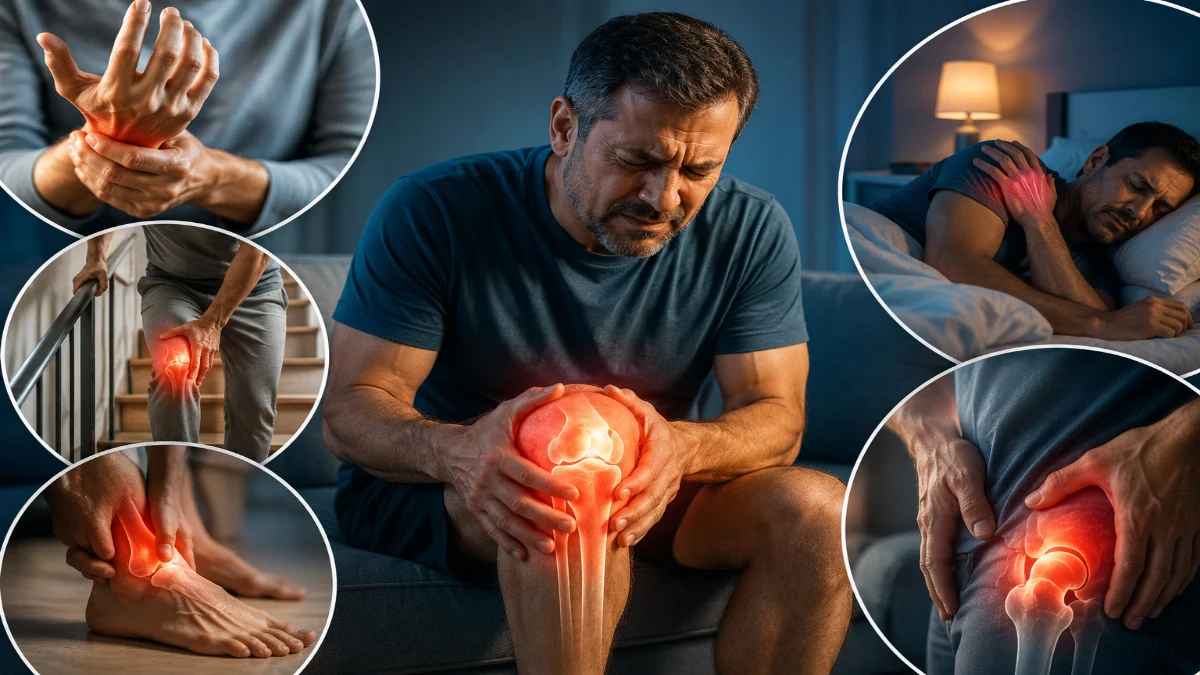
A minor muscle strain might just need a couple of days of rest and a mild pain reliever. But how do you know when it’s time to dig deeper? Keep an eye out for these warning signs:
1. Morning Stiffness That Lingers
Feeling a little rusty when you first get out of bed is common as we age. But if your joints stay locked up for more than half an hour every morning, it could point to an inflammatory issue like rheumatoid arthritis. Don’t just brush it off as "getting old."
2. Pain That Runs on a Loop
If your joint feels fine while the medication is active but starts throbbing the minute it wears off, the root cause is still there. Relying on daily pills just hides the real problem in the background.
3. Redness, Heat, and Swelling
If a joint looks puffy, feels hot to the touch, or turns red, your body is actively fighting off severe inflammation, an infection, or a deeper condition. These signs need a doctor's evaluation, not another pain tablet.
4. Everyday Tasks Become a Struggle
Joint pain shouldn't steal your independence. If you’re struggling to climb stairs, open a jar, get out of a low car seat, or bend down to tie your shoes, it’s time for a professional look.
5. Pain That Disrupts Your Sleep
A good night’s rest is when your body does most of its healing. If joint pain is waking you up at night or keeping you from sleeping comfortably, your joint is under serious stress.
What is Really Going On Inside Your Joints?
To fix joint pain for good, you have to know what is causing it in the first place. Taking the exact same pill for every kind of ache is like trying to use the same key for every door in your house.
Here are the most common culprits behind lasting joint pain:
Osteoarthritis (Wear and Tear)
This is the most common type of joint trouble. Over the years, the smooth, protective cartilage that cushions the ends of your bones slowly wears away. Without that cushion, your bones start rubbing together. It brings stiffness, clicking or grinding sounds, and pain that flares up when you move around. It loves weight-bearing spots like your knees, hips, and lower back, as well as your hands.
Rheumatoid Arthritis (Immune System Confusion)
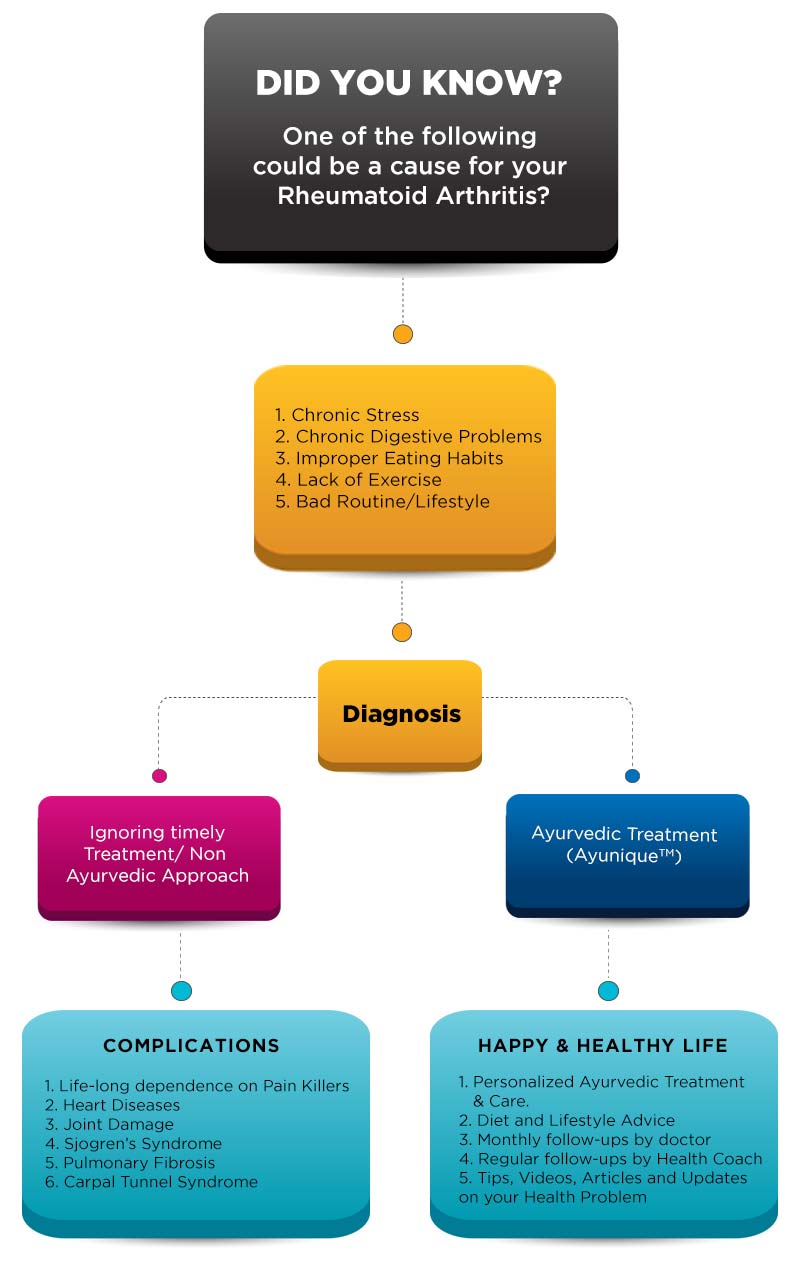
Unlike general wear and tear, this happens when your body’s immune system gets confused and mistakenly attacks the healthy lining of your joints. It usually strikes both sides of the body at once (if your right wrist hurts, your left usually does too), causing deep fatigue, swelling, and severe morning stiffness. Catching it early is crucial to prevent permanent joint damage.
Gout (Crystal Buildup)
Gout develops when your body has too much uric acid, which forms tiny, sharp crystals inside a joint. It causes sudden, intense, burning pain that often hits in the middle of the night. It famously targets the big toe, leaving it so red, swollen, and tender that even a bedsheet touching it feels unbearable.
Old Injuries Coming Back to Haunt You
An old sports injury, a bad ankle sprain from years ago, or a minor bone fracture can cause trouble later in life. If ligaments or cartilage didn’t heal properly the first time around, they can leave a joint weak and prone to chronic aching.
The Downside of Daily Painkillers
Taking a painkiller every now and then is completely safe for most people. But popping them every single week just to function can quietly create new problems for your body:
- Heartburn, Indigestion and Ulcers: Over the years, most common over-the-counter (OTC) pain relievers gradually chip away at your stomach's inner lining. Kidney Function Declines. As a result of taking pain relievers for a long period of time, the burden placed on your kidneys to sift through all that medication starts to take a toll as time goes on. Masking the real source.
- With consistent pain numbing your focus is no longer on the real issue but the temporary relief, which means a serious joint condition can secretly damage further, which may have been difficult to treat.
- With a false sense of confidence, without any pain, there's nothing to stop you pushing the joint too hard and/or the damage that comes with it.
Quick Fixes vs. Real Healing
When you shift your mindset from simply numbing the pain to actually taking care of the joint, everything changes for the better.
| Relying on Painkillers | Real, Root-Cause Care |
| Gives temporary, short-term relief | Aims for lasting comfort and mobility |
| Focuses only on hiding symptoms | Finds and treats the real reason for the pain |
| Uses a one-size-fits-all pill | Uses a personalized plan for your exact body |
| Ignores disease progression | Actively works to slow down or stop joint damage |
How a Doctor Can Help You Heal
- Your Doctor Will Show You How to Feel Better. Going to your primary care doctor or orthopedic surgeon is much more than being told, “stop taking your pain medication and tough it out!” Your doctor will work with you for lasting relief, and it could mean:
- Custom stretching to bring your body back into balance
- Strengthening surrounding muscles that can carry some of the burden, taking the pressure off your bones
- Practicing good form and motion to keep excess pressure off of your bones and joints
- Ordering diagnostic imagery (such as X-rays or MRI’s) or tests to see what damage is happening below your skin’s surface
- Utilizing Prescription Pain Medication and medical interventions focused on controlling your inflammation, Autoimmune condition, or cartilage damage.

Simple Daily Habits for Happier Joints
You don’t need to wait for a doctor’s appointment to start helping your joints feel better. Small, daily changes make a massive difference over time:
- Stay active. Moving around gently encourages the fluid in your joints to keep flowing freely, which lubricates the parts the way oil would a rusty piece of machinery. When the fluid doesn’t move, joints become stiff. Walking, swimming, or biking are excellent options for many people.
- Manage your weight. For every one pound of extra weight on your body, your knees experience approximately four extra pounds of pressure every time you walk. Shedding even a modest amount of weight can reduce the stress on your knees and hips significantly.
- Get out of the chair. Being sedentary for prolonged periods causes the joints in your legs and other parts of your body to stiffen. If you sit for extended periods, be sure to get up and take a quick stretch or short walk every 30 to 45 minutes.
- Get enough rest. While you sleep, your body is busy repairing torn or damaged tissue and reducing inflammation, which contributes to joint pain. Aim to get between seven and eight hours of uninterrupted sleep each night.
When to Get It Checked
Don’t try to tough it out on your own if:
- Your pain has lasted for more than a few weeks.
- The ache comes right back whenever your medicine wears off.
- You notice visible swelling, heat, or redness around a joint.
- You can’t bend or straighten the joint as far as you used to.
- Pain is waking you up out of a sound sleep.
- Everyday chores like dressing or climbing stairs are getting hard.
- Multiple joints are aching on both sides of your body.
Final Thoughts
Painkillers are a great tool for getting through a rough day, but they aren’t a cure. Chronic joint pain, stiffness, and losing your ability to move comfortably aren’t just things you have to accept as a normal part of getting older.
When your body is constantly flashing the warning light, don’t just keep hitting the snooze button. Take the time to find out why your joints hurt. With the right diagnosis and a focus on long-term care, you can protect your mobility, avoid permanent damage, and stay active and independent for years to come.
References
Osteoarthritis | Arthritis | CDC