 Published on
25 Jul, 2026
Published on
25 Jul, 2026 Updated on 11 Aug, 2026
 5066
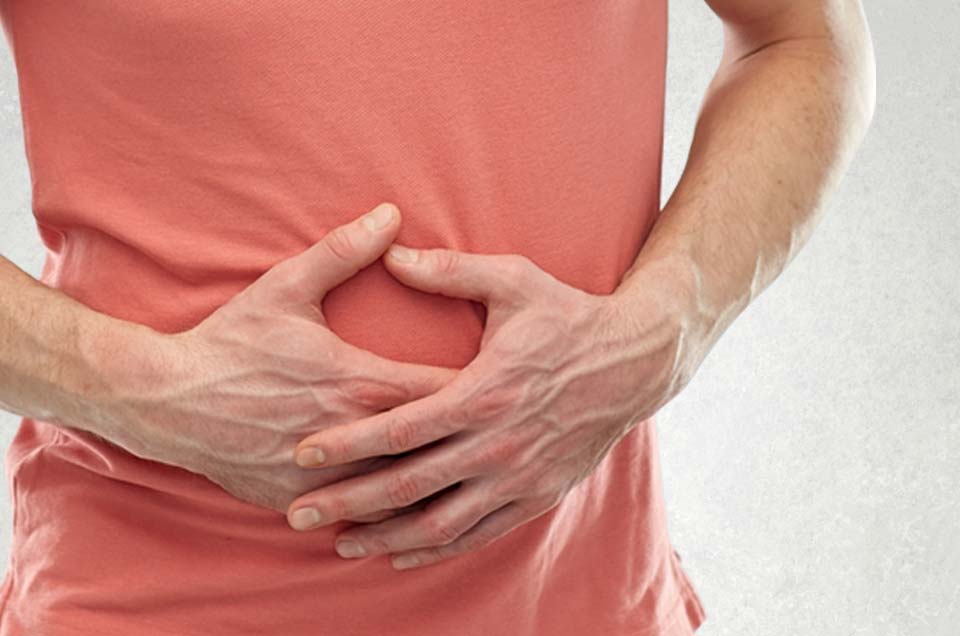
5066You finish a heavy, delicious meal, or maybe you just had a very long, stressful day at work. Suddenly, you feel that familiar, uncomfortable burning sensation rising from your stomach straight up into your chest. We have all been there!
For most of us, the first reaction is to reach for an antacid. You pop a pill or drink a liquid, and within a few minutes, the burning fades away. You feel a wave of comfort, and life goes back to normal. But then, a few days, or even a few hours, later, the same burning feeling comes right back.
If the antacids are so effective, then why does the acidity return? The truth is that antacids only address the symptoms without fixing the root cause that triggers the burning in the first place. Fixing it for good means looking closely at your daily habits.
Why Antacids Work So Quickly?
Antacids are widely used due to their ability to do precisely what their names say: they help combat acidity.
When you feel the burn, you use the drug, and it works instantly, neutralizing all the acid inside your stomach. This is why you feel so much better in just five or ten minutes after using the medication.
However, there is one important detail that you should remember: your stomach is a body part that has been designed to produce acid. After the effect of the antacid stops working, your stomach continues its normal activity and produces more acid.
The Real Reasons Acidity Keeps Returning
Therefore, if the medicine works only temporarily, then what could be the reason behind this? In fact, there are very few cases when acidity occurs because of one particular factor:
- Your Daily Routine: Modern life is very hard on our stomachs. Many of us skip breakfast because we are rushing, eat a heavy lunch while staring at a computer screen, and then have a massive dinner late at night. We sit in chairs all day and barely move.
- The Foods You Choose: Certain foods are basically an open invitation for acid reflux. Heavy, greasy, or deep-fried foods take a very long time to digest. Because they sit in your stomach for hours, the stomach has to make extra acid to break them down, increasing the chances of a splash-back.
- Worry and Poor Sleep: Your brain and your stomach talk to each other constantly. When you are deeply stressed, your body goes into survival mode. It stops caring about digesting your lunch properly. Add a lack of sleep to this, and your digestive system becomes highly sensitive and easily irritated.

Common Everyday Habits That Make Acidity Worse
Sometimes, however, we create acidity in ourselves without being aware of it. Some routine things make burning feel even worse:
Eating Too Fast: Eating fast means you chew the food not enough. Also, you get too much air while eating. Thus, the stomach works twice as hard to digest large lumps of food, producing more acid and more gas.
Overfilling the Balloon: Overeating is one of the biggest triggers. The stomach is just like a balloon. When you overeat and load the stomach to the brim with food and liquids, there will be some pressure building up. The pressure causes the stomach gate to open, and then the acid moves to the chest.
Sleeping After Having a Meal: Gravity is the greatest ally of the stomach. While standing or sitting, gravity keeps the acid in the stomach down. After having a feast and going to sleep right after that, the acid moves to the food tube.
Wearing Tight Clothes: Wearing a very tight belt or very tight jeans squeezes the stomach. This is just the same as squeezing a water balloon. The liquid has nowhere to go but up.
Foods and Drinks That Can Trigger Acid Reflux
Everyone has different triggers, but there are a few usual suspects that upset almost everyone's stomach if eaten in large amounts:
- Spicy foods: Heavy curries and extra chilies can easily irritate the stomach lining.
- Oily and fried meals: Things like samosas, French fries, or heavy gravies take too long to digest.
- Coffee and strong tea: Drinking four or five cups of caffeine at the office relaxes the stomach door, letting acid escape.
- Fizzy cold drinks: The bubbles in soda fill your stomach with gas, increasing pressure.
- Chocolate and peppermints: Although these taste yummy, they tend to be very relaxing for the stomach.
- Alcohol: Alcohol is an irritant to the stomach lining, causing increased acid secretion.
Doctor’s Note
Antacids only mask the problem by temporarily neutralizing stomach acid. Recurrent acidity is driven by root causes like overeating, late dinners, high stress, and trigger foods (spicy/oily/caffeinated). For lasting relief, fix the root cause: eat smaller portions, finish meals 2-3 hours before bed, and manage stress. Seek immediate medical care if you experience frequent heartburn, difficulty swallowing, or severe chest pain to rule out conditions like GERD or ulcers.
.webp)
The Connection Between Stress, Digestion, and Acidity
We often forget how much our feelings affect our stomachs. Have you ever noticed that you get a stomachache when you are nervous?
When you are stressed out about work, money, or family, your body becomes tense. Your digestion slows down dramatically. On top of that, when people are stressed, they tend to make bad choices. They drink more coffee, eat more sugary junk food, smoke cigarettes, and skip meals.
This combination of a tense stomach and bad food choices is a guaranteed recipe for severe acidity. Taking time to just breathe, relax, and calm your mind actually helps your stomach digest food better.
When Frequent Acidity Could Be a Warning Sign?
Most of the time, acidity is just a lifestyle issue. But if you are getting that burning feeling constantly, your body might be warning you about a bigger issue.
- Acid Reflux Disease (GERD): This happens when the acid splashes up so often that it actually damages and scars the inside of your food pipe.
- Stomach Sores (Ulcers): In some cases, the inner lining that protects the stomach starts deteriorating, leading to sores that sting when the acid comes into contact with them.
- Hiatal Hernia: This is a physical condition wherein part of your stomach bulges upward into your chest, making it very easy for the acid to leak out.
If your acidity simply will not go away, it is time to stop guessing and get a proper check-up.
How Ayurveda Looks at Recurrent Acidity?
Ayurveda, the ancient system of natural health, has a very simple and beautiful way of looking at this problem.
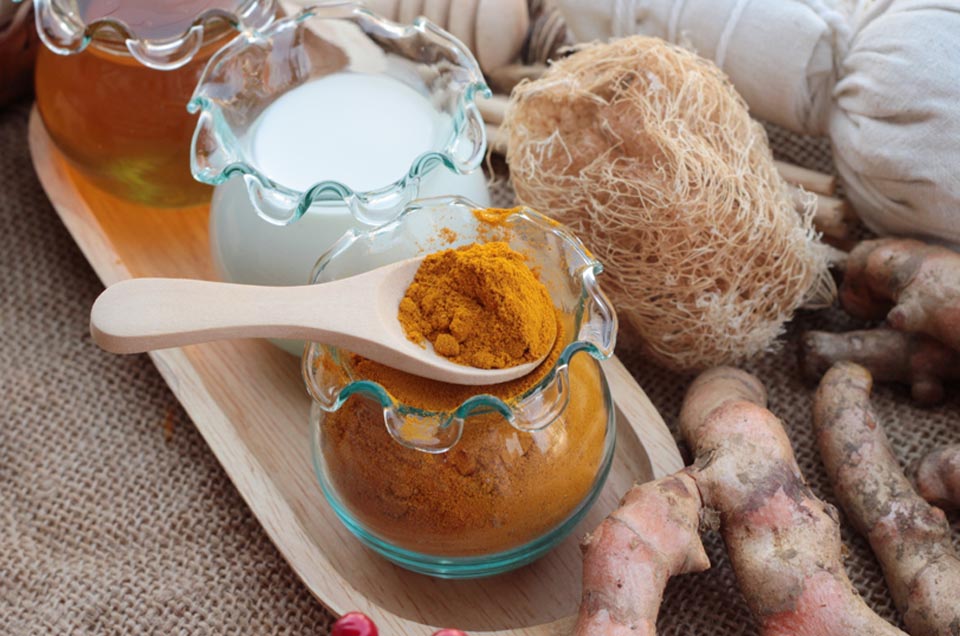
In Ayurveda, your digestion is like a fire. If you throw the right wood into the fire at the right time, it burns perfectly. But if you throw heavy, wet, or wrong things into the fire, it creates a lot of smoke and trouble. Acidity is basically seen as too much heat and sourness trapped in the body.
To fix this, Ayurveda does not just give you a cooling pill. It asks you to eat cooling, fresh foods, drink plenty of water, and eat your meals at the same time every day. It focuses on calming your mind and cooling your body from the inside out so that the "fire" goes back to burning normally.

Simple Lifestyle Changes That Can Help Prevent Acidity
You do not need to rely on pills forever. A few incredibly simple changes to your day can bring permanent relief.
- Practice the 80% Rule: Never eat until you feel completely stuffed. Stop eating when you feel about 80% full. Leaving a little empty space in your stomach stops the pressure from building up.
- Fix Your Dinner Timing: This is perhaps the best trick of all. Finish your dinner at least two to three hours before you go to sleep. Let your stomach do its heavy work while you are still awake and sitting up.
- Move Your Body: You do not need to run a marathon. Just taking a gentle, relaxing 15-minute walk after your meals helps push the food down and speeds up digestion.
- Prop Up Your Head: If you often wake up with a burning chest in the middle of the night, try putting an extra pillow under your head. Keeping your upper body slightly lifted uses gravity to keep the acid down.
- Manage Your Weight: Carrying a lot of extra weight around your belly puts constant, heavy pressure on your stomach. Shedding even a few kilos can make a massive difference in how you feel after eating.
When Should You See a Doctor?
While changing your habits works wonders, you should never ignore serious warning signs. Please visit a doctor immediately if you experience:
- Heartburn that happens multiple days a week, even after changing your diet.
- A feeling that food is getting stuck in your chest when you swallow.
- Vomiting for no clear reason.
- Losing weight without trying.
- Severe, heavy chest pain (which people sometimes confuse with heartburn).
A doctor can look inside and tell you exactly what is going on, ensuring you stay safe and healthy.
Conclusion
Antacids are wonderful for a quick rescue. When your chest is burning, they bring sweet, fast relief. But relying on them every single day is like constantly mopping up a puddle on the floor without ever fixing the leaky pipe above it.
Acidity that keeps coming back is your body’s gentle way of asking you to pay attention. It is asking you to slow down your eating, make cleaner food choices, manage your daily worry, and stop eating heavy meals at midnight.
By listening to your body and making a few easy, smart changes to your daily routine, you can fix the root cause of the problem. True digestive health is not about silencing the burn for a few hours; it is about building a happy, peaceful stomach that lets you enjoy your food and your life without any worry.