
Successful Treatments
Clinics
Doctors
Osteoarthritis
 Published on 13 Sep, 2026
 Updated on 13 Sep, 2026

Explore Symptoms
- Home / Diseases & Ayurveda / Digestive Disorders / Ayurvedic Treatment for Jaundice / Types of Arthritis: Osteoarthritis, Rheumatoid Arthritis and More / Osteoarthritis
What does Osteoarthritis mean?
Osteoarthritis (OA) is a common medical conditon which happen when the cartilage that lines your joints gets worn out or damaged over time, causing bones to rub together. The ends of our bones have a smooth, soft covering layer, called cartilage, that works as a cushion. This cushion is very important because it lets our bones glide past each other easily and safely when you move.
But if you get OA, this helpful cushion gets worn down over time, which causes your bones to rub against each other when you move your joints. While this wear and tear can happen in any joint, it usually targets the parts of the body that do the most of the movement, which includes:
- Your hand and fingers
- Your lower back
- Your knees and hips
- Your lower back
Risk Factors of Osteoarthritis
Anyone can get this wear and tear in their joints, but certain things make the soft cushion wear away much faster. Here are the main risk factors:
- Age: This is one of the biggest risk factors of OA; your cartilage gets worn down as you get older.
- Obesity: Carrying extra weight puts pressure on your joints, which carry your whole body, knees, and hips, while fat tissues release a type of protein that triggers harmful inflammation in the joints.
- Past injuries: Past joint injuries from falling, sports, or accidents can also lead to post-traumatic joint degeneration after certain years.
- Metabolic Conditions: Medical conditions such as diabetes or hemochromatosis can also affect your joints severely, resulting in osteoarthritis later.
- Stress on joints: Heavy weight lifting or jobs that require kneeling or constant bending put chronic pressure on the joints.
- Genetics: A family history of osteoarthritis or inherited joint traits can also increase the risk of joint degeneration in a person.
- Menopause: A woman whose periods have stopped, risk of osteoarthritis due to a sharp decline in estrogen levels in the body.
While you cannot change some of the above factors, knowing what puts you at risk is the first step in protecting your joints.
Common Symptoms Associated With Osteoarthritis
Osteoarthritis doesn't happen overnight. Because the cushion wears away very slowly, the body starts to give mild signals at the starting which get severe later. If your cushion is wearing down, here is what you will start noticing in your body:
- Pain while moving: You will start experiencing joint pain while doing normal activities that you do daily, such as walking, lifting, or bending.
- Joint stiffness: Your joints start feeling stiff or hard, especially when you wake up in the morning or after sitting for a long time.
- Swelling or puffiness near the joint: You may start noticing puffiness or swelling around the affected area, which gives you pain while doing normal activities.
- Grating sensation: You may start hearing or feeling popping, crackling, or grinding (crepitus) sounds when you climb stairs, move, or walk.
- Loss of flexibility: You start having trouble moving and bending the joints through their full, normal range of motion.
- Instability: You feel like the joint isn't stable and as strong as it used to be.
- Joint deformity: You notice a visible change in the normal shape, structure, or alignment of the joint.
If you see any of the above signs happening regularly, a quick visit to the doctor can help you find easy ways to stop that pain.
Diagnosis of Osteoarthritis
If your joints are hurting, then the doctor may do these simple tests to check if your cushion is worn away:
- Medical History: The doctor will check for any sort of past injury or surgery you had or if any family member had it.
- Pulse Diagnosis (Nadi Pariksha): The doctor will do a Nadi pariksha to check which of your internal body energies is out of balance.
- Tracking Toxins: They will ask very detailed questions about your digestion to figure out if sticky toxic waste (Ama) is behind your pain or not.
- Symptom analysis: Your doctor will ask about symptoms such as joint stiffness, swelling, pain, and how well you can move your joints.
- Physical Examination: The doctor will look at the affected areas for any sort of redness or swelling. They will also check the mobility and press around the joints to find soft spots or fluid buildup.
- Imaging Testing: The doctor may ask you for imaging tests such as X-rays, MRI, blood tests, or joint fluid analysis.
Finding out why exactly your joint is hurting is the primary step to move forward for the right care and treatment.
Ayurvedic View of Osteoarthritis
In Ayurveda, management of OA is a comprehensive approach that targets both the symptoms and underlying systemic imbalance. In Ayurveda, OA is connected with Sandhigatavata, a situation when the Vata dosha gets aggravated and settles in your joints, causing pain, stiffness, or inflammation.
Vata dosha governs air and movement in the body; if it gets imbalanced, then it destroys the oiliness of the joints. Assessment of a patient in Ayurveda is highly dependent on the prakriti (patient’s unique constitution) and vikriti (their current imbalance), rather than just structural damage. Ayurveda believes that weak digestion is another factor that contributes to imbalance. When digestion is weak, the food is not processed properly; it creates sticky waste, Ama, in the body. These hidden toxins travel through the spaces of your joints and get stuck inside them, causing pain and inflammation.
Management of Osteoarthritis Through Ayurveda
Instead of just treating the pain, Ayurvedic treatment is about returning the body to balance, improving tissue nutrition, and resolving pain and inflammation internally. It includes the following management practices to treat OA:
Use of Internal Herbal Remedies
Ayurveda uses certain herbs such as guggulu, ashwagandha, and shallaki; they are all known for their anti-inflammatory properties that help in strengthening the joint tissues, reducing inflammation, supporting bone density, and soothing the nervous system.
External Procedures & Panchkarma
Ayurveda includes many therapies such as abhyanga to help improve circulation, janu basti to nourish and lubricate joints, swadena to relieve stiffness, and matra basti to help eliminate metabolic waste and combat the dryness characteristic of Vata.
Dietary Guidelines
Ayurvedic nutrition for OA focuses on reducing inflammation and pacifying Vata dosha in the body. It suggests warm, freshly cooked food, healthy fats, and anti-inflammatory spices such as ginger, turmeric, or garlic to add to your food. It also asks you to avoid processed, refined, packaged food, as they contain excessive amounts of salt, sugars, and artificial ingredients.
Lifestyle & Physical Changes
Ayurveda says that for good health, a balanced lifestyle is very important. It asks you to fix your routine by managing your stress, sleeping properly, drinking enough water, eating clean, doing breathing exercises, yoga, and meditation for better mental well-being as well as physical well-being.
Prevention Tips for Osteoarthritis
You do not have to wait for your joints to start hurting before you begin taking care of them. Here are some of the prevention tips that can help to lower the risk and protect your joints:
- Keep your weight maintained because extra weight puts a lot of pressure on your joints, which makes them gradually weaker.
- Follow a good and balanced diet plan that can help give you the right nutrition required for your body.
- Don't do heavy weight lifting at the gym; keep it low so that your joints don't get much pressuried with heavy weights.
- Avoid consuming alcohol and tobacco, because it harms your body very negatively.
- Wear protective equipment if your work requires heavy weight lifting, bending, or constant kneeling.
- Visit your doctor if you notice any sort of change or pain in your joints
Making these changes today is the best way to protect your joints for many years.
Red Flags To Watch Out For
While OA happens slowly over time, joint pain can be a sign of a serious problem.
- If you have a high fever, as it can be a sign of a dangerous joint infection.
- If you have unexplained weight loss or a history of bone cancer.
- If you see severe redness, heat, or swelling on the affected area.
- If you have severe pain that wakes you up at night.
- If you're unable to walk or bear any weight, as it can be a sign of a severe structural break or acute damage.
If you experience these red flags, then immediately see a doctor.
FAQs
Yes, walking is very good for osteoarthritis because it is a low-impact exercise that strengthens the muscles around your joints and nourishes the cartilage.
Osteoarthritis usually progresses slowly over many years, but the exact speed varies from person to person.
Yes, extreme heat and high humidity can make osteoarthritis symptoms worse for some people, even though targeted heat therapy is often used to soothe stiff joints.
In severe cases, osteoarthritis can destroy nearly all joint cartilage, causing bone to rub directly on bone, chronic pain at rest, and severe joint deformity.
Ayurvedic treatments can effectively help in managing pain, reducing inflammation, and improving joint mobility over time.
Ayurveda recommends pacifying the aggravated Vata dosha (air and ether energy) and removing deep-seated toxins (Ama) to manage joint pain through detoxification, herbal remedies, and lifestyle changes.
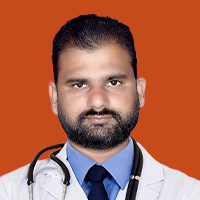
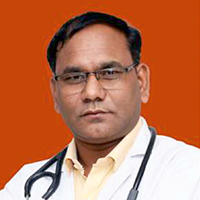
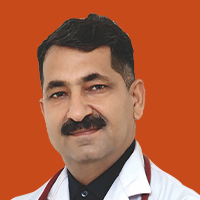
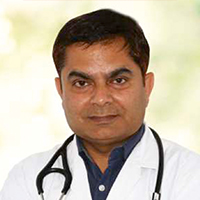
Consult Experienced Ayurveda Doctors for Osteoarthritis

















Our Happy Patients
-
 Sunita Malik - Knee Pain
 -
 Abhishek Mal - Diabetes
 -
 Vidit Aggarwal - Psoriasis
 -
 Shanti - Sleeping Disorder
 -
 Ranjana - Arthritis
 -
 Jyoti - Migraine
 -
 Renu Lamba - Diabetes
 -
 Kamla Singh - Bulging Disc
 -
 Rajesh Kumar - Psoriasis
 -
 Dhruv Dutta - Diabetes
 -
 Atharva - Respiratory Disease
 -
 Amey - Skin Problem
 -
 Asha - Joint Problem
 -
 Sanjeeta - Joint Pain
 -
 A B Mukherjee - Acidity
 -
 Deepak Sharma - Lower Back Pain
 -
 Vyjayanti - Pcod
 -
 Sunil Singh - Thyroid
 -
 Sarla Gupta - Post Surgery Challenges
 -
 Syed Masood Ahmed - Osteoarthritis & Bp
Blogs
- Diet and Lifestyle Advice to Help Deal with Jaundice
- 6 Home Remedies for the Effective Management of Jaundice
- 2 Yoga Asanas that Bring Relief from Jaundice
- Simple & Effective Home Remedies For Jaundice
- Accelerate Your Dengue Recovery with Ayurveda
- कमज़ोरी और आँखों में पीलापन? Jaundice के लिए बेस्ट आयुर्वेदिक ट्रीटमेंट
Home Remedies
- पेट में गैस, जलन या संक्रमण? इन घरेलू उपायों से पाएं राहत
- पेट में गैस, अपच और फुलाव का आयुर्वेदिक इलाज - मुफ़्त परामर्श
- एनल फिशर से परेशान हैं? ये आयुर्वेदिक नुस्खे देंगे राहत और आराम
- कब्ज़ का आयुर्वेदिक इलाज - मुफ़्त परामर्श
- एसिड रिफ्लक्स का घरेलू इलाज - मुफ़्त आयुर्वेदिक परामर्श
- Food Poisoning का आयुर्वेदिक इलाज - मुफ़्त परामर्श
- क्या बार-बार उल्टी हो रही है? इन घरेलू उपायों से पाएं तुरंत आराम
- क्या आप जानते हैं? इन नुस्खों से पेट दर्द जड़ से खत्म होता है!
- बार-बार एसिडिटी? ये देसी नुस्खे तुरंत देंगे आराम!
- दवा की ज़रूरत नहीं! लूज़ मोशन का रामबाण इलाज घर पर ही
- Home Remedies for Vomiting
- Home Remedies for Piles
- Home Remedies for Food Poisoning
- Home Remedies for Stomach Infection
- Home Remedies for Bloating
- Home Remedies for Anal Fissure
- Home Remedies for Constipation
- Home Remedies for Acid Reflux
- Home Remedies for Acidity
- Home Remedies for Stomach Pain
Related Disease
- Ayurvedic Treatment for Acid Reflux
- Ayurvedic Treatment for Anemia
- Ayurvedic Treatment For Anorexia
- Ayurvedic Treatment for Chronic Fatigue Syndrome
- Ayurvedic Treatment For Gastritis
- Ayurvedic Treatment For Colitis
- Ayurvedic Treatment For Crohn’s Disease
- Ayurvedic Treatment for Weakness and Fatigue
- Ayurvedic Treatment For Flatulence
- Ayurvedic Treatment for Gallstones
- Ayurvedic Treatment for Jaundice
- Ayurvedic Treatment for Liver Cirrhosis
- Ayurvedic Treatment for Sickle Cell Anaemia
- Ayurvedic Treatment For Piles And Fissure
- Ayurvedic Treatment for Irritable Bowel Syndrome (IBS)
- Ayurvedic Treatment For Hyperacidity
- Ayurvedic Treatment for Constipation
- Ayurvedic treatment for Coeliac Disease
- Ayurvedic Treatment for Peptic Ulcer
- Ayurvedic Treatment for Tapeworm
- Ayurvedic Treatment for Typhoid
- Ayurvedic Treatment for Diarrhea
- Ayurvedic Treatment for Diverticulitis
- Ayurvedic Treatment for Pinworms
- Ayurvedic Treatment for Cholera
- Ayurvedic Treatment for Emphysema
- Ayurvedic Treatment for Food Poisoning
- Ayurvedic Treatment for Atherosclerosis
- Ayurvedic Treatment for Thalassemia
- Ayurvedic Treatment for High Triglycerides
- Get Ayurvedic Treatment for Gastroenteritis
Latest Blogs
- Do You Really Need A Protein Shake on A Non-Workout Day?
- Is Eating Only ‘Clean Food’ Making Your Diet Less Flexible?
- Air Fried Is Not Automatically Healthy: What Still Matters
- Why Remote Work Can Blur Hunger, Break and Sleep Cues
- Why Fast City Life Can Make You Feel Busy but Physically Underactive
- The Hidden Cost of Eating Lunch at Your Desk Every Day
- Air fryer में बना हर खाना healthy होता है—क्या यह सच है?
- बारिश में जूते देर तक गीले रहने से पैरों की skin क्यों परेशान होने लगती है?
- वीकेंड पर meal timing पूरी तरह बदलना सोमवार को पेट क्यों बिगाड़ सकता है?
- Why Your Energy Drops After Long Hours of Concentration
- Why Your Mouth Feels Dry Every Morning
- बच्चों का breakfast बहुत मीठा हो तो school-time hunger पर क्या असर पड़ सकता है?
- Monsoon Mornings: Why Appetite Can Be Low but Evening Cravings High
- Why Monday Digestion Can Feel Different After a Weekend Routine
- बच्चे खाना खाते समय screen देखें तो fullness signal क्यों miss कर सकते हैं?
- गुड़ और चीनी में से ‘healthy sugar’ चुनना कितना meaningful है
- AC Bedrooms in Humid Weather: Comfort vs Overcooling
- रोज़ coconut water पीना हर किसी के लिए जरूरी क्यों नहीं है?
- मॉनसून में बाल जल्दी oily और scalp itchy क्यों हो सकता हैं?
- Why Seasonal Routine Changes Can Affect Digestion Before You Notice
Ayurvedic Doctor In Top Cities
- Ayurvedic Doctors in Bangalore
- Ayurvedic Doctors in Pune
- Ayurvedic Doctors in Delhi
- Ayurvedic Doctors in Hyderabad
- Ayurvedic Doctors in Indore
- Ayurvedic Doctors in Mumbai
- Ayurvedic Doctors in Lucknow
- Ayurvedic Doctors in Kolkata
- Ayurvedic Doctors in Patna
- Ayurvedic Doctors in Vadodara
- Ayurvedic Doctors in Ahmedabad
- Ayurvedic Doctors in Chandigarh
- Ayurvedic Doctors in Gurugaon
- Ayurvedic Doctors in Jaipur
- Ayurvedic Doctors in Kanpur
- Ayurvedic Doctors in Noida
- Ayurvedic Doctors in Ranchi
- Ayurvedic Doctors in Bhopal
- Ayurvedic Doctors in Ludhiana
- Ayurvedic Doctors in Dehradun