Diseases Search
Close Button


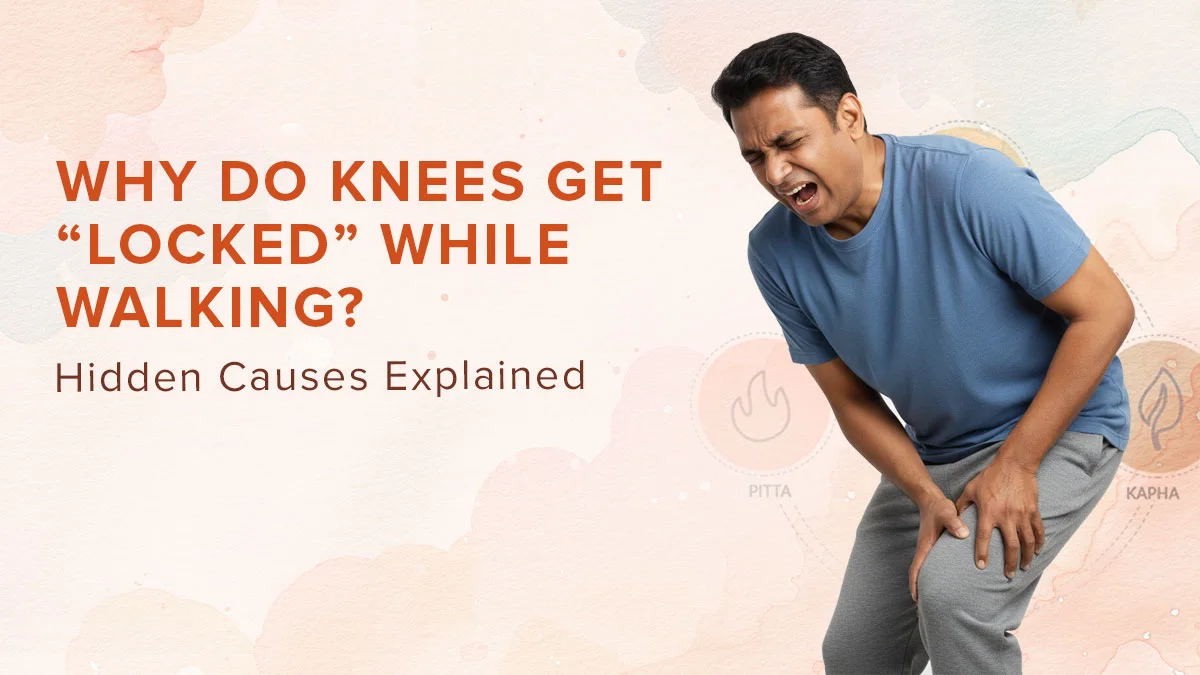
Why Do Knees Get “Locked” While Walking? Hidden Causes Explained

Information By Dr. Keshav Chauhan
  • category-iconPublished on 21 Apr, 2026
  • category-iconUpdated on 21 Apr, 2026
  • category-iconJoint Health
  • blog-view-icon5023

Why Are There Locked Knees While Walking? 

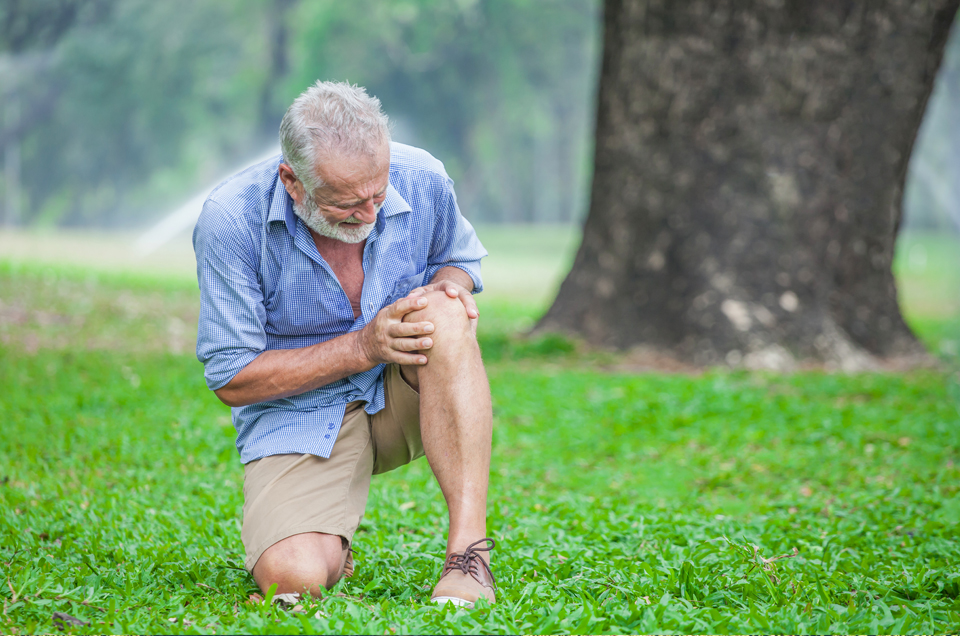
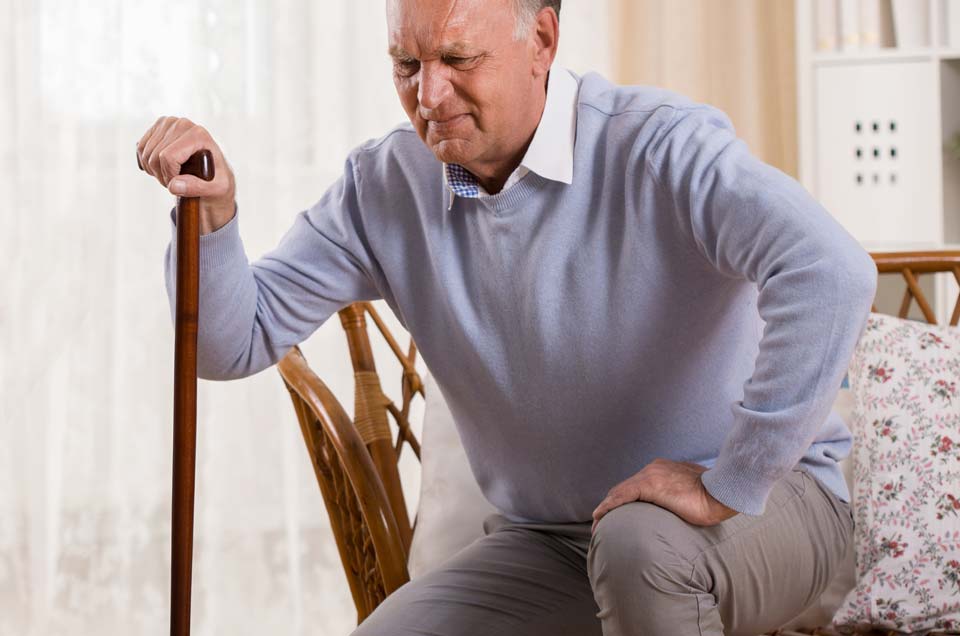
An acute case of being immobilised in your knee during the activity can be very disconcerting. Knee locking is not only a problem within your joint; it may signify deeper tissue damage and inflammation. People generally tend to dismiss it, thinking it is fatigue and an age-related issue; however, you should know that it may signify a meniscus tear, ligament sprain, or early-stage osteoarthritis. In any case, it requires early attention; otherwise, it may lead to severe consequences in the future. But it is good to know that there is hope in treatment.

What Is Knee Locking? 

A locked knee joint occurs when the knee joint cannot bend or extend completely, even if you wish to move. Such symptoms may occur for some minutes and disrupt your walking process. The main types are:

  • True locking: When something physically prevents the movement, such as a torn meniscus or cartilage fragments
  • Pseudo-locking: When pain or muscle spasm prevents you from moving without a blockage

What Does it Mean When Your Knee "Locks"?

Think of your knee like a door hinge. When it "locks," it’s like something is stuck in the hinge, preventing the door from opening or closing properly. In short, your knee feels jammed.

Understanding the way it locks helps you know how serious the problem is.

The 3 Main Types of Knee Locking

  1. Mechanical Locking (The "Stuck" Knee)
    • What it feels like: You physically cannot move your knee, no matter how hard you try.
    • The Cause: Usually, a piece of torn tissue (like a meniscus tear) or a loose fragment of bone/cartilage is physically blocking the joint.
    • Severity: High. This usually needs medical help to "unlock."
  2. Pain-Induced Locking (The "Protecting" Knee)
    • What it feels like: You could move the knee, but the pain is so sharp, or the muscle is so tight (spasm) that your body stops you from moving.
    • The Cause: Swelling, inflammation, or soft tissue injuries (like a bad strain).
    • Severity: Common. It’s your body’s way of trying to protect itself from more pain.
  3. Intermittent Locking (The "Warning" Sign)
    • What it feels like: It happens now and then. Your knee catches for a second, then goes back to normal.
    • The Cause: Early damage to the cartilage.
    • Severity: A Warning. Your body is telling you that something is starting to wear down.

Warning Signs to Watch Out For

If your knee is locking, you might also notice these symptoms:

  • The "Stick" Factor: You can’t fully straighten your leg.
  • Noisy Joints: You hear clicking, popping, or snapping sounds.
  • Swelling: The knee looks puffy or feels "tight" with fluid.
  • The "Obstacle" Feeling: It feels like there is a pebble or a block inside your joint.

If your knee locks repeatedly, don't ignore it. It usually means the damage inside is getting worse.

What is Actually Causing the Problem?

It’s rarely "just old age." Usually, one of these specific issues is the culprit:

  • Torn Meniscus: This is the most common cause. The "cushion" in your knee rips, and a piece gets caught in the joint.
  • Ligament Injuries: Tearing your ACL or PCL (the "ropes" that hold your knee together).
  • Loose Fragments: Tiny bits of bone or cartilage floating inside the knee (often called "joint mice").
  • Osteoarthritis: The natural wear-and-tear of the joint over time.
  • Inflammation: Severe swelling from different types of arthritis.
  • Kneecap Issues: When your kneecap (patella) isn't sliding in its track correctly.

Risk Factors & Complications (If Left Untreated)

Risk Factors

Possible Complications

Age above 40

Chronic stiffness

Sports injuries

Cartilage degeneration

Obesity

Osteoarthritis progression

Lack of exercise

Muscle weakness

Previous knee trauma

Recurrent locking

Diagnosis of Knee Locking (Traditional and Modern)

Modern Medical Diagnosis

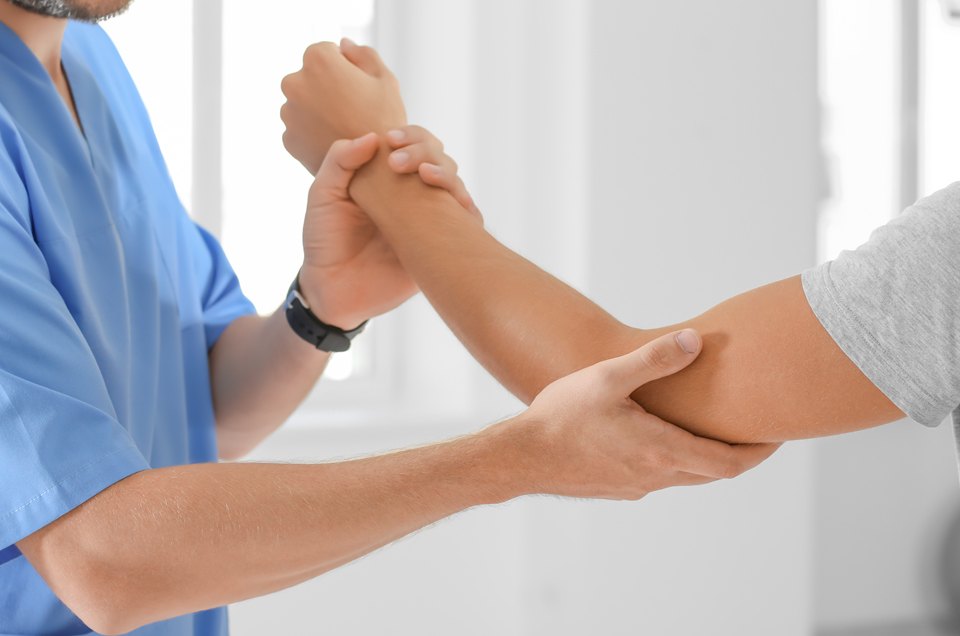
  • Physical examination and testing of mobility
  • MRI scan for any damage to the meniscus or ligament
  • X-rays for bone problems such as arthritis or bone misalignment
  • Ultrasound for inflammation

Traditional Approach (Ayurveda)

From an Ayurvedic perspective, knee locking usually results from imbalanced Vata dosha, leading to joint stiffness, lack of lubrication, and dryness. For diagnosis, you can use:

  • Pulse diagnosis (Nadi Pariksha)
  • Prakriti examination (investigation of body constitution)
  • Symptoms-based joint examination

Ayurveda seeks to restore balance and joint lubrication and treats the underlying reasons.

Hope, Relief & Recovery (You Don’t Need to Live That Way Forever)

Although knee locking can be limiting and distressing by impeding normal walking activity, it is highly treatable, particularly if you seek help immediately.

  • Cases in early stages respond effectively to physiotherapy
  • Lifestyle modification prevents relapses
  • Exercises strengthen the joint
  • Holistic treatment might prevent future issues

Perspective on relief: Most people get back their freedom to walk without pain and limitations.

Knee Locking in Ayurveda (Finding the Underlying Cause via Doshas)

According to Ayurveda, instead of considering knee locking a joint disorder, it should be viewed as an underlying energetic imbalance in the body, particularly the imbalance of Vata dosha. The role of Vata dosha is to control all movements in the body, including those involved in proper joint and nerve functioning. Aggravated Vata causes stiffness, lack of lubrication, and joint dryness. Apart from these reasons, knee locking can occur due to the following conditions:

  • Dhatukshaya – weakness of the joint tissues and cartilages
  • Ama accumulation – accumulation of toxins in joints that impairs joint functioning
  • Srotorodha – blockage of channels in the knee joint, leading to poor nutrient supply to the joint tissues

All of these factors contribute to poor joint flexibility and knee locking sensation while walking or moving. As per the Ayurvedic view, the disease starts gradually, often beginning from mild stiffness and progressing into severe stiffness if the condition persists uncontrolled.

Treatment Strategy at Jiva Ayurveda for Knee Locking

At Jiva Ayurveda, the treatment strategy concentrates on the underlying cause of the problem.

Jiva Ayurveda treatment for knee locking usually includes:

  • Thorough evaluation of Prakriti and Vikriti (analysis of body constitution and imbalance)
  • Pulse examination (Nadi Pariksha) to identify the severity of Vata dosha imbalance
  • Finding out the cause, such as an improper lifestyle and injury
  • Individual herbs as per the condition of the joints
  • Lifestyle and Dinacharya adjustments
  • Joint strengthening and prevention of future occurrences

Not only the relief of locking but also lubricating the joint, reducing inflammation and restoring the mobility of the joint is the objective of the treatment.

Ayurvedic Herbs for Knee Locking and Joint Health

Various herbs have been traditionally used in Ayurveda to increase mobility and reduce inflammation in joints:

Ashwagandha (Withania somnifera)

  • Tones muscle and nerves
  • Increases the flexibility of the joint
  • Improves recovery from chronic fatigue syndrome

Guggulu (Commiphora mukul)

  • Reduces inflammation in joints
  • Alleviates stiffness and swelling
  • Maintains healthy joint cartilage

Shallaki (Boswellia serrata)

  • Famous for its anti-inflammatory property
  • Pain relieving and mobility enhancer

Nirgundi (Vitex negundo)

  • Alleviates pain and swelling of joints
  • Traditional herb for musculoskeletal disorder

Dashmool

  • Balances increased vata dosha
  • Nerve tonic

Ayurvedic Treatments for Locking Knees (Panchakarma Assistance)

External treatments are very helpful in increasing the flexibility of joints and eliminating stiffness.

Janu Basti

  • The retention of warm medicinal oil over the knee joint
  • Increases lubrication and decreases stiffness
  • Extremely beneficial in cases of chronic knee problems

Abhyanga (Oil Massage)

  • Increases blood flow
  • Reduces the increase of Vata Dosha
  • Aids in relaxing the muscles around the joint

Swedana (Steam Treatment)

  • Removes any blockages from the pathways
  • Decreases stiffness and heaviness

Basti (Enema Treatment)

All these external treatments are usually used in combination according to the condition's intensity and chronicity.

Diet for Knee Locking (What to Eat and What to Avoid)

Recommended Foods

Foods to Avoid

Warm, cooked meals

Cold/raw foods

Ghee in moderation

Deep-fried foods

Moong dal

Excess spicy foods

Seasonal vegetables

Processed foods

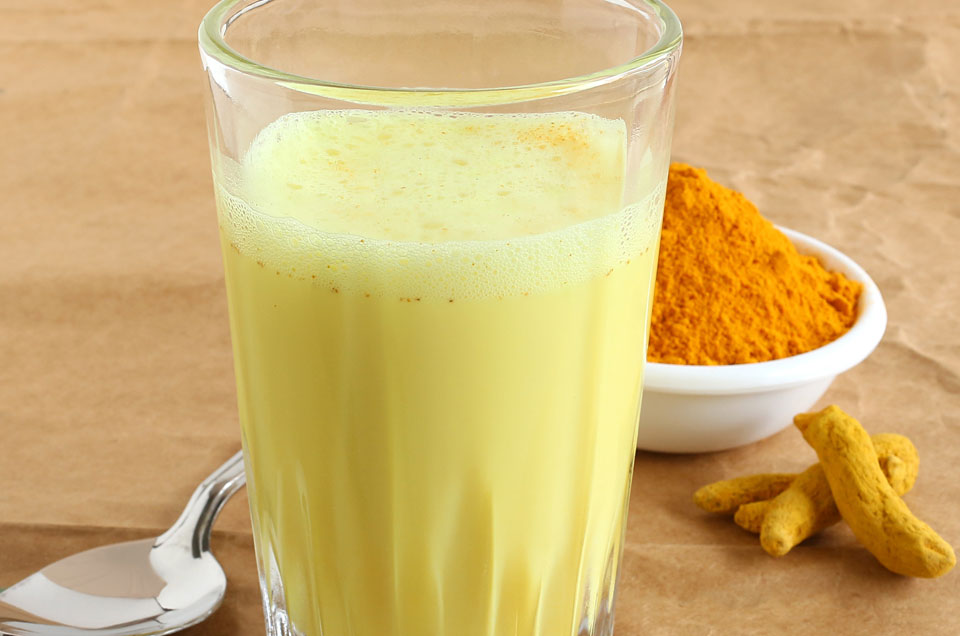
Herbal teas (ginger, turmeric)

Carbonated drinks

Sesame seeds

Excess caffeine

Soups and khichdi

Leftover/stale food

Our Evaluation Process for Knee Locking Cases at Jiva Ayurveda

Jiva Ayurveda’s evaluation process focuses on looking beyond the symptoms to discover the underlying cause behind knee locking.

Evaluation Includes: Thorough medical background study (history of problem, occurrence rate, triggering factors)

Lifestyle and activity study (walking, sitting pattern, physical work)

Diet analysis (foods causing excess Vata, digestive problems)

Pain evaluation & mobility assessment (joint stiffness, swelling, range of movement)

Prakriti Study: Study of body constitution (Vata, Pitta, Kapha) of the individual patient, which reveals their natural tendency towards imbalance.

Nadi Pariksha/Pulse Diagnosis: A very important Ayurvedic diagnostic technique, which helps in detecting:

  • Vata imbalance intensity
  • Joint weakening condition
  • Joint-related toxins in the digestive system

Our Step-by-Step Patient Care Process:

Expect a Call: Submit your contact details, or you can also call us on 0129 4264323. 

Appointment Confirmation

  • You can schedule an appointment and visit us at our clinic for a consultation with our Ayurvedic experts. 
  • If you are unable to find our clinics near you, you can also schedule an online consultation on  0129 4264323 at a discounted price of Rs. 49 (regular price Rs299) and avail guidance from our doctors at home. 

Detailed Diagnosis

Jiva doctor will perform a thorough and detailed diagnosis to identify the root cause of your health problem.

Root-cause Based Treatment

Jiva doctor will recommend a personalised treatment using highly-effective, natural, and Ayurvedic medicines to address symptoms and the root cause.

Timeline for Healing from Knee Locking

Duration of healing is dependent on the severity and length of the condition:

  • Mild cases: 2 to 4 weeks (initial stiffness or swelling)
  • Moderate cases: 1 to 3 months (locking occurs occasionally, slight degeneration)
  • Chronic cases: 3 to 6 months or more (degeneration, arthritis)

Key point: Early detection of the problem helps heal more quickly. Delays may mean a longer time required for supportive therapy.

What to Expect from Treatment?

Consistent therapy usually helps to achieve:

  • Less frequent locking sensations in the knee
  • Better joint mobility
  • Reduced swelling and pain
  • Increased stability when walking
  • Higher quality of everyday activities

Realistic expectations: It might not be possible to restore severely damaged cartilage, yet symptoms can be significantly reduced. Hope factor: With proper treatment, many people learn to walk comfortably again.

Patient Testimonial 

“My ankles and feet pained a lot. When I ate dried or oily food, the pain became even more. When the blood test results came back, the uric acid value was very high. Doctors gave me painkillers, but the relief was temporary. Jiva's doctor prescribed herbal medicines that gave me long-term relief from the pain. I recommend Jiva treatment to everyone.’

—-Raj Kumari

Estimated Cost of Treatment at Jiva Ayurveda

Understanding the financial investment required for your health is important. At Jiva Ayurveda, we make sure of transparency in our service costs, which allows you to choose the most suitable option for your medical needs.

Treatment Cost

For patients who seek standard, ongoing care, the Monthly Cost of Medicine and consultation typically ranges from Rs. 3,000 to Rs. 3,500. Please note that this is an estimated baseline. The final cost depends on the exact nature and severity of the patient's condition.

Protocol

For a more comprehensive, structured approach, we offer specialised package protocols. These plans are designed to address both physical symptoms and the overall lifestyle correction. The package includes:

The cost for this protocol involves a one-time payment ranging from Rs. 15,000 to Rs. 40,000, which covers the full 3 to 4-month duration of the treatment.

Jivagram

For patients requiring intensive and immersive care, our Jivagram centres offer the ultimate healing experience. Jivagram is a holistic sanctuary set in a peaceful, eco-friendly environment, and it provides:

  • Authentic Panchakarma therapies
  • Sattvic meals
  • Modern healing services
  • Comfortable accommodation
  • Many more quality-of-life facilities

An immersive wellness stay at Jivagram costs around 1 Lakh for a 7-day duration, ensuring continuous personalised care to help reset your body and mind.

Why Patients Trust Jiva Ayurveda

Over the years, Jiva Ayurveda has gained the trust of thousands of patients who are seeking natural and personalised healthcare solutions. Some of the key reasons for patients’ trust in Jiva Ayurveda:

  • Root-Cause Based Treatment

Unlike conventional treatments that address only the symptoms of disease, Ayurvedic treatment focuses on treating the root causes and correcting the underlying imbalances in the body that lead to disease.

  • Experienced Ayurvedic Doctors

Jiva Ayurveda boasts of having a huge team of experienced Ayurvedic doctors who thoroughly examine each patient’s condition before recommending treatment for diseases.

  • Personalised “Ayunique” Treatment Approach

Ayurvedic treatment is highly personalised and customised according to each individual’s prakriti and lifestyle.

  • Holistic Healing

Ayurvedic treatment is not limited to medicines; it also includes dietary and lifestyle modifications, breathing techniques, and stress management to support overall healing of the body and mind.

  • Trusted by Patients Across India

A huge percentage of patients have shown improvement in their conditions after adopting Jiva’s treatment plans and recommendations for diseases. This shows how much people trust Jiva Ayurveda for Ayurvedic treatment.

  • 95% of patients saw significant improvement within 3 months of treatment.
  • 88% of patients stopped allopathic medicines completely.
  • 8000+ patients are consulted every day
  • 1.5 million+ satisfied patients worldwide
  • 30+ years of Ayurvedic expertise
  • 80+ clinics across India 

Modern Treatment vs Ayurvedic Treatment for Knee Locking

Aspect

Modern Treatment

Ayurvedic Treatment

Approach

Symptom control

Root cause correction

Diagnosis

MRI, X-ray, tests

Prakriti + pulse diagnosis

Focus

Pain relief, surgery if needed

Vata balance, joint nourishment

Medicines

Painkillers, anti-inflammatory drugs

Herbal formulations

Long-term effect

May require repeated medication

Focus on recurrence prevention

Side effects

Possible with long-term use

Generally gentle and natural

When to See a Doctor? 

If you experience any of these conditions, seek a doctor's consultation immediately:

Proactive treatment prevents permanent joint damage.

CTA (Jiva Ayurveda)

If you are suffering from repeated knee locks or stiff joints, get in touch with an experienced Ayurvedic doctor at Jiva.

Contact Jiva Ayurveda:

 Call:0129-4264323

 Website: https://www.jiva.com/ 

 Online Consultation: Available across India

Conclusion

Knee lock doesn't just cause temporary pain – it indicates that there might be underlying issues of joint imbalance. Early intervention means improved odds of recovering completely and ensuring joint health in the future. Correcting your habits and adopting healthy routines, along with timely consultation, can ensure that your joints remain healthy and functional.
FAQs

A few instances might, but multiple episodes often require professional examination and treatment.

No, other causes include meniscal tear, ligament trauma, and inflammation.

Certainly, if the underlying problem remains unresolved, walking may exacerbate irritation.

Absolutely not, as several instances respond well to physical therapy, Ayurvedic medicine, and behavioural modifications.

Yes, particularly athletes and those with existing knee ailments.

Maintaining appropriate body mass, preventing overuse injuries, and regular leg muscle strengthening will help

Not necessarily. While it can be very scary and immobilising at first, most cases are highly treatable. If addressed early through holistic care, lifestyle changes, and proper therapy, many people regain full movement and return to their normal walking routine.

Yes. Although often associated with age-related wear and tear, younger individuals—especially those active in sports—frequently experience knee locking. This is usually due to acute injuries like a torn ligament (ACL/PCL) or a sudden meniscus tear during physical activity.

"True" locking feels like a physical block—as if something is literally stuck inside the hinge of your knee. "Pseudo-locking" is usually caused by intense pain or a muscle spasm that makes you afraid to move the leg, even though there isn't a physical fragment blocking the joint.

Actually, the opposite may be true. If the locking is caused by a mechanical issue like a cartilage fragment, forced walking can cause more irritation and damage. It is best to avoid heavy strain until the root cause is identified by an expert.

Absolutely. Surgery is not always the first or only answer. Many cases respond exceptionally well to natural approaches like Ayurvedic muscle-toning herbs, specialised joint lubrication treatments (like Janu Basti), and exercises designed to strengthen the supporting leg muscles.

Top Ayurveda Doctors

Social Timeline

Our Happy Patients

  • Sunita Malik - Knee Pain
  • Abhishek Mal - Diabetes
  • Vidit Aggarwal - Psoriasis
  • Shanti - Sleeping Disorder
  • Ranjana - Arthritis
  • Jyoti - Migraine
  • Renu Lamba - Diabetes
  • Kamla Singh - Bulging Disc
  • Rajesh Kumar - Psoriasis
  • Dhruv Dutta - Diabetes
  • Atharva - Respiratory Disease
  • Amey - Skin Problem
  • Asha - Joint Problem
  • Sanjeeta - Joint Pain
  • A B Mukherjee - Acidity
  • Deepak Sharma - Lower Back Pain
  • Vyjayanti - Pcod
  • Sunil Singh - Thyroid
  • Sarla Gupta - Post Surgery Challenges
  • Syed Masood Ahmed - Osteoarthritis & Bp
Book Free Consultation Call Us