 Published on
20 Mar, 2026
Published on
20 Mar, 2026 Updated on 25 May, 2026
 5181
5181Clicking or Popping Knees Without Pain: Should You Be Worried?
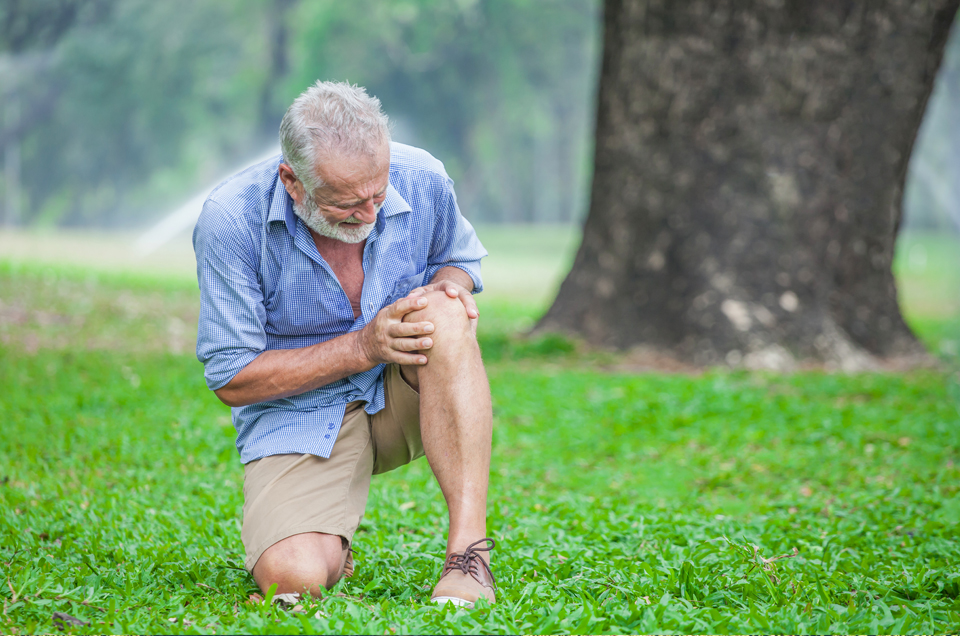
The clicking or popping sound in the knees during activities such as standing, climbing stairs, or squatting is a common and harmless phenomenon. This phenomenon, known as crepitus, is generally caused by the bursting of small bubbles of air present in the joint fluid or the sliding of ligaments and tendons over the joint.
The current lifestyle, with activities such as sitting, weaker muscles, and poor posture, has made this a common phenomenon, even among younger individuals. According to Ayurveda, this occurs due to an imbalance in Vata dosha, leading to dryness in the joints, thereby producing the clicking or popping sound.
By knowing the causes and symptoms, you will be able to understand when it is normal and when it is not.
Symptoms of Clicking or Popping Knees
The clicking or popping sound in the knee occurs without any pain or discomfort. However, some individuals may also experience additional symptoms depending on the reasons for the clicking or popping sound. Common symptoms include:
- Clicking or popping sound when bending or straightening the knee
- Clicking or cracking sound while climbing stairs or standing up from a chair
- Mild stiffness in the knee joint
- Temporary stiffness after prolonged sitting
- Mild discomfort during high-intensity activities
- A feeling of movement or shifting in the knee joint
Causes of Clicking or Popping Knees
Learning the reasons will enable you to take good care of your joint health. Both conventional and Ayurvedic factors will be discussed, which lead to the clicking or popping sound in the knee joint.
Modern Causes
Several factors, both physical and lifestyle-related, may cause clicking or popping sounds in the knee joint.
- Presence of gas bubbles in the joint fluid
The joint has a lubricating fluid, which is called synovial fluid. During joint movement, gas bubbles sometimes appear, and their bursting results in the clicking sound.
- Movement of the ligaments or tendons
The tendons and ligaments rub against the bones during joint movement. Sometimes, the tendons and ligaments change their position slightly, which results in the clicking sound.
- Weak muscles around the knee joint
Weak quadriceps and hamstring muscles may cause the kneecap to move abnormally, which results in the clicking sound.
Excessive sitting for long periods of time results in decreased joint flexibility and muscle strength, thereby making the chances of joint popping more likely.
- Ageing and cartilage changes
The cartilage covering the knee joint may gradually degenerate over time, thereby causing a clicking and grinding feeling.
Ayurvedic Causes
According to Ayurvedic medicine, the state of the joint has a direct correlation with the balance of the three doshas: Vata, Pitta, and Kapha.
Vata is the energy of movement in the human body, including the joints. When Vata levels rise, causing dryness, stress, improper meals, and excessive physical activity, joint cracking occurs.
Excessive Pitta levels in the human body, causing inflammation and heat, may lead to joint pain, causing irritation during movement.
- Kapha Accumulation
The energy of stability and lubrication in the human body is Kapha. When Kapha levels rise, causing joint stiffness, the joint movement becomes restricted.
When Knee Popping is a Warning Sign
In most cases, knee popping without pain is normal. Nevertheless, there are instances when such signs may be a warning of something wrong with the joints and should not be taken lightly. Some signs should be observed to help understand whether the condition requires medical attention. Warning signs that should be taken seriously when accompanied by knee popping are:
- Pain while moving or at rest
- Presence of swelling in the knee joint
- Stiffness that makes it hard to bend or straighten the knee
- Grinding feeling along with pain
- Weakness and instability
- Reduced ability to move the knee
- Popping sound after injury
Some of these signs may be manifestations of problems such as damaged cartilage, ligament, and even early signs of joint degeneration. In such instances, it is recommended to seek medical attention after several days.
Ayurvedic Treatment for Knee Joint Sounds
The Ayurvedic approach aims at achieving the state of balance in the body, particularly the Vata dosha, which has an important role in the functioning of the joints. Imbalance in the Vata dosha can cause dryness and decreased lubrication in the joints, which results in joint cracking or popping sounds. Several Ayurvedic treatments are effective in improving the strength and flexibility of the joint.
Abhyanga (Oil Massage)
Massaging the body with oil on a regular basis helps to nourish the joints and enhance the circulation of oil. Some of the oils used for oil massage include:
- Sesame oil
- Mahanarayan oil
- Dhanwantharam oil
Panchakarma Therapies
Some of the Ayurvedic detoxification treatments can be effective in balancing the doshas and improving joint health. The treatments include:
Basti (medicated enema therapy) – This therapy is usually recommended for Vata imbalance patients.
Janu Basti – This involves oil therapy applied to the knee joint area.
Swedana (herbal steam therapy) – This therapy helps to relieve stiffness.
What Increases Your Risk? Hidden Causes & Future Joint Problems You Shouldn’t Ignore
Risk Factors:
Certain factors may increase the risk of knee clicking:
- Sedentary lifestyle and sitting for long periods
- Weak thigh and leg muscles
- Poor posture and alignment
- Aging and wear and tear on cartilage
- Being overweight and putting pressure on the knee joints
- Previous knee injuries
Lack of physical activity and improper physical activity
Possible Complications (if ignored):
Painless knee clicking does not pose any significant threat, and ignoring this problem may result in:
- Wear and tear on cartilage
- Development of knee pain and stiffness
- Reduced mobility in the knee
- Early onset of osteoarthritis
- Ligament and meniscus problems in the knee
How is Clicking Knee Diagnosed?
In cases where one hears a clicking or popping sound from their knee, diagnosis is largely based on determining whether it is a normal occurrence within one’s joints or not. The diagnosis is normally easy, non-intrusive, and aims at determining the actual cause.
Modern Diagnosis Methods
The following are some of the ways doctors diagnose a Clicking Knee condition:
- Physical Examination
- Understanding Medical History
- Using X-rays to check bone structure and joint space
- Using MRI Scans to check ligaments, cartilages, or menisci
- Using CT Scans to check joints
An early diagnosis will help determine whether the condition is harmless or is a symptom of joint degeneration.
Diagnosis of Clicking Knee in Ayurveda
In Ayurveda, Clicking Knee is diagnosed based on a variety of factors. It is not just a single symptom that is diagnosed. It is a combination of a variety of factors that help diagnose the condition.
Nadi Pariksha or Pulse Diagnosis
Checking for imbalance in Vata Dosha, which is responsible for causing joint sounds
Understanding individual constitution
Vikriti Analysis
Understanding the imbalance in the individual's constitution
Sparsha and Darshan of Joints
Checking for dryness, stiffness, and movement in the knee joint
Evaluation of Lifestyle and Diet
Checking for habits that increase Vata Dosha in the individual
Checking for proper digestion to provide proper nourishment to joints or Asthi Dhatu.
Why Do Your Knees Make Sounds? An Ayurvedic View on Vata Imbalance
Clicking Knees in Ayurveda
In Ayurveda, clicking of the knee is generally associated with an imbalance of Vata dosha, which controls all the movements in the body. The imbalance of Vata dosha causes dryness in the joints, leading to friction. A weaker digestion, or imbalance of Agni, also causes an imbalance in the nourishment of the joint tissues, or Asthi Dhatu. This causes clicking in the joints, reflecting a systemic imbalance in the body, as opposed to a simple physical imbalance.
- Excess Vata causes dryness in the joints, or Sandhi Shushkata
- This causes friction, leading to clicking
- Weaker digestion or imbalance of Agni causes weaker nourishment of joint tissues or Asthi Dhatu
Thus, the imbalance is not just physical, but systemic.
How Jiva Ayurveda Naturally Restores Joint Health from the Root?
Jiva Ayurveda is based on the principle of treating the actual problem rather than the symptoms of the problem. The treatment is personalised based on the body type of the individual (Prakriti) and is designed to balance the Vata dosha in the body, as well as improve the digestive system and the strength of the joints so that they are properly lubricated, and the problem is prevented from progressing further.
- Personalised care according to our body constitution, or Prakriti
- Balancing excess Vata dosha
- Improving our digestion and metabolism, or Agni
- Improving nourishment of our bone and joint tissues, or Asthi Dhatu
- We do this in a safe and non-invasive manner using natural therapies.
Ayurvedic Herbs for Clicking Knees
Herbs such as Ashwagandha, Shallaki, Guggulu, Nirgundi, and Hadjod help to build bone strength, reduce inflammation, increase mobility, and rejuvenate the joint tissues. The herbs work in conjunction to balance Vata and promote joint health. Some commonly used Ayurvedic herbs include:
- Ashwagandha – Strengthens muscles and supports joint stability
- Shallaki (Boswellia) – Reduces inflammation and improves joint mobility
- Guggulu – Helps relieve stiffness and supports joint repair
- Nirgundi – Provides relief from joint discomfort
- Hadjod (Cissus quadrangularis) – Strengthens bones, ligaments, and connective tissues
Effective Ayurvedic Therapies to Reduce Knee Clicking Naturally
Therapies such as Abhyanga oil massage, Janu Basti, Panchakarma detox, and Swedana help reduce stiffness, improve blood circulation, and increase joint lubrication. These therapies help relax the joints and promote natural healing and flexibility in them.
Various external therapies in Ayurveda help reduce dryness, increase lubrication, and promote flexibility:
- Abhyanga oil massage: Helps improve blood circulation and reduce stiffness
- Janu Basti: Warm oil therapy for knee joints
- Panchakarma detox: Helps eliminate Ama (toxins) in the body
- Swedana: Helps reduce stiffness and increase joint flexibility
Eat Right for Healthy Knees: Best Diet to Reduce Joint Sounds
Recommended Foods:
- Warm, freshly cooked meals
- Ghee and healthy fats for lubrication
- Milk and calcium-rich foods
- Whole grains and easily digestible foods
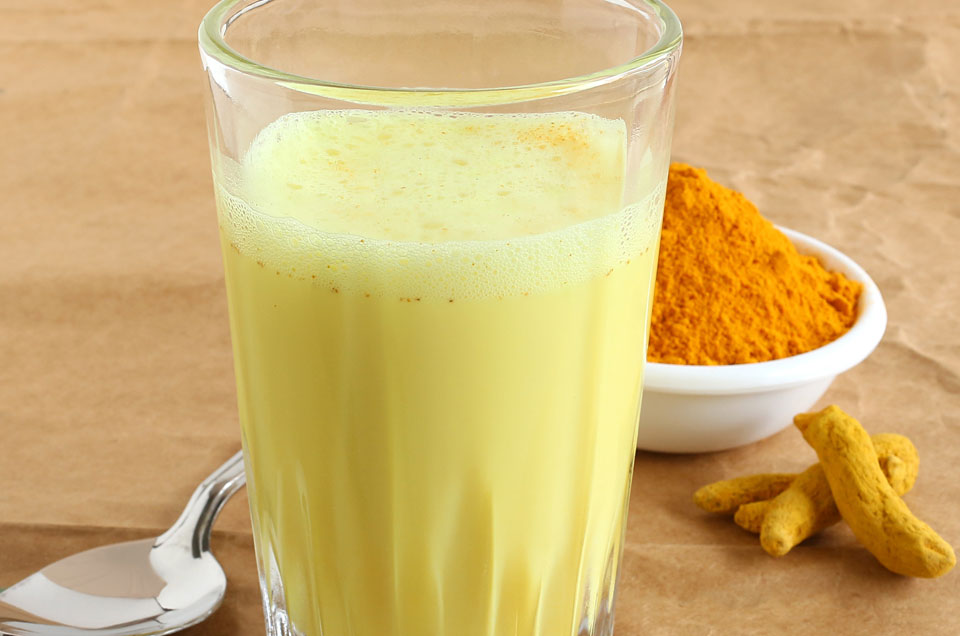
- Herbal teas (ginger, turmeric)
Foods to Avoid:
- Dry, cold, and processed foods
- Excess caffeine and junk food
- Packaged and frozen items
- Excessively spicy or fried foods
A Vata-balancing diet helps maintain joint health and prevent further issues.
How We Assess Patients at Jiva Ayurveda
At Jiva Ayurveda, we do not just focus on your symptoms. We focus on your entire body. Every patient is different. So, it is not just a matter of knee sounds. Here is a step-by-step explanation of our consultation process:
- Detailed Health Discussion: We discuss your symptoms, lifestyle, and medical history.
- Prakriti Analysis: We analyse your body type. Are you a Vata, Pitta, or Kapha?
- Nadi Pariksha (Pulse Diagnosis): We use pulse diagnosis to understand your internal imbalances.
- Joint Examination: We check your knee joint for movement, stiffness, flexibility, and sounds.
- Root Cause Identification: Is it dryness in your joint (caused by Vata imbalance), weak cartilage, or degeneration? Ayurvedic doctors focus on identifying the cause of your condition.
Our Step-by-Step Patient Care Process:
Expect a Call: Submit your contact details, or you can also call us on 0129 4264323.
Appointment Confirmation.
- You can schedule an appointment and visit us at our clinic for a consultation with our Ayurvedic experts.
- If you are unable to find our clinics near you, you can also schedule an online consultation on 0129 4264323 at a discounted price of Rs. 49 (regular price Rs299) and avail guidance from our doctors at home.
Detailed Diagnosis
Jiva doctor will perform a thorough and detailed diagnosis to identify the root cause of your health problem.
Root-cause Based Treatment
Jiva doctor will recommend a personalised treatment using highly-effective, natural, and Ayurvedic medicines to address symptoms and the root cause.
Healing Timeline: When Will You See Results?
The healing timeline is different for everyone and depends on the cause.
- 2-4 Weeks: Relief from joint stiffness and comfort in joints.
- 4-8 Weeks: Reduction in the frequency of clicks (if caused by dryness or imbalance).
- 2-3 Months: Improved joint strength and flexibility.
- Long-Term: Prevention of future joint problems.
Consistency is key. Ayurveda is a gentle but deep healing practice.
What Results Can You Expect?
With proper care and under the right guidance, most people can expect:
- Less audible sounds in the knee
- Better lubrication of the joint
- Increased flexibility of the joint
- Strengthening of muscles around the knee
- Prevention of future degeneration of the joint
However, if the sound in the knee is caused by ligament injuries, then extra care has to be taken.
Patient Testimonial - Raj Kumari
"My ankles and feet pained a lot. When I ate dried or oily food, the pain became even worse. When the blood test results came back, the uric acid value was very high. Doctors gave me painkillers, but the relief was temporary. Jiva's doctor prescribed herbal medicines that gave me long-term relief from the pain. I recommend Jiva treatment to everyone."
Estimated Cost of Treatment at Jiva Ayurveda
Understanding the financial investment required for your health is important. At Jiva Ayurveda, we make sure of transparency in our service costs, which allows you to choose the most suitable option for your medical needs.
Treatment Cost
For patients who seek standard, ongoing care, the Monthly Cost of Medicine and consultation typically ranges from Rs. 3,000 to Rs. 3,500. Please note that this is an estimated baseline. The final cost depends on the exact nature and severity of the patient's condition.
Protocol
For a more comprehensive, structured approach, we offer specialized Package protocols. These plans are designed to address both physical symptoms and the overall lifestyle correction. The package includes:
- Medicine
- Consultation
- Mental Well-Being Sessions
- Yoga and Meditation
- Diet
The cost for this protocol involves a one-time payment ranging from Rs. 15,000 to Rs. 40,000, which covers the full 3 to 4-month duration of the treatment.
Jivagram
For patients requiring intensive and immersive care, our Jivagram centres offer the ultimate healing experience. Jivagram is a holistic sanctuary set in a peaceful, eco-friendly environment, and it provides:
- Authentic Panchakarma therapies
- Sattvic meals
- Modern healing services
- Comfortable accommodation
- Many more quality-of-life facilities
An immersive wellness stay at Jivagram costs around 1 Lakh for a 7-day duration, ensuring continuous personalised care to help reset your body and mind.
Why Patients Trust Jiva Ayurveda
Over the years, Jiva Ayurveda has gained the trust of thousands of patients who are seeking natural and personalised healthcare solutions. Some of the key reasons for patients’ trust in Jiva Ayurveda:
- Root-Cause Based Treatment
Unlike conventional treatments that address only the symptoms of disease, Ayurvedic treatment focuses on treating the root causes and correcting the underlying imbalances in the body that lead to disease.
- Experienced Ayurvedic Doctors
Jiva Ayurveda boasts of having a huge team of experienced Ayurvedic doctors who thoroughly examine each patient’s condition before recommending treatment for diseases.
- Personalised “Ayunique” Treatment Approach
Ayurvedic treatment is highly personalised and customised according to each individual’s prakriti and lifestyle.
- Holistic Healing
Ayurvedic treatment is not limited to medicines; it also includes dietary and lifestyle modifications, breathing techniques, and stress management to support overall healing of the body and mind.
- Trusted by Patients Across India
A huge percentage of patients have shown improvement in their conditions after adopting Jiva’s treatment plans and recommendations for diseases. This shows how much people trust Jiva Ayurveda for Ayurvedic treatment.
- 95% of patients saw significant improvement within 3 months of treatment.
- 88% of patients stopped allopathic medicines completely.
- 8000+ patients consulation everyday
Modern Treatment vs Ayurvedic Treatment for Clicking Knees
|
Aspect |
Modern Treatment |
Ayurvedic Treatment |
|
Approach |
Focuses on symptoms and structural assessment |
Focuses on root cause and body balance (doshas) |
|
View of Condition |
Often considered harmless unless painful |
Seen as an early sign of imbalance (especially Vata) |
|
Diagnosis |
Physical exam, X-ray, MRI (if needed) |
Prakriti analysis, Nadi Pariksha, lifestyle evaluation |
|
Treatment Style |
Observation, physiotherapy, supplements |
Herbal medicines, oils, diet, and lifestyle correction |
|
Medications |
Painkillers (if pain develops), calcium supplements |
Natural herbs to improve joint lubrication and strength |
|
Therapies |
Strengthening exercises, sometimes braces |
Abhyanga (oil massage), Panchakarma, joint therapies |
|
Long-Term Focus |
Manages symptoms, prevents worsening |
Aims to correct the imbalance and prevent recurrence |
|
Side Effects |
Possible with long-term medication use |
Generally minimal when guided properly |
|
Prevention |
Exercise and posture correction |
Diet, routine, detox, and holistic lifestyle balance |
When Should You Consult a Doctor?
Although harmless, there are some warning signs you shouldn’t ignore if you experience painless clicking of the knee. These include:
- The clicking sound is accompanied by pain or discomfort
- Swelling or stiffness in the knee joint
- A feeling of locking or “sticking” in the knee joint
- Instability of the knee, or feeling as if the knee “gives way”
- Trouble in walking, bending, or climbing stairs
- A history of trauma or injury in the past
It’s best to consult a doctor at once if you experience any of these symptoms.
Conclusion
Clicking and popping sounds from your knees, especially if there is no pain, do not really pose a significant problem. Nevertheless, it is not entirely wise to ignore these sounds. This is like your body’s early warning that your joints may need attention.
By changing your lifestyle and, if possible, using a holistic practice such as Ayurveda, you can definitely take care of your joints naturally and avoid any possible problems from occurring.