 Published on
06 Aug, 2026
Published on
06 Aug, 2026 Updated on 29 Aug, 2026
 5127
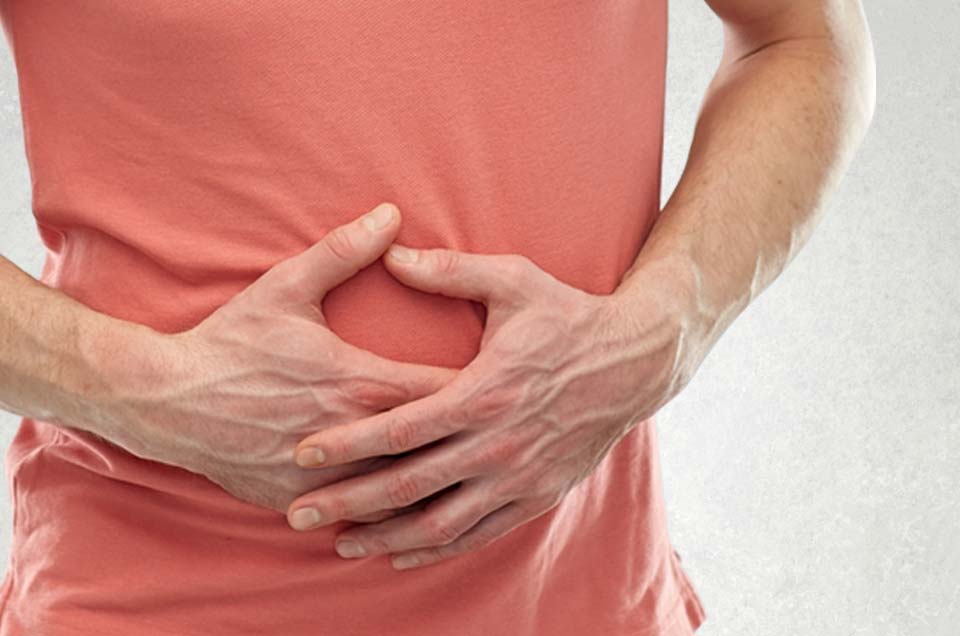
5127In Indian households, the most comforting food made every day is either dal-chawal or roti-sabzi. Many people love both for several reasons. However, the debate is: which is better and works more effectively for digestion?
When we talk about their benefits, both are rich in fibre and protein, and are very good sources of energy. However, if you want to know which is better for you, you first need to understand your body type. In Ayurveda, it is said that everything starts with digestion. But what if your digestion is too weak to process either food, or so strong that even after eating a large portion, you still don't feel full?
What Makes A Meal Easy Or Difficult To Digest?
A meal’s digestibility depends on several factors, but one of the most basic reasons is a person’s capacity. If a person has a wonderful digestive system, he can digest every type of meal easily; on the other hand, if a person’s digestive system works very slowly, then it will be hard for him to even digest a simple meal.
Apart from this, a meal’s digestive capacity also depends on the fibre content of the food, the amount of fat used in cooking, the portion of the food, the cooking method used, protein quality, eating speed, and physical activity after meals. All these factors are interconnected, and if any one is missing, then it becomes difficult for a person to digest a meal easily.
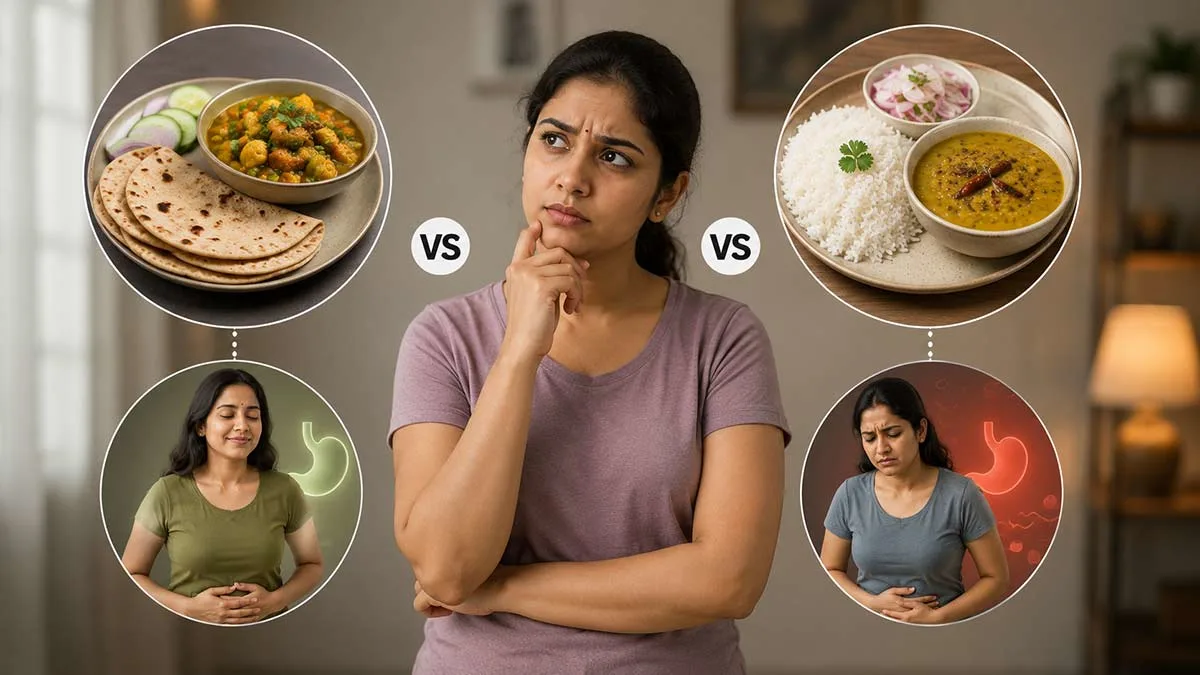
Roti-Sabzi Vs Dal Chawal: A Nutritional Comparison You Should Know?
Both meals have their own benefits and some consequences if not eaten correctly. Let’s understand the difference between the two:
- Roti-Sabzi: Roti-sabzi is generally high in fibre and protein from dal chawal if several vegetables are included. High fibre helps in good bowel movements, sustained energy, and maintains gut health. But if a person has weak digestion, then it may not work well for him because of the nutrients available in both.
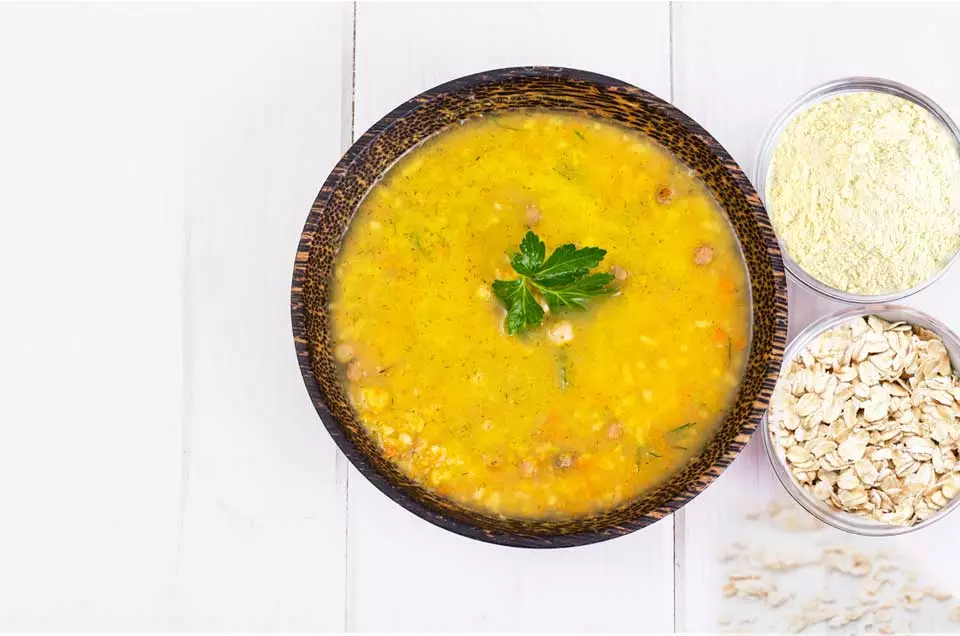
- Dal-Chawal: Lentils and rice are very easy to digest. Mung or masoor lentils dissolve as soon as they enter the stomach. Lentils provide good protein, while rice provides instant energy. Because rice is digested quickly and lentils soothe the stomach, one feels very light after eating lentils and rice. For those with weak digestion, there's no better meal than lentils and rice.
Which Meal Is Better For Digestive Concerns?
This is another question that comes to mind for many individuals who suffer from digestive issues. Let’s break it down one by one and understand according to the condition of a person:
- Acidity: People with acidity can tolerate both foods when eaten in good portions. It is suggested to avoid oily, spicy foods and to have lightly cooked foods, as they can be digested easily and help in dealing with acidity.
- Bloating & Gas: People who suffer from gas are advised to avoid lentils such as rajma, chole, and chana daal, as they can cause bloating. Many vegetables, such as cabbage, cauliflower, and onion, are advised to avoid for people with susceptible stomachs.
- Constipation: Individuals suffering from constipation are recommended to eat roti along with vegetables rich in fibre, since it greatly helps in having proper bowel movements. Adding salads, fruits, and drinking enough water can help in maintaining strong gut health.
- Sensitive Stomach: People who have a sensitive stomach are advised to avoid heavy, oily, and spicy food, as it can cause them severe stomach irritation. Soft rice with simple plain moong dal with light spices is advised for them to avoid any sort of stomach discomfort.
An Ayurvedic Perspective On Digestion
In Ayurveda, digestion has been given the utmost importance as it is considered the foundation of overall health. Ayurveda explains this as the Agni, which means the digestive fire that is constantly burning in our stomach to process the food we eat. If a person has strong agni, then he will be able to digest food efficiently; on the flip side, if a person has weak agni, he won’t be able to digest food properly; he may face issues such as gas, bloating, and constipation.
Ayurveda doesn’t recommend the same meal to everyone; rather, it talks about the prakriti ( the body type of an individual) and then suggests the meal for a person. Because it is believed that every person has a different and unique body type, it is not necessary that what suits one can also suit the other.
Why is the way of cooking so important?
In Ayurveda, great importance is given to the method of cooking and the way you eat the food. Even if the same food is cooked in different ways, its effect on the stomach can change. Eating lentils without seasoning them with asafoetida and cumin seeds can cause gas and bloating. Food should always be cooked in a small amount of oil and over a low flame. People tend to put lots of spices while cooking to make it more tasty, but it only makes it unhealthy as it severely affects our stomachs.
Doctor’s Advice
Dal-Chawal is much lighter and easier on your stomach than Roti-Sabzi. Rice digests quickly, while wheat rotis take longer to break down and can cause gas or heaviness. If your gut feels sensitive or heavy, stick to Dal-Chawal, especially for dinner. See a doctor if your stomach issues don't go away.
Simple Tips To Make Both Meals More Digestion-Friendly
If you want to keep your digestion healthy and efficient, keep in mind the following tips to avoid any sort of stomach or health issues:
- Drink plenty of water throughout the day, but don't drink too much while eating.
- Try to chew your food properly.
- Go for a slow walk of at least 15-20 minutes.
- Don't lie down on the bed immediately after eating.
- Set a meal time. Eat at the same time every day.
- Always keep dinner light and eat it two hours before sleeping.
- Avoid packaged, processed, fried, and junk food.
Adopting these lifestyle changes can help you maintain better digestion in the long term.
Common Mistakes That Make Either Meal Hard To Digest
Many people tend to make several mistakes while eating, which makes it difficult for their stomachs to digest food efficiently:
- Eating too quickly
- Taking oversized portions
- Overeating or overstuffing even when you are full
- Drinking sugary beverages or drinks alongside your meals
- Going to bed immediately after eating your meal
- Skipping meals and then overeating later
- Eating oily and extra spicy food for the taste
- Using a phone or watching TV while eating
Try to avoid these mistakes while eating for better digestion and health.
Final Thoughts
This debate about roti-sabzi and dal-chawal has no single winner. It all depends on how these foods are prepared and consumed after making needful changes in eating habits.
If one has weak digestion, then it will be hard to digest both meals, so it is suggested to keep it light, cooked, warm, and fresh. On the other hand, if one has strong digestion, then it’s easy to digest both meals, but still, it is suggested to keep your eating habits controlled so that digestion remains maintained.
And the most effective method of healthy eating is never to choose one food and eat it forever. It is necessary to make a variety of foods, including whole grains, beans, vegetables, fruits, drink enough water, and eat properly.
References
Your Digestive System & How it Works - NIDDK
Introduction to the Digestive System | SEER Training