 Published on
19 Mar, 2026
Published on
19 Mar, 2026 Updated on 25 May, 2026
 5142
5142Why Joint Pain Worsens During Weather Changes?
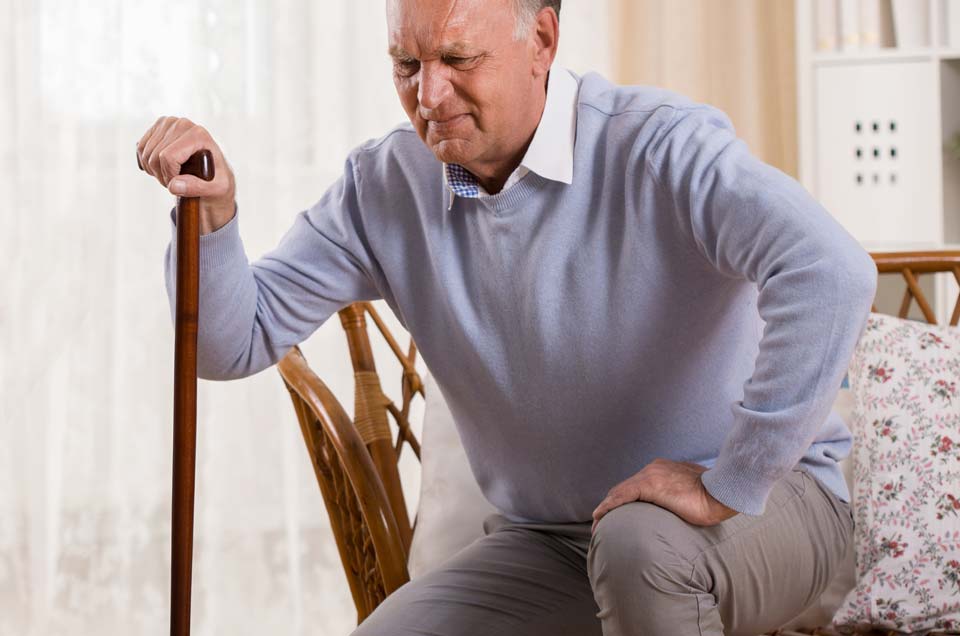
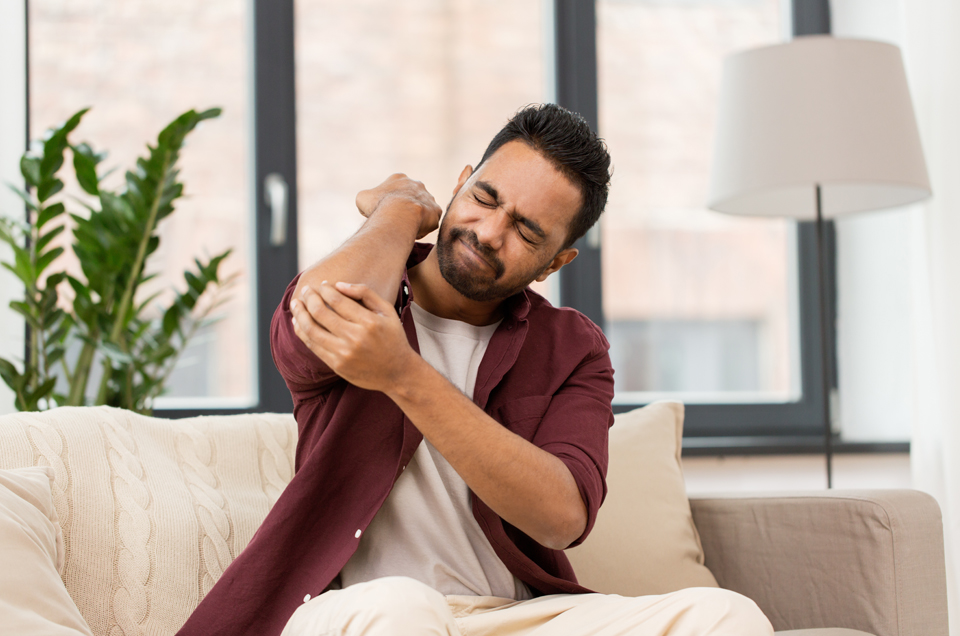
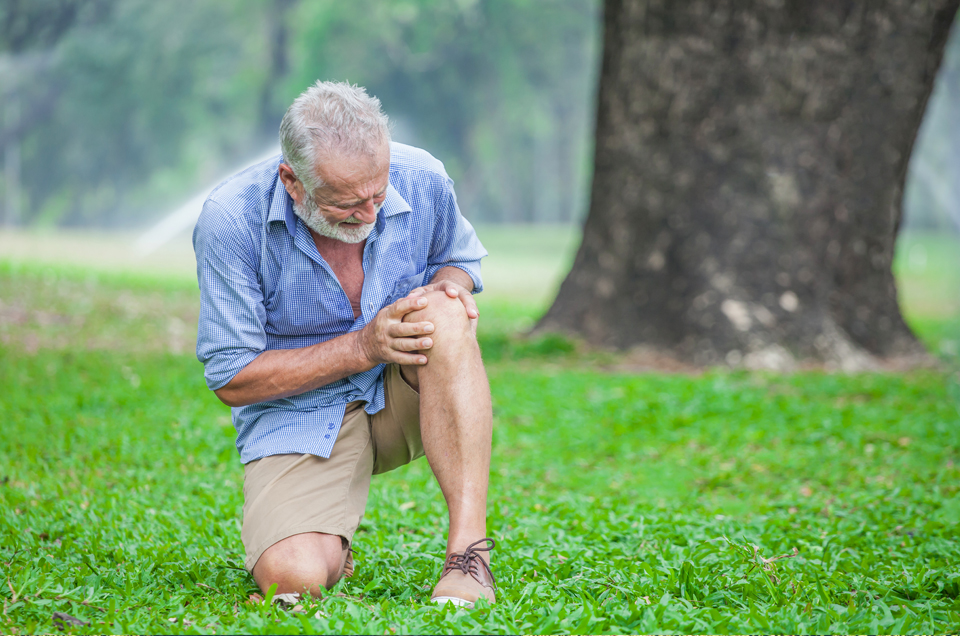
It has been noticed that many people experience joint pain that worsens with changes in the weather. Weather changes, like cold temperatures, rainfall, or low air pressure, make the joints stiffer and cause pain. Many people who are suffering from arthritis or have previously injured their joints experience this problem.
Weather changes can cause pain, stiffness, and swelling of the muscles, ligaments, and tissues around the joints, which can be very uncomfortable. Knowing the reasons behind joint pain caused by changes in the weather can help manage the problem efficiently and prevent future joint complications.
What is Weather-Related Joint Pain?
Weather-related joint pain can be described as an increase in joint pain, stiffness, and swelling caused by changes in weather patterns. People experience increased pain in different parts of the body, like the knees, hips, hands, and shoulders, especially when the weather changes, like on rainy or cold days. Weather changes are not the primary cause of joint diseases, but they can cause an increase in joint pain, especially for people who are suffering from joint diseases.
Types of Joint Conditions Affected by Weather
There are some joint conditions that are more susceptible to changes in the weather. They include:
- Osteoarthritis – a condition in which the joints develop pain due to the degeneration of the cartilage in the joints.
- Rheumatoid Arthritis – a condition in which the joints become inflamed due to the autoimmune response.
- Gout – a condition that is similar to arthritis and is characterised by the presence of uric acid in the joints.
- Old Joint Injuries – In some cases, old joint injuries, including fractured or ligament-stretched joints, may develop pain due to sudden changes in the weather.
Signs & Symptoms
The signs and symptoms that may develop in people experiencing joint pain due to changes in the weather include:
- Joint stiffness, especially in the mornings during cold weather
- Aching or throbbing pain in the joints
- Decreased ability to move the joints
- Slight inflammation in the joints
Risk Factors & Complications
Risk Factors
- Aging
- Arthritis or Joint Problems
- Joint Injuries
- Being Overweight
- Lack of Physical Exercise
Possible Complications if Left Untreated
- Chronic Joint Stiffness
- Impaired Joint Mobility
- Worsening Arthritis
- Difficulty in Daily Activities
How is Joint Pain Diagnosed?
Doctors have developed various ways to identify the cause of joint pain and provide the most effective treatment for it.
Modern Medical Diagnosis
- Physical Exam
A physical examination by the doctor, where he checks the joint for movement, swelling, and tenderness.
- X-rays
Helps to identify bone damage or cartilage loss in the joint.
- MRI or CT Scan
Helps to identify soft tissues, ligaments, and cartilage in the joint.
- Blood Tests
Helps to identify rheumatoid arthritis or gout.
- Joint Fluid Analysis
Helps to identify infection or uric acid presence in the joint.
Joint pain, if diagnosed and treated early, can be controlled, and mobility can be maintained, especially during weather changes.
Joint Pain in Ayurveda
In Ayurveda, joint pain is related to an imbalance of Vata Dosha, which is responsible for body movements, lubrication, and flexibility. Changes in weather, such as cold, windy, and humid conditions, can cause an increase in Vata Dosha in the body. An increase in Vata Dosha leads to dryness in the joints, decreased lubrication, joint stiffness, and pain.
Ayurveda states that joint pain-related diseases include Sandhivata, or osteoarthritis, and Amavata, or rheumatoid arthritis. Ayurveda states that an increase in Ama, or toxins, in the body and improper digestion can cause joint inflammation and pain. Hence, Ayurvedic treatment aims at balancing Vata Dosha, eliminating Ama, or toxins, and increasing joint strength.
Jiva Ayurveda Treatment Approach
Jiva Ayurveda adopts a personalised treatment approach for each patient according to his/her body type, or Prakriti, and his/her lifestyle, as well as the cause of the problem. The treatment includes the following steps:
- Administration of herbal medicines to balance Vata Dosha and reduce inflammation
- Detoxification to eliminate Ama, or toxins, accumulated in the body
- Lifestyle and dietary changes
- External treatments to increase joint lubrication and flexibility
Ayurvedic treatment aims at not only relieving joint pain but also increasing joint strength to prevent joint degeneration.
Ayurvedic Herbs for Joint Pain
Many herbs in Ayurveda can be used for reducing joint pain and inflammation, and for increasing joint strength.
- Ashwagandha: It helps in reducing inflammation and increases strength in the joints.
- Shallaki (Boswellia): It is used for reducing inflammation and joint pain.
- Guggulu: It helps in increasing joint strength and reducing joint pain.
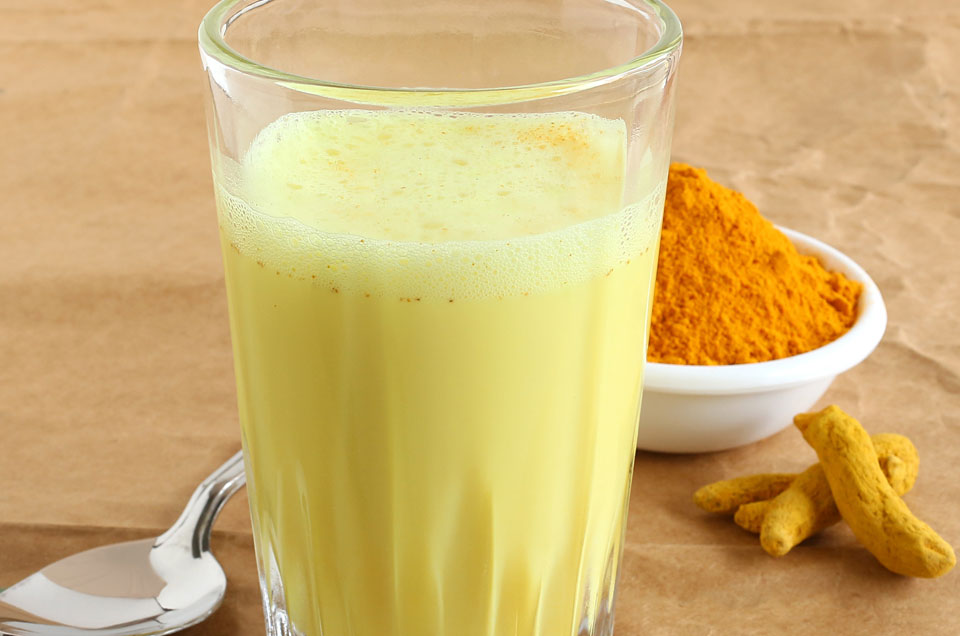
- Turmeric (Haldi): It is a powerful anti-inflammatory agent that helps in reducing joint pain.
- Nirgundi: It helps in reducing joint pain and inflammation.
These herbs are generally used in combinations according to the condition of the patient.
Ayurvedic Therapies
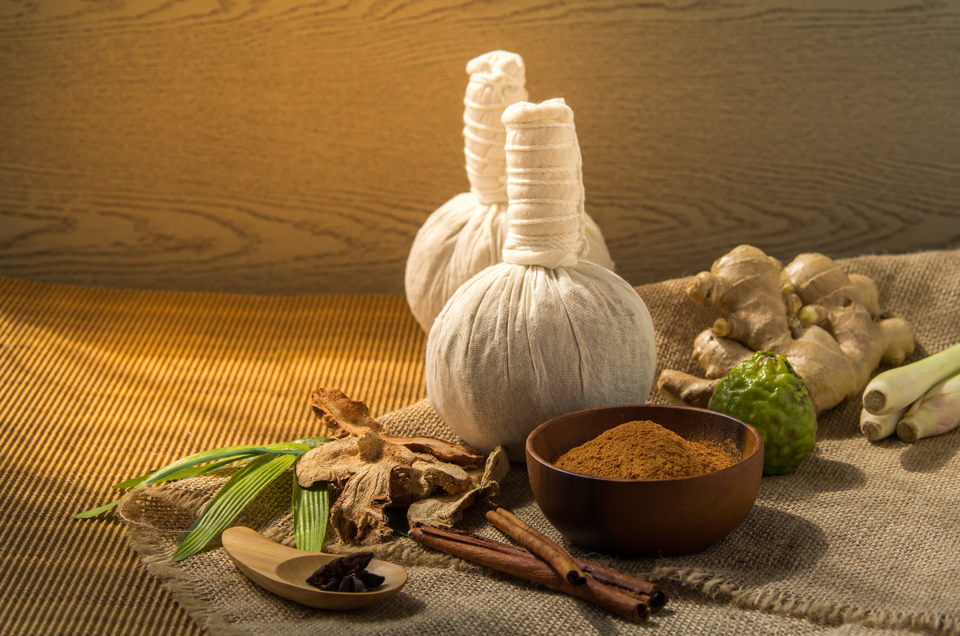
Ayurveda uses external therapies as well for reducing joint pain and increasing joint flexibility.
- Abhyanga (Oil Massage): It uses medicated oils for increasing joint flexibility.
- Swedana (Herbal Steam Therapy): It helps in increasing joint flexibility.
- Basti (Medicated Enema): It is considered to be the most effective therapy for increasing joint flexibility and reducing Vata imbalance.
- Lepana (Herbal Paste Application): It is applied externally for reducing joint pain and inflammation.
These therapies increase joint lubrication and provide relief quickly.
Diet for Joint Pain
Foods to Include
- Warm and freshly cooked foods
- Whole grains such as wheat and oats
- Ginger, turmeric, and garlic
- Healthy fats such as ghee and sesame oil
- Green vegetables and fruits are in season
Foods to Avoid
- Cold and refrigerated foods
- Processed and packaged foods
- Too much of sour and fermented foods
- Too much sugar and junk foods
- Too much red meat
A balanced diet coupled with healthy lifestyle habits will help manage joint pain and reduce sensitivity to weather changes.
How We Assess Our Joint Pain Patients at Jiva Ayurveda
At Jiva Ayurveda, we offer a personalised consultation to understand the root cause of joint pain instead of just treating the symptoms. Our Ayurvedic doctors assess the patient through a detailed assessment process. A typical assessment process involves:
- Prakriti Analysis: Understanding the patient's body type (Vata, Pitta, Kapha).
- Pulse Diagnosis (Nadi Pariksha): Understanding internal imbalances in the body through pulse diagnosis.
- Review of Past Illness: Discussion about past illnesses and symptoms.
- Lifestyle Assessment: Understanding patient lifestyles that might cause or worsen joint pain, such as a lack of exercise or an improper diet.
This assessment process ensures that doctors offer a personalised solution for the patient's joint health.
Our Step-by-Step Process for Treating Your Joint Pain
At Jiva Ayurveda, our patient treatment process is generally a systematic process. Our doctors and experts ensure that patients receive the best possible treatment for their joint pain.
Step 1: Consult Our Ayurvedic Doctor
Our patient discusses their symptoms and medical history in a detailed consultation with our doctor.
Step 2: Ayurvedic Diagnosis
Our doctors use their expertise in Ayurvedic medicine to diagnose the dosha and root cause of joint pain in the patient.
Step 3: Personalised Treatment Plan
Our doctors create a personalised treatment plan for the patient.
Step 4: Ayurvedic Therapies
External therapies or Panchakarma therapies may be prescribed to improve joint health.
Step 5: Regular Follow-ups
The progress is monitored, and if necessary, the treatment plan is altered to achieve better results.
Our Step-by-Step Patient Care Process:
Expect a Call: Submit your contact details, or you can also call us on 0129 4264323.
Appointment Confirmation.
- You can schedule an appointment and visit us at our clinic for a consultation with our Ayurvedic experts.
- If you are unable to find our clinics near you, you can also schedule an online consultation on 0129 4264323 at a discounted price of Rs. 49 (regular price Rs299) and avail guidance from our doctors at home.
Detailed Diagnosis
Jiva doctor will perform a thorough and detailed diagnosis to identify the root cause of your health problem.
Root-cause Based Treatment
Jiva doctor will recommend a personalised treatment using highly-effective, natural, and Ayurvedic medicines to address symptoms and the root cause.
Healing Timeline
The healing process for joint pain may vary depending on the severity of the condition, age, and overall health of the patient.
- If the patient has mild joint pain, they may recover in 4-6 weeks.
- For moderate joint conditions, patients may feel relief in 2-3 months.
- If the patient has chronic arthritis or other joint problems, they may recover in 3-6 months or longer.
- If patients follow the treatment and attend regular follow-ups, they may achieve better results.
What Results Can You Expect?
If patients undergo Ayurvedic treatment and make the necessary lifestyle changes, they may expect to achieve the following:
- Joint pain and stiffness may subside.
- Joint flexibility and mobility may improve.
- Joint strength may improve.
- Inflammation and swelling may subside.
- Overall quality of life may improve.
Ayurveda aims at curing the root cause of the illness and helps to maintain balance in the human body. Hence, patients may not suffer from joint pain and other related problems in the future.
Patient Story- Raj Bala Sharma
“I had severe joint pain in my knees and back. I could not stand for long durations, and climbing stairs was becoming very difficult. Doctors gave me pain medication, but it wasn't working effectively. So, I started looking for better options, and one day a friend suggested Jiva Ayurveda. I can't express in words the change that has happened after starting treatment at Jiva. The pain is so much less now.”
Estimated Cost of Treatment at Jiva Ayurveda
Understanding the financial investment required for your health is important. At Jiva Ayurveda, we make sure of transparency in our service costs, which allows you to choose the most suitable option for your medical needs.
Treatment Cost
For patients who seek standard, ongoing care, the Monthly Cost of Medicine and consultation typically ranges from Rs. 3,000 to Rs. 3,500. Please note that this is an estimated baseline. The final cost depends on the exact nature and severity of the patient's condition.
Protocol
For a more comprehensive, structured approach, we offer specialized Package protocols. These plans are designed to address both physical symptoms and the overall lifestyle correction. The package includes:
- Medicine
- Consultation
- Mental Well-Being Sessions
- Yoga and Meditation
- Diet
The cost for this protocol involves a one-time payment ranging from Rs. 15,000 to Rs. 40,000, which covers the full 3 to 4-month duration of the treatment.
Jivagram
For patients requiring intensive and immersive care, our Jivagram centres offer the ultimate healing experience. Jivagram is a holistic sanctuary set in a peaceful, eco-friendly environment, and it provides:
- Authentic Panchakarma therapies
- Sattvic meals
- Modern healing services
- Comfortable accommodation
- Many more quality-of-life facilities
An immersive wellness stay at Jivagram costs around 1 Lakh for a 7-day duration, ensuring continuous personalised care to help reset your body and mind.
Why Patients Trust Jiva Ayurveda
Over the years, Jiva Ayurveda has gained the trust of thousands of patients who are seeking natural and personalised healthcare solutions. Some of the key reasons for patients’ trust in Jiva Ayurveda:
- Root-Cause Based Treatment
Unlike conventional treatments that address only the symptoms of disease, Ayurvedic treatment focuses on treating the root causes and correcting the underlying imbalances in the body that lead to disease.
- Experienced Ayurvedic Doctors
Jiva Ayurveda boasts of having a huge team of experienced Ayurvedic doctors who thoroughly examine each patient’s condition before recommending treatment for diseases.
- Personalised “Ayunique” Treatment Approach
Ayurvedic treatment is highly personalised and customised according to each individual’s prakriti and lifestyle.
- Holistic Healing
Ayurvedic treatment is not limited to medicines; it also includes dietary and lifestyle modifications, breathing techniques, and stress management to support overall healing of the body and mind.
- Trusted by Patients Across India
A huge percentage of patients have shown improvement in their conditions after adopting Jiva’s treatment plans and recommendations for diseases. This shows how much people trust Jiva Ayurveda for Ayurvedic treatment.
- 95% of patients saw significant improvement within 3 months of treatment.
- 88% of patients stopped allopathic medicines completely.
- 8000+ patients consulation everyday.
Modern Treatment vs Ayurvedic Treatment for Joint Pain
|
Aspect |
Modern Treatment |
Ayurvedic Treatment |
|
Approach |
Focuses mainly on reducing pain and inflammation using medicines. |
Focuses on treating the root cause by balancing doshas and improving overall joint health. |
|
Medications |
Painkillers, anti-inflammatory drugs, and steroid injections are commonly used. |
Herbal medicines are made from natural ingredients such as Ashwagandha, Guggulu, and Shallaki. |
|
Therapies |
Physiotherapy and, in severe cases, surgery like joint replacement. |
Panchakarma therapies such as Abhyanga, Swedana, and Basti to detoxify and strengthen joints. |
|
Treatment Goal |
Temporary relief from symptoms. |
Long-term management and prevention by restoring balance in the body. |
|
Side Effects |
Long-term use of medicines may cause side effects like stomach issues or dependency. |
Natural treatments with minimal side effects when taken under expert supervision. |
When Should You Consult a Doctor?
It is important to consult a doctor if you experience:
- Persistent joint pain lasting more than a few weeks
- Severe swelling or redness around the joint
- Difficulty moving or bending the joint
- Sudden intense pain after an injury
- Joint pain accompanied by fever or unexplained fatigue
Early consultation can help identify the underlying cause and prevent the condition from becoming more serious.
Conclusion
Joint pain during weather changes is a common concern for many people, especially those who have arthritis or those who have experienced injuries in their joints. Weather changes in temperature, humidity, and pressure often affect joints.
Ayurveda is a natural remedy for joint pain, and this is achieved by addressing the root cause, balancing doshas, and strengthening joints. With the right combination of herbal medicine and therapy, people are able to get relief from joint pain. Timely consultation and proper treatment will ensure healthy joints for a better life.