 Published on
26 Aug, 2026
Published on
26 Aug, 2026 Updated on 26 Aug, 2026
 5080
5080Many of us experience a lack of appetite in the morning. When we look at our breakfast, many of us think that this is not a tasty thing to eat or that it is not time to eat.
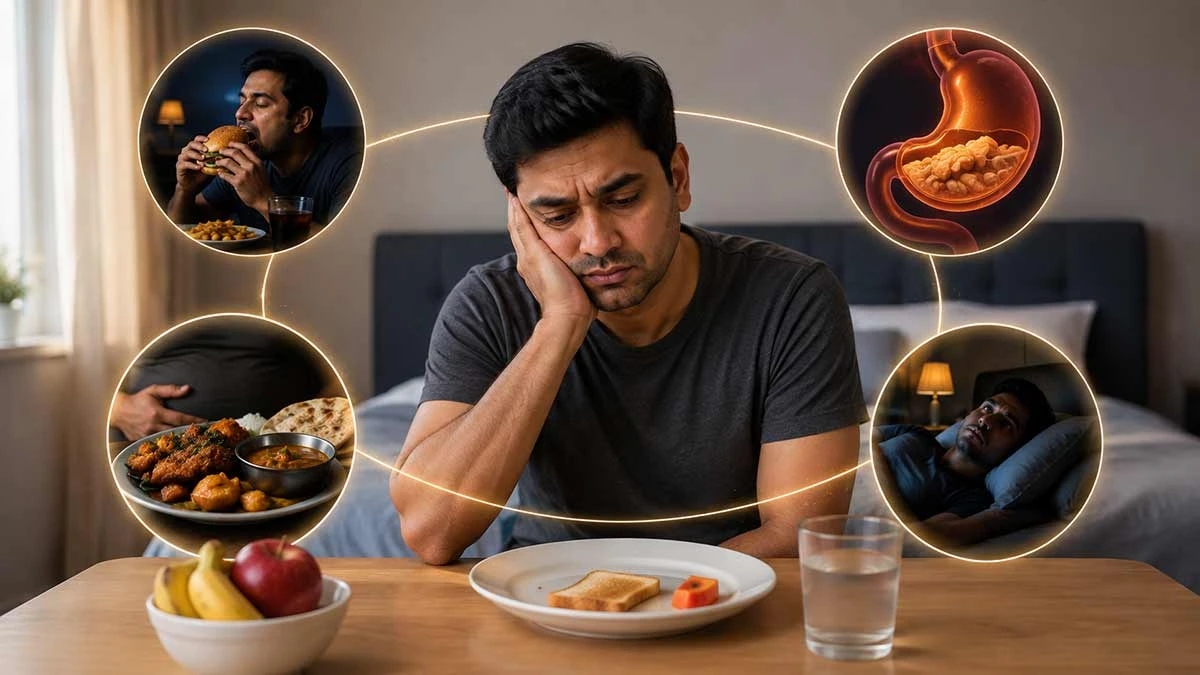
Have you ever woken up in the morning and realized that you are not hungry at all? You may usually enjoy breakfast, but after having dinner late at night, you suddenly have no interest in food.
This can happen to many people. A late dinner, especially a large or heavy one, can affect how hungry you feel the next morning. Your digestion, sleep, and meal timing. And daily body rhythm can all play a role.
Your Dinner May Still Be Keeping You Full
Your body continues to digest food even while you sleep. If you eat dinner at 10 or 11 p.m. and go to bed soon after, there may not be enough time between dinner and sleep. A large meal can take several hours to move through your digestion system. Because of this, you wake up feeling full, heavy, bloated, and less interested in food.
For example, eating a large dinner at 10:30 p.m. can leave you feeling much less hungry at 8:00 a.m. than eating a moderate dinner at in your @ 7:30 or 8:00 pm.
Heavy Dinner Can Reduce Morning Hunger
A light and balance dinner is different from a large meal filled with fried foods, rich gravy, sweets or processed food when dinner is very heavy your body may simply need more time to digest it you may not feel hungry the next morning because you still feel satisfied from the previous meal that you had, this does not necessarily mean that your digestion is weak, sometimes the simplest explanation is that you ate more than your body need it at that time.
What Could Be Other Underlying Causes?
There are several possible factors that, apart from the above factors, could be reasons for less hunger in the morning, like
Taking certain medications
If you have any medical condition and are taking different medicines could be a reason for loss of hunger.
You are getting older
People in the old age group, who are not able to perform physical activity and have a sedentary lifestyle, can also feel a lack of hunger.
Having thyroid issues
Having an imbalance related to the thyroid can also lead to hunger or lack of appetite.
Pregnancy
Pregnant women can also feel changes in their bodies that result in appetite imbalance because that can let your body pass through a different phase for you mentally and physically.
Circadian Rhythm Disbalance
The daily lifestyle or daily routine cycle is the most common reason why your hunger is not doing well.
IBS (Irritable Bowel Syndrome )
Eating and suddenly running to the bathroom can also affect hunger, and eating any food and suddenly having conditions like cramps and diarrhea, or problems with your digestion.
Cortisol suppresses
Cortisol is the stress hormone in your body that can affect your mental and physical state and can also affect your whole digestion and your mind; eating can also get affected.
Anxiety and Depression.
This let the loss of hunger by changing the brain chemicals.
Is It Bad To Skip Breakfast?
Not really. Not everyone feels hungry immediately after waking up; some people naturally prefer to eat later in the morning. If you occasionally wake up without hunger after having a late-night dinner, you do not have to force yourself to eat a large breakfast; however, there is a difference between occasionally not feeling hungry and regularly skipping breakfast because of late-night overeating
What Can You Do?
Here is a list of ways you can do for better hunger:
- Try to eat dinner earlier
- Avoid very heavy late dinners
- Reduce late-night snacking
- Maintain a regular sleep schedule
- Do not force a big breakfast
- Take proper sleep
- Avoid overeating
- Stay hydrated
- Keep yourself away from junk food.
When Should You Be Concerned?
Not feeling hungry one morning is usually not a reason to worry.
However, if your appetite stays low for a long time, it is worth paying attention to.
If you have ongoing loss of appetite along with unexplained weight loss, repeated vomiting, persistent stomach pain, severe weakness, difficulty in swallowing, or other unusual symptoms.
Conclusion
Having a regular dinner within your eating capacity is advisable here, and skipping breakfast due to the late-night dinner is alright occasionally, but it should not be done regularly because it can ruin your appetite. If you are having any of the symptoms given above, don't wait or expect your body to recover on its own; this can lead to a delay in the treatment. Underlying causes and random symptoms are both different; if you are experiencing something with your body, you need to get professional help to diagnose your health. Lack of Hunger is not the only symptom.
References
Metabolic Effects of Late Dinner in Healthy Volunteers—A Randomized Crossover Clinical Trial - PMC