Diabetes, arthritis, skin disorders & more! Get a free consultation with Top Ayurveda doctors - +91 9266714040 | No travel, No waiting – Consult Jiva’s doctors from home via video call! | Get up to 10% OFF! On Authentic Ayurveda Products! Best Prices only on the brand store. Visit : www.store.jiva.com
Most headaches improve with rest or usual treatment, but some can be a sign of a serious health problem. Knowing which symptoms to look out for can help you decide when to seek medical care. A sudden, severe headache or pain accompanied by symptoms such as confusion, weakness, fever, or vision changes should never be ignored.
Sudden Severe Headache
A sudden, extremely severe headache that reaches its peak within seconds or a minute needs emergency medical attention. It is sometimes described as a thunderclap headache and may be linked to bleeding in the brain or another serious condition. Even if the pain starts to ease, do not ignore it or wait for it to return. Seek emergency care immediately rather than trying to manage it at home.
Weakness, Confusion, Fainting, Or Seizure
A headache accompanied by sudden weakness, confusion, fainting, or a seizure needs immediate medical attention. These symptoms may indicate a serious problem, such as a stroke or bleeding in the brain. Difficulty speaking, trouble walking, or weakness on one side of the body are also warning signs. Seek emergency care immediately, even if the symptoms improve after a few minutes. Do not assume they are part of a migraine or wait for them to go away on their own.
Fever, Stiff Neck, Or Rash
A headache along with fever, a stiff neck, or a new rash may be a sign of a serious infection, such as meningitis. You may also notice vomiting, sensitivity to light, or confusion. These symptoms should not be ignored, especially when they appear together or develop quickly. Seek emergency medical care immediately rather than waiting for the fever to settle or trying to manage the symptoms at home.
Head Injury
A headache that develops after a fall, accident, or blow to the head should not be ignored, especially if the pain gets worse over time. Other warning signs include repeated vomiting, dizziness, confusion, unusual sleepiness, or difficulty remembering what happened. Seek emergency medical care if these symptoms occur, particularly after a significant head injury. Do not assume that the injury is minor just because there is no visible wound or the person did not lose consciousness.
Pregnancy Or After Childbirth
A migraine during pregnancy or after childbirth may feel similar to a usual attack, but a new, severe, or persistent headache needs extra attention. Hormonal changes can affect migraine patterns, but severe pain should not automatically be blamed on hormones. If the headache comes with blurred vision, sudden swelling, high blood pressure, or upper abdominal pain, seek urgent medical care, as these may be signs of preeclampsia or another serious condition.
New Headache After Age 50
If you develop a headache for the first time after age 50, it is important to get it checked rather than assuming it is a migraine. Pay attention to pain that keeps getting worse, scalp tenderness, jaw pain while chewing, or changes in vision. These symptoms may point to another condition that needs prompt treatment. Ayurvedic approaches such as gentle relaxation and a regular sleep routine may help support migraine management after a diagnosis, but a new headache at this age should always be medically evaluated first.
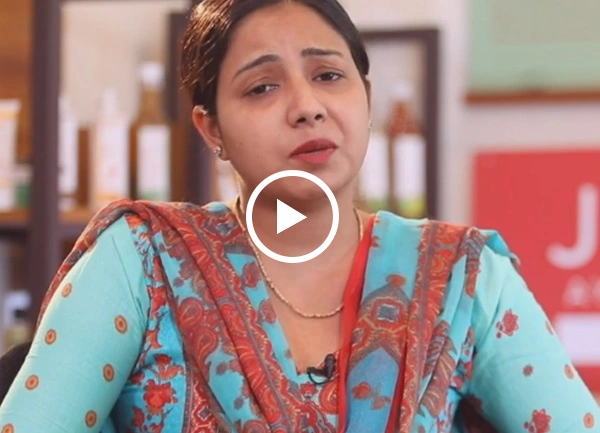
I was suffering from migraine for a long time. My headache wouldn't go away. I consulted many doctors and took a lot of allopathic medicine but got no benefit. Then one of my relatives was getting treatment at Jiva Lajpat Nagar and recommended I try Jiva once.
Then I went there and met Dr. Sarika Rawat. She listened to my problem very carefully and gave me medicine. After about 1 month I started feeling better.
I got a lot of relief. Now I am mostly fine. And I want to say thanks to Jiva Lajpat.
Again, thank you Jiva Lajpat Nagar
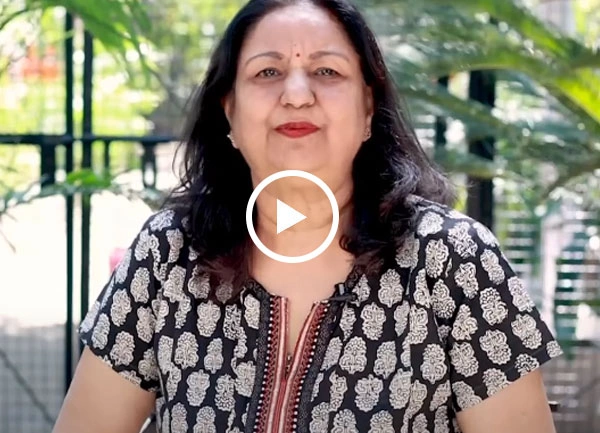
visited the clinic for my migraine treatment and had a very good experience with Dr. Sikandar. He listened to my problem carefully and explained the treatment very well.
Special thanks to Manoj at the reception for his excellent support. He was very polite, helpful, and managed everything smoothly. Because of his guidance, the whole process became very easy and comfortable.
Highly recommended!
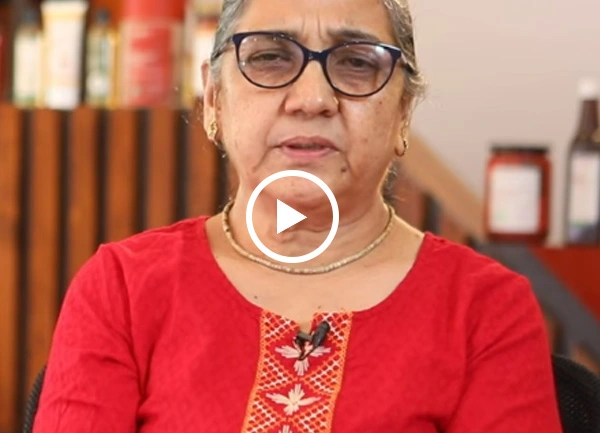
My experience with Jiva Ayurveda is very good.
I have sever headache all the time .
I take panchkarma treatment from there.
After taking this.I got a lot of relief.
Dr. Neetu Sharma is too good . She listen your problems very carefully and suggest you a good advice and medicines And the panchkarma treatment given by Therapist Rajji Mam is very satisfying and effective.She is well trained and humble.
Patient Success Stories
Cancer Or Weak Immune System
People with cancer or a weakened immune system should take a new or unusual headache seriously. In some cases, it may be related to an infection or another underlying condition rather than migraine. If the headache is persistent, getting worse, or comes with fever, confusion, or vision changes, seek medical attention promptly.
Ayurvedic approaches should only be considered after the cause of the headache has been assessed. Relaxation and gentle breathing exercises may help with stress, but herbal remedies should be discussed with your medical team, as some can interact with cancer treatments or other medicines.
New Eye Or Vision Symptoms
New vision symptoms during a migraine, such as flashing lights, zigzag lines, or blind spots, may be signs of migraine aura. However, sudden vision loss, persistent visual changes, or a first episode of unusual visual symptoms should not automatically be blamed on migraine. Seek urgent medical assessment, especially if symptoms affect one eye or occur with weakness or difficulty speaking.
From an Ayurvedic perspective, stress management, regular sleep, and relaxation practices such as gentle breathing exercises may support overall migraine management. Ayurvedic treatment can be considered as part of an individualised care plan, depending on the person's symptoms and health history. Sudden or persistent vision changes still need urgent medical assessment before starting treatment.
Clear Action: Emergency Versus Prompt Appointment
Knowing when a headache needs emergency care and when it can be checked through a regular appointment is important for anyone living with migraine.
Seek emergency care if the headache starts suddenly and becomes extremely severe, or if you experience sudden vision loss, weakness, confusion, difficulty speaking, or a seizure.
Book a doctor's appointment if your headaches are becoming more frequent, feel different from your usual migraine, or are not improving with your regular treatment. New visual symptoms should also be assessed, particularly if they are different from your usual migraine aura.
Ayurvedic care may help support migraine management through an individualised approach, along with regular sleep, relaxation, and stress management. However, sudden or unusual symptoms should be assessed promptly rather than managed with home remedies alone.
Do Not Reassure Based Only On Previous Migraine
Having a history of migraine does not mean every headache is another migraine attack. If the pain feels different from usual, starts suddenly and severely, or comes with new symptoms such as weakness, confusion, or vision loss, seek medical attention immediately. Even if previous attacks were diagnosed as migraine, new or unusual symptoms should not be ignored. Ayurvedic care may support ongoing migraine management, but these warning signs need prompt medical evaluation.
Use Local Emergency Guidance
If a headache comes with emergency warning signs, seek medical help immediately through your local emergency service or the nearest hospital. In India, you can call 112 for emergency assistance. Do not delay care to try home remedies or Ayurvedic treatments. Once the cause has been assessed, Ayurvedic care may be considered as part of a broader migraine management plan.
Seek emergency care if you have a sudden, extremely severe headache, sudden vision loss, weakness, confusion, difficulty speaking, or a seizure. These symptoms may indicate a condition other than migraine.
Yes. A migraine attack lasting more than 72 hours may be a condition called status migrainosus and requires medical advice.
Ayurvedic care may support migraine management through an individualised approach. Regular sleep, stress management, and relaxation practices may also help. Discuss herbal remedies with your doctor to check for possible interactions with other medicines.
Stress may trigger migraine attacks in some people. Relaxation, regular sleep, and breathing exercises may help manage stress as part of an overall migraine care plan.
Find Jiva Ayurveda Clinics for Migraine Treatment Near You

 Published on 26 Oct, 2026
 Updated on 26 Oct, 2026