Diabetes, arthritis, skin disorders & more! Get a free consultation with Top Ayurveda doctors - +91 9266714040 | No travel, No waiting – Consult Jiva’s doctors from home via video call! | Get up to 10% OFF! On Authentic Ayurveda Products! Best Prices only on the brand store. Visit : www.store.jiva.com
Medication overuse headache can happen when headache medicines are used too often over time. Ayurveda views medication overuse headaches as a chronic Vata- Pitta imbalance made worse by chemical toxicity (Ama) and excessive nervous system stimulation. Instead of providing lasting relief, the medicines may become part of a pattern where headaches occur more frequently. This is common in people who already experience migraine. Recognising the signs early and reviewing medicine use with a doctor can help prevent the problem from getting worse.
What Medication-Overuse Headache Is
Medication overuse headache happens when frequent use of headache medicines or painkillers is linked to headaches occurring more often than usual. It commonly affects people who already have migraine or other recurring headaches. The medicine may ease the pain temporarily, but the headache can return, leading to more frequent headaches.
A person may have medication overuse headache when they experience headaches on 15 or more days a month and regularly overuse headache medicines for more than 3 months. The frequency of medicine use is considered overuse of medicines, depending on the medicines.
If your headache is becoming more frequent and severe than usual or you need pain relievers more often than usual, you should consult a neurologist or healthcare professional.
Which Medicines May Be Involved
Several types of medicines used to relieve headaches or migraines may contribute to medication overuse headache when taken too frequently over time. These include:
Simple pain relievers such as paracetamol and aspirin.
NSAIDs or anti-inflammatory pain relievers such as ibuprofen and naproxen.
Migraine-specific medicines such as triptans and ergotamines.
Combination pain relievers such as Excedrin, which include two or more ingredients with caffeine.
Opioids and narcotics.
Sedatives such as fioricet and benzodiazepines.
The risk depends on how many days a medicine is used, the type of medicine, and the person's headache pattern.
Pattern Of Frequent Headaches
Medication overuse headache often develops gradually. Headaches that once occurred occasionally may appear to begin more often. The relief from medicines may not last, and the pain can return, making it tempting to take another dose. These patterns vary from person to person. Some Common Patterns To Watch For Include:
More headache days or headaches begin occurring more often than they used to.
Pain that keeps returning even after taking medicines.
Changes in migraine attacks; they become more frequent or harder to manage.
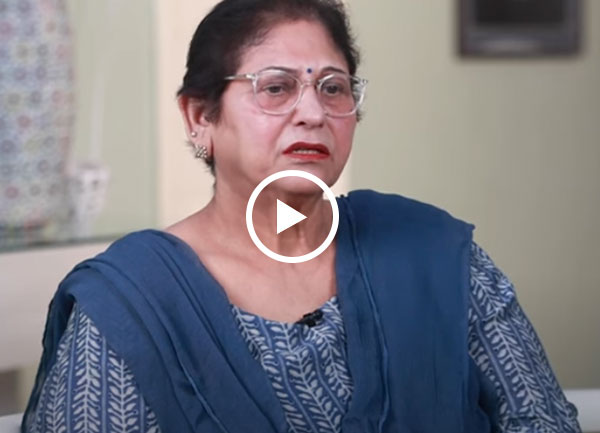
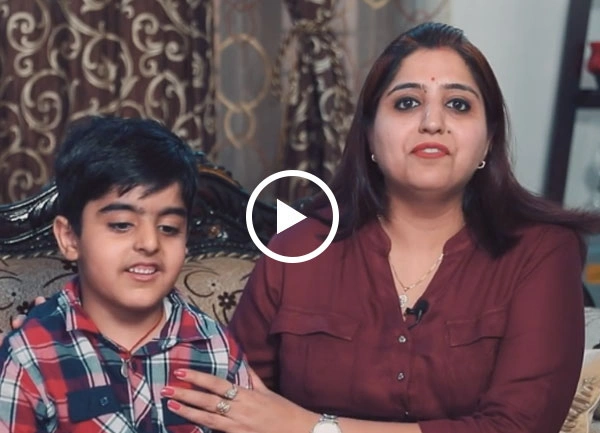
I was suffering from migraine for a long time. My headache wouldn't go away. I consulted many doctors and took a lot of allopathic medicine but got no benefit. Then one of my relatives was getting treatment at Jiva Lajpat Nagar and recommended I try Jiva once.
Then I went there and met Dr. Sarika Rawat. She listened to my problem very carefully and gave me medicine. After about 1 month I started feeling better.
I got a lot of relief. Now I am mostly fine. And I want to say thanks to Jiva Lajpat.
Again, thank you Jiva Lajpat Nagar
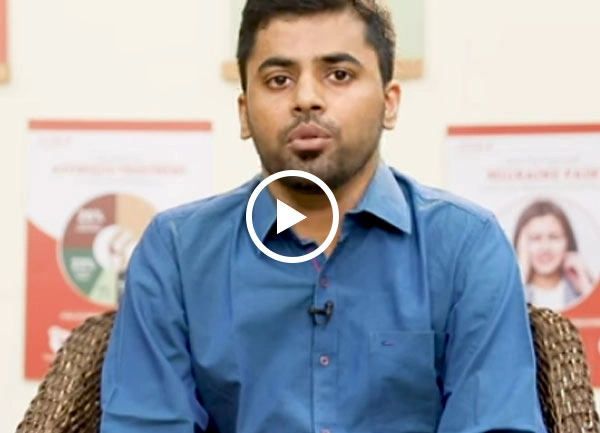
visited the clinic for my migraine treatment and had a very good experience with Dr. Sikandar. He listened to my problem carefully and explained the treatment very well.
Special thanks to Manoj at the reception for his excellent support. He was very polite, helpful, and managed everything smoothly. Because of his guidance, the whole process became very easy and comfortable.
Highly recommended!
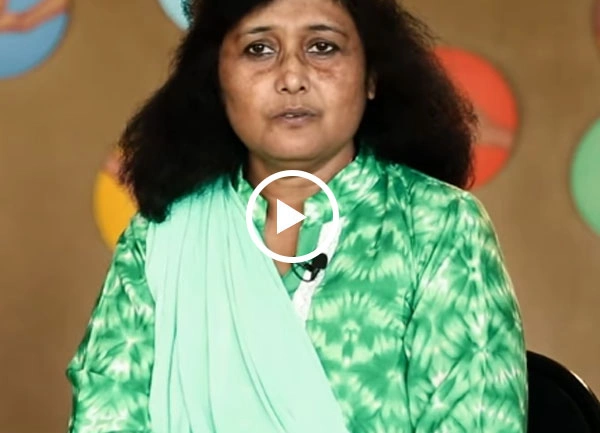
My experience with Jiva Ayurveda is very good.
I have sever headache all the time .
I take panchkarma treatment from there.
After taking this.I got a lot of relief.
Dr. Neetu Sharma is too good . She listen your problems very carefully and suggest you a good advice and medicines And the panchkarma treatment given by Therapist Rajji Mam is very satisfying and effective.She is well trained and humble.
Patient Success Stories
How It Is Diagnosed
Clinicians diagnose medication overuse headache by reviewing headache frequency, medication use, and medical history.
Headache Pattern: Headaches occur on 15 or more days per month.
Medicine Use: Headache relief medicines are used for more than three months.
Headache Diary: Records of headache days, symptoms, and medicine use help identify patterns.
Further Tests: Scans or other tests may be needed if symptoms suggest another cause.
Why Stopping Suddenly May Not Be Appropriate
Stopping headache medicines suddenly may not be suitable for everyone. The safest approach depends on the medicine type, how often it is used, and the person’s medical history.
Withdrawal Symptoms: Stopping some medicines such as NSAIDs, including aspirin, ibuprofen, or naproxen, can cause temporary worsening of headaches, nausea, restlessness, or sleep disturbance.
Risk Of Certain Medicines: Opioids and medicines containing barbiturates may require gradual withdrawal under medical supervision to avoid severe complications.
Need For A Treatment Plan: A professional doctor can guide the withdrawal process and suggest alternative preventive treatment.
Clinician-Supported Withdrawal Overview
Treatment for medication overuse headache focuses on reducing or stopping the overused medicine safely, while managing headaches during withdrawal.
A doctor assesses the medicine and decides on a suitable withdrawal plan.
Some medicines can be stopped abruptly, while opioids and barbiturates may require gradual, supervised withdrawal.
Headaches may temporarily worsen during withdrawal, so appropriate support and follow-ups are important.
A doctor may recommend preventive treatment to manage the underlying migraine or headache disorder.
Ayurvedic care may complement the treatment through relaxation practices, sleep routine, dietary habits, and lifestyle management.
Preventive Treatment
Preventive treatment aims to reduce headache frequency and severity, particularly when migraine is an underlying condition. Preventive treatment should be designed for the individual. A doctor may recommend medicines alongside a plan to address medication overuse.
Medicines such as topiramate, propranolol, or amitriptyline may be considered, depending on the person’s medical history and symptoms.
Ayurvedic therapies such as Deepana & Pachana are used to burn Ama (toxins) left behind by synthetic drug breakdown.
Purification therapies such as Shodhana and Nasya are used to calm the Vata-driven nervous system.
Shamana or palliative herbal formulations such as Godanti Bhasma, Brahmi, and Ashwagandha are used to reduce sensitivity and stress.
Dietary and lifestyle changes are suggested to stabilize neurovascular responses.
Diary And Relapse Prevention
Keeping a headache diary can help identify patterns, track progress, and reduce the risk of medication overuse returning.
Note when headaches occur, how long they last, and any symptoms.
Record the medicine taken and the number of days it is used.
Note possible triggers, sleep changes, missed meals, and stress.
Attend follow-up appointments and discuss frequent headaches before increasing medication use.
Maintain a healthy routine, such as regular sleep, balanced meals, and relaxation practices, because it may support headache management.
When To Seek Urgent Care
Medication overuse headache should not be assumed to explain every severe or unusual headache. Seek emergency medical care if you notice:
Sudden, severe headache
New neurological symptoms such as weakness, numbness, difficulty speaking, confusion, or loss of consciousness.
Fever or stiff neck with severe headaches
Sudden vision changes
Headaches after head injury
Headaches get worse even with rest and medicines
You need more doses of painkillers to address migraine attacks.
Yes, many people improve with an appropriate treatment plan that addresses medication overuse and the underlying headache disorder.
Preventive treatment may reduce headache frequency, particularly in people with migraine. A doctor can help select an appropriate treatment.
Not suddenly. The safest approach depends on the medicines. Some medicines should be stopped under medical guidance, while others require gradual withdrawal with supervision.
Yes, people with migraine may develop medication overuse headache when they use acute headache medicines too frequently. This can make headaches occur more often.
Find Jiva Ayurveda Clinics for Migraine Treatment Near You

 Published on 26 Oct, 2026
 Updated on 26 Oct, 2026