 Published on
17 Jul, 2026
Published on
17 Jul, 2026 Updated on 17 Jul, 2026
 5083
5083We have all been there. The calendar flips, the season changes, and before the weatherman even announces the new forecast, your skin already knows. You wake up one morning, the air feels slightly different, and the familiar, deep, unscratchable itch begins to bubble up on your wrists, the back of your knees, or across your neck.
Panic sets in. You immediately pack away your normal skincare products and rush to the pharmacy. You stock up on the thickest, heaviest moisturisers you can find, buy tubes of over-the-counter hydrocortisone, and prepare yourself for weeks of uncomfortable, sleepless nights.
While the dermatology clinics and pharmacy shelves are packed to the brim with fancy ceramide creams, expensive petroleum jellies, and medicated ointments, most of us with eczema know the frustration of clearing one patch only for another to appear the moment the weather shifts again. We spend thousands of rupees treating the surface of our skin, desperately trying to build a barrier against the cold wind or the humid heat. But what if you are fighting the wrong battle? What if the root of that angry, weather-triggered flare-up isn't just the air outside, but how your internal body is reacting to the changing season?
Can the weather outside really control the inflammation inside your body? The answer is potentially yes. Let us break it down simply.
Why We Need to Look Deeper Than Just Our Skin Barrier
We have all been told a million times to "moisturise right after a shower" or "drink more water" to stop eczema from flaring up. And yes, keeping the skin barrier hydrated is essential. But true skin health is about a lot more than just locking in moisture with a heavy cream.
In Ayurveda, skin conditions like eczema (often categorized under Vicharchika) are almost never viewed as just a surface problem. They are a reflection of what is happening in your gut and your blood.
When the seasons change, your body has to work incredibly hard to adapt its internal temperature and metabolism. If your digestion (Agni) is a little sluggish, your body struggles to adapt to the new weather. Undigested food turns into a sticky, toxic waste called Ama. Because the body is incredibly smart, it tries to push these toxins out of the bloodstream (Rakta) through its largest organ of elimination: your skin.
When the external weather aggravates your internal energies (your Doshas), that toxic waste erupts as an eczema flare-up. But here is the most important part: not all eczema is the same. Just like the weather changes, your flare-ups change, and treating them all with the exact same thick cream will not work.
Here is exactly what your skin is trying to tell you during different weather changes, and how traditional wisdom can help you fix it.
| What Your Skin Feels Like | Weather Pattern | Ayurvedic Perspective | What May Help |
| Dry, rough and cracking | Cold, dry weather | Vata aggravation | Warm sesame oil and nourishing foods |
| Red, hot and burning | Summer heat | Pitta aggravation | Cooling foods and soothing applications |
| Sticky, heavy and oozing | Humid, damp weather | Kapha aggravation | Keep the area clean, dry and avoid excessive heaviness |
The "Bone-Dry and Cracking" Flare-Up: Winter Wind and Vata
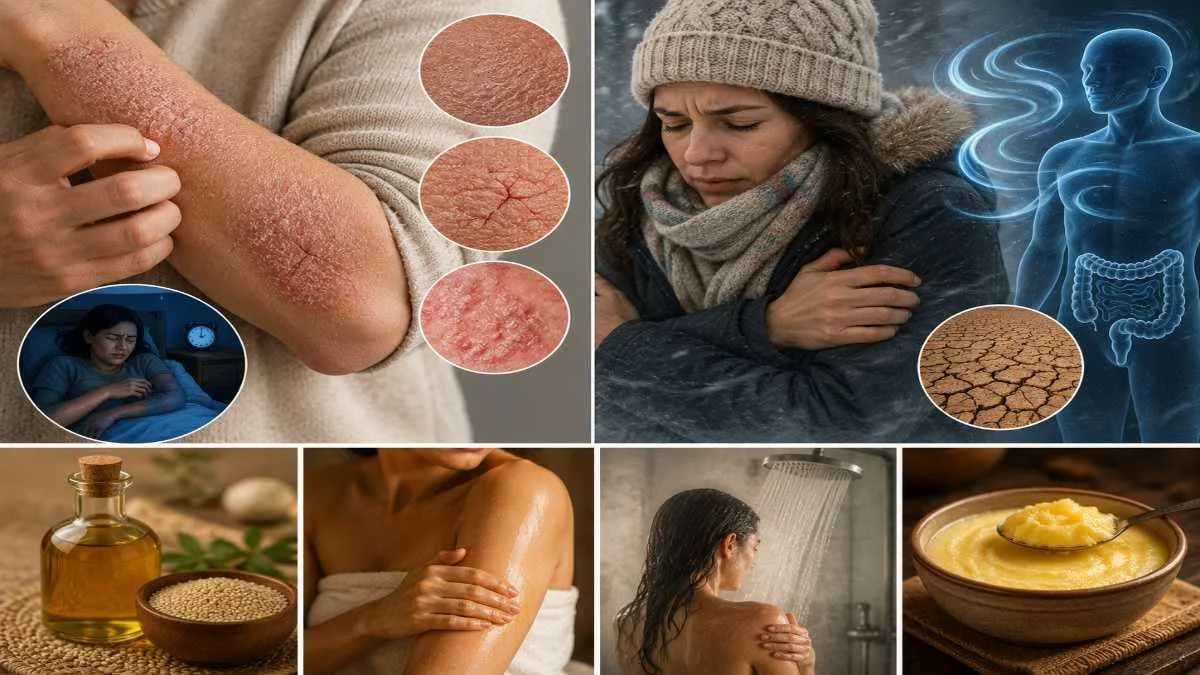
When the harsh winter arrives and dry, cold winds start blowing, eczema often becomes a nightmare.
How it feels: Your skin does not just feel dry; it feels like rough sandpaper. The patches are highly flaky, brittle, and they might even crack and bleed when you stretch your limbs. The itching is intense, sharp, and usually gets much worse late at night or when exposed to the cold wind.
What is actually happening: According to Ayurveda, the cold, dry winter weather perfectly mirrors Vata dosha (the energy of wind and dryness). When the weather turns dry, your internal Vata spikes, literally drying out your body’s natural oils from the inside out. Your skin cracks because the internal lubrication has vanished.
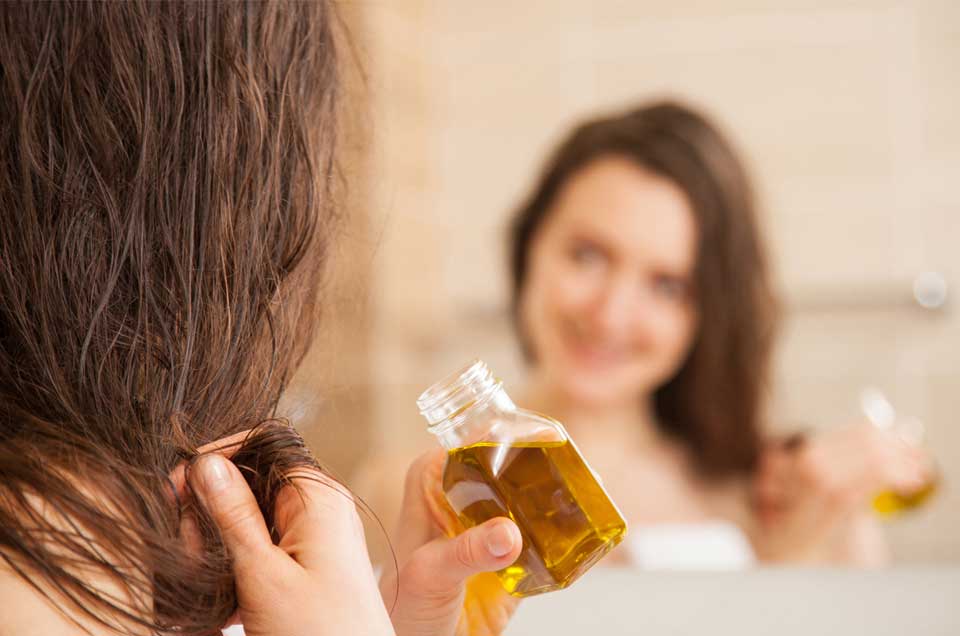
The Best Fix: You need heavy, warming nourishment. Regular water-based lotions evaporate too quickly in winter. Instead, use warm Sesame Oil (Til Ka Tel). Sesame oil is heavily celebrated in Ayurveda because it is naturally warming and penetrates deep into the tissues, rather than just sitting on top of the skin. Gently massage warm sesame oil into your body before a warm (not hot!) shower. Internally, adding a spoonful of pure, organic cow's ghee to your daily meals will help lubricate your dry tissues from the inside out.
The "Red, Burning, and Angry" Flare-Up: Summer Heat and Pitta
When the summer sun is at its absolute worst, your eczema completely changes its personality.
How it feels: The dry flakes disappear, but the skin becomes bright red, swollen, and feels hot to the touch. When you sweat, the eczema patches sting and burn intensely. The rash seems to spread rapidly, especially in areas where heat gets trapped, like the crooks of your elbows and the back of your knees.
What is actually happening: This is a classic Pitta problem. Pitta is the energy of heat, fire, and metabolism. The blazing summer sun drives your internal Pitta levels through the roof. This excess heat builds up in your liver and blood. When this hot, fiery energy mixes with the toxins in your body, it erupts onto the skin as a burning, inflammatory rash.
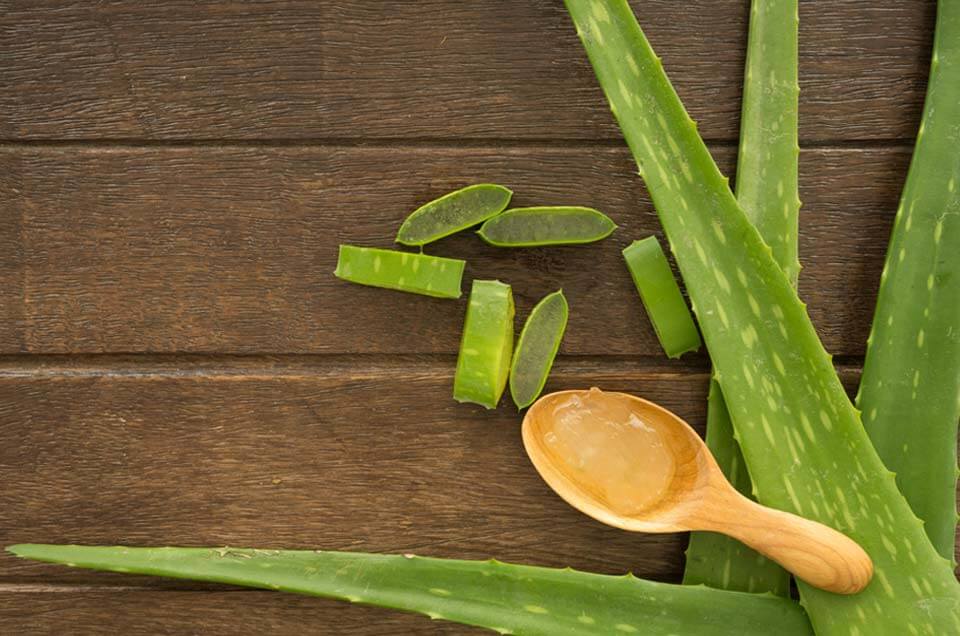
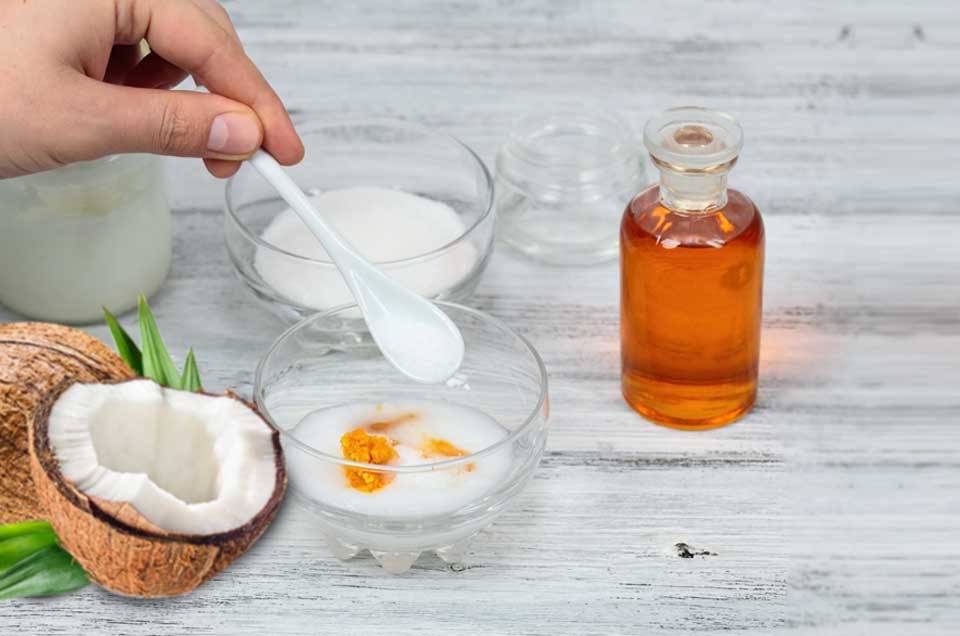
The Best Fix: If you put heavy sesame oil on this type of eczema, you will trap the heat and make the burning significantly worse! You need absolute cooling. Virgin Coconut Oil and fresh Aloe Vera gel are your best friends here. Both are brilliantly Sheetala (cooling). Apply them to soothe the burning sensation. Internally, drinking a glass of coriander and fennel seed water (soaked overnight) will act as a natural blood purifier, putting out the internal fire and cooling your core temperature fast.
The "Sticky, Weeping, and Oozing" Flare-Up: Monsoon Humidity and Kapha
When the heavy rains hit, and the air becomes thick and humid, eczema becomes incredibly stubborn.
How it feels: This is often the most uncomfortable stage. The skin might weep a clear, sticky fluid. The patches develop thick crusts, feel clammy, and are highly prone to secondary fungal or bacterial infections. The itching is dull, heavy, and constant.
What is actually happening: The heavy, wet, and stagnant weather of the monsoon spikes your Kapha dosha (the energy of earth and water). When Kapha mixes with the sticky toxins (Ama) in your blood, it creates internal dampness. The body tries to weep this dampness out through the skin.
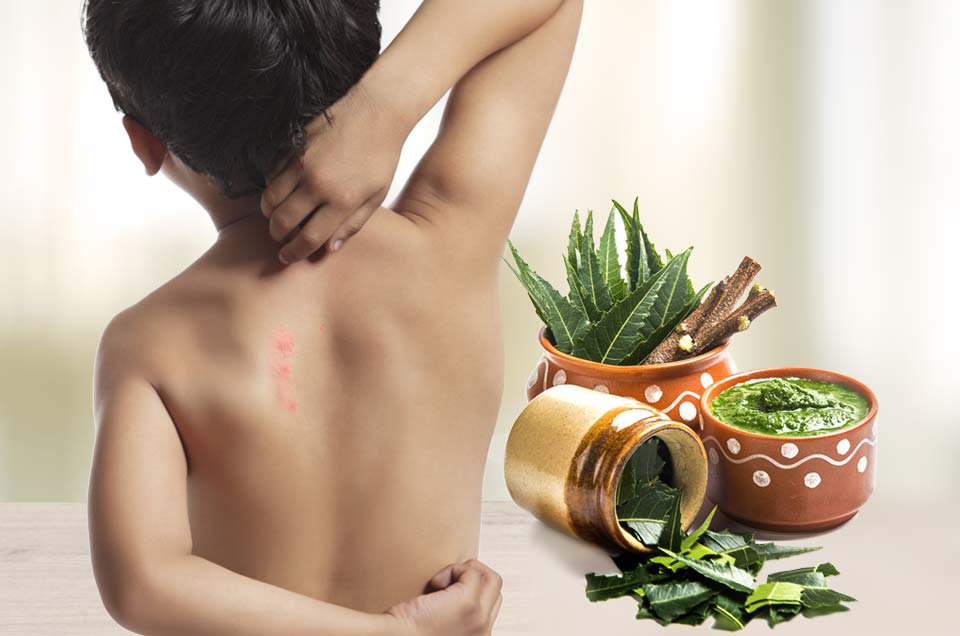
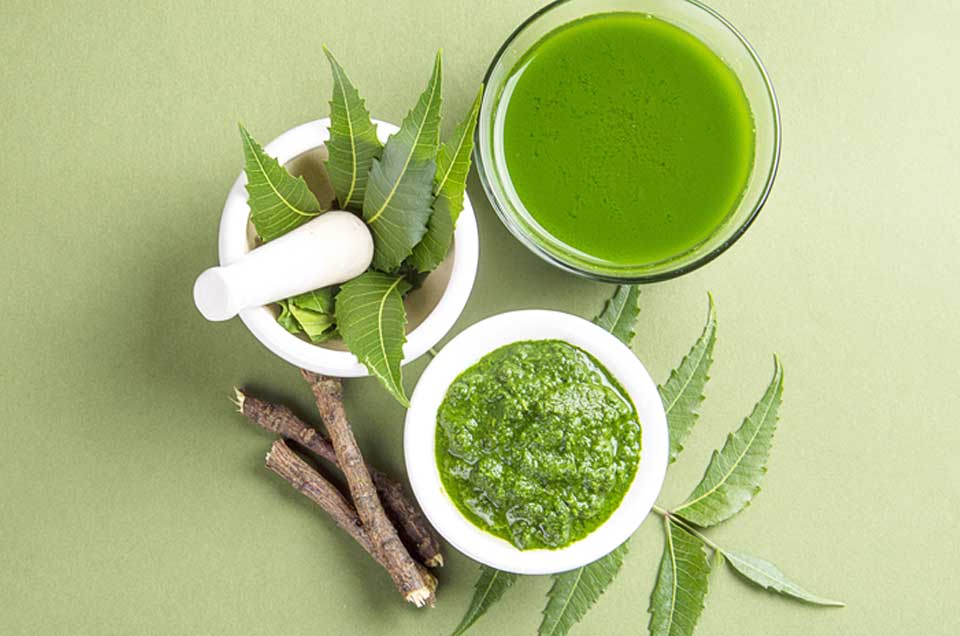
The Best Fix: Moisture is your enemy here. If you apply thick creams or oils to weeping Kapha eczema, you will only create a breeding ground for infections. You need herbs that are bitter, drying, and purifying. Neem is the ultimate healer for this. Boiling fresh Neem leaves in water, letting it cool, and using it to gently wash the weeping skin will safely dry out the oozing patches while providing powerful antibacterial protection. Internally, you must strictly avoid heavy, sticky foods like excess dairy, cold milk, and refined sugar, which only create more dampness.
Doctor’s Note
If your eczema patches are weeping thick yellow pus, covered in golden honey-colored crusts, or if you are experiencing a fever alongside your flare-up, please consult a dermatologist immediately. These are clear signs of a bacterial Staph infection, which requires targeted medical antibiotics. Never abruptly stop your prescribed topical steroid creams. Ayurvedic lifestyle changes and seasonal adaptations should be used to gently support your medical treatment and build long-term resilience, not to replace professional diagnosis during a severe, infected flare-up.
Which Fix Should You Choose?
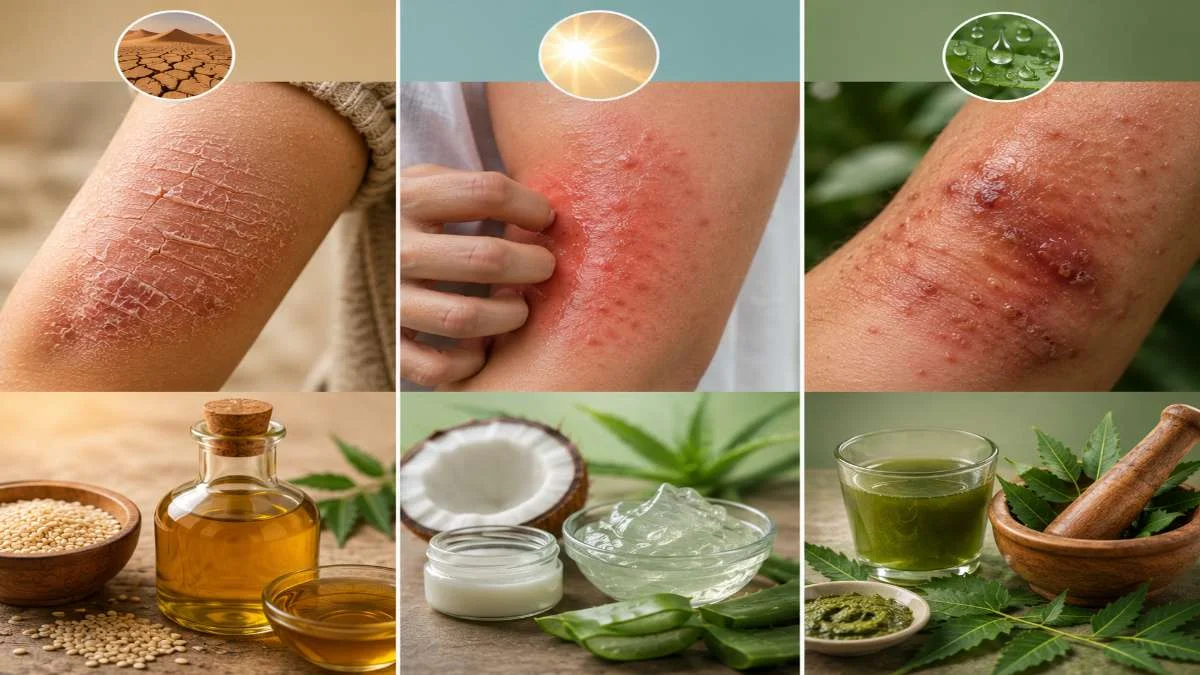
Since we aren't looking at a calendar, let us just look at your skin and match the remedy to your current need. Remember, indoor AC or room heaters can mimic different seasons!
If your skin feels brittle, dry, and is cracking like a desert, go for Warm Sesame Oil. The heavy, grounding nature of the oil will sink deep into the tissues and stop the dry winter wind from stripping your moisture.
If your skin is intensely red, spreading rapidly, and burning when you sweat, grab the Coconut Oil and Aloe Vera. Because they are naturally cooling, they will immediately soothe the angry Pitta heat and calm the sharp stinging.
If your skin is oozing, sticky, and feels thick or infected in a humid environment, rely on Neem Water. The bitter, drying wash will safely clean the area, stop the weeping, and protect you from the dampness of Kapha.
A Few Things to Keep in Mind
While these traditional remedies are wonderful, everyone's skin is unique. Here is who should be a little careful:
- Always do a patch test. Even with 100% natural ingredients like Aloe Vera or Neem, inflamed eczema skin can react to anything. Apply a tiny amount to your inner wrist and wait 24 hours before putting it on an active flare-up.
- Watch your digestion. No amount of Neem or Coconut oil will cure your eczema if you are constantly eating heavy, junk food that creates toxins. Keep your meals warm, freshly cooked, and easy to digest, especially when the weather is changing.
- Never apply heavy oils to weeping skin. This is the most common mistake people make. Oil traps moisture. If your skin is already oozing, oil will trap the fluid and bacteria, making the infection worse. Let it dry out first.
Conclusion
We don't need to live in fear of the changing weather, nor do we need to constantly chase expensive, imported skin treatments to survive a flare-up. Our grandmothers already figured out the best ways to keep our skin calm, clear, and resilient by working with the seasons, not against them.
Sesame oil for the dry cold, cooling aloe for the burning heat, and bitter neem for the sticky humidity have survived the test of time because they actually address the root cause. You don't have to use the same cream 365 days a year. Listen to your body. Look at the weather. Cool the heat, oil the dryness, and dry out the dampness. Fix your internal balance, adapt to the season, and watch how beautifully your skin responds!
References:
Eczema (contact dermatitis): Symptoms, causes, types & treatment
Flare management in atopic dermatitis: from definition to treatment - PMC
Eczema Flare Ups: Triggers and How to Manage Them
Eczema - symptoms, causes and treatment | healthdirect
What doctors want patients to know about managing eczema | American Medical Association