 Published on
08 Jul, 2026
Published on
08 Jul, 2026 Updated on 10 Aug, 2026
 5092
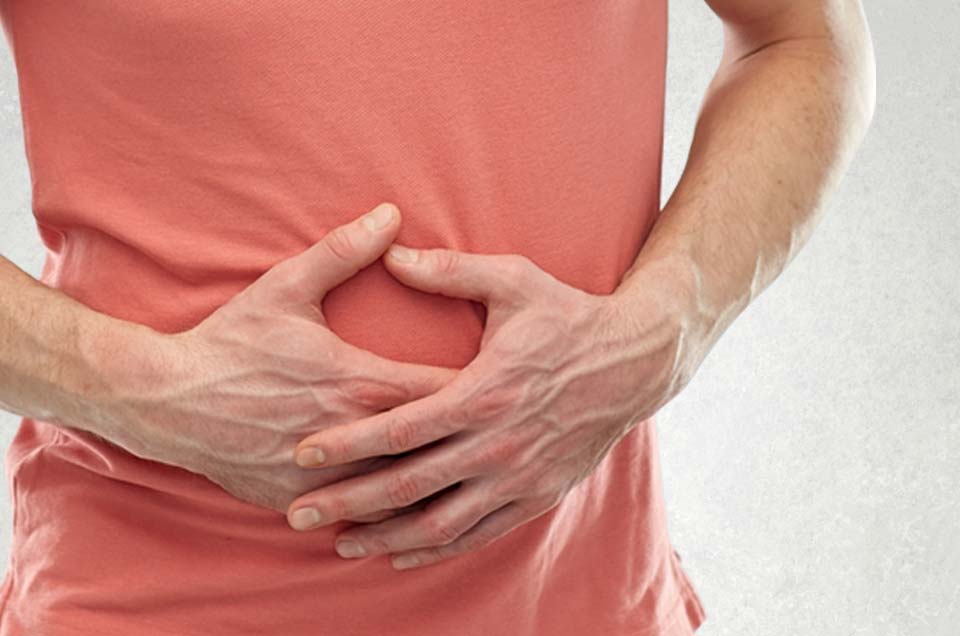
5092A sudden and sharp cramp hits your stomach and you instantly feel sick. Your mind starts racing: was it last night's heavy dinner or was that street food bad? Sudden stomach pain can be scary when you don't know why it is happening.
Figuring out if it is just everyday indigestion or actual food poisoning in those first few hours is really important, as you need to treat them differently. Ayurveda says that knowing exactly what is wrong is the first step to feeling better. Let’s break down how to spot the difference early so you can get the right relief fast.
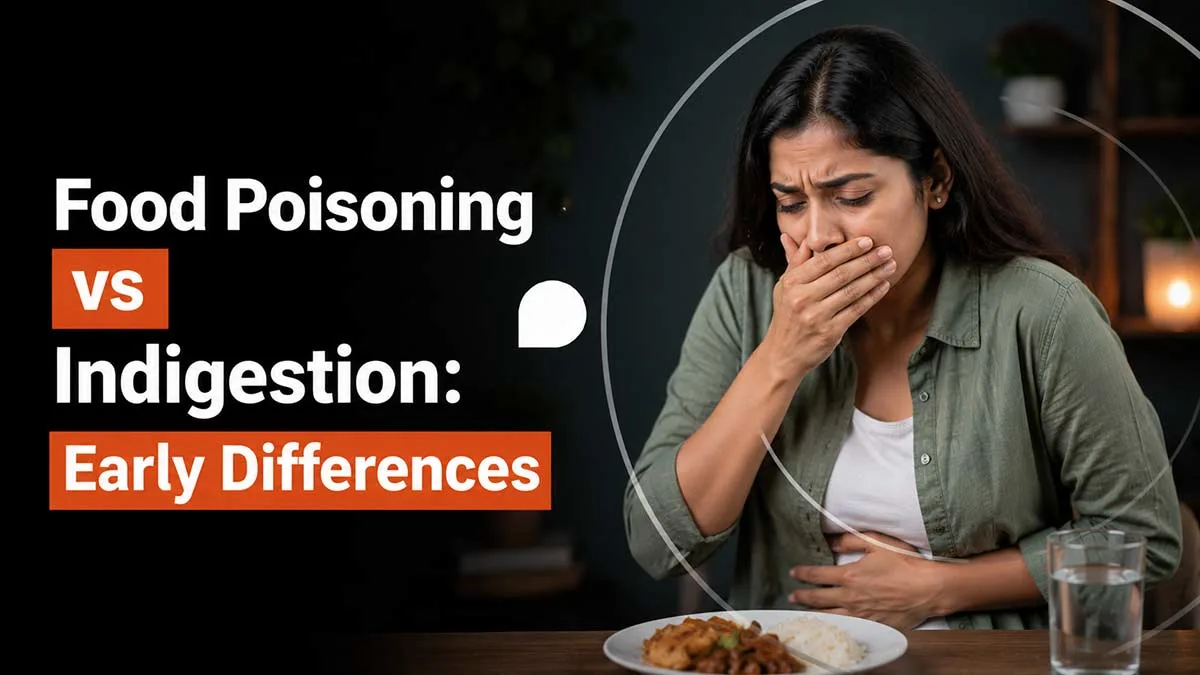
What Exactly Are Food Poisoning and Indigestion?
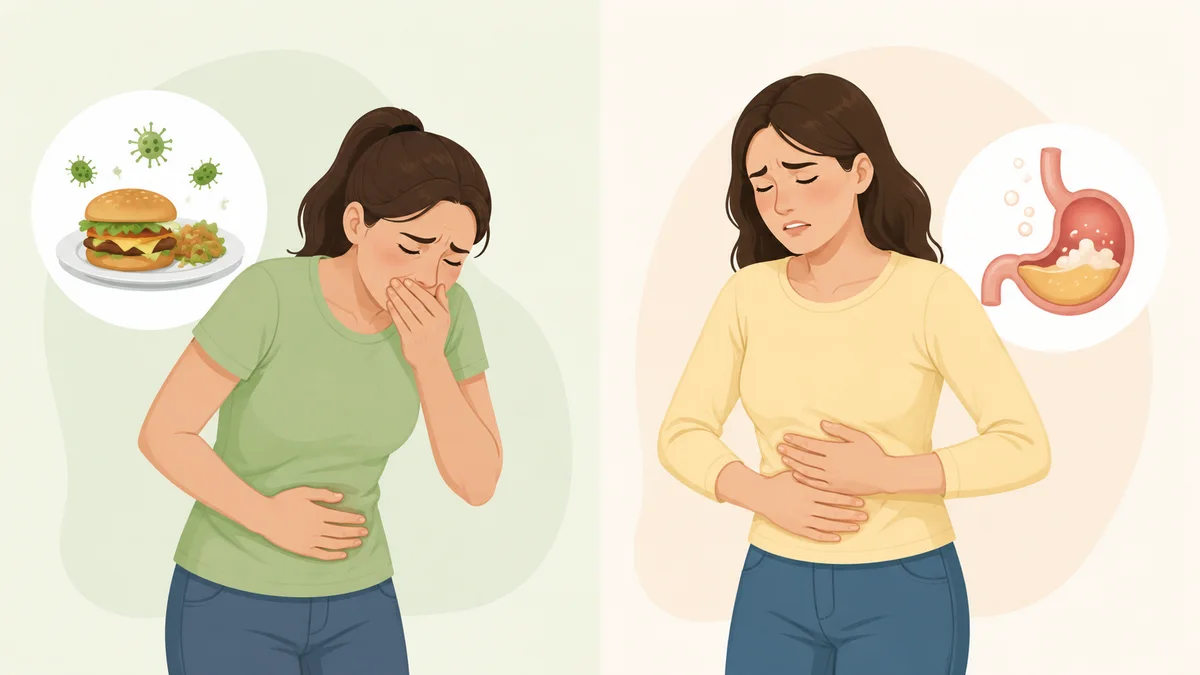
- Food Poisoning: This is an acute disease due to the consumption of wrong foods and water that contains pathogenic microorganisms. The moment your body detects this threat, it will try to get rid of the bacteria by forcing your body to vomit and have diarrhea instantly.
- Indigestion: This is not an infection but is related to poor functioning of your digestive system. You may eat too fast and overeat, which can make your stomach work under great pressure.
Spotting the Early Differences
When your stomach starts hurting, how can you tell which one it is? Here is what you need to look out for in those early hours:
How Fast It Hits: Food poisoning usually hits you fast and hard. You might feel perfectly fine one minute and be rushing to the bathroom the next. Indigestion usually builds up slowly. You will notice a gradual feeling of heaviness and discomfort that gets worse over an hour or two after eating.
Vomiting and Diarrhea: These are the undeniable signs of food poisoning. Since your body is trying to expel the germs, repeated vomiting and watery diarrhea are very common. With indigestion, you might feel slightly sick to your stomach but severe vomiting and diarrhea are very rare.
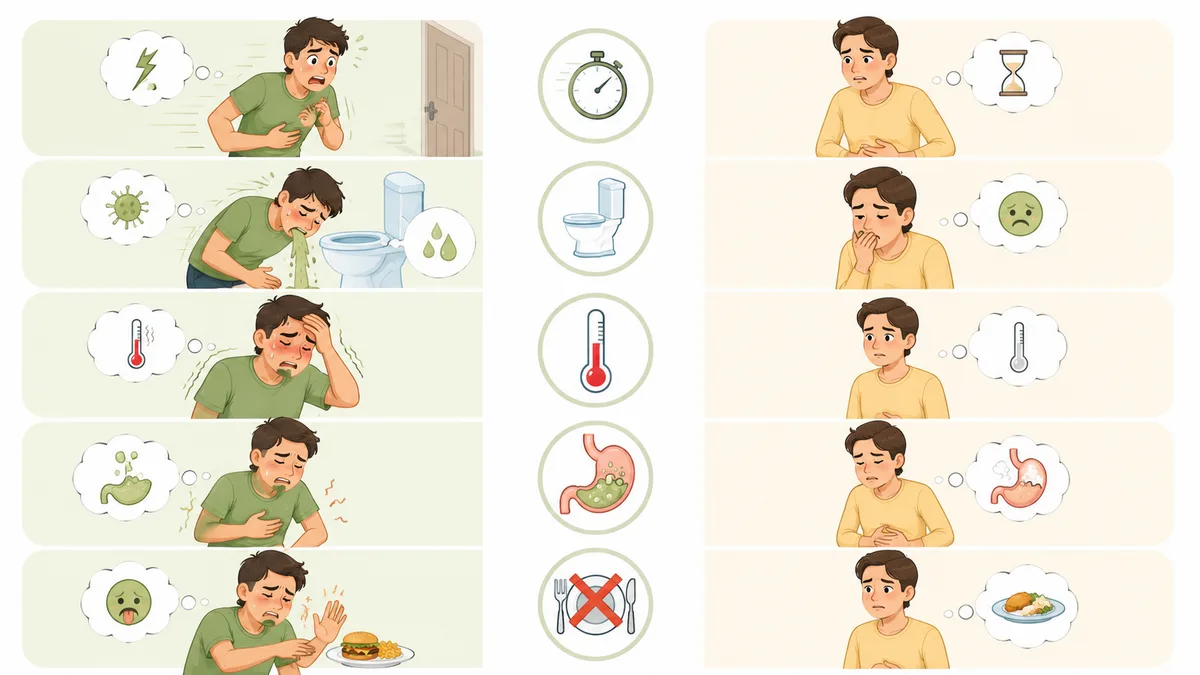
Fever and Chills: If you have a fever, body aches or the chills along with your stomach pain, it is almost certainly food poisoning. A fever is your body's way of fighting off an infection. Indigestion does not cause a fever.
Bloating and Gas: While a bad stomach infection can cause some bloating, extreme bloating, a feeling of being stuffed like a balloon and constant burping are the main symptoms of indigestion.
Your Appetite: Food poisoning usually makes you completely lose your appetite; even the smell of food might make you feel sick. With indigestion, your appetite is low because you feel uncomfortably full but you do not usually feel a deep disgust toward food.
Can Both Conditions Feel the Same at First?
Yes, absolutely. During the very first hour or two, they can trick you. Both conditions will give you a stomachache, mild nausea, and a feeling of poor appetite.
However, time is the biggest clue. As a few hours pass, food poisoning will almost always progress into a fever, watery diarrhea or heavy vomiting. Indigestion will generally remain stuck as a heavy, bloated, gassy discomfort that stays right in your upper stomach area.
Doctor’s Note
Most mild stomach aches pass with rest and light food, but severe dehydration from vomiting or diarrhea is a real risk. If you notice a dry mouth, dark urine, or extreme dizziness, don’t ignore them. Also, never ignore sudden, unbearable abdominal pain, a high fever, bloody stools, or pain that radiates to your chest or back. These are not signs of simple indigestion and require urgent medical care.
Who Gets Sick More Often?
While anyone can get a stomach bug, food poisoning is much harder on young kids, older adults, pregnant women and people who travel a lot and eat unfamiliar foods.
Indigestion usually targets people with highly stressful lifestyles. If you skip breakfast, eat huge dinners late at night, survive on processed packaged foods, and sit at a desk all day, you are highly likely to suffer from chronic indigestion.
How Ayurveda Explains Both Conditions
Ayurveda compares your digestion to a fire burning inside your stomach. When this fire is strong, you digest food perfectly. Here is how it looks at both issues:
- Food Poisoning: When you eat contaminated food, the harmful germs completely put out your digestive fire. The food rots into toxic waste. Ayurveda sees vomiting and diarrhea not just as a sickness but as your body's smart, protective way of forcefully pushing this poison out.
- Indigestion: This happens when your digestive fire becomes weak. Unhealthy practices such as overeating, stress and lack of physical activity reduce your digestive speed to a snail's pace. Your food gets partially digested and starts fermenting in your body, producing gases, heartburn, burping and bloat. This pain is basically a cry of your stomach for some rest.
What Should You Eat to Recover?
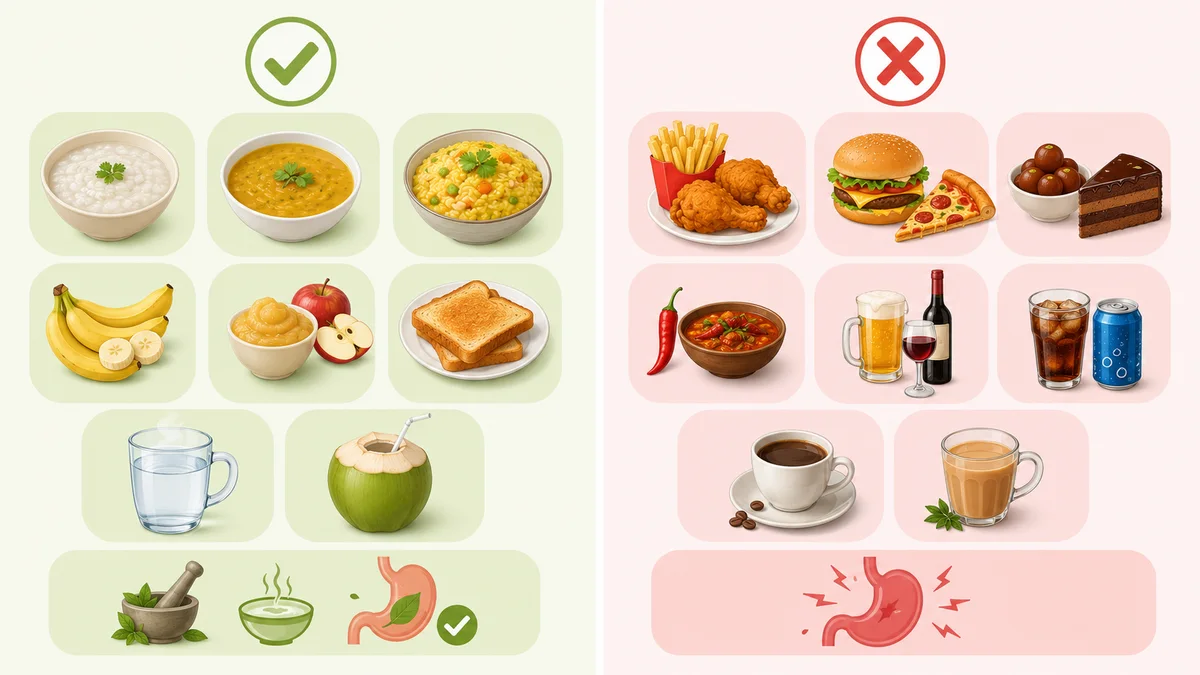
Regardless of whether you suffer from a digestive bug or an overload of food, the digestive system should get some rest. As soon as you feel capable of tolerating liquids, start feeding yourself the easiest and simplest products in order to activate your digestion process:
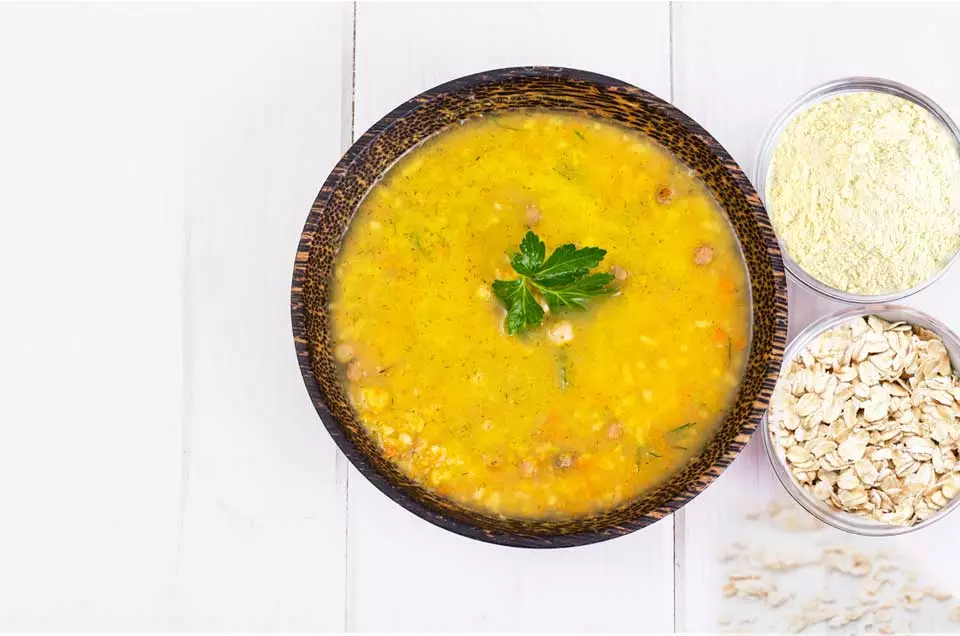
- Soft and warm food: Have some simple products such as rice gruel, khichdi, or a soup based on moong dal.
- Easily-digestible solids: Choose some ripe banana, applesauce or toast.
- Hydration: Drink some warm water or coconut water to keep yourself hydrated.
- Ayurveda tip: Never forget that the food should be warm, fresh and light and friendly for your stomach to digest.
What Should You Completely Avoid?
When your stomach is hurting, do not force it to work hard. You must avoid fried foods, fast food, and heavy sweets. Stay away from extremely spicy meals, as they will only burn your sensitive stomach lining. Do not drink alcohol, fizzy cold drinks, or heavy amounts of tea and coffee. Giving your stomach an absolute break from heavy foods is the fastest way to heal.
Simple Habits for a Strong Stomach
Ayurveda focuses on building a stomach so strong that it rarely gets sick. You can build a powerful digestive fire by following a few basic rules:
- Eat on time: Try to have your meals at roughly the same time every day to train your stomach.
- Stop before you are full: Never eat until you feel stuffed. Leave a little room in your stomach for digestion to happen.
- Chew your food: Digestion starts in your mouth. Chew every bite thoroughly.
- Drink warm water: Drinking warm water throughout the day can help you fight toxins of your body and keep you hydrated.
- Move your body: A simple daily walk for 30 minutes can keep your digestion active throughout the day.
- Do not sleep right after eating: Give your body at least two hours to digest dinner before you lie down in bed.
When Is It Time to See a Doctor?
While indigestion usually passes on its own and mild food poisoning clears up in a couple of days with rest, you should never ignore severe warning signs.
You need to see a doctor immediately if you cannot keep even a sip of water down, if you are running a high fever, or if you notice blood in your stool. If your stomach pain is sharp and unbearable, if you feel dizzy and confused from dehydration, or if your symptoms last for more than two or three days, please seek medical help right away.
The Bottom Line
Stomach pain is scary, but paying attention to your body’s early signals makes all the difference. Food poisoning is a fast, aggressive infection that causes your body to flush itself out through vomiting and diarrhea. Indigestion is a slow, uncomfortable buildup of gas and heaviness caused by poor eating habits.
Understanding these initial distinctions enables you to not panic and to make all the right moves towards recovery. Eat the right food, stay hydrated with warm liquids, allow your gut plenty of downtime, and do not be shy about seeing a physician if the situation gets out of hand. Be kind to your gastrointestinal tract, and it will serve you well in return.
References
Food Poisoning Symptoms | Food Safety | CDC