 Published on
18 Jul, 2026
Published on
18 Jul, 2026 Updated on 18 Jul, 2026
 5095
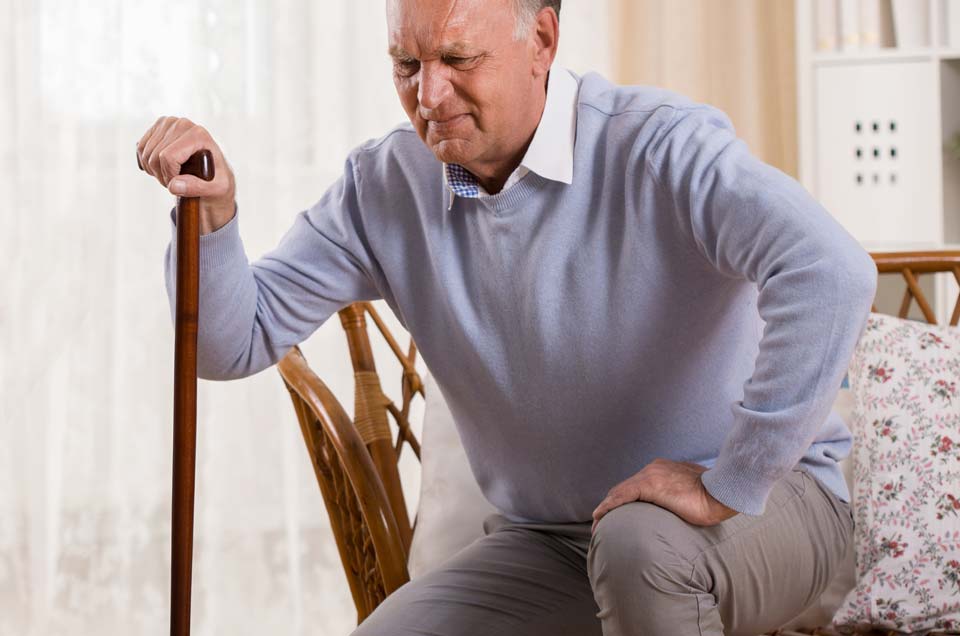
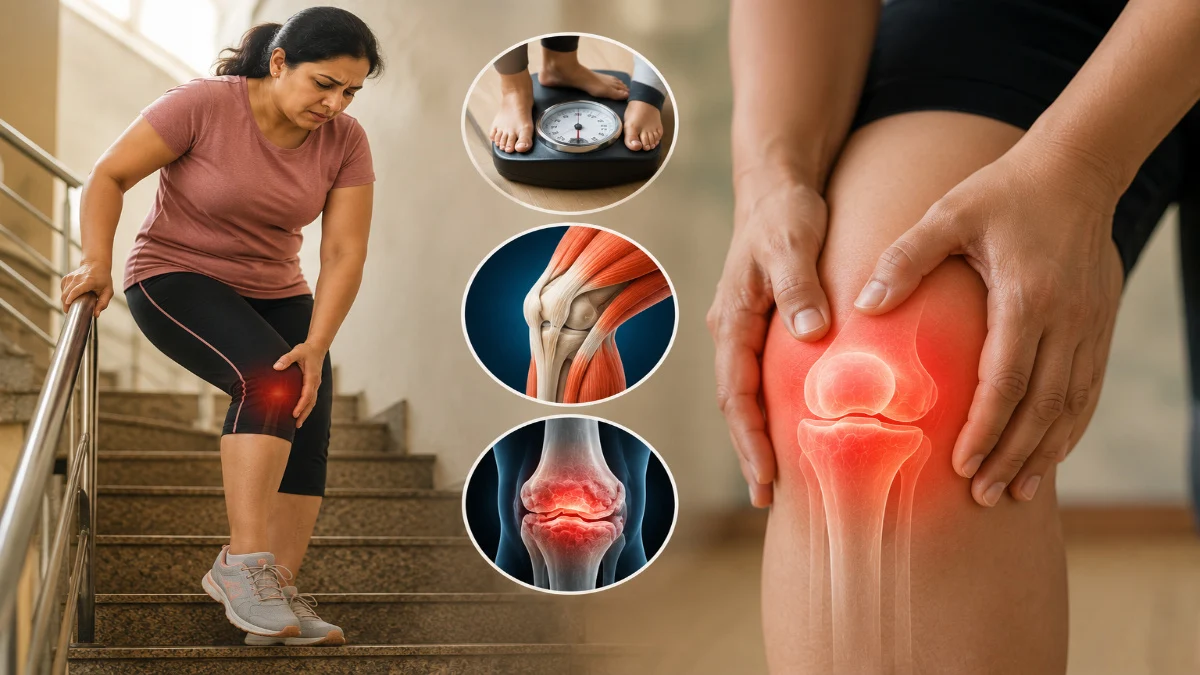
5095Does your knee hurt every time you climb stairs, but feel mostly normal while walking on flat ground? This specific pattern of pain is surprisingly common and may point toward weak thigh muscles, excess body weight, early arthritis, or problems involving the kneecap. Understanding why stairs trigger pain can help you identify the cause early and prevent long-term joint damage.
Why Does Knee Pain Happen Suddenly on Stairs?
Our joints are sensitive, and they usually speak up the moment we put unmanageable pressure on them. It is basically your body’s fire alarm telling you to slow down and figure out what is going on. A sudden pain in your knee can surprise you. It happens for some pretty simple reasons. You might have turned your knee in a way that was not right without knowing it.
This can be because of things like
- Accidental Twists: your knee gets twisted a bit
- Footwear: you are wearing shoes that are completely flat and do not support your foot
- Heavy Lifting: you are carrying something that is really heavy, like groceries or a backpack that is too full
- Exertion: you started doing something that is really physical after not doing anything like that for a long time
- Rushing: you went up the stairs quickly, and that made your knee get hurt because you were stretching it too much.
Knee pain from Accidental Twists and Unsupportive Footwear and Heavy Lifting and Sudden Exertion and Rushing can be really bad. Because these issues usually stem from a temporary physical strain, your knee often bounces right back to normal once you give it a little rest and remove the extra stress.
Weight, Weak Muscles, or Early Arthritis: What’s the Difference?
Even though they all make the exact same joint hurt, they behave in completely different ways.
| Feature | Weak Muscles | Excess Weight | Early Arthritis |
| How it starts | A trembling or "giving way" feeling | A heavy, crushing ache | Very slowly over months or years; often begins with morning stiffness |
| How long it lasts | Usually clears up in a few days with rest | A daily, ongoing physical struggle | A long-term, persistent condition |
| The main cause | Lack of exercise and targeted movement | Gravity placing heavy physical loads on the joint | Gradual wearing down of the knee's protective cartilage |
| The main signals | Legs feel like jelly; unstable support | Heavy, throbbing sensation in the joint | Cracking or grinding sounds, stiffness, or visible swelling |
| The fix | Targeted strength training for leg muscles | Diet and lifestyle changes to reduce load | Comprehensive joint care to preserve cartilage and ease inflammation |
Common Causes of Knee Pain While Climbing Stairs
When your knees start hurting specifically on stairs, it is usually because climbing multiplies the force on your joints by up to three or four times your body weight.
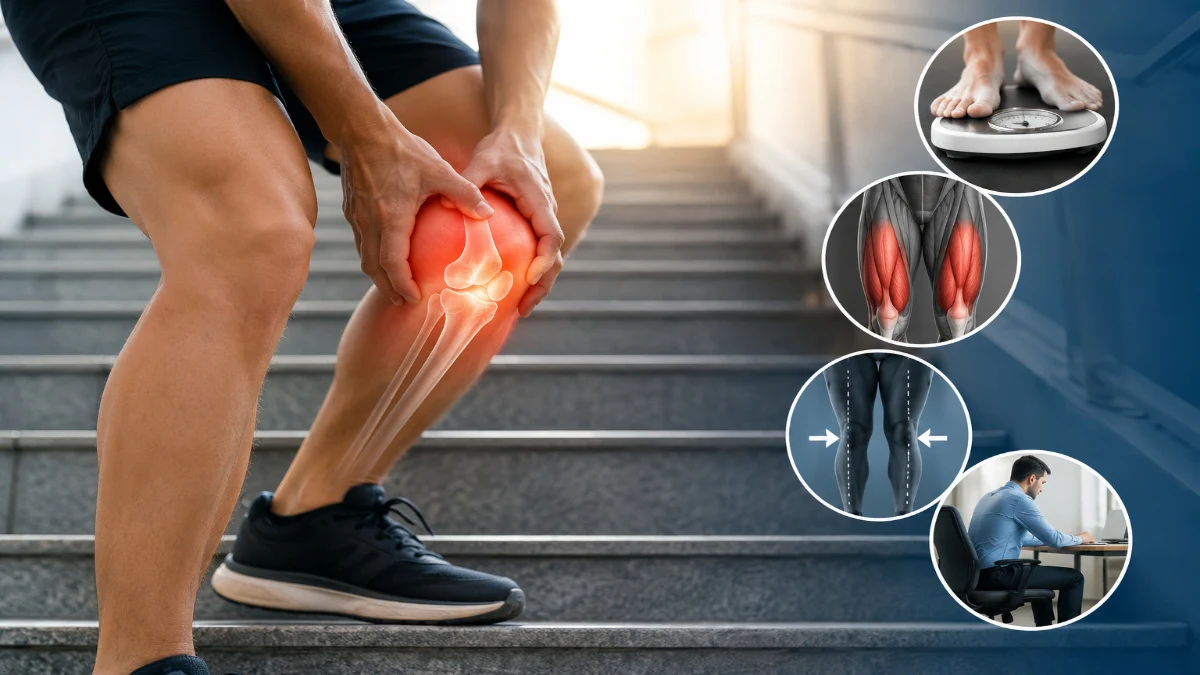
Excess Body Weight: Every single extra kilogram you carry adds about four kilograms of pressure on your knees whenever you go up or down a step.
Muscle Weakness: Your quadriceps (thigh muscles) and hip muscles function as your body's built-in shock absorbers. If they are weak, the physical impact of your foot hitting the step goes straight into the knee joint.
Poor Posture: Leaning too far forward or letting your knees cave inward while climbing throws off your natural joint mechanics.
Sedentary Habits: Sitting all day at your desk leaves them stiff, tight, and completely unprepared for the sudden physical effort of taking the stairs.
Doctor’s Note
While mild knee aches typically resolve on their own after a few days of rest, you should never ignore persistent joint symptoms. If you deal with chronic swelling, a feeling that your knee is "locking" or giving out, ongoing severe discomfort, or an inability to put weight on your leg, consider these clear clinical red flags. Seek a proper medical evaluation to identify any underlying joint issues and prevent serious, long-term complications.
How Is the Cause of Knee Pain Diagnosed?
| Test | Why It May Be Needed |
| Physical examination | Checks joint movement, swelling, alignment, and muscle strength |
| X-ray | Helps identify arthritis and joint space narrowing |
| MRI | Detects cartilage, ligament, or meniscus injuries |
| Blood tests | May help rule out inflammatory arthritis |
| Weight and gait assessment | Evaluates biomechanical stress on the knees |
What Can Make Your Knees Weak Over Time?
Your knees do not just become weak all of a sudden. This happens over a period of time because of the things you do every day.
There are things that can make your knees weak.
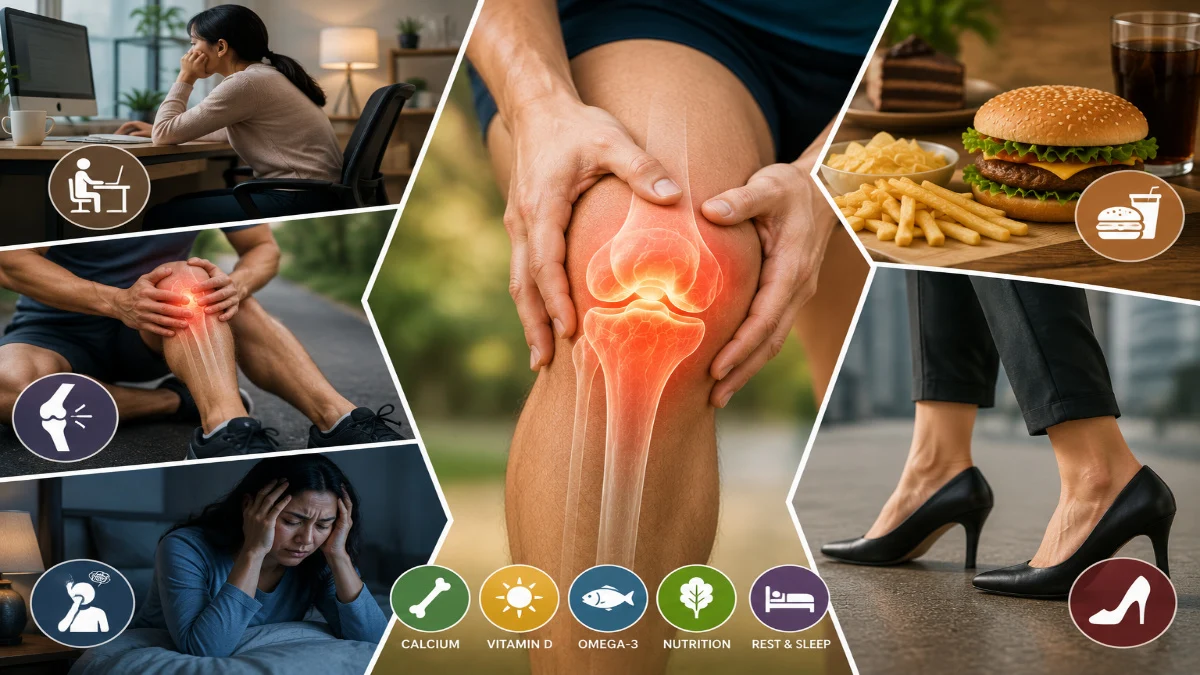
Sitting Much: Your knees need you to move around so they can stay healthy. When you sit for a time, the muscles that support your knees get lazy and your knees get dry.
Poor Eating Habits: If you eat a lot of packaged food and refined food, your body will not get the nutrients it needs. Your knees need things like Calcium and Vitamin D, and Omega-3s to stay strong.
Ignoring Minor Injuries: If you hurt your knee a bit, you should rest it. If you do not rest your knee, it will not heal properly. This can make your knee weak over time.
High Stress and Lack of Sleep: You need to sleep for 7 to 8 hours every night. If you do not sleep enough, your body cannot fix the damage that happens every day. This can make your knees and muscles hurt all the time.
Wearing the Wrong Shoes: If you wear heels or shoes that are too hard all the time, you will walk in a way that is not natural. This can hurt your knees because it puts much stress on them. Your knees need to be treated so they can stay strong. Knees that are weak can be very painful. Knees are important, so you should take care of your knees.
Signs That Suggest You May Have Early Arthritis Instead of Just Weak Muscles
If early arthritis is developing, your body will give you daily hints. Pay close attention if you notice:
- Morning stiffness that takes 30 minutes or longer to finally loosen up after you wake up.
- A harsh crunching, popping, or grinding sound (known clinically as crepitus) when you bend your knee.
- Visible swelling, puffiness, or a feeling of warmth around the kneecap by the end of the day.
- Pain that flares up whenever the weather turns cold, rainy, or damp.
- A dull, deep ache inside the joint that refuses to go away, even when you are just resting on the couch.
Can Weak Muscles or Excess Weight Lead to Early Arthritis?
Sometimes, yes, they absolutely can.
When you carry excessive body weight for years, that massive, repetitive pressure can literally crush and wear away the protective cartilage inside your knee. Similarly, if your leg muscles are exceptionally weak, they fail to absorb the shock of everyday walking or climbing. All of that unabsorbed impact gets dumped straight into the bones.
Over time, this constant, unbuffered pounding causes the joint to break down much faster than normal, directly paving the way for osteoarthritis. The good news is that starting a gentle strengthening routine and managing your weight can halt this damage and help you reclaim your joint health.
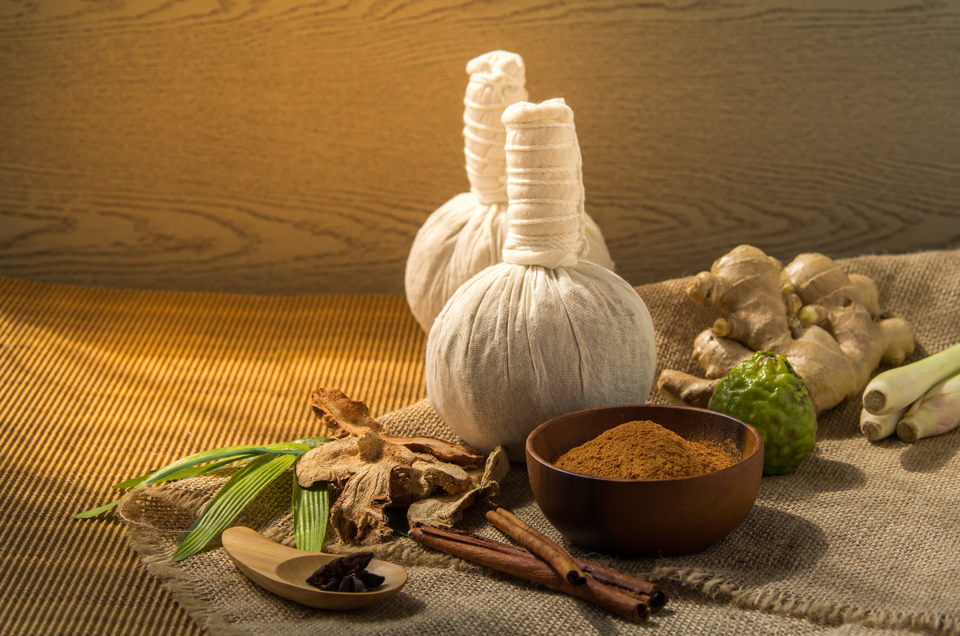
How Does Ayurveda Explain Joint Stiffness or Knee Pain?
When it comes to joint pain or stiffness, Ayurveda does not consider this condition to be a problem in itself. The reason is found at its root level, and treatment takes the form of a holistic approach.
The Connection With Vata: Vata controls all movements in the body, and when it becomes imbalanced, it causes dryness and roughness in the joints; just like in a car without engine oil. This results in pain, stiffness and clicking sounds from the joints.
Digestive Fire: The digestive fire inside you is called Agni. When this fire burns brightly, you can easily obtain nutrients from food that will strengthen your bones. If it is low, then your body receives no nourishment at all.
Toxic Waste: The food cannot get digested properly and produces a sticky substance called Ama. According to Ayurveda, this toxic waste (Ama) enters the weak parts of the body and gets lodged in the joints such as knees, causing swelling and inflammation.
.webp) Simple Ways to Support Joint Health and Recover Faster
Simple Ways to Support Joint Health and Recover Faster
You do not need to spend a lot of money on cures or special pills to help your knees. The things you do every day can really make a difference. Your knees will thank you if you just do simple things.
- Sip warm water all day to keep your joints nice and lubricated.
- Do not eat junk food that can cause inflammation; instead, eat meals that you cook at home with spices like turmeric and ginger.
- Do some exercises like straight-leg raises to make your quadriceps strong, without hurting your knee joint.
- Massage your knees gently with sesame oil or Mahanarayan oil before you take a bath to help your knees feel better.
- Try to keep a weight so you do not put too much pressure on your knees.
- Wear shoes that are comfortable and have cushions when you know you will be walking a lot or climbing stairs.
- Make sure you get 7 to 8 hours of sleep every night so your knees can repair themselves.
Do not stand in one place for long or sit on hard floors with your legs crossed your knees will not like that.
When Should You See a Doctor?
You should take care of aches at home and get some rest. Some warning signs mean you need to see a doctor. You need to go see a doctor if you have knee pain that does not go away after resting for more than a week. You also need to see a doctor if your knee's very swollen or if it is red and hot. If your knee suddenly gives out when you try to walk, you need to see a doctor. You should see a doctor if you have a fever and your knee hurts a lot. If you cannot straighten or bend your leg all the way, you need to see a doctor. If you fell down or twisted your knee and now it hurts a lot, you need to see a doctor. You should also see a doctor if your leg is numb or if it has a tingling feeling.
Conclusion
Whether your knee pain comes from carrying extra weight, muscle weakness, or early arthritis, it all targets the exact same joint, yet the experiences could not be more different. A minor muscle strain is a quick, temporary alarm telling you to slow down and rest. Meanwhile, discomfort caused by excess weight or early arthritis is a slow, daily struggle born from long-term physical stress, everyday habits, and a lack of ongoing joint care.
Understanding the difference puts you in the driver's seat. If you are dealing with a sudden strain, you just need a bit of rest and time to recover. But if you are spotting the signs of early arthritis or bearing extra weight, it is time to slowly rebuild your leg strength, clean up your diet to ease inflammation, and keep moving in a safe, low-impact way. By tuning in and actually listening to what your knees are trying to tell you, you can easily guide yourself back to feeling light, active, and sturdy on your feet.