 Published on
07 Jul, 2026
Published on
07 Jul, 2026 Updated on 08 Jul, 2026
 5104
5104It usually starts with a tiny, itchy, red patch on your skin. Instead of seeing a doctor, you figure you can handle it yourself.
First, you try a DIY home remedy. You mix up a herbal paste you saw on the internet and apply it to the rash. When that does not work, and the itching gets worse, you run to the local chemist and just buy whatever anti-itch cream they hand you.
You apply it expecting instant relief. But instead of cooling the itch, your skin starts burning, turns bright red, and the rash actually gets bigger.
Sound familiar? This is the classic trap of self-treatment. What seemed like a quick, cheap fix just turned a tiny rash into a painful, spreading disaster.
What Exactly Is a Fungal Infection?
Fungi are tiny living things, and they actually live harmlessly on our skin all the time.
Normally, they do not cause any trouble. But fungi love places that are warm, dark and damp. When your skin stays sweaty, like when you sit in damp workout clothes or forget to dry between your toes after a shower, these fungi multiply out of control.
That overgrowth is what causes an infection. It usually shows up as an angry, red, flaky and itchy rash. Because fungi thrive in moisture, these infections spread super easily if you share a damp towel or wear tight clothes that trap your sweat.
The Hidden Dangers of Self-Treating a Fungal Infection
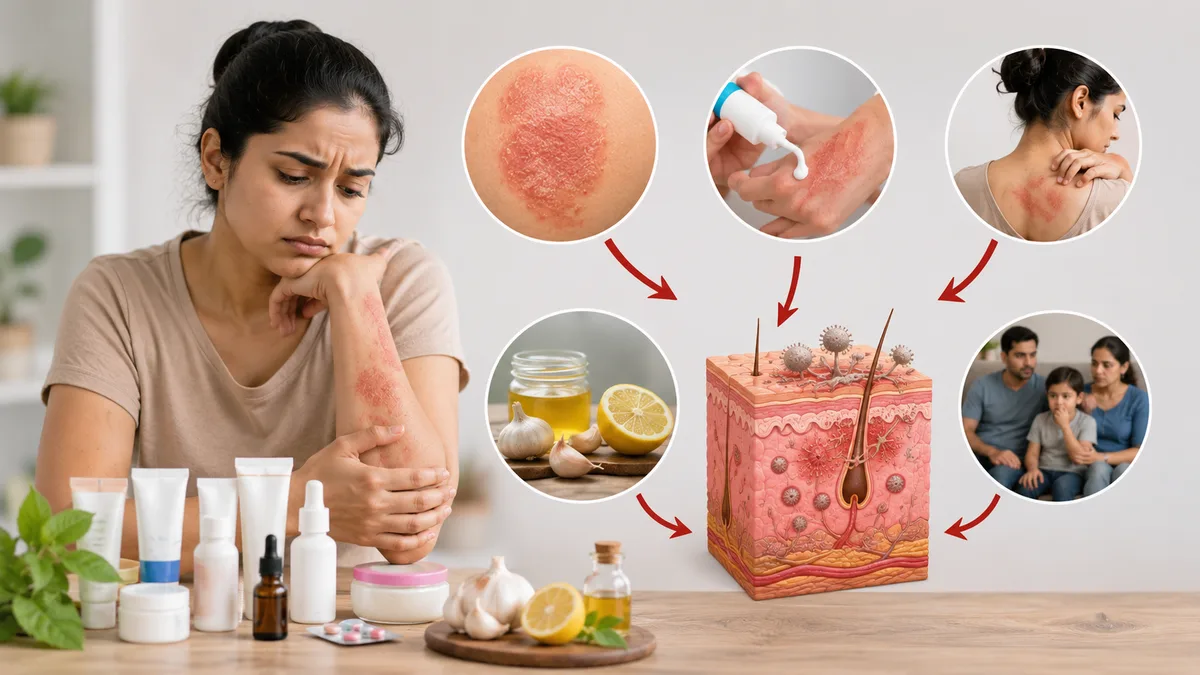
Trying to be your own skin doctor seems harmless, but it can actually turn a tiny, easily fixable rash into a massive, stubborn nightmare. Here is why self-treatment is so risky:
- You Might Guess Wrong: You might think that it’s just a normal skin rash or itching, but reality can be different; it can be eczema or psoriasis, and treating it at home can make it worse.
- The "Steroid Trap": The creams that you buy from chemist shops contain steroids, which can help in soothing and calming the pain for some time, but later on, the itching and rashes can come back. These steroids can also slow down your skin’s natural defence system.
- Stopping Too Soon: You usually stop using the medicines when the external layer of your skin heals and it starts looking normal as usual. But, in reality, the fungi of the infections are still thier which hide behind the external layers of the skin, and when you stop using the medicines in between, the infection can show up again after a while.
- DIY Remedy Burns: Rubbing raw garlic, lemon, or strong essential oils on an infection rarely kills the fungus. It usually just causes painful chemical burns on your sensitive skin.
- Letting It Spread: Wasting weeks testing out the wrong creams gives the fungus time to spread to your nails, scalp, or even your family members, turning a quick fix into a long-term problem.
Doctor’s Note
While lifestyle and dietary changes support your overall skin health, a persistent fungal infection requires a proper medical diagnosis. Over-the-counter chemist creams often contain hidden steroids that mask the itch but actually make the fungus grow deeper and more resistant. Never apply steroid creams or harsh home remedies to an undiagnosed rash. If your rash is spreading, painful, oozing, or if you have an underlying condition like diabetes, stop self-treating immediately and consult a dermatologist for the correct prescription treatment.
The Ayurvedic View: Your Skin is a Mirror
Modern medicine usually just provides you with a cream for a rash but Ayurveda believes your skin is simply a mirror reflecting the health of your gut. You cannot have clear skin if your internal systems are a mess.
Here is how Ayurveda explains fungal infections:
- Toxic Sludge (Ama): In cases where your digestive system fails to properly digest food due to poor nutrition or stress, the food turns into toxic sludge inside your body, known as Ama. In an attempt to eliminate this toxic sludge from your body through your skin, you create a perfect environment for the fungus.
- Kapha Energy (Earth/Water): Excess Kapha energy in your body causes excessive sweating and sebum production, which provides the necessary moist environment for the growth of the fungus.
- Pitta Energy (Fire): It is a Pitta imbalance that results in the inflammation and irritation of the rash.
According to Ayurveda, applying a cream isn't enough. To truly cure an infection, you have to tackle it from both sides: keep the outside of your skin clean and dry, while also cleaning up your diet to fix your digestion on the inside.
.webp)
Common Mistakes That Keep the Itch Alive
If you want the fungus to go away and never come back, you have to stop doing these everyday things:
- Scratching: It may be pleasurable, but scratching opens cuts on your skin. Even worse is that the minuscule invisible fungus becomes lodged beneath your nails and then spreads throughout your body.
- Using Shared Towels: Do not use a shared towel with any member of your family when you experience an itching sensation. Fungi love living on wet towels.
- Sweating in Your Clothes: If you sweat during exercise or other activities, make sure that you remove your clothes immediately and take a shower.
When to Actually Go See a Doctor
While keeping your skin clean and eating well are incredibly important, you should never ignore a stubborn infection. Please go see a doctor if:
- You have used a cream for a week and the rash is only getting bigger.
- The rash keeps going away and coming right back.
- The area becomes extremely painful, swollen, or starts oozing.
- You have diabetes. (High blood sugar makes fungal infections much worse and harder to heal, so you need a doctor's help right away.

Simple Habits to Keep Your Skin Happy
Preventing a fungal infection is so much easier than trying to cure one. Here are a few simple, everyday habits that keep your skin clear:
- Dry Off Completely: After a shower, make sure you dry off completely before putting on clothes. Pay special attention to the spaces between your toes, under your arms, and around your groin.
- Wear Cotton: Tight nylon or polyester clothes trap heat and sweat against your skin. Wear loose, breathable cotton clothing so the fresh air can reach your body.
- Eat Fresh Food: Help your digestion out. Eat warm, fresh, easy-to-digest meals so your body does not build up that toxic, sticky waste.
- Wash Your Gym Gear: Never wear sweaty gym clothes or socks two days in a row. Wash them in hot water and let them dry in the bright sun.
The Bottom Line
Getting some sort of quick cream at the drug store to cure your itchy spot might seem like the quickest thing to do, but this action will make you get into a vicious circle of getting more and more skin rashes. The misdiagnosis, use of steroid creams, and premature end of therapy will strengthen the fungus.
Remember, your skin reflects your body’s condition. You just need to keep it clean and dry from the outside and pay attention to your digestion – then there will be no way that a fungus could survive in such conditions. If your itch is persistent, contagious, and bothering you, stop the guessing and visit a doctor.
References
https://pmc.ncbi.nlm.nih.gov/articles/PMC9860956/