 Published on
27 Jun, 2026
Published on
27 Jun, 2026 Updated on 27 Jun, 2026
 5118
5118We live in an era of hyper-optimised nutrition. We meticulously track our daily protein intake. We count our carbohydrates. We supplement our diets with synthetic vitamins to ensure we hit every single micronutrient target. Yet, in our pursuit of the perfect diet, we routinely ignore one of the most fundamental, unglamorous components of human health. We forget about the roughage.
Dietary fibre rarely gets the spotlight. It isn't a flashy muscle-builder. It doesn't promise rapid weight loss. But within the dark, complex ecosystem of your digestive tract, fibre is the ultimate biological protector. A growing mountain of clinical evidence is pointing to a stark reality. What you feed, or fail to feed, your gut microbiome has a direct, measurable impact on your risk of developing colorectal cancer.
Colorectal cancer is no longer just a concern for the elderly. Incidence rates are steadily climbing, particularly among younger demographics. Doctors and scientists have spent years trying to figure out why. Genetics plays a role. Environmental toxins are a factor. But the spotlight is increasingly turning toward the modern, highly processed, low-fibre diet.
The Microscopic Metropolis
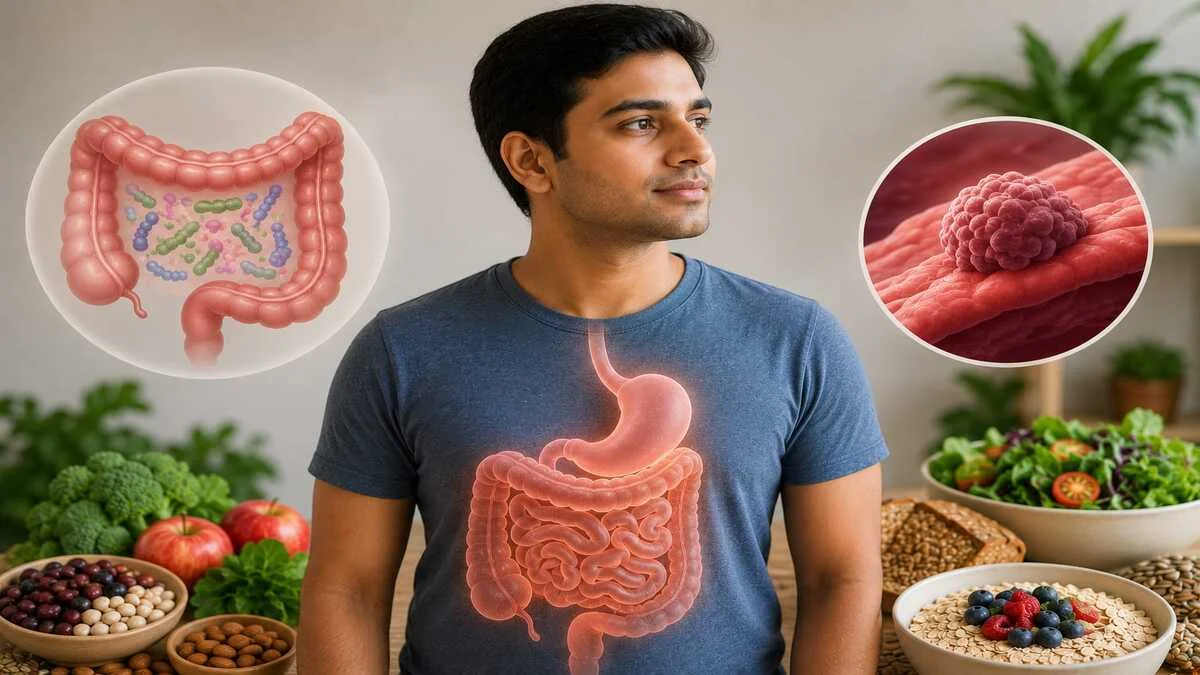
To understand the connection between what you eat and your colon cancer risk, you have to look under the hood of your digestive system. Your gut is not just a biological pipe. It is a bustling, microscopic metropolis. It is home to trillions of bacteria, fungi, and viruses collectively known as the gut microbiome.
These microbes are incredibly demanding tenants. They need to eat. Their absolute favorite food is dietary fibre.
Fibre is the part of plant foods that your body cannot digest on its own. When you eat a bowl of lentils or a crisp apple, the fibre survives the harsh acids of your stomach. It travels intact all the way down to your colon. Once there, your gut bacteria throw a feast. They ferment the fibre. This fermentation process is where the magic happens.
The bacteria break down the fibre and create waste products known as short-chain fatty acids (SCFAs). The most famous of these is butyrate. Butyrate is a powerhouse molecule. It provides the primary energy source for the cells lining your colon. It reduces severe inflammation. Crucially, it helps regulate cell turnover, effectively telling damaged or mutating cells to self-destruct before they can form cancerous tumors.
When you strip fibre out of your diet, you starve these beneficial bacteria; the production of protective SCFAs plummets. The colon lining becomes vulnerable. Chronic inflammation sets in. It forms an ideal, cancer-producing environment for the growth of malignant cells.
The Landmark Meta-Analysis
For years, the link between fibre and cancer prevention was largely based on observational epidemiology. We knew populations that ate more fibre generally had lower rates of colon cancer. We just needed a clearer picture of the exact biological mechanism.
A massive, first-of-its-kind study published recently in the journal Cell Host and Microbe provided that exact picture.
Researchers, including a prominent team from the European Molecular Biology Laboratory (EMBL) in Germany, pulled off an unprecedented feat of data analysis. They didn't just run a small, localised trial. They executed a massive evidence synthesis. The team re-analysed data from 27 previously published studies. They examined a staggering 6,779 publicly available gut microbiome sequencing profiles. They also analysed 906 actual intestinal tissue samples.
They wanted to see if they could find a specific, universal pattern of bacteria that existed in the guts of colon cancer patients. Using advanced machine-learning algorithms, they struck gold. They identified a highly robust "microbial signature" associated with colorectal cancer.
This signature wasn't a fluke. It wasn't limited to one specific geographic region. It wasn't limited to a specific age group. The cancer-associated microbiome pattern appeared as a broadly reproducible feature of the disease, showing up in both early-onset and late-onset colorectal cancer across 34 different study populations.
The Inverse Relationship
Once the researchers identified this dangerous microbial signature, they looked at the dietary habits of the patients. The findings were stark and undeniable.
The researchers documented a massive inverse relationship between dietary fibre intake and the colorectal cancer microbiome score. The cancer-associated microbiome scores were high in people who consumed little fibre. In their gut, they had the same kinds of microbes that are associated with the development of tumors.
Conversely, individuals who consumed high amounts of dietary fibre had a significantly reduced cancer signature. The fibre was literally keeping the dangerous microbes in check.
But here is the most hopeful part of the study. The researchers noted that this microbial signature is not a permanent life sentence. It is highly malleable. When individuals underwent dietary interventions specifically aimed at increasing their fibre intake, their colorectal cancer microbiome scores actively dropped. By simply changing what they put on their dinner plates, they altered the genetic makeup of their gut bacteria and lowered their biological risk.
Tissue vs. Stool: The Diagnostic Nuance
The sheer scale of the study also revealed important nuances about how we screen for the disease. The researchers compared stool-based microbiome signals with the microbes found directly inside tumor tissue.
They found that cancer-associated microbes could be detected in very early-stage tumors when looking directly at the tissue samples. However, stool samples were slightly less accurate at picking up the early warning signs, particularly if the tumors were located further upstream in the colon.
This illustrates another key clinical fact. Stool tests are a great, non-invasive screening tool; however, they are not 100% accurate. A comprehensive approach to colon health still requires traditional physical screenings, like colonoscopies, to catch upstream issues before they escalate.
Ancient Wisdom Confirmed by Algorithms
It is incredibly fascinating to watch hyper-modern, machine-learning-driven research validate medical philosophies that are thousands of years old. The concept of gut health dictating systemic disease is the absolute foundation of Ayurveda.
Long before we could sequence DNA or map the microbiome, Ayurvedic practitioners understood that a stagnant digestive tract was the root cause of chronic illness. In the Ayurvedic tradition, immense focus is placed on maintaining a strong Agni (digestive fire). If this digestion is made unhealthy, due to poor food choices or eating too quickly, then the body stagnates with Ama (toxic residue) in the Koshtha (bowel).
This was the old-fashioned way of thinking, and it is just as it is now in gastroenterology. When there is no roughage present in the colon, it becomes stagnant, resulting in inflammation and damage to the cells. The Ayurvedic lifestyle, which focuses on deeply nourishing, heavily plant-based diets, is a natural way to fight this. It highlights the daily intake of whole grains, legumes, cooked vegetables, and spices that stimulate the bowel. By keeping the digestive tract moving and properly fueled, an Ayurvedic approach actively prevents the toxic buildup that modern science now recognises as a breeding ground for cancer-associated microbes. It is a brilliant, holistic strategy for keeping the colon environment clean, active, and resilient.
Translating the Data to Your Dinner Plate
The power of this new research lies in its absolute accessibility. It proves that we have a massive degree of control over our internal ecosystems.
You do not need an expensive prescription to start fighting the colorectal cancer microbiome signature. You just need to walk into the produce aisle. Health experts and dietitians consistently recommend aiming for 25 to 30 grams of dietary fibre every single day.
Most people in the modern world barely hit half of that target.
Hitting the mark doesn't mean forcing down chalky, artificial fibre supplements. It means making simple, intentional swaps. Choose steel-cut oats instead of refined cereal. Leave the skin on your apples and potatoes. Throw a handful of black beans or chickpeas into your afternoon salad. Snack on almonds and chia seeds. Swap out white rice for quinoa or barley.
Fibre requires consistency. The gut microbiome operates on a strict supply-and-demand economy. If you stop providing the fuel, the protective bacteria will quickly die off, allowing the dangerous, cancer-associated strains to reclaim the territory.
The science is no longer ambiguous. Your daily nutritional habits matter immensely. Every meal is an opportunity to shape the community of microbes living inside you. Eating a high-fibre diet is not just about keeping your digestion regular. It is a frontline defense strategy. It is about feeding the good guys, starving the bad guys, and giving your colon the biological armor it needs to stay healthy for decades to come.
References:
Fibre, wholegrains and cancer | World Cancer Research Fund
Colorectal Cancer Guideline | How Often to Have Screening Tests