
Successful Treatments
Clinics
Doctors
What Are The Effects Of Arthritis
 Published on 09 Sep, 2026
 Updated on 09 Sep, 2026

Explore Symptoms
- Home / Diseases & Ayurveda / Hairfall & Skin / Ayurvedic Treatment for Eczema / Treatment / What Are The Effects Of Arthritis
A Crucial Warning: The Oil Mistake
Natural remedies are great, but it is important to know what kind of pain you have. One grand error that all humans make daily, for which excruciating pain can result.
Never massage a hot, red, swollen joint with heavy oil.
If you are dealing with Amavata (Rheumatoid Arthritis), your joint is already filled with sticky toxins and a raging inflammatory fire. Rubbing heavy oils like sesame or mustard oil onto a hot, swollen joint is exactly like throwing logs onto a raging bonfire. It blocks the pores, traps the internal heat, and will make your joint significantly more swollen and painful by the next morning. For hot, swollen joints, stick to dry heat, like a warm sandbag compress, and focus entirely on healing your digestion first.
Conclusion
Our grandmothers understood that our bodies are deeply connected to the elements around us. They didn't need complex diagnostic terms to know that a cracking knee needed a little warm oil, or that a heavy, morning stiffness meant the digestive system was clogged and needed a light diet of ginger and hot broths.
Your joints are the very structures that allow you to walk through this beautiful world, hug your loved ones, and go about your daily life. Don't ignore their cries. Listen to the cracks, pay attention to the morning stiffness, and watch how your body reacts to the food you eat.
Take care of your inner digestive fire, keep your body warm, apply lubrication when things feel dry, and let your joints move with the ease and grace they were always meant to have. Stay warm, move gently, and enjoy the beautiful freedom of a flexible life!
FAQs
Maintaining a healthy weight, staying physically active, eating a balanced diet, avoiding smoking, practicing good posture, and performing regular stretching and strengthening exercises can help support long-term joint health.
According to Ayurveda, joint pain may be associated with imbalances in the doshas, particularly Vata. Ayurvedic approaches often emphasize improving digestion, consuming warm and nourishing foods, maintaining regular movement, and adopting lifestyle practices that support joint comfort.
In many cases, gentle, low-impact exercises such as walking, swimming, cycling, or stretching can improve joint flexibility and reduce stiffness. However, avoid activities that worsen pain, and seek medical advice if symptoms are severe or persistent.
Consult Experienced Ayurveda Doctors for Joints





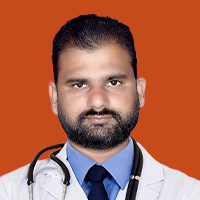


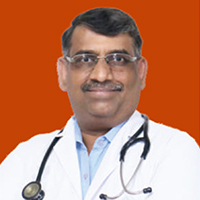

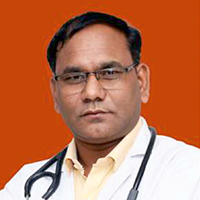








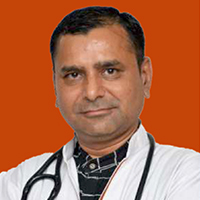

Our Happy Patients
-
 Sunita Malik - Knee Pain
 -
 Abhishek Mal - Diabetes
 -
 Vidit Aggarwal - Psoriasis
 -
 Shanti - Sleeping Disorder
 -
 Ranjana - Arthritis
 -
 Jyoti - Migraine
 -
 Renu Lamba - Diabetes
 -
 Kamla Singh - Bulging Disc
 -
 Rajesh Kumar - Psoriasis
 -
 Dhruv Dutta - Diabetes
 -
 Atharva - Respiratory Disease
 -
 Amey - Skin Problem
 -
 Asha - Joint Problem
 -
 Sanjeeta - Joint Pain
 -
 A B Mukherjee - Acidity
 -
 Deepak Sharma - Lower Back Pain
 -
 Vyjayanti - Pcod
 -
 Sunil Singh - Thyroid
 -
 Sarla Gupta - Post Surgery Challenges
 -
 Syed Masood Ahmed - Osteoarthritis & Bp
Blogs
- Best Home Remedies for Eczema
- What is vulvar eczema? What are its symptoms, treatment and prevention?
- Home Remedies For Eczema On Hands
- Eczema & Its Root Cause Treatment With Ayurveda
- Ayurvedic Remedies To Manage Eczema
- 5 Ayurvedic Secrets for Healthy & Shiny Hair
- स्किन पर खुजली और रैश? Eczema का रामबाण इलाज आयुर्वेद से करें!
- 10 minute Cool Compresses for Quick Eczema
- Foods to Eat (and Avoid) When You Have Eczema
- एक्जिमा (Eczema) का आयुर्वेदिक इलाज – खुजली और जलन से राहत के प्राकृतिक उपाय
Home Remedies
- रूखे और बेजान बालों का आयुर्वेदिक इलाज और मुफ़्त परामर्श
- पिगमेंटेशन का इलाज - घरेलू नुस्खे और मुफ़्त परामर्श
- फंगल इंफेक्शन का इलाज - घरेलू नुस्खे और मुफ़्त परामर्श
- चेहरे की टैनिंग हटाने के घरेलू उपाय - मुफ़्त परामर्श
- Scalp की खुजली का आयुर्वेदिक इलाज - मुफ़्त परामर्श
- क्या आपकी त्वचा बेजान हो गई है? ये आयुर्वेदिक नुस्खे देंगे नैचुरल ग्लो
- झड़ते बालों से परेशान? ये आयुर्वेदिक नुस्खे देंगे घने और मजबूत बाल
- पिंपल्स से छुटकारा पाना मुश्किल लग रहा है? आज़माएं ये असरदार घरेलू नुस्खे!
- क्या आप जानते हैं? इन देसी नुस्खों से डार्क सर्कल्स गायब हो सकते हैं
- डैंड्रफ का जड़ से इलाज – घर पर आजमाएं ये आसान नुस्खे
- Home Remedies for Open Pores
- Home Remedies for Glowing Skin
- Home Remedies For Itchy Scalp
- Home Remedies for Hair Fall
- Home Remedies for Dry Hair
- Home Remedies for Black Spots on Face
- Home Remedies for Hair Loss
- Home Remedies for Pigmentation
- Home Remedies for Face Tan
- Home Remedies for Fungal Infections
- Home Remedies for Dandruff
- Home Remedies for Pimples
- Home Remedies for Dark Circles
Related Disease
- Ayurvedic Treatment for Vitiligo
- Ayurvedic Treatment for Urticaria Hives
- Ayurvedic Treatment for Hair loss and Regrowth
- Ayurvedic Treatment for Dust Allergy
- Ayurvedic Treatment For Dandruff
- Ayurvedic Treatment for ringworm
- Ayurvedic Treatment for Eczema
- Ayurvedic Treatment for Psoriasis
- Ayurvedic Treatment for Acanthosis Nigricans
- Ayurvedic Treatment for Alopecia Areata
- Ayurvedic Treatment for Chicken Pox
- Ayurvedic Treatment for Folliculitis
- Ayurvedic Treatment for Athlete’s Foot
- Ayurvedic Treatment for Pityriasis Rosea
- Ayurvedic Treatment for Pemphigus Vulgaris
- Ayurvedic Treatment for Phlebitis
- Ayurvedic Treatment for Angioedema
- Get Ayurvedic Treatment For Impetigo
- Lichen Planus Treatment in Ayurveda
- Ayurvedic Treatment for Carbuncle
- Ayurvedic Treatment for Cellulitis
- Ayurvedic Treatment for Shingles
- Ayurvedic Treatment for Seborrheic Dermatitis
- Ayurvedic Treatment for Atopic Dermatitis
- Ayurvedic Treatment for Dermatitis
- Get Ayurvedic Treatment for Lipoma
- Ayurvedic Treatment for Keloids
- Ayurvedic Treatment For Xanthelasma
- Ayurvedic Treatment for Scabis
- Ayurvedic Treatment For Warts
- Ayurvedic Treatment For Dark Circles
- Ayurvedic Treatment For Hyperpigmentation
- Ayurvedic Treatment for Glowing Skin
- Ayurvedic Treatment For Fungal Infection
- Get Ayurvedic Treatment for Rosacea
- Get Ayurvedic Treatment for Contact Dermatitis
- Ayurvedic Treatment for Acne
- Ayurvedic Treatment for Leprosy
Latest Blogs
- Air Fried Is Not Automatically Healthy: What Still Matters
- Why Remote Work Can Blur Hunger, Break and Sleep Cues
- Why Fast City Life Can Make You Feel Busy but Physically Underactive
- The Hidden Cost of Eating Lunch at Your Desk Every Day
- Air fryer में बना हर खाना healthy होता है—क्या यह सच है?
- बारिश में जूते देर तक गीले रहने से पैरों की skin क्यों परेशान होने लगती है?
- वीकेंड पर meal timing पूरी तरह बदलना सोमवार को पेट क्यों बिगाड़ सकता है?
- Why Your Energy Drops After Long Hours of Concentration
- Why Your Mouth Feels Dry Every Morning
- बच्चों का breakfast बहुत मीठा हो तो school-time hunger पर क्या असर पड़ सकता है?
- Monsoon Mornings: Why Appetite Can Be Low but Evening Cravings High
- Why Monday Digestion Can Feel Different After a Weekend Routine
- बच्चे खाना खाते समय screen देखें तो fullness signal क्यों miss कर सकते हैं?
- गुड़ और चीनी में से ‘healthy sugar’ चुनना कितना meaningful है
- AC Bedrooms in Humid Weather: Comfort vs Overcooling
- रोज़ coconut water पीना हर किसी के लिए जरूरी क्यों नहीं है?
- मॉनसून में बाल जल्दी oily और scalp itchy क्यों हो सकता हैं?
- Why Seasonal Routine Changes Can Affect Digestion Before You Notice
- The ‘Just One Bite’ Habit That Can Turn Into All-Day Grazing
- Breathless on One Flight of Stairs? Fitness Isn’t the Only Lifestyle Factor
Ayurvedic Doctor In Top Cities
- Ayurvedic Doctors in Bangalore
- Ayurvedic Doctors in Pune
- Ayurvedic Doctors in Delhi
- Ayurvedic Doctors in Hyderabad
- Ayurvedic Doctors in Indore
- Ayurvedic Doctors in Mumbai
- Ayurvedic Doctors in Lucknow
- Ayurvedic Doctors in Kolkata
- Ayurvedic Doctors in Patna
- Ayurvedic Doctors in Vadodara
- Ayurvedic Doctors in Ahmedabad
- Ayurvedic Doctors in Chandigarh
- Ayurvedic Doctors in Gurugaon
- Ayurvedic Doctors in Jaipur
- Ayurvedic Doctors in Kanpur
- Ayurvedic Doctors in Noida
- Ayurvedic Doctors in Ranchi
- Ayurvedic Doctors in Bhopal
- Ayurvedic Doctors in Ludhiana
- Ayurvedic Doctors in Dehradun