
Successful Treatments
Clinics
Doctors
Diet
 Published on 09 Sep, 2026
 Updated on 09 Sep, 2026

Explore Symptoms
Beyond the Surface: Asthi, Majja, and Dhatvagni
To fully grasp joint degeneration, we must look at how the body builds tissue. In Ayurveda, the physical structure consists of seven progressive layers called Dhatus. Bones and cartilage make up the Asthi Dhatu. The marrow inside those bones, along with the synovial fluid that lubricates the joints, falls under Majja Dhatu.
For the body to synthesise healthy bone and joint fluid, the cellular-level metabolic fire must function optimally. This fire is known as Dhatvagni.
When core digestion is compromised, Dhatvagni crashes. As a result, joint tissues do not receive nourishment sufficiently. They become starved, dry, and brittle. This creates what Ayurveda calls Khavaigunya. It is a weak and highly vulnerable space within the joint capsule. When wandering Vata finds this hollow space, it settles in rapidly. This results in the sudden cracking and pain associated with osteoarthritis. It is not just physical wear and tear. It is localised tissue starvation.
The Root Causes (Nidana) of Joint Degeneration
What allows these tissues to starve in the first place? For inflammatory conditions like Amavata, the root almost always traces back to Mandagni. This is a severely weakened digestive fire.
When central digestion is sluggish, consumed food is not fully broken down. This incomplete digestion directly generates Ama. Picture Ama as a heavy, morbid sludge. It circulates through the systemic channels of the body. Eventually, it gets lodged in the joints and sets off aggressive inflammation.
Daily habits can rapidly accelerate this disease pathway. Excessive physical strain, high psychological stress, and a sedentary lifestyle all aggravate the Vata dosha. Combine that with a diet heavy in cold, dry, and highly processed foods. This provides Vata with the exact fuel it needs. It drives circulating Ama deep into vulnerable joints.
Patient Testimonial – Ranjana
“I started experiencing arthritis symptoms in 2016. At night, my hands would become numb while sleeping, and I also had stiffness and discomfort in my joints. These problems gradually started affecting my daily routine.
Later, I decided to try Ayurvedic treatment at Jiva Ayurveda. The doctors carefully understood my condition and suggested a personalised treatment plan. After following the medicines and lifestyle advice regularly, I started noticing improvement. The numbness in my hands reduced, and my joint discomfort became much better. I feel much more comfortable now and can manage my daily activities with greater ease.”
Early Warning Signs (Purvaroopa): Catching the Imbalance
The human body rarely breaks down overnight. Long before severe joint degeneration takes hold, the body presents early warning signs. These are known in Ayurveda as Purvaroopa. Recognising these changes is important in order to prevent irreversible joint damage.
Before the full diagnosis of arthritis is carried out, patients may experience:
- Unexplained Morning Stiffness: A feeling of heaviness in the limbs when waking up, often combined with rigidity. This sign indicates that Ama has accumulated overnight.
- Crepitus: Clicking sounds in the knees or shoulders frequently throughout the day. It indicates that the Vata is drying out the synovial fluid and creating more friction.
Catching the disease in this transitional phase allows for rapid correction. Simple changes in diet and mild detoxification often prevent the condition from settling deep into the Asthi and Majja tissues.
Understanding the Prognosis (Sadhya-Asadhyata)
Ayurveda does not view all cases of arthritis equally. This prognosis can be classified based on the progression and depth of the disease.
- Sukha Sadhya (Easily Manageable): This is observed in the early stages, and it mostly affects a single joint in a patient who has strong immunity and no secondary complications, which means the recovery is promising.
- Krichra Sadhya (Difficult but Manageable): The condition is dominant, but it can be reversed or at least suppressed with specific Ayurvedic protocols.
- Yapya (Maintainable): It cannot be cured completely. However, it can be effectively controlled in order to prevent further structural deterioration.
- Asadhya (Poor Prognosis): This stage is discovered when deformities of the joint already exist and have become irreversible in nature. Here, treatment pivots entirely to symptom relief and improving the patient's daily quality of life.
FAQs
Osteoarthritis is primarily caused by gradual wear and tear of joint cartilage, while rheumatoid arthritis is an autoimmune disease in which the immune system attacks the lining of the joints, causing inflammation, pain, and swelling.
Yes. Joint pain can result from muscle strain, ligament injuries, overuse, sports injuries, infections, gout, bursitis, or temporary inflammation without being caused by arthritis.
Not always. Brief stiffness after waking or prolonged sitting can occur occasionally. However, stiffness lasting longer than 30–60 minutes on a regular basis, especially with swelling or pain, should be evaluated by a healthcare professional.
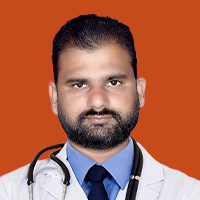
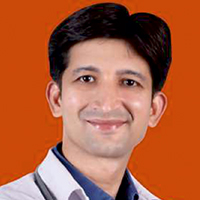
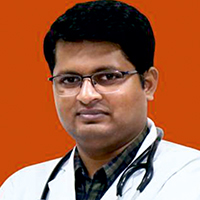
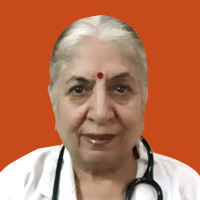
Consult Experienced Ayurveda Doctors for Arthritis And Joint Problems














Our Happy Patients
-
 Sunita Malik - Knee Pain
 -
 Abhishek Mal - Diabetes
 -
 Vidit Aggarwal - Psoriasis
 -
 Shanti - Sleeping Disorder
 -
 Ranjana - Arthritis
 -
 Jyoti - Migraine
 -
 Renu Lamba - Diabetes
 -
 Kamla Singh - Bulging Disc
 -
 Rajesh Kumar - Psoriasis
 -
 Dhruv Dutta - Diabetes
 -
 Atharva - Respiratory Disease
 -
 Amey - Skin Problem
 -
 Asha - Joint Problem
 -
 Sanjeeta - Joint Pain
 -
 A B Mukherjee - Acidity
 -
 Deepak Sharma - Lower Back Pain
 -
 Vyjayanti - Pcod
 -
 Sunil Singh - Thyroid
 -
 Sarla Gupta - Post Surgery Challenges
 -
 Syed Masood Ahmed - Osteoarthritis & Bp
Diagnostic Marker
- CRP and Heart Disease Risk: How Ayurveda Supports Heart Health
- High CRP Levels: Ayurvedic Causes, Meaning, and Natural Treatment Approach
- ESR Levels High: What It Indicates and How Ayurveda Helps Manage Inflammation
- HS-CRP High? Ayurvedic Ways to Reduce Chronic Inflammation Naturally
- Fasting Blood Sugar vs PP Sugar
- HbA1c Levels Explained: Ayurvedic Management for Long-Term Blood Sugar Control
- High Insulin Levels and Insulin Resistance: Ayurvedic Perspective and Care
- Homocysteine Levels High: Ayurvedic Ways to Reduce Heart Disease Risk
- TSH Levels High or Low: Ayurvedic Treatment for Thyroid Imbalance
- T3, T4, and TSH Report Explained Through Ayurveda
Blogs
- Ayurvedic Dietary Tips to Reduce Effect of Obesity on Asthma
- पेट की चर्बी कम करने के आयुर्वेदिक तरीके
- Obesity Treatment in Ayurveda at Jiva Ayurveda
- Get Ayurvedic Treatment for Obesity
- 5 Little Known Facts About Ayurvedic Therapies
- क्या आपकी 9-5 की नौकरी आपको मोटा बना रही है? जानिए बचने के तरीके
- How a Satvik Lifestyle Supports Mental Clarity and Better Health?
- Obesity: Why Weight Keeps Increasing and How to Break the Cycle?
- Weight loss करने के बाद भी वजन वापस क्यों बढ़ जाता है? Metabolism को समझिए
- Weight gain joints पर कितना pressure डालता है? simple calculation समझिए
Home Remedies
Related Disease
- Ayurvedic Treatment for Obesity
- Thyroid Treatment In Ayurveda
- Ayurvedic Treatment for Diabetes
- Ayurvedic Treatment For Type 1 Diabetes
- Ayurvedic Treatment for Hypoglycemia
- Ayurvedic Treatment for Hyperglycemia
- Get Ayurvedic Treatment For Prediabetes
- Ayurvedic Treatment for Diabetic Neuropathy
- Ayurvedic Treatment for Gynecomastia
- Ayurvedic Treatment for Hernia
- Ayurvedic Treatment for Gangrene
- Ayurvedic Treatment for Weight Loss
Latest Blogs
- Air Fried Is Not Automatically Healthy: What Still Matters
- Why Remote Work Can Blur Hunger, Break and Sleep Cues
- Why Fast City Life Can Make You Feel Busy but Physically Underactive
- The Hidden Cost of Eating Lunch at Your Desk Every Day
- Air fryer में बना हर खाना healthy होता है—क्या यह सच है?
- बारिश में जूते देर तक गीले रहने से पैरों की skin क्यों परेशान होने लगती है?
- वीकेंड पर meal timing पूरी तरह बदलना सोमवार को पेट क्यों बिगाड़ सकता है?
- Why Your Energy Drops After Long Hours of Concentration
- Why Your Mouth Feels Dry Every Morning
- बच्चों का breakfast बहुत मीठा हो तो school-time hunger पर क्या असर पड़ सकता है?
- Monsoon Mornings: Why Appetite Can Be Low but Evening Cravings High
- Why Monday Digestion Can Feel Different After a Weekend Routine
- बच्चे खाना खाते समय screen देखें तो fullness signal क्यों miss कर सकते हैं?
- गुड़ और चीनी में से ‘healthy sugar’ चुनना कितना meaningful है
- AC Bedrooms in Humid Weather: Comfort vs Overcooling
- रोज़ coconut water पीना हर किसी के लिए जरूरी क्यों नहीं है?
- मॉनसून में बाल जल्दी oily और scalp itchy क्यों हो सकता हैं?
- Why Seasonal Routine Changes Can Affect Digestion Before You Notice
- The ‘Just One Bite’ Habit That Can Turn Into All-Day Grazing
- Breathless on One Flight of Stairs? Fitness Isn’t the Only Lifestyle Factor
Ayurvedic Doctor In Top Cities
- Ayurvedic Doctors in Bangalore
- Ayurvedic Doctors in Pune
- Ayurvedic Doctors in Delhi
- Ayurvedic Doctors in Hyderabad
- Ayurvedic Doctors in Indore
- Ayurvedic Doctors in Mumbai
- Ayurvedic Doctors in Lucknow
- Ayurvedic Doctors in Kolkata
- Ayurvedic Doctors in Patna
- Ayurvedic Doctors in Vadodara
- Ayurvedic Doctors in Ahmedabad
- Ayurvedic Doctors in Chandigarh
- Ayurvedic Doctors in Gurugaon
- Ayurvedic Doctors in Jaipur
- Ayurvedic Doctors in Kanpur
- Ayurvedic Doctors in Noida
- Ayurvedic Doctors in Ranchi
- Ayurvedic Doctors in Bhopal
- Ayurvedic Doctors in Ludhiana
- Ayurvedic Doctors in Dehradun