


Successful Treatments
Clinics
Doctors
Obesity is a very common health problem that can affect your levels of energy, your metabolic rate, and your overall well-being. It is typically caused by a combination of lifestyle factors, dietary habits, and bodily imbalances.
Jiva Ayurveda has natural ways to deal with obesity by balancing your metabolic functions, promoting healthy digestion, and helping you lose weight. With the right guidance and support, obesity can be controlled, and you can achieve a healthy body and overall well-being.
What is Obesity?
Obesity is a condition characterised by excessive fat accumulation in the body. This condition is not just about being overweight but is a major health problem that may increase the risk of other medical issues, such as diabetes, heart disease, and joint problems.
Medically, Obesity is measured by calculating the Body Mass Index (BMI), which measures the weight-height connection. There are three classes of Obesity based on BMI:
- Class I Obesity: 30 to less than 35 kg/m2 BMI.
- Class II Obesity: 35 to less than 40 kg/m2 BMI.
- Class III Obesity: 40 kg/m2 or more - considered severe or morbid Obesity.
What Are The Common Causes of Obesity?
Obesity occurs when the balance between calorie consumption and energy expenditure is disturbed. These factors are important to understand as they demonstrate how lifestyle and biology can influence weight gain. Here are some common causes of Obesity:
- Excessive Calorie Intake: Eating more calories than your body can use, particularly from sugary and high-fat foods, can lead to weight gain.
- Absence of Physical Activity: A sedentary lifestyle with very little exercise means fewer calories are burned, which could result in weight gain.
- Genetics: Some people are genetically predisposed to gain weight faster compared to others. These factors can affect appetite, metabolism, and fat storage.
- Medications: Several medicines (like antidepressants, antipsychotic drugs, and diabetes drugs) can result in weight gain as a side effect.
- Medical Conditions: Health issues like hypothyroidism, polycystic ovary syndrome (PCOS), and insulin resistance might reduce metabolic rate or enhance appetite, leading to Obesity.
- Poor Sleep: Sleep deprivation could disrupt hormones that control appetite and hunger, leading to increased eating and weight gain.
- Stress: Constant stress could result in the release of cortisol, a hormone that stimulates fat retention and raises appetite for high-calorie foods.
- Environmental Factors: Access to fast food, lack of safe places to exercise, and even marketing of unhealthy foods may contribute to Obesity. Cultural and community factors also influence dietary habits and lifestyle choices.
- Age: The metabolism slows down, and muscle mass decreases with age, making it much easier to gain weight if calorie consumption isn't modified.
Signs and Symptoms of Obesity
Obesity often has no apparent symptoms at first and isn't easily detected until it gets worse. But many signs and physical changes may indicate whether someone is gaining weight or has already developed Obesity.
- Increased Body Fat
- Clothes Fitting Tighter
- Difficulty with Daily Activities
- Feeling Tired More Often
- Breathing Problems
- Snoring/Sleep Apnea
- Joint Pain
- Increased Sweating
- Psychological Effects
How is Obesity Diagnosed?
Obesity is measured by evaluating the ratio of weight to height, as well as body composition and overall health. Doctors use a combination of physical examination, medical history, and testing to determine the level of severity and the cause of obesity.
- BMI: Body Mass Index: This tool calculates your weight and height to categorise you as underweight, normal weight, overweight, or obese.
- Waist Circumference and Fat Distribution: Measuring the waistline is a way to determine the risk of developing metabolic issues.
- Medical History: This includes dietary habits, physical activity, family history of obesity, and other health conditions like diabetes or thyroid disease.
- Laboratory Tests: Blood tests for sugar, cholesterol, thyroid, and other metabolic values to identify the cause of obesity or other health risks.
Early diagnosis allows for a customized Ayurvedic treatment plan, dietary modifications, and lifestyle changes to control weight effectively and safely.
Risks and Complications of Obesity
If Obesity is not managed properly, it can increase the risk of several serious health problems.
- Heart Disease: Excess body weight increases the risk of high blood pressure, heart disease, and stroke.
- Type 2 Diabetes: Obesity is one of the major risk factors for developing diabetes.
- Joint Problems: Extra body weight puts pressure on joints, leading to conditions like knee pain and arthritis.
- Sleep Apnea: Excess fat around the neck may cause breathing problems during sleep.
- Fatty Liver Disease: Obesity can lead to fat accumulation in the liver, affecting liver function.
- Reduced Mobility and Fatigue: Carrying extra weight may cause tiredness and difficulty in daily activities.
Ayurvedic Understanding of Obesity
In Ayurveda, obesity is known as Sthaulya or Medoroga, a problem that originates from an imbalance of Meda Dhatu, the body tissue associated with fat and fat metabolism. Meda Dhatu is one of the seven Dhatus mentioned in ancient texts such as Charaka Samhita. When this tissue is in excess or not fed in the right way, fat begins to accumulate in the wrong manner, and fat metabolism becomes irregular.
The treatment for this in Ayurvedic medicine is to regain balance by increasing the power of digestion (Agni), regulating fat metabolism, and rebalancing the entire dosha concept. A comprehensive treatment program, including mindful eating, lifestyle modification, herbal treatment, and detoxification-like therapies, can help minimise the risks associated with obesity.
Jiva Ayurveda’s Approach To Treat Obesity
Jiva Ayurveda offers holistic Obesity treatment in Ayurveda using evidence-based approaches. The treatment plans are customised to target the very root causes of the disease, and instead of just treating symptoms, they focus on holistic healing, balance, and stability in totality.
Core Components of Jiva’s Ayunique™ Treatment Protocol
1. Personalised Ayurvedic Medicines
Ayurvedic medicines are tailored to your body type (dosha) and the level of obesity you have.
- Herbal combinations: A combination of herbs like Triphala, Guggul, Punarnava, and Shilajit is used to increase metabolism, reduce fat accumulation, improve digestion, and maintain effective weight management.
- Balancing the doshas: Each of these medicines balances Vata, Pitta, and Kapha to treat the underlying causes of obesity, not just the symptoms.
- Internal cleansing: These medicines help cleanse your body from the inside, eliminating accumulated toxins (Ama), increasing digestive fire (Agi), and preventing further fat accumulation.
2. Dietary and Lifestyle Modifications
Healthy eating and lifestyle habits are necessary for obesity management and long-term weight loss.
- Balanced diet: Include fresh fruits and vegetables, whole grains, nuts, seeds, and lean meats to stimulate metabolism and provide essential nutrients.
- Avoid processed foods: Reduce sugar, fried foods, and junk food that lead to fat accumulation.
- Regular exercise: Add walking, gentle yoga, and light exercise to increase fat metabolism and energy.
- Hydration: Drinking sufficient water helps in digestion, detoxification, and fat metabolism.
3. Ayurvedic Therapies
Ayurvedic therapies are designed to detoxify the body, increase metabolism, and promote weight loss.
- Panchakarma: Gentle detoxification methods to eliminate toxins, improve digestion, and regulate the doshas.
- Abhyanga (herbal oil massage): Increases blood circulation, increases metabolism, and reduces stiffness in muscles and joints.
- Stress management: These therapies also help in stress management, which can otherwise lead to overeating or metabolic disorders, making it difficult to manage weight.
4. External Therapies
External Ayurvedic therapies work in conjunction with internal therapies, promoting metabolism and overall health.
- Herbal oils and pastes: Used on specific areas to increase fat metabolism and improve blood circulation.
- Daily application and massage: Regular use helps improve skin texture, promotes lymphatic drainage, and facilitates detoxification.
- Synergistic effect: When used in conjunction with exercise and dietary modifications, external therapies multiply the effects of internal medications and help in effective weight management.
Ayurvedic Medicines For Obesity
Jiva Ayurveda provides natural remedies for obesity using HACCP-certified herbal products that help in balancing the body and promoting skin health. The ancient herbs work by reducing inflammation, purifying the body, and balancing the doshas (Vata, Pitta, and Kapha).
The following are the Ayurvedic herbs used to treat obesity:
- Triphala: Triphala combines Amla, Haritaki, and Bibhitaki to form a detoxifying agent that facilitates digestion and elimination of toxins from the body. Soak Triphala powder in warm water and consume it daily for better digestive health and weight loss.
- Guggul: Guggul is extracted from the resin of the Commiphora mukul tree and is believed to improve thyroid function, metabolism, and fat breakdown.
- Trikatu: Trikatu (a blend of black pepper, long pepper, and ginger) is known to stimulate digestion and increase metabolic rate for efficient fat burning.
- Tulsi (Holy Basil): Tulsi moderates blood sugar and reduces stress, two factors that can help manage weight.
- Turmeric (Curcuma Longa): Turmeric contains curcumin, which is anti-inflammatory and promotes fat metabolism and insulin sensitivity. Use turmeric in your everyday meals or as a dietary supplement to support weight loss and better health.
- Fenugreek (Trigonella Foenum-graecum): Fenugreek helps digest food, control blood sugar, and promote satiety, which can help control appetite and assist in weight loss. Soak Fenugreek seeds overnight and eat on an empty stomach or use them in meals.
- Ashwagandha (Withania Somnifera): Ashwagandha is believed to reduce stress and increase energy levels, making it helpful for weight management.
- Cinnamon: Cinnamon is known to increase insulin sensitivity and control blood sugar, which is an essential requirement for weight control.
- Kalonji (Nigella Sativa or Black Cumin): Kalonji has been used for centuries to aid weight loss in obese patients. Incorporate Nigella sativa seeds or oil into your diet to explore its health benefits.
- Vijaysar (Kino Tree): Extracts of the Vijaysar tree may help reduce fat. Its efficacy needs to be further studied, but using its extracts may help in Obesity management.
- Punarnava (Boerhavia Diffusa): Punarnava exhibits strong diuretic properties that can help eliminate toxins and support kidney and urinary bladder functions, aiding in detoxification and weight control.
These herbs should always be taken under the guidance of a qualified professional, as the right choice and dosage depend on your individual body type and medical condition.
How We Assess Obesity Patients at Jiva Ayurveda
At Jiva Ayurveda, our doctors begin with a detailed evaluation to understand the factors contributing to weight gain. This includes:
- Current weight-related issues and symptoms, such as low energy levels, sluggish metabolism, or digestive problems
- Medical history and past attempts at weight reduction through any form of therapy or drugs
- Dietary habits and activity levels
- Stress levels, sleep patterns, and digestive capabilities, which in Ayurvedic medicine can impact metabolism and fat deposition
- Thyroid disorders, diabetes, and hormonal imbalances
Based on this assessment, our doctors create a personalised Ayurvedic care plan aimed at supporting healthy weight management and overall well-being.
Our Step-by-Step Care Process
At Jiva Ayurveda, every treatment process is conducted in a structured and organised manner to provide you with a completely personalised and efficient experience of Ayurvedic treatment.
1. Share Contact Details: After submitting your details, you can also connect with us directly at 0129 4264323 to begin the consultation process.
2. Appointment Confirmation: At Jiva Ayurveda, an appointment is fixed with our experienced and trained Ayurvedic doctors. You can also choose the medium of consultation that suits you best.
- Clinic: Jiva Ayurveda has over 80 clinics located in multiple cities, allowing you to visit our nearest clinic and get a face-to-face consultation and treatment.
- Video Consultation (Rs. 49): If you are not able to find a Jiva Ayurveda clinic in your city, you can still take an online consultation with a doctor, available at a discounted price of Rs. 49 (regular price Rs. 299). Simply call us on 0129 4264323 and get in touch with our experienced and skilled Ayurvedic doctors from the comfort of your home.
3. Detailed Diagnosis: Our experienced and skilled doctors consult with you and try to understand your problem and symptoms to identify the main cause of the problem.
4. Root Cause-Based Treatment Plan: According to the diagnosis, a treatment plan is prepared, and a completely personalised treatment is provided to you using natural and herbal medicines.
5. Follow-ups and Progress Monitoring: Regular follow-ups help track improvement and adjust treatment if needed.
Obesity Improvement Timeline with Ayurvedic Care
First Few Weeks: Patients may begin to feel lighter, with improvements in digestion, energy levels, and appetite control.
1–3 Months: Gradual weight reduction and improved metabolism may become noticeable with consistent Ayurvedic care and lifestyle adjustments.
3–6 Months: With continued treatment and regular follow-ups at Jiva Ayurveda, many patients experience significant improvements in weight management and overall health.
What Results Can You Expect?
Our goals in obesity care at Jiva Ayurveda focus on healthy and sustainable weight management:
- Gradual and healthy weight reduction
- Improved metabolism and digestion
- Better energy levels and physical activity
- Support for overall metabolic and lifestyle balance
Some patients may start noticing changes in energy levels and digestion within a few weeks, while long-term weight management depends on lifestyle changes and consistent treatment.
Estimated Cost of Treatment for Obesity at Jiva Ayurveda
Understanding the financial investment required for managing Obesity is important. At Jiva Ayurveda, treatment plans are designed with transparent pricing so patients can choose an option that suits their health needs and preferences.
Treatment Cost
For patients seeking regular and continuous care for Obesity, the monthly cost of consultation and medicines usually ranges between Rs. 3,000 and Rs. 3,500.
Please note that this is an estimated starting range, and the final cost may vary depending on the patient’s condition, treatment duration, and medical requirements.
Protocol
For patients who need a more structured and comprehensive approach to weight management, specialised treatment packages are available. These protocols focus on both physical symptoms and lifestyle improvement.
The package generally includes:
- Medicine
- Consultation
- Mental Well-Being Sessions
- Yoga and Meditation
- Diet Guidance
- Therapy
The cost for this protocol typically ranges from Rs. 15,000 to Rs. 40,000 as a one-time payment for a 3 to 4-month treatment duration.
Jivagram
For patients seeking a more intensive and immersive healing experience, Jivagram offers a dedicated residential wellness program in a peaceful and eco-friendly environment.
The program includes:
- Authentic Panchakarma therapies
- Sattvic meals
- Modern healing services
- Comfortable accommodation
- Additional wellness and lifestyle facilities
An immersive wellness stay at Jivagram typically costs around Rs. 1 Lakh for a 7-day program, providing continuous personalised care aimed at restoring overall balance and well-being.
Why Patients Trust Jiva Ayurveda
Our methodology at Jiva Ayurveda is centred around personalised and root cause-based Ayurvedic treatment that is specifically focused on catering to the health and wellness needs of individual patients.
- Root Cause-Based Treatment: Instead of treating the symptoms, our treatment methods are focused on treating and curing the disease or health condition itself.
- Customised Treatment Plans: Our doctors provide a customised treatment plan to each patient based on their individual prakriti (body constitution) and various factors like lifestyle, diet, and environment.
- Protocol-Based Analysis: We provide treatment that is based on a well-defined and tested protocol of Ayurvedic medicine that is a result of extensive research and clinical expertise.
- Authentic Ayurvedic Medicines: We provide authentic and genuine Ayurvedic medicines that are prepared in a facility that is certified and follows strict quality parameters to ensure the safety and effectiveness of our medicines.
- 8000+ Patient Consultations Every Single Day: We provide treatment to over 8,000 patients daily, and our doctors are experienced in treating a wide range of health and wellness concerns of our patients.
- 90%+ Patients Show Significant Improvement: Out of every 10 patients, 9 patients show significant improvements in their health and wellness after following our treatment and advice of Ayurvedic medicine and lifestyle.
- 88% Reduction in Dependence on Other Medicines: Out of every 10 patients, 9 patients show significant reductions in their dependency on allopathic medicines while continuing to seek treatment and advice from our doctors and practitioners of Ayurvedic medicine.
Modern Medical vs Ayurvedic Approach for Obesity
| Aspect | Modern Medical Approach | Ayurvedic Approach |
| Treatment Focus | Primarily focuses on reducing body weight and managing associated health conditions. | Focuses on correcting the root cause of weight gain and restoring body balance. |
| Methods Used | May include diet plans, medications for weight loss, behavioural therapy, and in severe cases, bariatric surgery. | Uses herbal medicines, detox therapies, and personalised treatment based on body constitution (prakriti). |
| View of the Condition | Considers obesity mainly as excess body fat accumulation caused by a calorie imbalance. | Considers obesity as an imbalance in body doshas and metabolism (Agni), leading to fat accumulation. |
| Lifestyle Role | Lifestyle changes like calorie control and exercise are recommended along with treatment. | Lifestyle correction, daily routine, and a balanced diet are considered essential parts of treatment. |
| Long-Term Goal | Weight reduction and prevention of related health problems. | Long-term metabolic balance, healthy weight management, and overall well-being. |
When Should You Consult a Doctor for Obesity?
You should consider consulting a doctor if weight gain begins to affect your daily life or overall health. Early medical guidance can help prevent further complications and support healthier weight management.
- Rapid or unexplained weight gain over a short period
- Body weight that continues to increase despite diet and exercise
- Difficulty in performing daily activities due to excess weight
- Symptoms such as fatigue, breathlessness, or joint pain
- Presence of related conditions like diabetes, thyroid imbalance, or high blood pressure
Conclusion
Managing Obesity requires a balanced approach that focuses on long-term health rather than quick fixes. With proper diagnosis, consistent treatment, and lifestyle adjustments, many people can gradually achieve a healthier weight and improved well-being.
If you are struggling with Obesity or related health concerns, you can consult certified doctors at Jiva Ayurveda for personalised guidance and treatment. Call today at 0129-4264323 to speak with an expert and start your journey toward better health.
FAQs
Obesity is caused by an imbalance between calorie intake and energy expenditure, along with factors like genetics, lifestyle, hormonal imbalances, stress, and poor digestion.
Diagnosis is based on BMI (Body Mass Index), waist circumference, body fat percentage, medical history, and lab tests to check metabolic and hormonal health.
Yes. Maintaining a balanced diet, regular physical activity, proper sleep, and stress management can reduce the risk of obesity.
Untreated obesity can increase the risk of diabetes, high blood pressure, heart disease, joint problems, sleep apnea, and fatty liver disease.
Ayurveda addresses the root causes of obesity by balancing doshas, improving metabolism, detoxifying the body, and using herbal medicines, therapies, diet, and lifestyle changes.
Yes, Ayurvedic weight management focuses on gradual, sustainable fat reduction, improving digestion, and strengthening the body without harsh chemicals or side effects.
Results vary depending on body type, severity, and consistency of treatment. Some improvements in digestion and energy can be seen in weeks, while noticeable weight reduction may take 2–3 months or more.
Yes, stress and poor sleep can disrupt hormonal balance, increase appetite, slow metabolism, and contribute to weight gain.
Fresh fruits, vegetables, whole grains, nuts, seeds, and high-fiber, low-fat foods help improve metabolism and support healthy weight management.
Obesity may recur if healthy lifestyle habits are not maintained. Regular exercise, mindful eating, stress management, and periodic Ayurvedic guidance help sustain long-term results.
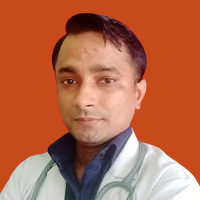
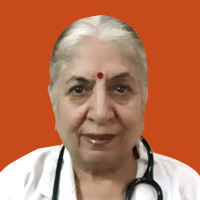
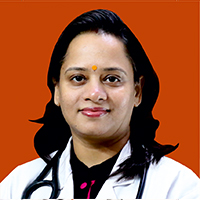
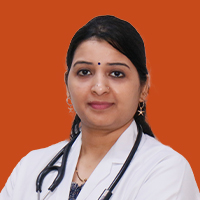
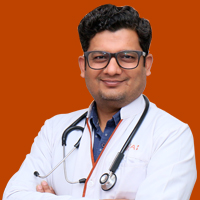
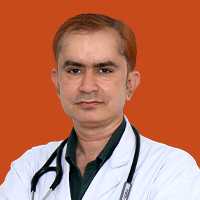
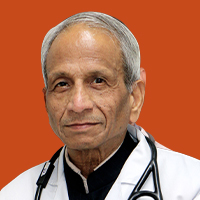
Top Ayurveda Doctors




Our Happy Patients
-
 Sunita Malik - Knee Pain
 -
 Abhishek Mal - Diabetes
 -
 Vidit Aggarwal - Psoriasis
 -
 Shanti - Sleeping Disorder
 -
 Ranjana - Arthritis
 -
 Jyoti - Migraine
 -
 Renu Lamba - Diabetes
 -
 Kamla Singh - Bulging Disc
 -
 Rajesh Kumar - Psoriasis
 -
 Dhruv Dutta - Diabetes
 -
 Atharva - Respiratory Disease
 -
 Amey - Skin Problem
 -
 Asha - Joint Problem
 -
 Sanjeeta - Joint Pain
 -
 A B Mukherjee - Acidity
 -
 Deepak Sharma - Lower Back Pain
 -
 Vyjayanti - Pcod
 -
 Sunil Singh - Thyroid
 -
 Sarla Gupta - Post Surgery Challenges
 -
 Syed Masood Ahmed - Osteoarthritis & Bp
Diagnostic Marker
- CRP and Heart Disease Risk: How Ayurveda Supports Heart Health
- High CRP Levels: Ayurvedic Causes, Meaning, and Natural Treatment Approach
- ESR Levels High: What It Indicates and How Ayurveda Helps Manage Inflammation
- HS-CRP High? Ayurvedic Ways to Reduce Chronic Inflammation Naturally
- Fasting Blood Sugar vs PP Sugar
- HbA1c Levels Explained: Ayurvedic Management for Long-Term Blood Sugar Control
- High Insulin Levels and Insulin Resistance: Ayurvedic Perspective and Care
- Homocysteine Levels High: Ayurvedic Ways to Reduce Heart Disease Risk
- TSH Levels High or Low: Ayurvedic Treatment for Thyroid Imbalance
- T3, T4, and TSH Report Explained Through Ayurveda
Social Timeline
Blogs
- Ayurvedic Dietary Tips to Reduce Effect of Obesity on Asthma
- पेट की चर्बी कम करने के आयुर्वेदिक तरीके
- Obesity Treatment in Ayurveda at Jiva Ayurveda
- Get Ayurvedic Treatment for Obesity
- 5 Little Known Facts About Ayurvedic Therapies
- क्या आपकी 9-5 की नौकरी आपको मोटा बना रही है? जानिए बचने के तरीके
- How a Satvik Lifestyle Supports Mental Clarity and Better Health?
- Obesity: Why Weight Keeps Increasing and How to Break the Cycle?
- Weight loss करने के बाद भी वजन वापस क्यों बढ़ जाता है? Metabolism को समझिए
- Weight gain joints पर कितना pressure डालता है? simple calculation समझिए
Home Remedies
Related Disease
- Ayurvedic Treatment for Obesity
- Thyroid Treatment In Ayurveda
- Ayurvedic Treatment for Diabetes
- Ayurvedic Treatment For Type 1 Diabetes
- Ayurvedic Treatment for Hypoglycemia
- Ayurvedic Treatment for Hyperglycemia
- Get Ayurvedic Treatment For Prediabetes
- Ayurvedic Treatment for Diabetic Neuropathy
- Ayurvedic Treatment for Gynecomastia
- Ayurvedic Treatment for Hernia
- Ayurvedic Treatment for Gangrene
- Ayurvedic Treatment for Weight Loss
Latest Blogs
- मॉनसून में बाल जल्दी oily और scalp itchy क्यों हो सकता हैं?
- Why Seasonal Routine Changes Can Affect Digestion Before You Notice
- The ‘Just One Bite’ Habit That Can Turn Into All-Day Grazing
- Breathless on One Flight of Stairs? Fitness Isn’t the Only Lifestyle Factor
- Fruit Juice vs Whole Fruit: The Difference Is Bigger Than One Ingredient
- हर meal के बाद मीठा खाने की इच्छा क्यों बन जाती है?
- late-night scrolling अगली सुबह भूख और cravings को कैसे बदल सकता है?
- Why Humidity Can Make Your Body Feel Heavier Than the Temperature Suggests
- नींद कम होने पर महिलाओं में sugar craving ज्यादा क्यों महसूस हो सकती है?
- पीरियड्स के दौरान ब्लोटिंग एक जैसी क्यों नहीं होती ?
- Is Brown Bread Always Better Than White Bread?
- Why Your Feet Feel Heavy After a Day of Sitting
- Protein Bars: Smart Snack or Dessert With Better Marketing?
- weekend में दोपहर तक सोना बॉडी क्लॉक को reset करता है या और बिगाड़ देता है?
- Waking Up With a Puffy Face: When Lifestyle May Be Part of the Story
- वर्किंग महिलाओं में lunch delay होना energy और mood को कैसे बदलता है?
- Why You May Drink Less Water in Monsoon Without Realising It
- Monsoon Laundry Smell: A Fabric Issue or an Indoor-Moisture Signal?
- Why Your Skin Can Feel Sticky and Dehydrated at the Same Time
- Does Detox Water Actually Detox Anything?
Ayurvedic Doctor In Top Cities
- Ayurvedic Doctors in Bangalore
- Ayurvedic Doctors in Pune
- Ayurvedic Doctors in Delhi
- Ayurvedic Doctors in Hyderabad
- Ayurvedic Doctors in Indore
- Ayurvedic Doctors in Mumbai
- Ayurvedic Doctors in Lucknow
- Ayurvedic Doctors in Kolkata
- Ayurvedic Doctors in Patna
- Ayurvedic Doctors in Vadodara
- Ayurvedic Doctors in Ahmedabad
- Ayurvedic Doctors in Chandigarh
- Ayurvedic Doctors in Gurugaon
- Ayurvedic Doctors in Jaipur
- Ayurvedic Doctors in Kanpur
- Ayurvedic Doctors in Noida
- Ayurvedic Doctors in Ranchi
- Ayurvedic Doctors in Bhopal
- Ayurvedic Doctors in Ludhiana
- Ayurvedic Doctors in Dehradun