
Successful Treatments
Clinics
Doctors
Overview of Bleeding Piles
 Published on 19 Oct, 2026
 Updated on 19 Oct, 2026

Explore Symptoms
- Home / Diseases & Ayurveda / Digestive Disorders / Ayurvedic Treatment for Piles And Fissure: Pain, Bleeding & Relief Options / Piles Symptoms: Bleeding, Pain, Itching and Lumps / Overview of Bleeding Piles
Seeing bright red blood in the toilet is terrifying, but try not to panic in such situations. In most cases of piles, this bleeding is completely painless and not life-threatening. It happens because a hard, dry stool scratches against a fragile, swollen vein deep inside your lower body. The bleeding usually stops on its own within a few minutes when you stand up.
However, your safety always comes first. You must seek immediate medical help if the bleeding does not stop. If you see large splashes of blood instead of a few small drops, or if you feel sudden, throbbing pain. If the blood looks thick, dark red, or sticky like black tar, go to a doctor immediately.
Emergency Red Flags
While mild bleeding from piles is normal, certain signs must not be ignored and need a prompt doctor's appointment:
- If you have heavy or continuous bleeding, or you see blood in the toilet bowl, blood that won't stop driping ot passing large blood clots.
- If you feel dizzy, lightheaded, weak, or experience a racing heartbeat.
- If you have a high fever, chills, or pus draining from the area, which indicate a severe infection.
- If you feel sudden, intense pain that makes it difficult to sit, walk, or stand.
- If your stool looks black, tarry, or dark maroon, which indicates a bleeding source higher up in the digestive tract.
Patient Success Stories
Symptoms Needing Prompt Appointment
You should make an appointment with a doctor or a specialist if you notice:
- Any new bright red blood on your toilet paper or in the bowl, even if it is painless or happens occasionally.
- When discomfort, itching, or irritation that does not improve even after a week.
- When internal piles protrude outside the anl opening during bowel movements and do not easily slip back on their own.
- When bleeding is accompanied by a persistent change in your bowel habits, chronic abdominal pain, or unexplained weight loss.
What Not To Do
When you are dealing with bleeding piles, certain activities, habits, and foods can trigger inflammation, increase rectal pressure, and cause more bleeding:
- Do not strain or push hard during bowel movements, as this increases pressure on the rectal veins and triggers heavy bleeding.
- Avoid reading newspapers, scrolling on your phone or sitting on he commode for more periods, do not spend more than three to four minutes.
- Do not use harsh, scented products down there as this can cause irritation, dry out, and irritate the sensitive anal tissues.
- Avoid heavy weightlifting or performing high-pressure exercise as it can increase intra-abdominal pressure.
- If your lump is bulging, then do tyr ot pop, scratch, or try to push or pull it.
- Do not self-medicate if you are actively bleeding unless advised by the doctor.
What A Clinician May Assess
The doctor will ask you questions related to your medical history, such as color, amount, frequency, bowel habits, and symptoms, such as pain, burning, itching, and mucus discharge. He will do a physical examination by looking for skin tags, blood clots, bluish protruding masses, or skin irritation. The doctor also does a digital rectal exam, where he inserts a gloved, lubricated finger into the rectum to check anal sphincter muscle tone, tenderness, masses, or internal swelling. He may also ask you for anoscopy, sigmoidoscopy, or colonoscopy for a bigger and clearer picture.
An Ayurvedic practitioner also does your medical and physical examination. He checks your pulse, Nadi pariksh, to check which internal energies are out of balance in your body. He also asks questions related to your lifestyle, digestion, and bowel habits to know if you have constipation and whether Ama is building up in your body.
How To Prepare For Consultation
Visiting a doctor for bleeding piles can feel embarrassing, but being prepared makes the process much easier. Here is what you need to do before your appointment:
- Track your bleeding before booking your appointment. Note if the blood is bright red or dark and whether it drops into the toilet bowl or only shows on the paper.
- Write down everything you eat and drink. Ayurvedic doctors rely heavily on your exact diet and lifestyle to understand your digestive fire and identify what is making your stool hard.
- Take a warm bath and gently clean the outer area with warm water before going to bed. Wear loose clothing so you feel comfortable during the physical checkup.
Refereces
Definition & Facts of Hemorrhoids - NIDDK
Hemorrhoids | Piles | MedlinePlus
Treatment of Hemorrhoids - NIDDK
FAQs
Bleeding piles (hemorrhoids) are swollen blood vessels in the lower rectum or anus that cause bright red bleeding during or after a bowel movement.
You should see a doctor for bleeding piles (hemorrhoids) if home treatments do not improve symptoms after one week, or sooner if you experience warning signs.
No, bleeding piles do not cause cancer. Piles are swollen, inflamed blood vessels in the lower rectum or anus, and they do not transform into or cause anal cancer.
Piles bleed because the swollen, engorged blood vessels in the lower rectum and anus become stretched, fragile, and irritated.
Yes, piles often shrink or feel better after they bleed, especially if they are thrombosed (filled with a blood clot) or under high pressure.
Bleeding piles typically take a few days to 2 weeks to heal with proper care and treatment.
Find Jiva Ayurveda Clinics for Ano-rectal Treatment Near You
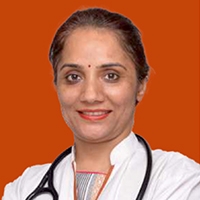
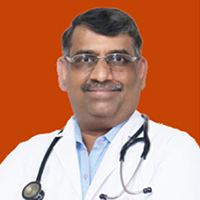
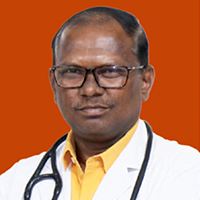
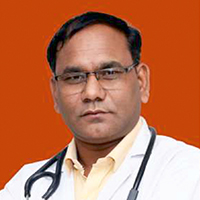
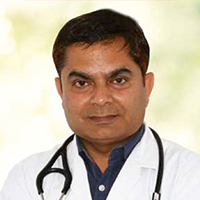
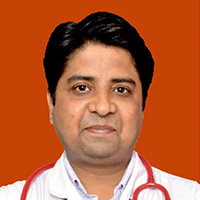
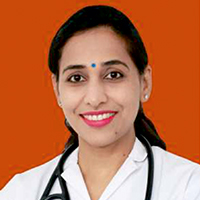
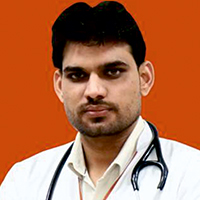
Consult Experienced Ayurveda Doctors for Ano-rectal




Our Happy Patients
-
 Sunita Malik - Knee Pain
-
 Abhishek Mal - Diabetes
-
 Vidit Aggarwal - Psoriasis
-
 Shanti - Sleeping Disorder
-
 Ranjana - Arthritis
-
 Jyoti - Migraine
-
 Renu Lamba - Diabetes
-
 Kamla Singh - Bulging Disc
-
 Rajesh Kumar - Psoriasis
-
 Dhruv Dutta - Diabetes
-
 Atharva - Respiratory Disease
-
 Amey - Skin Problem
-
 Asha - Joint Problem
-
 Sanjeeta - Joint Pain
-
 A B Mukherjee - Acidity
-
 Deepak Sharma - Lower Back Pain
-
 Vyjayanti - Pcod
-
 Sunil Singh - Thyroid
-
 Sarla Gupta - Post Surgery Challenges
-
 Syed Masood Ahmed - Osteoarthritis & Bp
Blogs
- Don?t Tolerate Piles Pain & Discomfort Every Day. Do This
- 3 Lessons You Can Learn from Successful Piles Treatment at Jiva
- 6 Home Remedies that will Bring Relief from Piles
- 5 Effective Home Remedies for Piles
- Do You Know The Symptoms of Piles?
- Comprehensive, Root-cause Treatment of Piles
- 5 Easy Steps to Prevent & Control Piles
- 5 Foods to Avoid for Piles
- Fibres - The Ideal Addition to Your Diet for Piles
- 5 tips to Overcome Piles During Pregnancy
Home Remedies
- पेट में गैस, जलन या संक्रमण? इन घरेलू उपायों से पाएं राहत
- पेट में गैस, अपच और फुलाव का आयुर्वेदिक इलाज - मुफ़्त परामर्श
- एनल फिशर से परेशान हैं? ये आयुर्वेदिक नुस्खे देंगे राहत और आराम
- कब्ज़ का आयुर्वेदिक इलाज - मुफ़्त परामर्श
- एसिड रिफ्लक्स का घरेलू इलाज - मुफ़्त आयुर्वेदिक परामर्श
- Food Poisoning का आयुर्वेदिक इलाज - मुफ़्त परामर्श
- क्या बार-बार उल्टी हो रही है? इन घरेलू उपायों से पाएं तुरंत आराम
- क्या आप जानते हैं? इन नुस्खों से पेट दर्द जड़ से खत्म होता है!
- बार-बार एसिडिटी? ये देसी नुस्खे तुरंत देंगे आराम!
- दवा की ज़रूरत नहीं! लूज़ मोशन का रामबाण इलाज घर पर ही
- Home Remedies for Vomiting
- Home Remedies for Piles
- Home Remedies for Food Poisoning
- Home Remedies for Stomach Infection
- Home Remedies for Bloating
- Home Remedies for Anal Fissure
- Home Remedies for Constipation
- Home Remedies for Acid Reflux
- Home Remedies for Acidity
- Home Remedies for Stomach Pain
Related Disease
- Ayurvedic Treatment for Acid Reflux: Heartburn, Triggers & Care
- Ayurvedic Treatment for Anemia: Symptoms, Causes & Care Options
- Ayurvedic Treatment for Anorexia: Symptoms, Causes & Management
- Ayurvedic Treatment for Chronic Fatigue Syndrome: Symptoms, Causes & Management
- Ayurvedic Treatment for Gastritis: Stomach Burning, Causes, Diet & Care Options
- Ayurvedic Treatment for Colitis: Symptoms, Causes, Diet & Care
- Ayurvedic Treatment for Crohn’s Disease: Symptoms, Flare-Ups and Supportive Care
- Ayurvedic Treatment for Weakness and Fatigue: Symptoms, Causes & Management
- Ayurvedic Treatment for Flatulence: Symptoms, Causes, Diet & Care
- Ayurvedic Treatment for Gallstones: Symptoms, Causes, Diet & Care
- Ayurvedic Treatment for Jaundice: Symptoms, Causes, Diet & Care
- Ayurvedic Treatment for Liver Cirrhosis: Symptoms, Causes, Diet & Care
- Ayurvedic Treatment for Sickle Cell Anaemia: Symptoms, Causes & Care Options
- Ayurvedic Treatment for Piles And Fissure: Pain, Bleeding & Relief Options
- Ayurvedic Treatment for Irritable Bowel Syndrome (IBS): Bloating, Bowel Symptoms & Diet
- Ayurvedic Treatment for Hyperacidity: Burning Sensation, Causes, Diet & Care
- Ayurvedic Treatment for Constipation: Digestive Health & Relief Options
- Ayurvedic Treatment for Coeliac Disease: Symptoms, Causes, Diet & Care
- Ayurvedic Treatment for Peptic Ulcer: Symptoms, Causes, Diet & Care
- Ayurvedic Treatment for Tapeworm: Symptoms, Causes & Management
- Ayurvedic Treatment for Typhoid: Symptoms, Causes & Care Options
- Ayurvedic Treatment for Diarrhea: Symptoms, Causes, Diet & Care
- Ayurvedic Treatment for Diverticulitis: Symptoms, Causes & Management
- Ayurvedic Treatment for Pinworms: Symptoms, Causes & Management
- Ayurvedic Treatment for Cholera: Symptoms, Causes & Care Options
- Ayurvedic Treatment for Emphysema: Symptoms, Causes & Management
- Ayurvedic Treatment for Food Poisoning: Symptoms, Causes & Management
- Ayurvedic Treatment for Atherosclerosis: Symptoms, Causes & Supportive Care
- Ayurvedic Treatment for Thalassemia: Symptoms, Causes & Management
- Ayurvedic Treatment for High Triglycerides: Symptoms, Causes & Management
- Ayurvedic Treatment for Gastroenteritis: Symptoms, Causes, Diet & Care
- Ayurvedic Treatment for Inflammatory Bowel Disease (IBD): Symptoms, Flare-Ups, Diet and Supportive Care
Latest Blogs
- परिवार के साथ बैठकर खाना खाने से Portion और Eating Speed पर क्या फर्क पड़ सकता है?
- कब्ज़ में इंडियन-स्टाइल टॉयलेट बेहतर है? टॉयलेट पोस्चर के बारे में क्या पता है
- दूध, दही और लस्सी से IBS के लक्षण कब बढ़ सकते हैं?
- कभी कब्ज़, कभी दस्त? बार-बार बदलती पेट की आदतों को कैसे समझें
- क्या आयरन, कैल्शियम या कुछ दवाओं से कब्ज़ हो सकती है? डॉक्टर से कब बात करें
- पीरियड्स के दौरान IBS के लक्षण कुछ लोगों में क्यों बढ़ सकते हैं?
- व्रत या उपवास में कब्ज़ बढ़ जाती है? नवरात्रि में किन बातों का ध्यान रखें
- सफ़र में कब्ज़ क्यों हो जाती है? यात्रा से पहले क्या तैयारी करें
- खूब पानी पीने के बाद भी कब्ज़ क्यों बनी रह सकती है?
- बुज़ुर्ग माता-पिता को कब्ज़ रहती है? परिवार किन बातों का ध्यान रखे
- क्या खूनी बवासीर में ऑपरेशन ही एकमात्र विकल्प है? इलाज के विकल्प समझें
- शौच में खून देखकर घबरा गए? जानिए पहले क्या समझें और क्या करें
- रोटी, चावल और दही: कब्ज़ होने पर खाने में क्या बदलाव मदद कर सकते हैं?
- रोज़ बाइक से ऑफिस जाते हैं और बवासीर की सूजन परेशान करती है? जानिए सफ़र का असर
- IBS में दवा से राहत मिलने के बाद भी लक्षण दोबारा क्यों हो सकते हैं?
- IBS में कौन-सा खाना परेशानी बढ़ाता है? फ़ूड डायरी कैसे मदद कर सकती है
- मानसून में पेट की परेशानी बढ़ती लगती है? IBS और मौसम के संबंध को समझें
- बवासीर में सिट्ज़ बाथ कैसे करें? फायदे, सावधानियाँ और कब बचें
- बवासीर के मस्से बाहर निकलते हैं? ग्रेड 1 से 4 का मतलब समझें
- बवासीर के विज्ञापन और घरेलू “पक्के इलाज”: किन दावों से सावधान रहें?
Ayurvedic Doctor In Top Cities
- Ayurvedic Doctors in Bangalore
- Ayurvedic Doctors in Pune
- Ayurvedic Doctors in Delhi
- Ayurvedic Doctors in Hyderabad
- Ayurvedic Doctors in Indore
- Ayurvedic Doctors in Mumbai
- Ayurvedic Doctors in Lucknow
- Ayurvedic Doctors in Kolkata
- Ayurvedic Doctors in Patna
- Ayurvedic Doctors in Vadodara
- Ayurvedic Doctors in Ahmedabad
- Ayurvedic Doctors in Chandigarh
- Ayurvedic Doctors in Gurugaon
- Ayurvedic Doctors in Jaipur
- Ayurvedic Doctors in Kanpur
- Ayurvedic Doctors in Noida
- Ayurvedic Doctors in Ranchi
- Ayurvedic Doctors in Bhopal
- Ayurvedic Doctors in Ludhiana
- Ayurvedic Doctors in Dehradun