Diabetes, arthritis, skin disorders & more! Get a free consultation with Top Ayurveda doctors - +91 9266714040 | No travel, No waiting – Consult Jiva’s doctors from home via video call! | Get up to 10% OFF! On Authentic Ayurveda Products! Best Prices only on the brand store. Visit : www.store.jiva.com
Constipation is one of the biggest reasons why people develop painful piles. When your digestion slows down, stool stays in your body for so long. It loses moisture and becomes dry, thick, hard, and has difficulty passing. To get this stubborn stool out of the body, you naturally have to push and strain much harder than usual. This heavy pushing creates massive downward pressure on the lower body.
This pressure chokes off normal blood flow, forcing fragile veins inside your rectum to stretch and swell outward. If you are continuously constipated, this daily physical struggle eventually breaks down the surrounding tissues. The swollen veins lose their elasticity and become permanently inflamed, creating those painful, swollen lumps we call piles.
Hard Stool And Straining Cycle
Once constipation starts, it traps your body in a painful straining cycle:
The stool dries out: When your digestion becomes slow, it causes the colon to absorb so much water, which turns the waste into dry, stiff lumps that are very painful to pass.
Forceful pushing: Because the stool becomes so hard, it requires hard pushing, which spikes abdominal and pelvic pressure.
The veins swell up: All that heavy pressure forces blood into your rectal and anal veins, which stretches their walls until they swell and become piles.
The fear of the bathroom: Now that you have piles, going to the bathroom physically hurts. Because of the pain, you delay going to the bathroom, which makes the next stool even harder.
Muscle guarding: The constant pain makes your lower muscles tense up instead of relaxing. This further traps the stool inside and deepens the entire painful cycle.
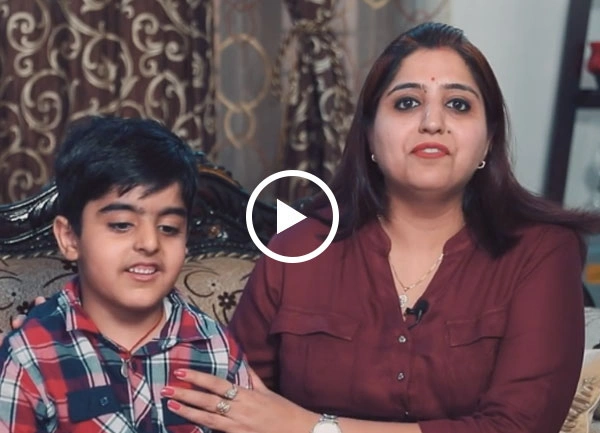
I had a piles problem for many months. I even had a lot of trouble sitting. Someone told me about Jiva Ayurveda Lajpat Nagar, then I went there and met Dr. Sarika Rawat. I took medicine for 4 months. Now I am completely fine, and I am grateful to Jiva Ayurveda Lajpat Nagar.
I will also tell others about Jiva Lajpat Nagar. The staff's nature is also very good and cool.
Thanks Jiva Ayurveda Lajpat Nagar
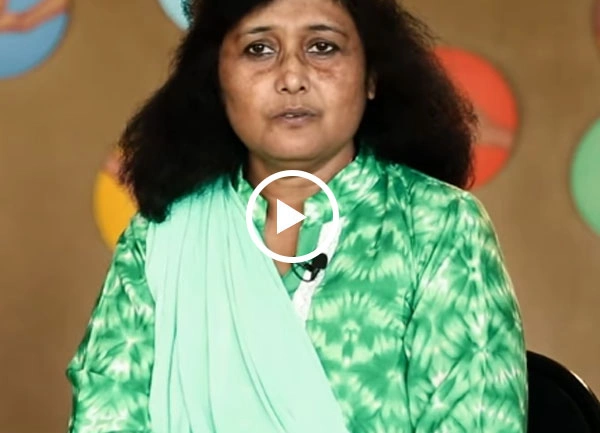
We are using Jiva Ayurveda from last 8 years.my husband was suffering from piles problem from last 20 years, I came to know about Jeeva Ayurveda through TV program of ayurveda charya Dr Pratap Chauhan and I got in contact with Jeeva Ayurveda and started treatment within one week my husband got relief from piles problem even i am taking treatment for Vericose vains from last 6 months there was too much pains swelling irritation darkness inflammation in my legs I was totally upset. Then we started treatment from jiva ayurveda and I got relief from the pain. Due to strong efforts from health coach, mind wellbeing,dietitian, yoga therapist ,doctors and jiva Ayurveda team. medicine of jiva ayurveda is a gift of god
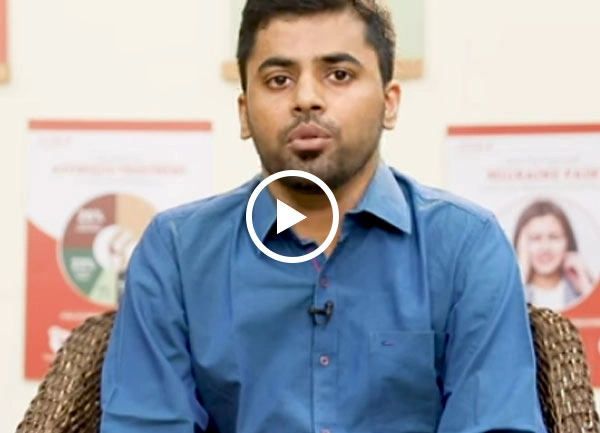
I had developed a problem with piles. There was a lot of bleeding and I also had severe pain. I consulted many places and spent a lot of money. Finally, it came to the point where surgery was needed.
I saw about 'Jiva' on Facebook and went to the nearest center, Jiva Lajpat Nagar. There I met Dr. Sikander. He understood my problem. After talking for a long time, he prescribed some medicines and explained the process of taking the medicine morning and evening.
After taking the medicine for 4 months, I got a lot of relief. Now there is no pain and the bleeding has also stopped.
Thank you, Jiva Lajpat Nagar.
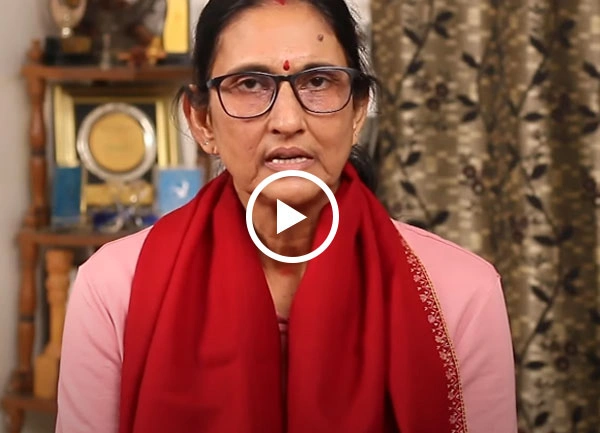
Once again, thank you, Jiva Lajpat Nagar.
Toilet Posture & Time
How you sit on the toilet makes a massive difference. Standard Western toilets actually pinch your lower intestines. Also, sitting flat keeps the puborectal muscles partially choked, requiring extra force to evacuate waste. Elevating your feet with a footstool helps in straightening the anorectal angle, which allows the bowel to empty faster and with usc less push.
The right posture plays an important role, so pay attention to the time you are sitting on the toilet. Sitting on the toilet for more than three to five minutes lets gravity pull blood down into your lower veins, making them swell. Only go when you feel a strong urge and then leave immediately.
Hydration And Regularity
Proper hydration and bowel regularity are some of the key tools to break this cycle of constipation, which is leading to piles later. If you drink eight to ten glasses of water daily, it will keep the waste soft so it moves smoothly through the colon. An adequate amount of fluid stops the body from pulling extra moisture out of your digestion. It helps add bulk without firmness by teaming up with the dietary fibre.
The role of regularity is equally important; going to the bathroom at the same time every day trains your gut reflex. Not ignoring the natural urges or delaying bowel movements lets the colon absorb more water, turning a soft stool hard. Daily physical activity like walking helps stimulate natural muscle contractions in your bowels.
Practical Habit Plan
Here is a simple routine to keep your digestion strong and stop piles from returning:
Start with warm water: Drink a glass of warm water every morning. This naturally wakes up your digestive fire and triggers the urge to go.
Eat on schedule: Have your meals at the same time every day. Eating late or skipping meals creates dry, hard stools.
Choose warm, cooked food: Avoid cold, dry, or processed junk food. Warm, freshly cooked meals naturally lubricate your internal channels.
Walk every evening: A quick twenty-minute walk gently massages your lower intestines, keeping waste moving smoothly
Recurrence Prevention
Once your piles heal, keeping them away means permanently changing your daily bathroom habits, diet, and lifestyle. The biggest step is never letting yourself get constipated again. Keep your stool soft by drinking plenty of water and eating fresh, fibre-rich foods every day to keep your digestion moving smoothly. When you use the bathroom, always put a small footstool under your feet to raise your knees into a natural squatting angle. Never hold your breath or force a bowel movement, and keep your hips in an open position. If you only go when you feel a strong urge and leave within five minutes, those painful swollen veins will stay away.
When Constipation Needs Evaluation
Certain signs indicate that your condition needs urgent medical attention, and ignoring them may worsen the problem:
If constipation lasts longer than a week.
If it keeps on returning even after proper care.
If you see blood in your stool, toilet seat, or tissue paper.
If you have sudden unexplained weight loss.
If you have severe abdominal pain, cramps, or visible swelling there.
If you experience vomiting and inability to pass gas or stool.
When your stool is hard and dry, you have to push and strain violently to pass it. This heavy pressure physically stretches and swells the delicate blood vessels inside your rectum, eventually causing painful, bleeding piles.
Yes. Sitting on the toilet seat for more than 10 minutes, especially while scrolling on your phone, forces gravity to push blood down into your lower body. This continuous, heavy pressure quickly swells your rectal veins and triggers piles.
Absolutely. If you ignore the natural urge to go, your body absorbs the moisture from the stool, making it incredibly hard and dry. When you finally go, this rock-hard stool violently scratches and tears your swollen piles.
The traditional Indian squatting posture is the best because it naturally aligns your colon for smooth, easy emptying. If you use a Western toilet, place a small stool under your feet to safely mimic this squatting position and stop unnecessary straining.
Yes. Dry toilet paper acts like sandpaper on swollen, sensitive piles. Aggressively wiping creates severe friction, causing immediate cuts, burning, and bleeding. Always use plain water to gently wash the area instead of forcefully rubbing it dry.
Find Jiva Ayurveda Clinics for Ano-rectal Treatment Near You

 Published on 24 Oct, 2026
 Updated on 24 Oct, 2026