Diabetes, arthritis, skin disorders & more! Get a free consultation with Top Ayurveda doctors - +91 9266714040 | No travel, No waiting – Consult Jiva’s doctors from home via video call! | Get up to 10% OFF! On Authentic Ayurveda Products! Best Prices only on the brand store. Visit : www.store.jiva.com
Treating piles is never a one-size-fits-all approach because the right method depends on entirlu ert the swollenv enns re located nd ow big they have become. If you have external piles, painful lumps on the outside, doctors focus on reducing the swelling with soothing herbal creams, warm water baths, and cooling medicines. If your piles are internal, the treatment depends on their stage. In early stages, the veins stay hidden inside or naturally pull back after passing stool. These are easily managed with a high-fibre diet and shrinking herbs. But in advanced cases, the lumps push out and refuse to go back. Here, specialised Ayurvedic therapists are needed to permanently fix the issues.
Conservative Management
Conservative management can be very effective for early piles (Grade 1 and Grade 2) . It includes certain important changes in the diet, lifestyle, and toilet habits of a person. The doctor suggests a fibre-rich diet, which can help soften the stool and reduce severe constipation in the person. Avoiding straining in the toilet can help reduce swelling and calm down the aggravated symptoms of internal piles. If managed properly in the early stage, then surgical intervention can be avoided.
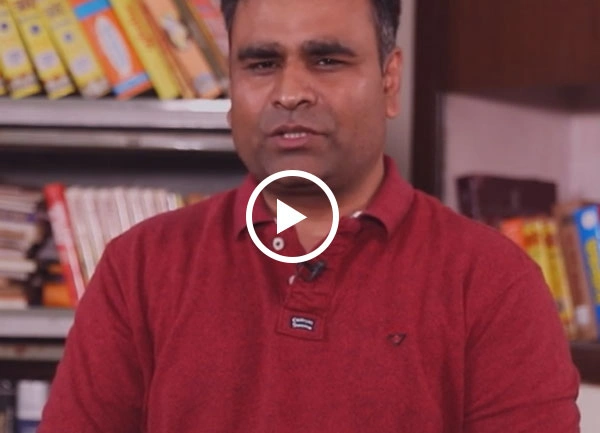
I had a piles problem for many months. I even had a lot of trouble sitting. Someone told me about Jiva Ayurveda Lajpat Nagar, then I went there and met Dr. Sarika Rawat. I took medicine for 4 months. Now I am completely fine, and I am grateful to Jiva Ayurveda Lajpat Nagar.
I will also tell others about Jiva Lajpat Nagar. The staff's nature is also very good and cool.
Thanks Jiva Ayurveda Lajpat Nagar
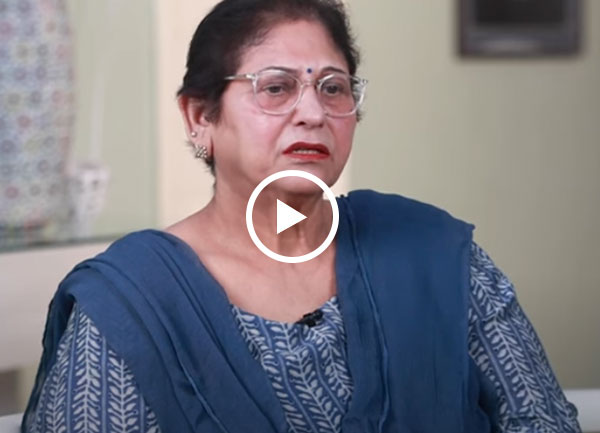
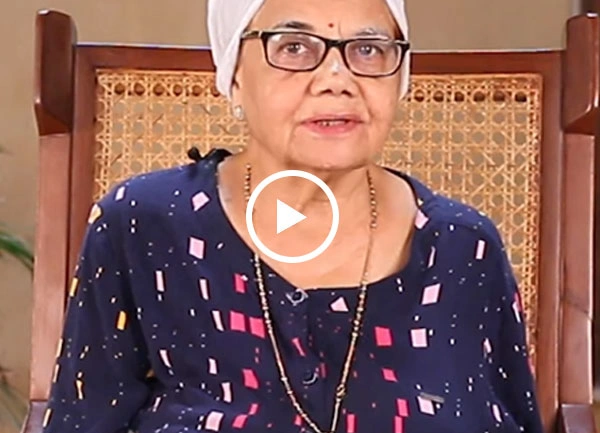
We are using Jiva Ayurveda from last 8 years.my husband was suffering from piles problem from last 20 years, I came to know about Jeeva Ayurveda through TV program of ayurveda charya Dr Pratap Chauhan and I got in contact with Jeeva Ayurveda and started treatment within one week my husband got relief from piles problem even i am taking treatment for Vericose vains from last 6 months there was too much pains swelling irritation darkness inflammation in my legs I was totally upset. Then we started treatment from jiva ayurveda and I got relief from the pain. Due to strong efforts from health coach, mind wellbeing,dietitian, yoga therapist ,doctors and jiva Ayurveda team. medicine of jiva ayurveda is a gift of god
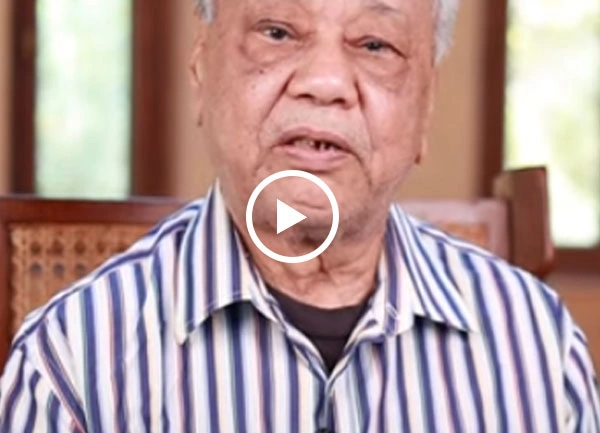
I had developed a problem with piles. There was a lot of bleeding and I also had severe pain. I consulted many places and spent a lot of money. Finally, it came to the point where surgery was needed.
I saw about 'Jiva' on Facebook and went to the nearest center, Jiva Lajpat Nagar. There I met Dr. Sikander. He understood my problem. After talking for a long time, he prescribed some medicines and explained the process of taking the medicine morning and evening.
After taking the medicine for 4 months, I got a lot of relief. Now there is no pain and the bleeding has also stopped.
Thank you, Jiva Lajpat Nagar.
Once again, thank you, Jiva Lajpat Nagar.
Treatment Options
Treating piles means looking past the quick fixes.
Modern medicines often rely on steroid creams to simply numb the pain or surgery to physically cut the swollen veins. While this offers fast relief, the painful lumps almost always return a few years later. Simply cutting away the vein does not fix the heavy internal pressure and chronic constipation that actually caused it in the first place.
Ayurveda takes a completely different path to stop recurrence. Instead of surgery, the main treatment options focus on deep internal healing. Experts use specific digestion-boosting herbs to permanently soften your stool and completely remove the need to push or strain. For the external pain, they use medicated herbal paste and warm oil baths that naturally shrink the swollen blood vessels without any cutting.
To guarantee the piles never come back, you must protect your digestion for life. Recurrence only happens when you fall back into bad habits like eating dry, heavily spiced foods, sitting for long hours, or ignoring the natural urge to use the bathroom. By sticking to a light, easy-to-digest diet and drinking plenty of water, you keep the internal pressure down and remain completely safe.
Ayurvedic Assessment And Supportive Options
In Ayurveda, the practitioner uses a different approach to know the root cause of the piles. They do Nadi Parisiksha (pulse diagnosis) to know which dosha is imbalanced. They ask questions related to your digestion and bowel habits to know if you have constipation and your digestive fire is weak. They also ask questions related to your medical and family history and do physical examinations to get the bigger picture.
Once the root cause is known, they adopt a holistic, integrated, individual, and personalized approach, which addresses the root cause rather than just suppressing the symptoms. A personalized treatment plan is created, which includes Ayurvedic medication, therapies, diet, targeted anorectal care, and lifestyle modifications. This helps focus on reducing inflammation, correcting digestive imbalances, ensuring smoother bowel movements, and promoting inner healing and preventing recurrence.
Recovery And Recurrence
Piles are a common anorectal condition that can happen to anyone regardless of age and gender. The question that comes to everyone’s mind is: can piles come back after treatment? The answer is yes; piles can recur. This risk largely depends on the type of treatment received, the severity of the condition, and the lifestyle habits after the treatment.
In Ayurveda, it is said that every disease has a root cause which needs to be treated first; if not, then there are high chances that the condition may recur in the future. Treatment does reduce the piles, but if factors such as chronic constipation, excessive straining, low-fibre diet, dehydration, lack of physical activity, or excess weight are not fixed, then the risk may increase.
Questions To Ask A Doctor
When you discuss piles with your doctor, ask the following questions for better clarity and understanding of your disease:
What is the cause of my symptoms?
Is the condition short-term or chronic?
Have I developed any complications related to this condition?
What are the treatment approaches, and what are the alternatives for my condition?
If the starting treatment doesn't work, what will you recommend next?
Does my condition require surgery?
Can self-care or any home remedy help? I have other medical conditions as well. How to manage these along with piles?
Red Flags To Look Out For
Many warning signs must not be ignored and require urgent medical care:
If you notice bleeding before, during, or after bowel movements.
If discomfort from piles doesn't get resolved after weeks.
If you have a hard, swollen, discolored lump near the anus.
If you have a high temperature, chills, or pus coming from the area.
If you have severe, unbearable anal or rectal pain.
If you have non-stop heavy bleeding that doesn't stop.
Yes. Early stages are easily managed with a strict high-fiber diet, warm water, and natural Ayurvedic herbs to shrink the veins naturally.
For advanced stages, simple diet changes are not enough. You will need a clinical procedure to safely remove the permanently swollen veins.
Doctors use a safe, minimally invasive therapy called Ksharasutra (medicated herbal thread) to carefully remove the lump and heal the area without damaging your muscles.
Surgery only cuts out the physical lump. If you stay constipated and continue to push hard in the washroom, that heavy pressure will simply create new piles.
You must permanently fix your daily digestion. Keeping your stool soft with daily fiber ensures you never have to strain on the toilet again.
No. Creams only numb the area temporarily. They cannot fix your chronic constipation or remove a permanently trapped, advanced-stage pile.
Find Jiva Ayurveda Clinics for Ano-rectal Treatment Near You

 Published on 17 Nov, 2026
 Updated on 17 Nov, 2026