Diabetes, arthritis, skin disorders & more! Get a free consultation with Top Ayurveda doctors - +91 9266714040 | No travel, No waiting – Consult Jiva’s doctors from home via video call! | Get up to 10% OFF! On Authentic Ayurveda Products! Best Prices only on the brand store. Visit : www.store.jiva.com
Yes, piles can absolutely be managed without surgery, especially if you catch them early. Modern surgery physically cuts out the swollen vein, but it completely ignores why the vein swelled up in the first place. If you still suffer from chronic constipation and continue to strain in the washroom after an operation, the heavy pressure will simply create new piles all over again.
Instead of instantly cutting the tissue, natural management focuses on fixing your digestion. By eating a strict high-fiber diet, drinking plenty of warm water, and taking cooling Ayurvedic herbs, you naturally soften your stool. This completely stops the heavy daily downward pressure in your lower body. Once this pressure is gone, the stretched-out blood vessels can relax and naturally shrink back to their normal size. Surgery is usually only required in severely neglected, advanced stages where the swollen lumps physically push out and refuse to go back inside.
Common Patterns & Triggers
Many daily habits trigger washroom discomfort without you even realizing it:
Sitting for too long: People who have jobs that require prolonged sitting slow their digestion and put heavy pressure on their lower body.
Holding it in: Ignoring or delaying the urge makes stool dry and hard, which causes painful upsets.
Poor diets: Eating processed food without fibre builds internal heat and causes severe constipation.
Straining: Pushing too hard on the toilet forces your veins to swell.
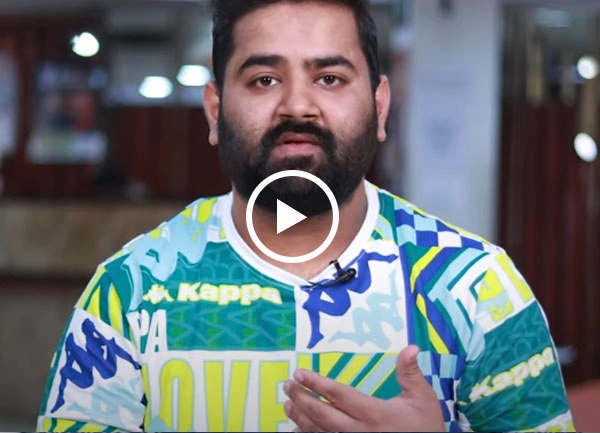
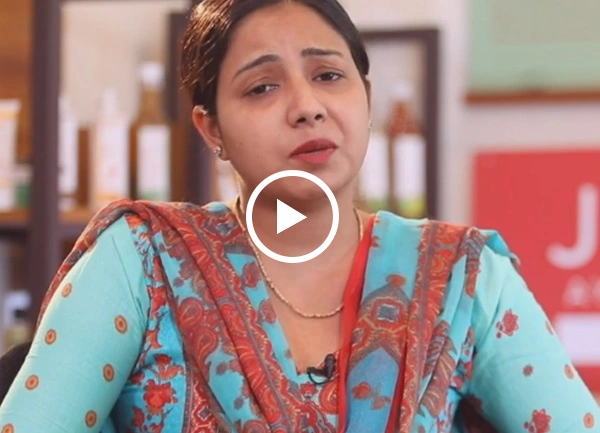
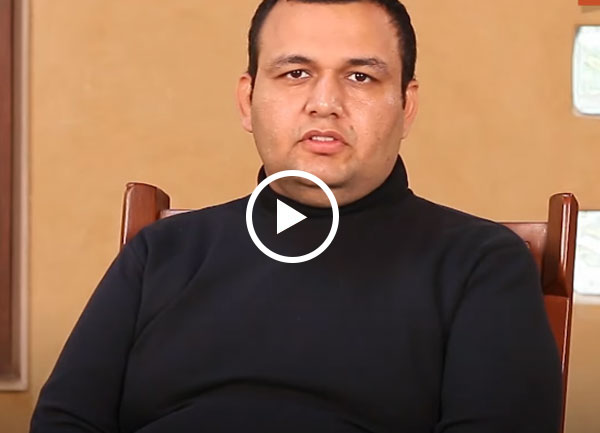
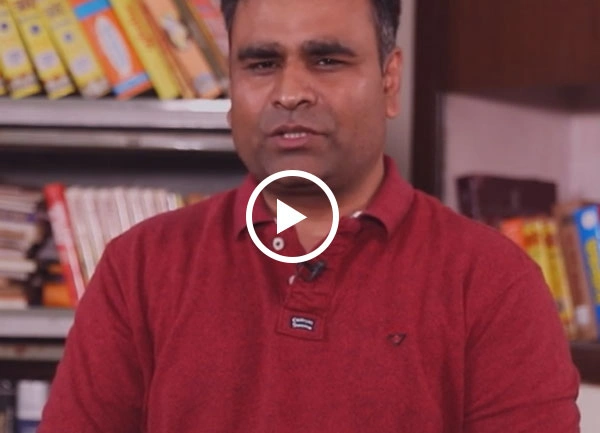
I had a piles problem for many months. I even had a lot of trouble sitting. Someone told me about Jiva Ayurveda Lajpat Nagar, then I went there and met Dr. Sarika Rawat. I took medicine for 4 months. Now I am completely fine, and I am grateful to Jiva Ayurveda Lajpat Nagar.
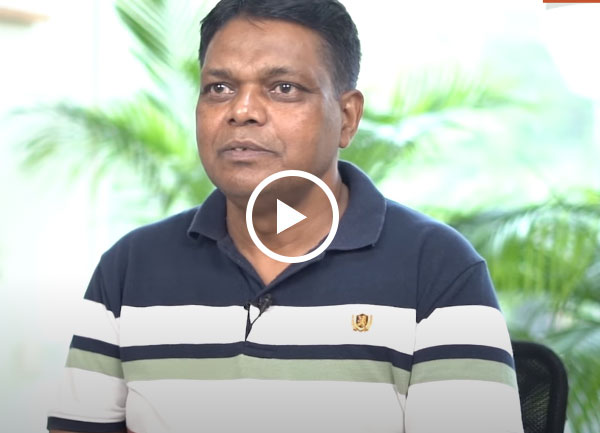
I will also tell others about Jiva Lajpat Nagar. The staff's nature is also very good and cool.
Thanks Jiva Ayurveda Lajpat Nagar
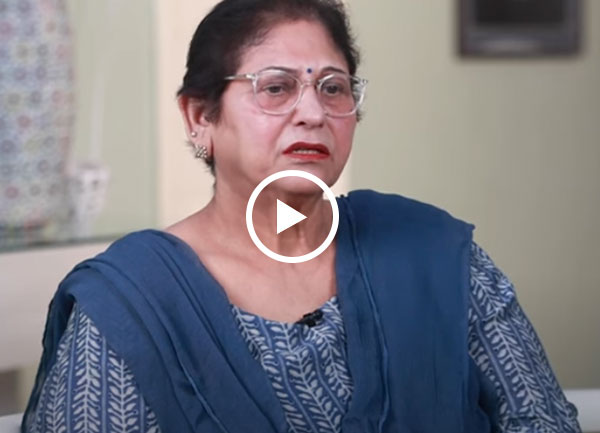
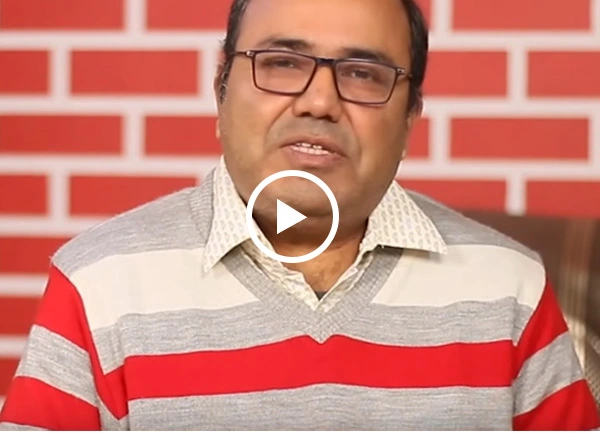
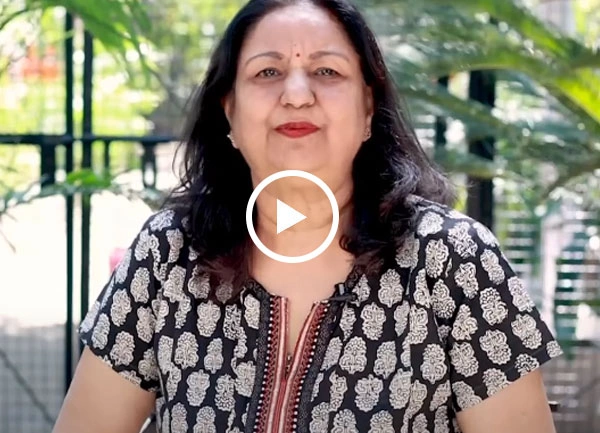
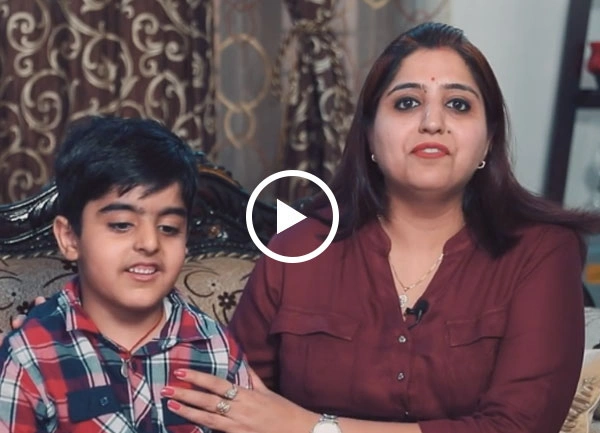
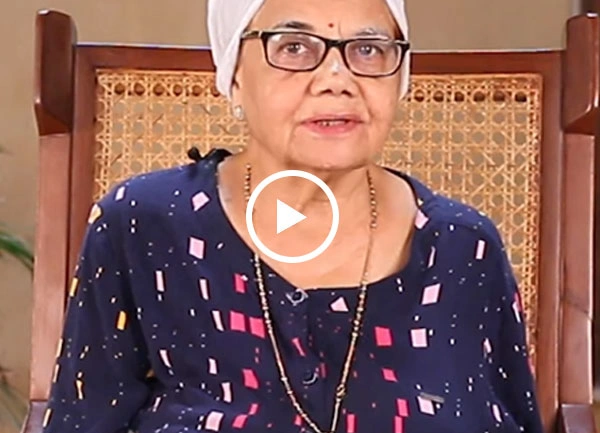
We are using Jiva Ayurveda from last 8 years.my husband was suffering from piles problem from last 20 years, I came to know about Jeeva Ayurveda through TV program of ayurveda charya Dr Pratap Chauhan and I got in contact with Jeeva Ayurveda and started treatment within one week my husband got relief from piles problem even i am taking treatment for Vericose vains from last 6 months there was too much pains swelling irritation darkness inflammation in my legs I was totally upset. Then we started treatment from jiva ayurveda and I got relief from the pain. Due to strong efforts from health coach, mind wellbeing,dietitian, yoga therapist ,doctors and jiva Ayurveda team. medicine of jiva ayurveda is a gift of god
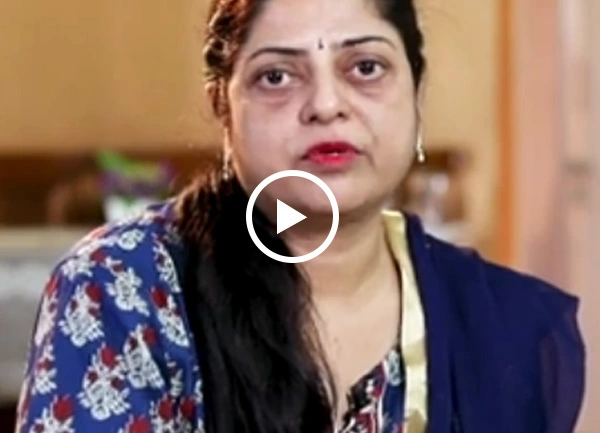
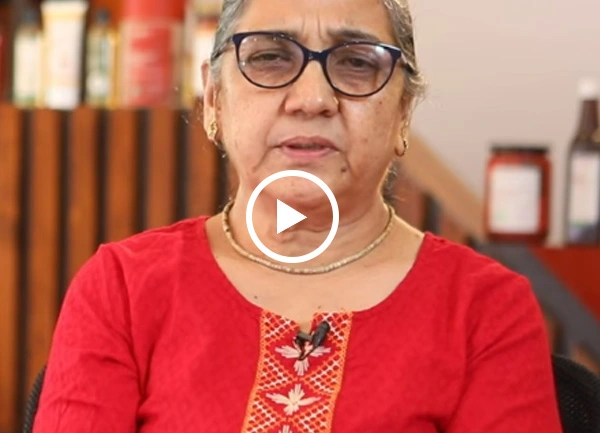
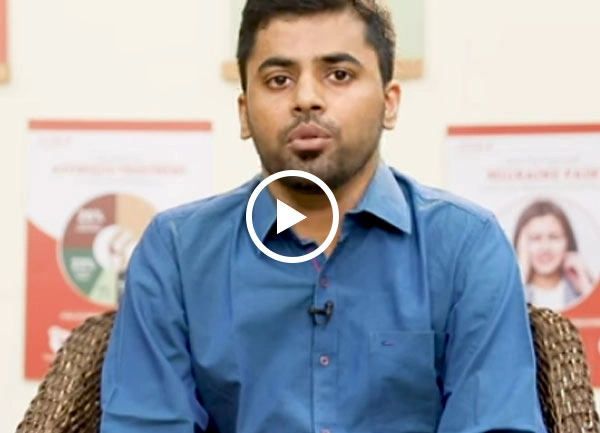
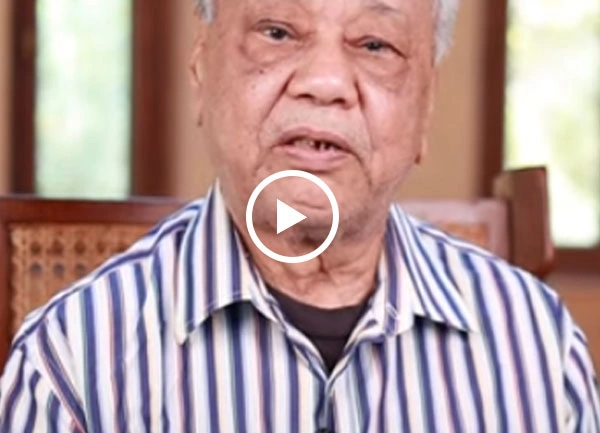
I had developed a problem with piles. There was a lot of bleeding and I also had severe pain. I consulted many places and spent a lot of money. Finally, it came to the point where surgery was needed.
I saw about 'Jiva' on Facebook and went to the nearest center, Jiva Lajpat Nagar. There I met Dr. Sikander. He understood my problem. After talking for a long time, he prescribed some medicines and explained the process of taking the medicine morning and evening.
After taking the medicine for 4 months, I got a lot of relief. Now there is no pain and the bleeding has also stopped.
Thank you, Jiva Lajpat Nagar.
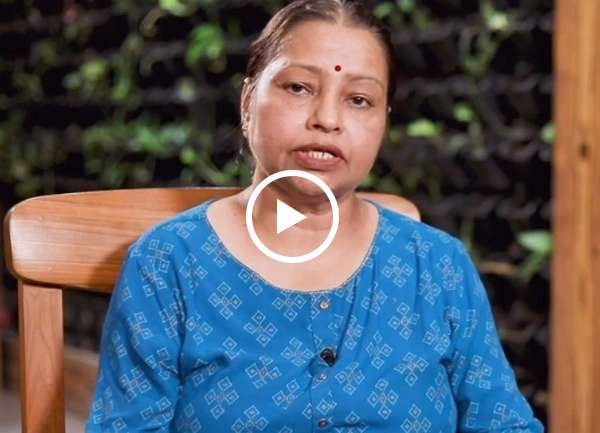
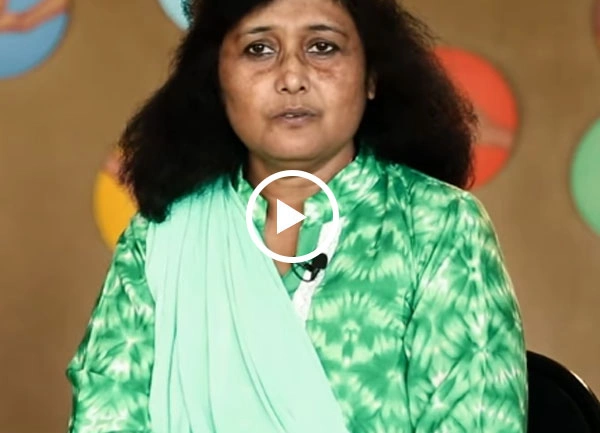
Once again, thank you, Jiva Lajpat Nagar.
Patient Success Stories
Other Possible Explanations
If you notice washroom discharge or blood, it is not always piles. Several other digestive and anorectal conditions can also have the same symptoms, which include anal fissure, infections, inflammatory bowel disease, colon polyps, colorectal cancer, rectal ulcers, diverticular disease, and gastrointestinal bleeding. If you are experiencing rectal bleeding, these can also be the reason behind it; you may see it mixed with stool, on the toilet seat, or on the toilet paper as well.
What The Reader Can Do Now
If you are experiencing washroom discharge, the very first step is to stop guessing with internet searches and over-the-counter creams. Do not panic, but do not ignore the warning signs either. Start by making an appointment with the doctor. Before the appointment with your doctor, keep track of the color and consistency of the blood and stool. Also keep track of symptoms such as rectal or abdominal pain or pressure, constipation, diarrhea, cramping, fever, or mucus in the stools, and discuss them with your doctor during the consultation. Follow up what your doctor says, he may recommend any tests and internal medications.
How It Is Assessed
A doctor diagnoses your condition by checking and examining your medical history, bleeding severity, age, and the symptoms you are facing. They may also ask you to have some tests such as digital rectal examination, anoscopy or proctoscopy, colonoscopy, stool tests, blood tests, and CT scan.
Along with the clinical tests, an Ayurvedic practitioner will check your pulse (Nadi Pariskhsa) to check which dosha is imbalanced in your body. The doctor will ask you detailed questions about your digestion, bowel habits, diet, and lifestyle, as they do contribute to anal-related issues.
When To Seek Care
Many warning signs must not be ignored and require urgent medical care:
If you notice bleeding before, during, or after bowel movements.
If discomfort from piles doesn't get resolved after weeks.
If you have a hard, swollen, discolored lump near the anus.
If you have a high temperature, chills, or pus coming out of the area.
If you have severe, unbearable anal or rectal pain.
If you have non-stop heavy bleeding that doesn't stop.
If your piles symptoms keep on worsening.
Related Jiva Guides
At Jiva, the treatment of piles is not done based on merely calming the symptoms, but a root-cause approach is adopted to give inside-out healing to a person.
Assessment: The first step is diagnosing what is really the reason behind the condition. The analysis includes Nadi pariksha, checking your prakriti and vikriti, bala, agni, ama build-up, ahara, and vihara.
Supporting Digestion: Piles is caused by poor digestion and toxic build-up; the doctor at Jiva Ayurveda provides certain therapies and internal medicines to reduce constipation and remove toxic build-up from the body.
Diet & Lifestyle Modifications: A personalized diet and lifestyle plan is made according to the condition of a person. A fibre-rich diet is recommended along with certain changes in the lifestyle, such as recommending physical activity, reducing stress levels through yoga and mind-body well-being, and improving sleep.
No. If caught early, you can completely manage and heal the swollen veins without any physical surgery.
You must fix your digestion. Eating a strict high-fiber diet and drinking plenty of warm water softens your stool, which instantly stops the daily downward pressure.
Yes, in the early stages. Cooling herbs naturally reduce the swelling and help you clear your stomach every morning without any heavy straining.
Only in severely neglected stages where the swollen lumps have physically pushed outside and permanently refuse to go back inside.
Yes. For advanced stages, doctors use a safe, medicated herbal thread (Ksharasutra) to carefully remove the lump without standard surgery.
Not if you stay constipated. If you continue pushing hard in the washroom after surgery, you will simply develop brand-new piles all over again.
Find Jiva Ayurveda Clinics for Ano-rectal Treatment Near You

 Published on 17 Nov, 2026
 Updated on 17 Nov, 2026