Diabetes, arthritis, skin disorders & more! Get a free consultation with Top Ayurveda doctors - +91 9266714040 | No travel, No waiting – Consult Jiva’s doctors from home via video call! | Get up to 10% OFF! On Authentic Ayurveda Products! Best Prices only on the brand store. Visit : www.store.jiva.com
Dealing with piles can turn a simple trip to the washroom into a painful nightmare. While creams and medicines provide temporary relief, the root cause of the problem almost always lies in your digestion. Piles are usually triggered by chronic constipation and passing hard stools that force you to strain. This means your daily diet is actually your most powerful medicine. The right foods will naturally soothe your bowel movements so the inflamed veins can cool down the internal burning heat. By making a few simple, fire-rich changes to your meals. You can stop the straining and find long-lasting relief.
Importance of Fibre In Your Food
Fibre is very important for your stomach, and it has multiple benefits. A fibre-rich food increases the weight and size of stool, softens it, and also reduces the chances of constipation. A high-fibre diet helps lower the risk of swollen veins in the anys and lower rectum. If your daily meals lack fibre, your stool becomes dry and hard. This forces you to push and strain heavily in the washroom, which directly swells the sensitive blood vessels and triggers painful piles.
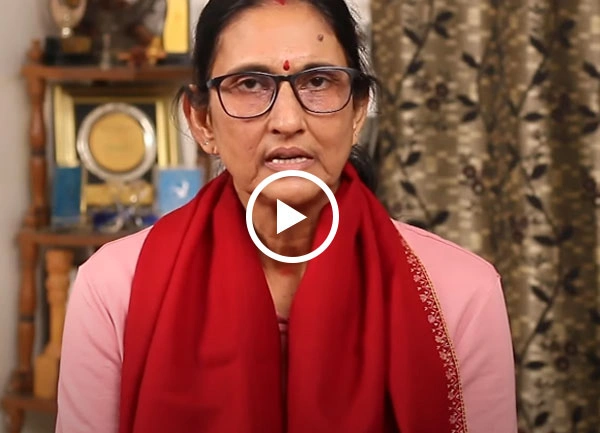
I had a piles problem for many months. I even had a lot of trouble sitting. Someone told me about Jiva Ayurveda Lajpat Nagar, then I went there and met Dr. Sarika Rawat. I took medicine for 4 months. Now I am completely fine, and I am grateful to Jiva Ayurveda Lajpat Nagar.
I will also tell others about Jiva Lajpat Nagar. The staff's nature is also very good and cool.
Thanks Jiva Ayurveda Lajpat Nagar
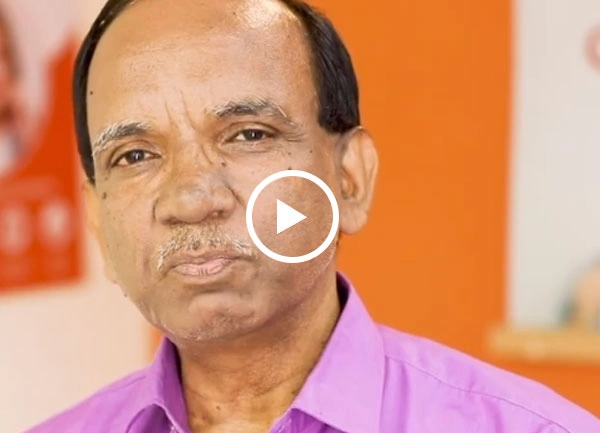
We are using Jiva Ayurveda from last 8 years.my husband was suffering from piles problem from last 20 years, I came to know about Jeeva Ayurveda through TV program of ayurveda charya Dr Pratap Chauhan and I got in contact with Jeeva Ayurveda and started treatment within one week my husband got relief from piles problem even i am taking treatment for Vericose vains from last 6 months there was too much pains swelling irritation darkness inflammation in my legs I was totally upset. Then we started treatment from jiva ayurveda and I got relief from the pain. Due to strong efforts from health coach, mind wellbeing,dietitian, yoga therapist ,doctors and jiva Ayurveda team. medicine of jiva ayurveda is a gift of god
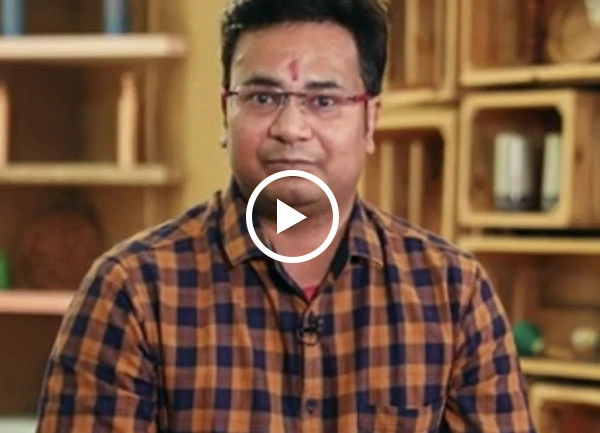
I had developed a problem with piles. There was a lot of bleeding and I also had severe pain. I consulted many places and spent a lot of money. Finally, it came to the point where surgery was needed.
I saw about 'Jiva' on Facebook and went to the nearest center, Jiva Lajpat Nagar. There I met Dr. Sikander. He understood my problem. After talking for a long time, he prescribed some medicines and explained the process of taking the medicine morning and evening.
After taking the medicine for 4 months, I got a lot of relief. Now there is no pain and the bleeding has also stopped.
Thank you, Jiva Lajpat Nagar.
Once again, thank you, Jiva Lajpat Nagar.
Foods To Include When You Are Dealing With Constipation or Piles
When managing piles, your diet should focus on adding enough fibre and cooling the stomach to ensure soft, easy bowel movement. Here is what you can add to your plate:
Healthy Grains (Whole Wheats & Oats)
Switch completely to whole wheat, oats, and dailia. These have natural fibre that adds healthy bulk to your stool. Strictly avoid maida as it sticks to your intestines and causes severe constipation.
Light lentils
Eat green moong dal or split yellow moong. These are extremely light on the stomach, very easy to digest, and do not cause painful bloating or gas like heavier lentils often do.
Water-Rich Vegetables
Eat plenty of soft, watery vegetables like lauki, tori, and spinach. Eating fresh white radish with your lunch is highly recommended as it naturally helps shrink inflamed bowels.
Fibre- Rich Fruits
Ripe papaya, bananas, apples, and soaked figs are good for your stomach. Eating a bowl of papaya or a cup of soaked figs in the morning naturally softens your stool so you never have to strain.
Soothing Liquids
Drink a glass of fresh buttermilk with a pinch of roasted cumin after lunch to cool down he internal burning heat.
Importance Of Hydration For Piles Recovery
Water intake is very important because piles care involves enough fluids every day to support healthy bowel movements and also reduces constipation-related pressure. Water has several benefits, which include:
It supports softer stool.
It helps reduce irritation caused by hard stool
It supports daily digestion.
It helps maintain bowel regularity.
It supports smoother bowel movements
Hydration Tips For Piles Recovery
Drink a glass of warm water in the morning on an empty stomach; it will help clean the stomach better.
Include fruits and vegetables that are rich in water content, such as watermelon or musk melon.
Avoid drinking too much tea and coffee.
Drink water regularly throughout the day.
Foods That May Worsen Constipation Or Irritation
If you have piles and constipation, there are certain foods you should avoid. It's important to know which foods might make your condition worse, which includes:
Processed Foods
Foods such as packaged snacks, white bread, or frozen meals are low in fibre and full of preservatives, salt, and unhealthy fats. They make our digestion sluggish, which contributes to constipation and can result in painful, strained bowel movements.
Spicy Foods
Spicy or sour foods such as hot curries, chilli sauce, or pepper-heavy dishes are delicious, but they can affect our digestive tract and anal area. This can trigger or worsen piles symptoms that can result in burning, itching, or pain during bowel movements.
Processed Meats
Hot dogs, sausages, and beef jerky are packed with sodium, preservatives, and unhealthy fats. They have high sodium, which can dehydrate your body and can lead to harder stools and increased straining.
Dairy Products
Milk, yoghurt, and cheese contain lactose, if someone is lactose intolerant then this can irritate the sensitive skin around anl area and can worsen the piles.
Caffeinated & Sugary Drinks
Products such as coffee, tea, soft drinks, and packed juices can dehydrate the body, which makes firm and hard stools that are difficult to pass.
Sample Meal Structure
A proper diet plays an important role in managing piles. A good meal structure includes:
Breakfast
For breakfast, eat something light such as oatmeal with fruits, whole grain toast, and a smoothie with chia seeds or flax seeds.
Snacks
Snacks must be healthy and include nutrients such as fresh fruits, a handful of nuts, or yogurt with honey.
Lunch
Lunch is the main meal of the day, which should include enough fibre, fats, and proteins, such as vegetable salad, dal/lentil curry, and brown rice or whole wheat chapati
Dinner
Dinner must be light, and you should eat dinner by 7 pm; it should include steamed vegetables, moong dal soup, quinoa, or light khichdi.
When Diet Alone Is Insufficient
Diet plays an important role, but if you face any of the following warning signs, then you must consult an Ayurvedic doctor:
Bleeding before, during, or after bowel movements.
Discomfort from piles doesn't get resolved after weeks.
Piles symptoms keep worsening.
A hard, swollen, discolored lump near the anus.
A high temperature, chills, or pus coming out of the area.
Eat fresh papaya, guava, spinach (palak), and oats. Switch to whole wheat roti instead of refined flour (maida), and eat warm moong dal because it is very easy to digest.
Fiber acts like a dry sponge. If you eat fiber without drinking water, the sponge stays hard and makes your constipation much worse. Drink 8 to 10 glasses of warm water daily to keep things moving smoothly.
No, just strictly avoid red and green chilies because they cause severe internal burning. Gentle spices like cumin (jeera) and fennel (saunf) are perfectly safe and actually help your digestion.
Yes, a cup of warm milk mixed with half a spoon of pure cow’s ghee at night is excellent. It deeply lubricates your dry intestines and helps you pass stool smoothly the next morning.
Avoid raw, unripe bananas and highly sour fruits. Stick to sweet, juicy, and fully ripe fruits like melons, sweet apples, and papayas that naturally cool your stomach and soften your stool.
Try to reduce it. Heavy tea and coffee dry out your intestines and create acidic heat. If you need a warm morning drink, try plain warm water or water boiled with coriander and fennel seeds instead.
Find Jiva Ayurveda Clinics for Ano-rectal Treatment Near You

 Published on 17 Nov, 2026
 Updated on 17 Nov, 2026