Diabetes, arthritis, skin disorders & more! Get a free consultation with Top Ayurveda doctors - +91 9266714040 | No travel, No waiting – Consult Jiva’s doctors from home via video call! | Get up to 10% OFF! On Authentic Ayurveda Products! Best Prices only on the brand store. Visit : www.store.jiva.com
It is very easy to confuse piles, fissures, and fistulas because they happen in the same sensitive area of the body. Since your lower digestive tract is packed with tiny blood vessels and nerves, any swelling, tear, or infection feels very similar at first. They also share the same main triggers, such as chronic constipation, passing hard stools, and heavy straining in the washroom. This is why any itching, pain, or bleeding is usually mistakenly brushed off as just piles by most people.
Piles Versus Fissure
Piles happen when the blood vessels inside or just outside your anus swell up like tiny balloons due to heavy pressure. They usually cause a dull ache or completely painless bleeding. A fissure is completely different: it's an actual cut or tear in th delicate skin lining. If you feel a sharp, glass-like tearing pain during a bowel movement followed by a severe burning sensation that lasts for hours, you are dealing with a fissure, not piles.
Piles Versus Fistula
Piles are simply swollen, inflamed blood vessels. A fistula is much more complex. It is an infected tunnel that forms between your inner bowel and the outside skin. While piles might feel like a swollen lump, a fistula usually starts as a painful, throbbing boil that eventually pops. If you notice a tiny opening near your anus that constantly leaks foul-smelling pus or fluid and leaves your underwear soiled, it points directly to a fistula.
Other Causes Of Blood In Stool
Seeing blood in the toilet can be terrifying, but it does not always mean you have piles. Severe internal heat (Pitta), stomach ulcers, or deep intestinal infections can also cause bleeding that passes out with your stool. Heavy diarrhea or severe dysentery can irritate your bowel lining enough to cause light spotting. If the blood is dark, sticky, or looks like coffee grounds, it usually means the bleeding is happening much higher up in your stomach or intestines and needs an immediate medical check-up.
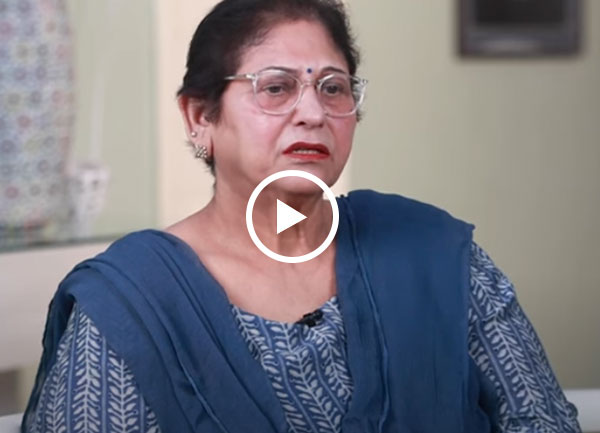
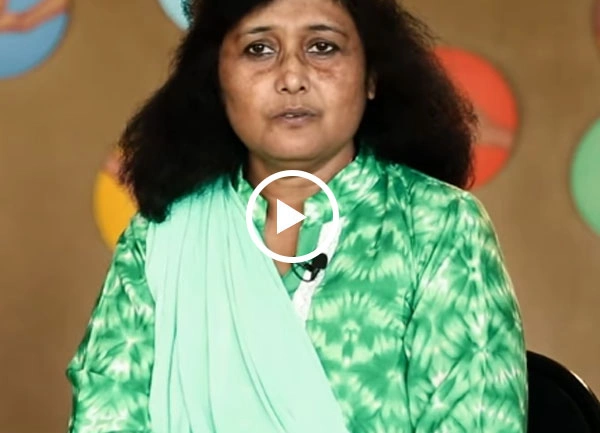
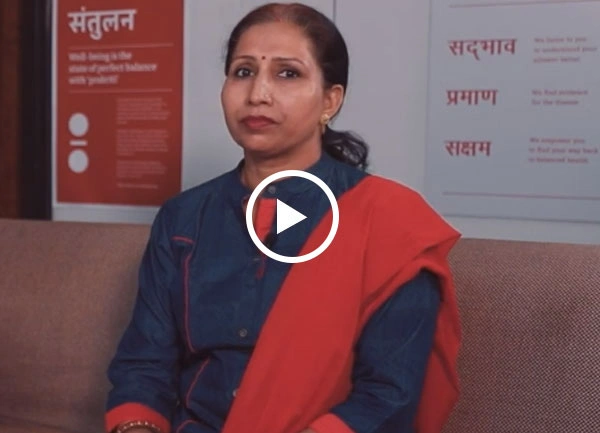
I had a piles problem for many months. I even had a lot of trouble sitting. Someone told me about Jiva Ayurveda Lajpat Nagar, then I went there and met Dr. Sarika Rawat. I took medicine for 4 months. Now I am completely fine, and I am grateful to Jiva Ayurveda Lajpat Nagar.
I will also tell others about Jiva Lajpat Nagar. The staff's nature is also very good and cool.
Thanks Jiva Ayurveda Lajpat Nagar
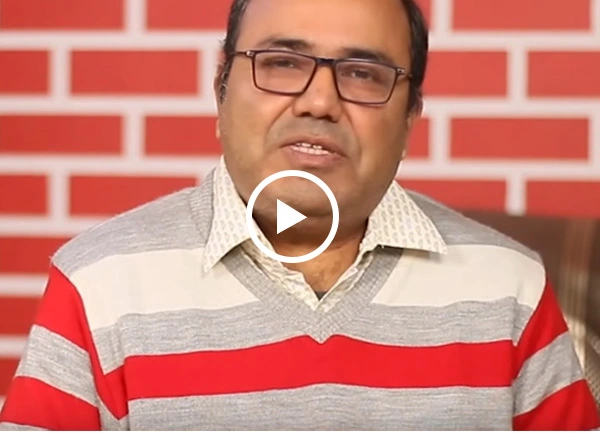
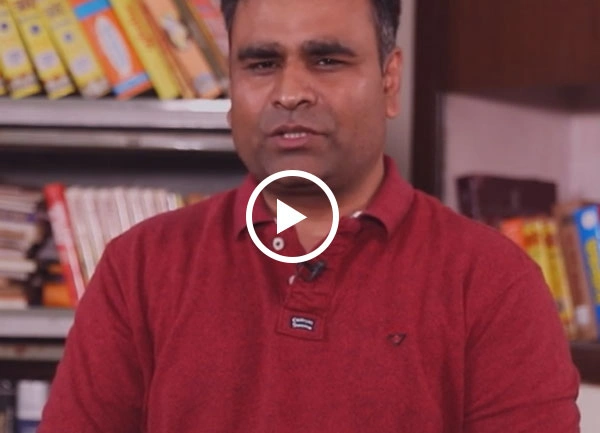
We are using Jiva Ayurveda from last 8 years.my husband was suffering from piles problem from last 20 years, I came to know about Jeeva Ayurveda through TV program of ayurveda charya Dr Pratap Chauhan and I got in contact with Jeeva Ayurveda and started treatment within one week my husband got relief from piles problem even i am taking treatment for Vericose vains from last 6 months there was too much pains swelling irritation darkness inflammation in my legs I was totally upset. Then we started treatment from jiva ayurveda and I got relief from the pain. Due to strong efforts from health coach, mind wellbeing,dietitian, yoga therapist ,doctors and jiva Ayurveda team. medicine of jiva ayurveda is a gift of god
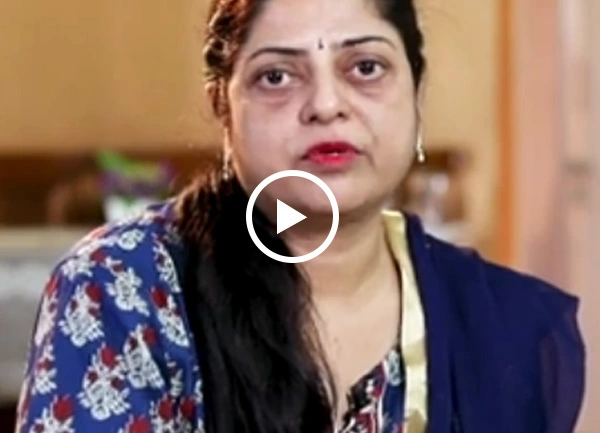
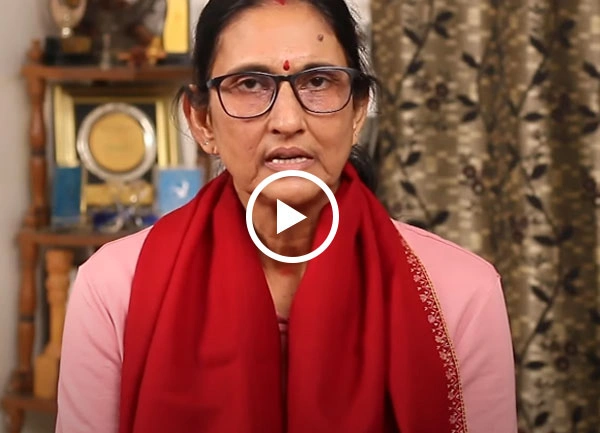
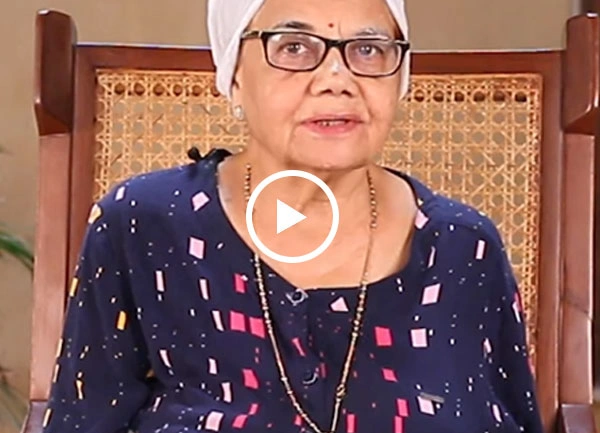
I had developed a problem with piles. There was a lot of bleeding and I also had severe pain. I consulted many places and spent a lot of money. Finally, it came to the point where surgery was needed.
I saw about 'Jiva' on Facebook and went to the nearest center, Jiva Lajpat Nagar. There I met Dr. Sikander. He understood my problem. After talking for a long time, he prescribed some medicines and explained the process of taking the medicine morning and evening.
After taking the medicine for 4 months, I got a lot of relief. Now there is no pain and the bleeding has also stopped.
Thank you, Jiva Lajpat Nagar.
Once again, thank you, Jiva Lajpat Nagar.
How Doctors Assess The Cause
The doctor knows that piles, fissures, and fistula do not just appear in your lower body; they always start in your stomach. Instead of prescribing a temporary soothing cream, the assessment focuses entirely on understanding the root cause in your digestion. The doctor will ask detailed questions to check if chronic constipation, passing hard stool, or daily straining is creating trapped pressure. They will also review your routine to see if you consume too much dry or spicy food, which can intensify internal burning heat.
To understand your condition, the doctor will analyze your specific pain. A sharp, knife-like pain that points to a fissure, painless bleeding, and a throbbing boil with pus suggest a fistula. Beyond physical symptoms, the doctor will gently read your pulse to map out your internal energies. This helps them see exactly how excess heat or dry internal wind is affecting your tissue, allowing them to create a personalized healing plan for you.
Red Flags To Look Out For
If you face any of the following warning signs, then you must consult an Ayurvedic doctor:
A hard, swollen, discolored lump near the anus.
A high temperature, chills, or pus coming out of the area.
Severe, unbearable anal or rectal pain.
Bleeding before, during, or after bowel movements.
Piles symptoms keep worsening.
Non-stop heavy bleeding that doesn't stop.
Discomfort from piles doesn't get resolved after weeks.
Detailed Comparison
Feature
Piles (Hemorrhoids)
Anal Fissure
Anal Fistula
What is it exactly?
Swollen, stretched-out blood vessels that act like tiny balloons under pressure.
A sharp, physical cut or tear in the highly delicate skin lining of the anal canal.
An infected, unnatural tunnel that connects your inner bowel to the outside skin.
Type of Pain
Usually a dull, heavy ache. Internal piles can be completely painless.
Sharp, glass-like tearing pain that hits exactly when you pass stool, followed by severe burning.
Constant throbbing, pulsating pain that feels like a heavy boil and gets worse when you sit down.
Bleeding Pattern
Bright red drops falling into the toilet bowl, often without any pain at all.
Bright red streaks of blood clearly visible on the toilet paper or the surface of the stool.
Occasional blood that is physically mixed directly into foul-smelling pus or fluid.
What You Physically Feel
A soft, rubbery lump that might push out of the body when you strain in the washroom.
The skin feels raw and torn, and the surrounding muscles violently tighten or spasm in pain.
A hard, tender boil or a tiny, pimple-like hole on the skin near the anus.
Discharge or Leakage
Usually none, though large external piles might cause a slight, clear, watery mucus.
Completely dry; there is absolutely no mucus or pus discharge.
Constant leakage of foul-smelling yellow pus or dirty fluid that frequently stains your underwear.
Main Root Cause
Extreme downward pressure from chronic straining, sitting for long hours, or carrying heavy weight.
Physical trauma from aggressively forcing out large, hard, and dry stools when severely constipated.
A trapped bacterial infection inside a blocked internal gland that slowly burrows its way outward.
Ayurvedic Healing Goal
Soften the stool, shrink the swollen veins, relieve downward pressure, and cool internal heat.
Deeply lubricate the dry tear, stop the severe muscle spasms, and help the skin knit back together.
Completely drain the trapped infection and use therapies like Ksharasutra to safely close the tunnel.
Piles usually feel like soft, swollen lumps that might not even hurt. A fissure, on the other hand, is a physical cut in the skin. It causes a sharp, tearing pain exactly when you pass stool, even if you do not feel any lump at all.
While piles are simply swollen blood vessels, a fistula is a deep, infected tunnel under the skin. A fistula usually leaks foul-smelling pus and dirty fluid, which you will never experience with regular piles.
No. Bright red blood is usually from piles or a fissure. But if the blood is dark, sticky, or looks like coffee grounds, it could mean severe internal heat has caused deep ulcers in your stomach. This requires completely different care.
A fissure is a raw, open wound in a highly sensitive area. When dry stool rubs against this cut, it triggers severe, violent muscle spasms that can leave you in burning pain for hours after leaving the washroom.
Yes. If a deep bacterial infection or boil is left untreated, the trapped pus slowly burrows its way out to the skin, creating a permanent, infected track. This is exactly how a fistula begins.
No. Piles creams are only designed to shrink swollen veins. They cannot deeply lubricate a torn muscle (fissure) or safely drain and close an infected tunnel (fistula). Using the wrong cream will only delay your healing.
Find Jiva Ayurveda Clinics for Ano-rectal Treatment Near You

 Published on 17 Nov, 2026
 Updated on 17 Nov, 2026