Diabetes, arthritis, skin disorders & more! Get a free consultation with Top Ayurveda doctors - +91 9266714040 | No travel, No waiting – Consult Jiva’s doctors from home via video call! | Get up to 10% OFF! On Authentic Ayurveda Products! Best Prices only on the brand store. Visit : www.store.jiva.com
It is very easy to confuse piles and an anal fistula because both cause discomfort, swelling, and lumps in the same sensitive area of your body. However, they are two completely different medical problems. Think of piles as swollen, stretched-out blood vessels. Due to heavy pressure, the veins inside or just outside your anus swell up like tiny balloons. On the other hand, an anal fistula is not a swollen vein at all: it is an infected, unnatural tunnel. It usually begins as a painful, pus-filled boil near the anus that eventually pops and leaves behind a small, hollow track connecting your inner bowel to the outside skin. While piles are an issue of swollen blood vessels, a fistula is an issue of deep-seated tissue infection
Side-By-Side Symptom And Pattern Table
Feature
Piles (Hemorrhoids)
Anal Fistula
Type of Pain
Usually a dull, heavy ache. Internal piles are often completely painless.
Throbbing, pulsating pain that gets intensely worse when sitting or moving.
Discharge
No pus discharge. Might cause slight, clear mucus if the pile protrudes outside.
Constant leakage of foul-smelling pus, yellowish fluid, or bloody discharge that stains underwear.
Bleeding Pattern
Bright red drops falling into the toilet bowl during or right after a bowel movement.
Occasional blood mixed directly into the pus discharge, rather than pure red drops.
Physical Feel
Feels like a soft or rubbery lump protruding during straining.
Feels like a hard, tender boil or a tiny, pimple-like opening on the skin near the anus.
Fever & Chills
Does not cause fever unless the piles become severely trapped and infected.
Frequently causes mild fever, chills, and general body weakness due to active infection.
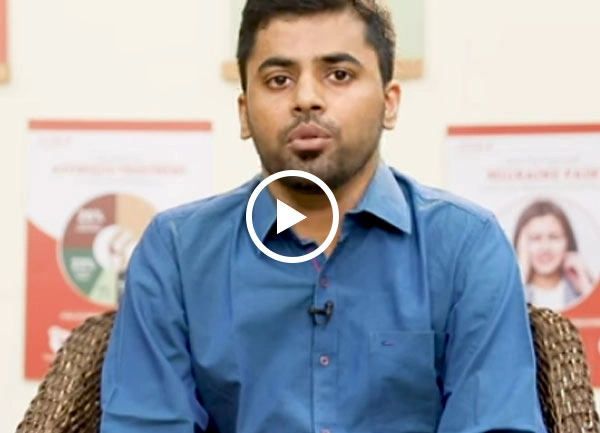
I had a piles problem for many months. I even had a lot of trouble sitting. Someone told me about Jiva Ayurveda Lajpat Nagar, then I went there and met Dr. Sarika Rawat. I took medicine for 4 months. Now I am completely fine, and I am grateful to Jiva Ayurveda Lajpat Nagar.
I will also tell others about Jiva Lajpat Nagar. The staff's nature is also very good and cool.
Thanks Jiva Ayurveda Lajpat Nagar
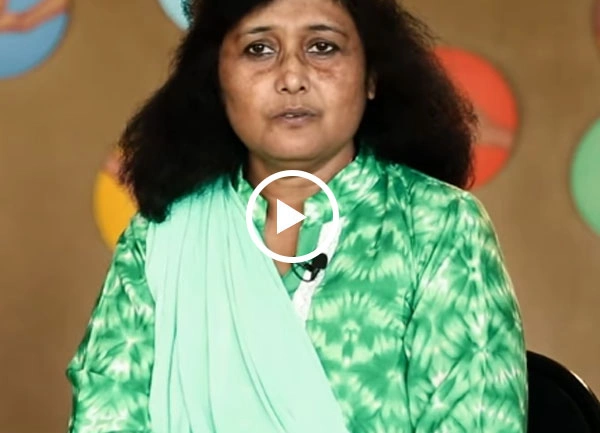
We are using Jiva Ayurveda from last 8 years.my husband was suffering from piles problem from last 20 years, I came to know about Jeeva Ayurveda through TV program of ayurveda charya Dr Pratap Chauhan and I got in contact with Jeeva Ayurveda and started treatment within one week my husband got relief from piles problem even i am taking treatment for Vericose vains from last 6 months there was too much pains swelling irritation darkness inflammation in my legs I was totally upset. Then we started treatment from jiva ayurveda and I got relief from the pain. Due to strong efforts from health coach, mind wellbeing,dietitian, yoga therapist ,doctors and jiva Ayurveda team. medicine of jiva ayurveda is a gift of god
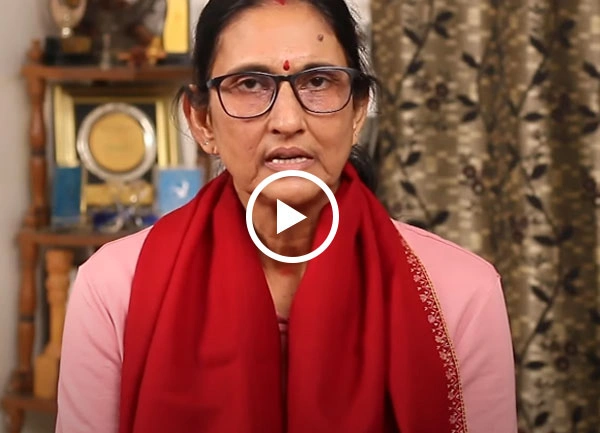
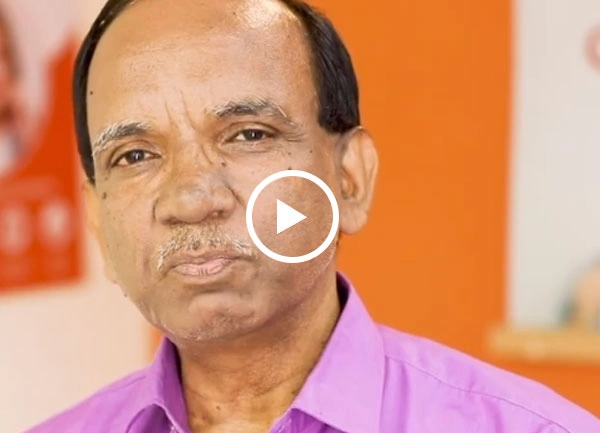
I had developed a problem with piles. There was a lot of bleeding and I also had severe pain. I consulted many places and spent a lot of money. Finally, it came to the point where surgery was needed.
I saw about 'Jiva' on Facebook and went to the nearest center, Jiva Lajpat Nagar. There I met Dr. Sikander. He understood my problem. After talking for a long time, he prescribed some medicines and explained the process of taking the medicine morning and evening.
After taking the medicine for 4 months, I got a lot of relief. Now there is no pain and the bleeding has also stopped.
Thank you, Jiva Lajpat Nagar.
Once again, thank you, Jiva Lajpat Nagar.
Patient Success Stories
Causes And Risk Factors
While they both cause painful lumps in the same sensitive area, piles and fistulas are triggered by completely different internal problems.
Piles
Blood vessels that swell up like balloons due to extreme downward pressure in your lower body. The risk factors include constantly straining in the bathroom, eating a dry and low-fibre diet, sitting at an office desk for long hours, or carrying a lot of weight.
Anal Fistula
A trapped bacterial infection inside a blocked internal gland that slowly burrows its way outward, creating a permanent pus-filled tunnel. Risk factors include having a history of untreated, painful boils near the anus, suffering from chronic gut inflammation, or having a weak immune system that cannot fight off deep digestive infections
How Diagnosis Is Confirmed
Because a fistula hides deep beneath the skin, you cannot accurately diagnose it just by looking in the mirror. An Ayurvedic doctor relies on a careful clinical examination combined with root analysis to confirm what is happening. The doctor will check your pulse to understand the level of internal body heat and toxic buildup affecting your system. Physically, the doctor will gently examine the skin around your anus. A fistula typically shows up as a small red, pimple-like opening on the skin that oozes pus when gently pressed. Because the tunnel goes deep inside, the doctor may recommend a gentle internal examination, a proctoscopy, or an MRI scan; this helps map out the path and depth of the hidden tunnel before starting treatment
How Management Differs
Since piles are swollen veins and a fistula is an infected tunnel, the treatment approach for each is different. For piles, the main goal is to shrink the swollen t blood vessels, stop the bleeding, and relieve the heavy downward pressure. Ayurvedic doctors prescribe cooling herbs to pacify internal heat, along with fiber-rich diet changes to soften your stools so the veins can naturally shrink back to normal.
For an anal fistula, simple creams or oral medicines alone cannot close a physical tunnel. The main goal is to completely drain the trapped infection and heal the tract from the inside out so it does not come back. In Ayurveda, doctors use a specialized minimally invasive surgical therapy called Ksharasutra, a medicated herbal thread. This thread is gently placed inside the wound where it slowly cleans out the infected tissues during the process and allows healthy flesh to gradually close the tract safely without damaging your surrounding muscles.
When Self-Diagnosis Is Unsafe
You should consult a doctor if you experience the following red flags:

 Published on 17 Nov, 2026
 Updated on 17 Nov, 2026