Diabetes, arthritis, skin disorders & more! Get a free consultation with Top Ayurveda doctors - +91 9266714040 | No travel, No waiting – Consult Jiva’s doctors from home via video call! | Get up to 10% OFF! On Authentic Ayurveda Products! Best Prices only on the brand store. Visit : www.store.jiva.com
When you experience pain or bleeding in the washroom, it's easy to confuse piles and fissures because they happen in the same sensitive area of the body. However, they are completely different problems. Piles are swollen, stretched-out blood vessels. Due to heavy blood flow, the veins inside or just outside your anus swell up like balloons. On the other hand, a fissure is not a swollen vein; it is a physical cut or tear in the delicate skin lining. If piles are like swollen balloons, a fissure is like a very painful paper cut on highly sensitive skin. While both are triggered by poor digestion and hard stools, piles are an issue of swollen blood vessels.
Side-By-Side Symptom And Pattern Table
Feature
Piles
Anal Fissure
What Happens
This usually causes swollen veins in or around the anus.
It is basically a tear or cut in the lining of the anus.
Timing of pain
Can ache throughout the day, especially when sitting for long hours.
Intense, sharp pain hits during bowel movements.
After-Effects
Mild discomfort or a heavy feeling of an incomplete bowel movement.
Severe, throbbing, burning sensation that can last for hours after passing stool.
Bleeding patterns
Bright red drops falling into the toilet bowl, often without any pain.
Bright red streaks of blood clearly visible on the toilet paper or stool surface.
Physical Feels
Feels like a soft or rubbery lump protruding from the area.
Feels like a sharp cut; the surrounding muscles strongly tighten or spasm.
Type of Pain
Usually a dull, heavy ache; internal piles are often completely painless.
Sharp, glass-like tearing pain like a severe physical cut.
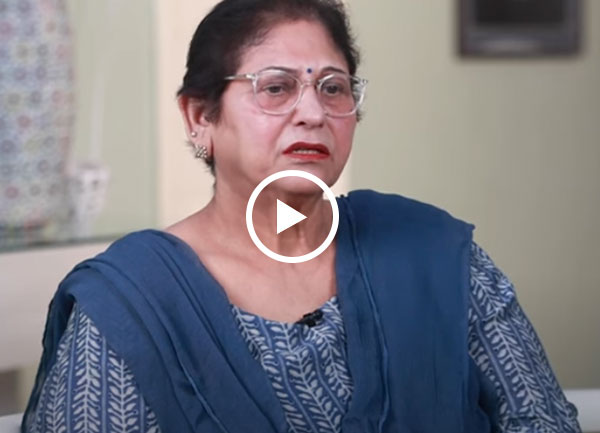
I had a piles problem for many months. I even had a lot of trouble sitting. Someone told me about Jiva Ayurveda Lajpat Nagar, then I went there and met Dr. Sarika Rawat. I took medicine for 4 months. Now I am completely fine, and I am grateful to Jiva Ayurveda Lajpat Nagar.
I will also tell others about Jiva Lajpat Nagar. The staff's nature is also very good and cool.
Thanks Jiva Ayurveda Lajpat Nagar
We are using Jiva Ayurveda from last 8 years.my husband was suffering from piles problem from last 20 years, I came to know about Jeeva Ayurveda through TV program of ayurveda charya Dr Pratap Chauhan and I got in contact with Jeeva Ayurveda and started treatment within one week my husband got relief from piles problem even i am taking treatment for Vericose vains from last 6 months there was too much pains swelling irritation darkness inflammation in my legs I was totally upset. Then we started treatment from jiva ayurveda and I got relief from the pain. Due to strong efforts from health coach, mind wellbeing,dietitian, yoga therapist ,doctors and jiva Ayurveda team. medicine of jiva ayurveda is a gift of god
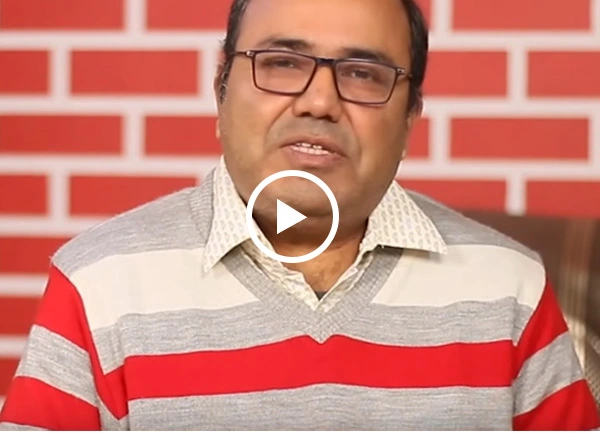
I had developed a problem with piles. There was a lot of bleeding and I also had severe pain. I consulted many places and spent a lot of money. Finally, it came to the point where surgery was needed.
I saw about 'Jiva' on Facebook and went to the nearest center, Jiva Lajpat Nagar. There I met Dr. Sikander. He understood my problem. After talking for a long time, he prescribed some medicines and explained the process of taking the medicine morning and evening.
After taking the medicine for 4 months, I got a lot of relief. Now there is no pain and the bleeding has also stopped.
Thank you, Jiva Lajpat Nagar.
Once again, thank you, Jiva Lajpat Nagar.
Patient Success Stories
Causes And Risk Factors
While they happen in the same sensitive area, piles and fissures are triggered by completely different internal problems
Piles
Blood vessels that swell up like balloons due to extreme downward pressure in your lower body. The risk factors include constantly straining in the bathroom, eating a dry and low-fibre diet, sitting at an office desk for long hours, or carrying a lot of weight.
Anal Fissures
A sharp, extremely painful cut or tear in the delicate skin lining of the anal canal. Risk factors include forcefully passing large, hard, and dry stools when you are severely constipated or suffering from highly acidic diarrhea that physically burns and injures the skin.
How Diagnosis Is Confirmed
You cannot accurately diagnose just by the pain you feel. To confirm what is actually happening, the Ayurvedic doctor relies on a clinical assessment combined with root cause analysis. The doctor will check your pulse (Nadi Pariskha) to understand the internal heat and dryness directly affecting your digestion. Physically, a doctor can usually confirm this by gently probing the outside of the area, as the small tear or split in the skin is often clearly visible. External piles are also assessed. If you have internal piles, a gentle internal examination or referral for a proctoscopy can be done to see the swollen veins and rule out other diseases.
How Management Differs
Since piles are swollen veins and a fissure is a cut, the Ayurvedic treatment approach for each is completely different. For piles, the main goal is to shrink the swollen blood vessels, stop the bleeding, and relieve the heavy pressure. Doctor prescre cooling herbs and specific formulations a to reduce the elarges lmps andcoold ownt he interna bodi heat. For a future, the main goal is to heal the open wound and stop the severe muscle spasms. The treatment focuses heavily on keeping the stool extremely soft so it does not scratch the cut skin. Doctors often prescribe local application of medicated ghee or warm oil pooling to deeply lubricate the dry tear, relax the tight muscles, and allow the skin to finally knit back together.
When Self-Diagnosis Is Unsafe
Assuming blood in the toilet is just piles is dangerous; you must consult a doctor immediately to rule out severe conditions if you notice these red flags:
Experiencing heavy or continuous bleeding in the bathroom.
Passing black, tar-like stools indicates deep internal bleeding.
Seeing blood physically mixed into the waste rather than just on the surface.
Losing weight unexpectedly alongside your digestive symptoms.
Piles are swollen, stretched-out blood vessels that bulge into soft lumps near your washroom area. A fissure is not a swollen vein at all; it is a physical cut or tear in the highly delicate skin lining that area.
Piles usually cause a dull, heavy ache, and internal piles might not even hurt at all. A fissure causes a sharp, glass-like tearing pain exactly when you pass stool, followed by a severe burning feeling that can last for hours.
Yes. If you have piles, you will often see bright red drops of blood falling directly into the toilet bowl. With a fissure, you will mostly see bright red streaks of blood on the toilet paper or resting on the surface of the stool.
Piles happen when you put heavy, continuous downward pressure on your lower body by sitting too long or pushing too hard. A fissure happens when you are severely constipated and force out a very large, dry, and hard stool that literally scratches and tears your skin on the way out.
No, because they are completely different injuries. For piles, Ayurvedic doctors use cooling herbs to shrink the swollen veins. For a fissure, they use soothing medicated ghee to deeply lubricate the dry tear, stop the muscle spasms, and help the broken skin knit back together.
Both require a strict high-fiber diet and plenty of water to keep your stool soft. However, for a fissure, your body needs extra internal lubrication so the dry cut can heal. Having warm milk with half a spoon of pure cow’s ghee at night is especially helpful for a fissure.
Find Jiva Ayurveda Clinics for Ano-rectal Treatment Near You

 Published on 17 Nov, 2026
 Updated on 17 Nov, 2026