Diabetes, arthritis, skin disorders & more! Get a free consultation with Top Ayurveda doctors - +91 9266714040 | No travel, No waiting – Consult Jiva’s doctors from home via video call! | Get up to 10% OFF! On Authentic Ayurveda Products! Best Prices only on the brand store. Visit : www.store.jiva.com
It is very easy to confuse different types of lumps, but how they differ often tells you exactly what they are. A standard external pile feels like a soft, fleshy bulge that suddenly becomes rock-hard and extremely painful if a blood clot forms inside. If you feel a tiny skin tag but experience a sharp tearing sensation when passing stool, that lump is actually a skin fold protecting a torn fissure. On the other hand, if the small bump constantly leaks small yellow pus and leaves your underwear wet, it is an infected fistula tunnel, not a swollen vein. If the lump feels unsuallu ht, throbbing, and comes with a sudden high fever, it is a dangerous deep infection.
Side-By-Side Symptom And Pattern Table
It can be really confusing trying to figure out what is actually going on down there.
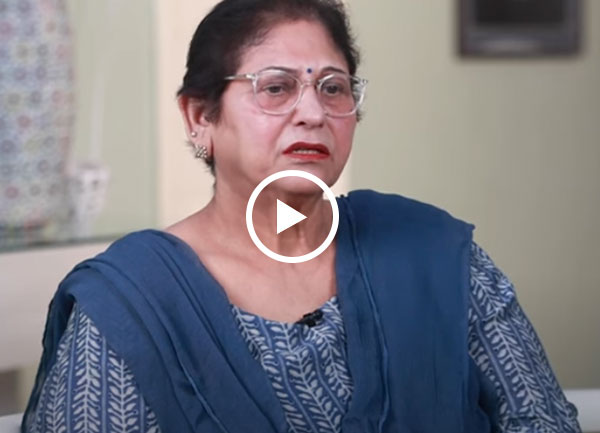
I had a piles problem for many months. I even had a lot of trouble sitting. Someone told me about Jiva Ayurveda Lajpat Nagar, then I went there and met Dr. Sarika Rawat. I took medicine for 4 months. Now I am completely fine, and I am grateful to Jiva Ayurveda Lajpat Nagar.
I will also tell others about Jiva Lajpat Nagar. The staff's nature is also very good and cool.
Thanks Jiva Ayurveda Lajpat Nagar
We are using Jiva Ayurveda from last 8 years.my husband was suffering from piles problem from last 20 years, I came to know about Jeeva Ayurveda through TV program of ayurveda charya Dr Pratap Chauhan and I got in contact with Jeeva Ayurveda and started treatment within one week my husband got relief from piles problem even i am taking treatment for Vericose vains from last 6 months there was too much pains swelling irritation darkness inflammation in my legs I was totally upset. Then we started treatment from jiva ayurveda and I got relief from the pain. Due to strong efforts from health coach, mind wellbeing,dietitian, yoga therapist ,doctors and jiva Ayurveda team. medicine of jiva ayurveda is a gift of god
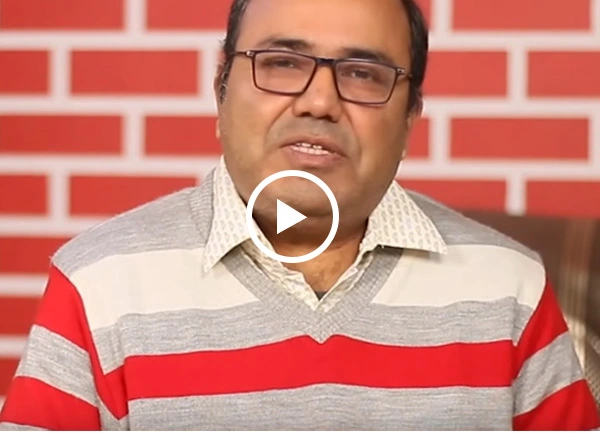
I had developed a problem with piles. There was a lot of bleeding and I also had severe pain. I consulted many places and spent a lot of money. Finally, it came to the point where surgery was needed.
I saw about 'Jiva' on Facebook and went to the nearest center, Jiva Lajpat Nagar. There I met Dr. Sikander. He understood my problem. After talking for a long time, he prescribed some medicines and explained the process of taking the medicine morning and evening.
After taking the medicine for 4 months, I got a lot of relief. Now there is no pain and the bleeding has also stopped.
Thank you, Jiva Lajpat Nagar.
Once again, thank you, Jiva Lajpat Nagar.
Patient Success Stories
What is actually happening?
How does the pain feel?
What are you seeing?
What does the lump feel like?
Hidden Swollen Veins (Internal Piles)
Usually nothing at all. It is completely painless.
Just a few painless drops of bright red blood in the toilet bowl.
You won't feel anything outside unless the swollen vein physically drops down.
Outer Swollen Veins (External Piles)
A sharp, constant burning that gets much worse the second you sit down.
Rarely any blood, unless the tight, stretched skin accidentally tears.
A soft fleshy bulge, or a rock-hard, highly sensitive clot.
A Physical Skin Tear (Fissure)
A sharp tearing sensation, like passing broken glass when you go to the bathroom.
Just a tiny bright red spot only visible on your toilet paper.
A tiny, sensitive little skin tag trying to protect the actual cut.
An Infected Tunnel (Fistula)
A deep, throbbing ache that does not stop, sometimes coming with a mild fever.
Thick, bad-smelling yellow pus that constantly leaves your underwear wet.
It feels more like a small, painful pimple that keeps popping.
Causes And Risk Factors
Swollen veins never happen by accident; they are caused by heavy, repeated pressure on your lower body.
Sitting all day: Long hours at a desk job or sitting on the toilet for too long forces blood to pool, stretching your lower veins.
Forcing hard stool: Pushing violently to pass a dry stool puts immense physical stress on fragile internal veins, causing them to bulge and eventually tear.
Heavy physical lifting: Holding your breath while lifting heavy gym weights or moving large boxes pushes a massive amount of downward pressure directly into your pelvic floor.
Pregnancy weight: The heavy weight of a baby rests directly on your pelvic veins, making them swell up during the later months.
Diagnosis Is Confirmed
Finding a lump near the anus can be very scary, but a doctor can confirm what it is by asking you questions related to your medical history and family history. First, they will simply look at the outside area to see if the lump is a swollen vein, a torn fissure, or an infected fistula just by checking its color. Next, they will gently press the lump with a gloved finger to feel if a hard, painful blood clot has formed inside or not. This check helps them decide the way to relive your pain. An Ayurvedic doctor will check your pulse, Nadi pariksha, and ask detailed questions about your daily digestion. This helps them confirm the exact internal root cause that forced the vein outside in the first place.
How Management Differs
As every lump near the anus is different, treating them all the same way will never work. If you have a swollen external vein, sitting in warm water and applying Ayurvedic cooling pastes will quickly reduce the painful swelling. If the lump is actually a skin tag or a torn fissure, you must use healing oils to repair the physical cut and completely soften your stool, so it does not tear again.
However, if you have an infected fistula leaking pus, standard piles creams will do nothing. A fistula requires a specialized Ayurvedic medicated thread called kshara sutra to slowly clear out and heal the infected tunnel. Finally, a hot, throbbing deep infection requires immediate medical drainage to safely remove the trapped pus.
When Self-Diagnosis Is Unsafe
Self-diagnosis is dangerous when your symptoms point to something much more serious than simple swollen veins. You must stop all home treatment and see a doctor immediately if you experience any of these major signs:
The lump suddenly gets much larger, turns deep purple, or feels completely hard like a rock.
You develop a high fever or start having cold sweats and body chills.
The lump starts leaking thick, foul-smelling yellow pus instead of clear mucus,
The pain becomes so severe that you cannot walk or sleep even after a warm bath.
The redness and swelling start spreading outward to the surrounding healthy skin.
A lump near the anus is very common and is most often caused by benign conditions such as external piles, a skin tag, or a perianal hematoma.
Treatment for a lump near the anus depends directly on its underlying cause, which needs to be diagnosed by the doctor first, and then the treatment is given accordingly.
You cannot tell the difference on your own because piles and tumors share many of the same symptoms. A proper medical examination is very important to know for sure.
A bump is likely a pile if it appears around the anus or lower rectum and comes with specific signs based on its type.
Straining during bowel movements and chronic constipation are the biggest enemies of piles because they increase pressure in the lower rectum and swell blood vessels.
Find Jiva Ayurveda Clinics for Ano-rectal Treatment Near You

 Published on 24 Oct, 2026
 Updated on 24 Oct, 2026