
Successful Treatments
Clinics
Doctors
Ayurvedic Treatment for Gallstones
 Published on 05 Oct, 2026
 Updated on 05 Oct, 2026

What are Gallstones?
Gallstones are small, solid particles that form in the gallbladder, a small organ located under the liver. The gallbladder holds bile, a digestive liquid made by the liver, which breaks down fats. If the balance of substances in bile is disrupted, Gallstones may form. These stones may be as tiny as a grain of sand and as big as a golf ball.
The two types of Gallstones are:
Cholesterol Gallstones: These are the most common type of Gallstones and are yellow in colour. They mainly consist of hardened cholesterol.
Pigment Gallstones: These smaller and darker stones (usually brown or black) form when your bile has too much bilirubin, a product from the breaking down of red blood cells.
Gallstones are called "Pittashmari" in Ayurveda. The term “Ashmari” means stones and “Pitta” means one of the three energies that are believed to control the body’s physiological activities. Pitta dosha governs metabolism and digestion, such as the production and flow of bile in the gallbladder. Pitta imbalance may lead to formation of stones, which suggests that excess bile or bilirubin may be responsible for the formation of Gallstones.
Pittashmari (Gallstones) is usually explained as a result of diet, lifestyle and metabolic disturbances that disturb Pitta balance. Ayurveda concentrates on restoring this balance with dietary changes, natural herbs and lifestyle adjustments for Gallstones treatment without surgery. Understanding and managing this dosha imbalance may prevent Gallstone formation and maintain the health of the gallbladder and liver.
Common Causes of Gallstones
Gallstones often form when the balance of substances that make up bile is disturbed. Several factors lead to this imbalance, which causes these solid particles to form in the gallbladder. Knowing these causes may help prevent Gallstone formation.
The most common Gallstones causes are:
Excess Cholesterol: The liver may excrete more cholesterol than bile can dissolve, which may result in cholesterol Gallstones.
Excessive Bilirubin: Certain diseases, like liver cirrhosis or blood disorders cause the liver to create excess bilirubin, leading to pigment Gallstones.
Bile Concentration: If the gallbladder doesn't empty completely or often enough, bile may become very concentrated, causing Gallstone formation.
Diet: High-fat, high cholesterol and low fibre diets can raise the chance of developing Gallstones.
Weight: Obesity or being overweight raises the risk of Gallstones, particularly among females.
Rapid Weight Loss: Very rapid weight loss can lead to Gallstones because the body metabolises fat and increases cholesterol in bile.
Age: People over 40 are at higher risk for Gallstones.
Gender & Hormones: Women are at greater risk of Gallstones compared to men, particularly if they've had more than 1 pregnancy, use hormonal contraception, or have undergone hormone replacement therapy.
Genetics: A family history of Gallstones may increase your risk.
Diabetes: Fatty acids (called triglycerides) are generally higher in those who have diabetes, raising the risk of Gallstones.
Diagnosis & Imaging Tests for Gallstones
Gallstones, or cholelithiasis, are hardened masses of bile that develop in the gallbladder, a small organ located just below the liver. Although some gallstones can produce symptoms, many are asymptomatic, or “silent,” and are only found during routine imaging or testing for other abdominal complaints. It is essential to understand the diagnostic process, as early diagnosis can prevent serious complications such as cholecystitis (gallbladder inflammation), choledocholithiasis (bile duct stones), or pancreatitis.
Diagnosis & Imaging Tests for Gallstones
Gallstones, or cholelithiasis, are hardened masses of bile that develop in the gallbladder, a small organ located just below the liver. Although some gallstones can produce symptoms, many are asymptomatic, or “silent,” and are only found during routine imaging or testing for other abdominal complaints. It is essential to understand the diagnostic process, as early diagnosis can prevent serious complications such as cholecystitis (gallbladder inflammation), choledocholithiasis (bile duct stones), or pancreatitis.
Common Diagnostic Tests
- Abdominal Ultrasound
- Non-invasive, painless, and highly accurate
- Detects gallstones in the gallbladder
- Often the first test recommended by doctors
- CT Scan
- Provides detailed images of the abdominal organs
- Helps detect complications like infection, inflammation, or pancreatic involvement
- HIDA Scan
- Evaluates gallbladder function
- Detects blockages in bile flow
- MRCP (Magnetic Resonance Cholangiopancreatography)
- Useful for detecting stones in the bile ducts
- Non-invasive alternative to ERCP for diagnosis
- Blood Tests
Blood tests can reveal complications or organ stress, including:
- Infection
- Liver inflammation
- Bile duct obstruction
- Pancreatitis
These tests will help the physician decide if immediate care is required.
Signs and Symptoms of Gallstones
Gallstones don't always cause symptoms, but they can be uncomfortable and sometimes very severe. Identifying these Gallstones symptoms early may help with timely treatment and avoiding complications.
Gallstone Symptoms
Abdominal Pain
The most common symptom of Gallstones is usually severe pain, felt on the upper right corner of the abdomen. This pain may radiate to the centre of the abdomen, back, or even the right shoulder.
Nausea & Vomiting
These are other symptoms that accompany the Gallstone pain symptoms, especially during a Gallstone attack.
Bloating
Feeling full or bloated after eating fatty foods, which can be uncomfortable and persistent.
Digestive Problems
Gallstones can also be frequently linked to signs of indigestion , for example heartburn, gas, and acid reflux.
Jaundice
Another common symptom is yellowing of the skin and whites of the eyes from a blockage of the bile duct which prevents bile from reaching the intestines.
Dark Urine & Light-Colored Stool
When bile flow is obstructed, urine and stool colour may appear different.
Fever & Chills
These might indicate gallbladder or bile duct infection (known as cholecystitis or cholangitis).
Sudden and Intense Pain
If a Gallstone blocks a bile duct, it can cause sudden and acute pain that can flare up quickly and require urgent medical care.
Unusual Weight Loss
While not as common, some people may experience weight loss related to Gallstone complications.
Do you have any of the following symptoms?
- Abdominal pain or general discomfort after eating, especially fatty meals
- Nausea and vomiting, particularly during or after meals
- Persistent bloating or a feeling of fullness in your abdomen
- Yellowing of the skin and the whites of your eyes (Jaundice)
- Changes in urine and stool colour
- Unexplained fever or chills
- Sudden and intense abdominal pain
- Symptoms such as heartburn, acid reflux, or gas
Jiva Ayunique™ Treatment Philosophy - A Holistic Approach to Gallstones
Jiva Ayurveda offers holistic Ayurvedic Gallstones treatment using evidence-based Ayurveda. The treatment plans are customised to target the very root cause of the disease, and instead of just treating symptoms, the focus of the treatment is to provide holistic healing, balance and stability.
Core Principles of the Jiva Ayunique™ Treatment Philosophy
HACCP certified Ayurvedic medicines: These are scientifically developed blends that help restore your body's equilibrium and emotional stability.
Yoga, Meditation & Mindfulness: These calming practices support your mental health and complete wellness.
Ayurvedic Treatments: Methods like Panchakarma and therapeutic massages to cleanse the body and support emotional health.
Dietary & Lifestyle Recommendations: Expert advice on changing your diet and lifestyle to promote better health.
Ayurvedic Medicines for Gallstones
Ayurveda offers several herbal medicines for treating Gallstones, enhancing bile production, dissolving stones and soothing inflammation in the body. These natural treatments aim to balance the body's energy system, specifically the Pitta dosha associated with gallbladder problems.
Here are some effective Ayurvedic herbs used for the management of Gallstones:
Turmeric (Haldi/Halada): The presence of curcumin in turmeric makes it a choleretic and anti-inflammatory herb. Taking warm milk with turmeric after meals helps to dissolve Gallstones and improves liver health.
Aloe Vera (Kumari): It acts as a cholagogue and helps cleanse the gallbladder. Aloe vera gel mixed with honey and taken as a juice is known to treat Gallstones.
Gokshura (Tribulus Terrestris): Gokshura has alkaloids and phytosterols that can help combat Gallstones. Gokshura powder is also believed to detoxify the gallbladder.
Kalonji (Nigella Sativa): Loaded with thymoquinone, Kalonji is a lipotropic and anti-inflammatory antioxidant. The seeds of kalonji are known to dissolve Gallstones when taken internally on an empty stomach.
Black Pepper (Kali Mirch/Maricha): It improves liver and gallbladder function due to its choleretic properties. Black pepper powder with warm water before meals aids digestion and prevents Gallstones.
Ginger: This common spice stimulates the gallbladder, improves digestion and decreases nausea to help prevent and treat Gallstones.
Garlic: Known for its ability to expel bile and stones, garlic also has antibacterial and antiviral properties.
Dandelion: It is believed to cleanse the liver, increase bile flow, and dissolve Gallstones.
Bhumi Amla: Known to dissolve Gallstones, reduce inflammation, and restore function of the liver and gallbladder.
Manjistha: Cleanses blood, removes toxins & reduces inflammation to support liver health.
Bhringraj: Known to improve bile flow and promote liver function as a digestive agent.
When to Seek Immediate Medical Attention
Complications of gallstones can progress rapidly. If you have any of the following symptoms, seek immediate medical attention:
- Severe pain in the upper abdomen that lasts for more than 30 minutes
- Fever accompanied by chills
- Yellowing of the skin or eyes (jaundice)
- Nausea or vomiting
Failure to seek medical attention for these symptoms can result in serious complications that may require hospitalization or surgery.
Complications of Gallstones
Gallstones, also known as cholelithiasis, can be asymptomatic for many years. However, when they start to cause symptoms like abdominal pain, nausea, and gastrointestinal discomfort, they should not be taken lightly. If left untreated, symptomatic gallstones can obstruct the regular passage of bile and lead to severe health issues related to the gallbladder, bile ducts, pancreas, and even the whole abdominal region. It is essential to be aware of these complications to ensure that they are diagnosed and treated promptly.
- Cholecystitis
Cholecystitis is one of the most frequent and immediate complications of gallstones. This occurs when a stone obstructs the cystic duct, thereby preventing the bile from draining from the gallbladder. This obstruction results in inflammation, swelling, and sometimes infection.
The symptoms include:
- Severe pain in the upper right abdomen
- Pain that may spread to the right shoulder or back
- Presence of fever and chills
- Nausea and vomiting
- Abdominal tenderness when pressed
Acute cholecystitis is often a condition that necessitates hospitalization. It can be treated with intravenous fluids, antibiotics, pain control, and in most cases, surgical excision of the gallbladder. If not treated, it can lead to tissue necrosis or gangrene of the gallbladder.
- Choledocholithiasis
Choledocholithiasis occurs when gallstones migrate from the gallbladder and get stuck in the common bile duct. The common bile duct is responsible for transporting bile from the liver and gallbladder to the small intestine. Obstruction of this duct can cause problems in bile drainage and potentially life-threatening complications.
Possible symptoms include:
- Yellowing of the skin and eyes (jaundice)
- Dark urine and light-colored stool
- Severe abdominal pain
- Fever
Obstruction of the bile ducts can lead to cholangitis (bile duct infection), which is potentially life-threatening if not promptly treated. Endoscopic stone extraction is often necessary to alleviate the obstruction.
- Pancreatitis
Gallstones can also obstruct the pancreatic duct, resulting in pancreatitis, or inflammation of the pancreas. This is due to the bile and pancreatic juices being unable to drain, resulting in irritation and inflammation of the pancreas.
Possible symptoms include:
- Severe pain in the upper abdomen radiating to the back
- Persistent nausea and vomiting
- Fever
- Rapid heart rate
Gallstone pancreatitis can be mild to severe. In severe cases, it may result in failure of the organs or systemic infection. This condition usually requires immediate hospitalization and care.
- Gallbladder Abscess or Rupture
In extreme cases, when the gallbladder becomes severely inflamed or infected, it may result in an abscess, or a pocket of pus, in the gallbladder. Due to increased pressure, the gallbladder may rupture, spilling the infected contents into the abdominal cavity.
This may result in peritonitis, a life-threatening infection of the abdominal cavity. The symptoms of peritonitis are:
- Increasing pain in the abdomen
- Severe fever
- Rapid heart rate
- Shock symptoms
Gallbladder rupture is a medical emergency, and immediate surgery and intensive care are required.
Medical Therapies & Surgery
The management of gallstones depends on the severity of the symptoms, the size and number of gallstones, and the development of complications. Although some gallstones may never cause any problems, in other situations, medical or surgical therapies may be necessary. The following are the conventional medical therapies for gallstones.
1. Watchful Waiting
When gallstones are found incidentally and are asymptomatic, the medical approach is to do nothing and wait. This is referred to as watchful waiting. Many people live the rest of their lives with “silent” gallstones without developing any problems. This involves:
- Monitoring of symptoms
- Follow-up visits if necessary
- Dietary modifications
Surgery is not generally advised unless symptoms occur, as the risks of surgery may outweigh the benefits in asymptomatic patients.
2. Medications
Some medications, like ursodiol (ursodeoxycholic acid), can be used to dissolve cholesterol gallstones. This treatment is usually recommended for patients who have:
- Small cholesterol gallstones
- Cannot undergo surgery
- Prefer non-surgical treatment
However, there are some significant drawbacks:
- May take months or even years to completely dissolve the stones
- Stones may return once the treatment is stopped
- Not effective for pigment stones
- Best used when the gallbladder is still functioning normally
Due to these drawbacks, medication therapy is less often used than surgery, but it can be useful in certain situations.
3. Cholecystectomy
Cholecystectomy, or surgical removal of the gallbladder, is the most widely practiced and effective treatment for symptomatic gallstones. It removes the cause of gallstone formation and thus prevents recurrence.
There are two forms of cholecystectomy:
- Laparoscopic Cholecystectomy
- Minimally invasive surgery
- Makes small incisions in the abdomen
- Has a shorter hospital stay
- Has a faster recovery time (usually 1-2 weeks)
- Has less postoperative pain
This is usually the preferred treatment approach.
Open Cholecystectomy
- Makes a larger incision in the abdomen
- Usually performed in complicated cases (severe infection, scarring, and rupture)
- Has a longer hospital stay and recovery time
Diet & Nutrition Guidance
Diet plays a significant role in both the development and management of gallstones. Since most gallstones form due to excess cholesterol in bile, dietary patterns directly influence risk. An evidence-based nutritional approach can help reduce symptoms, prevent complications, and lower recurrence risk.
Foods to Include
- High-Fiber Foods
Fiber supports healthy digestion and improves bile metabolism, reducing cholesterol accumulation in bile. Include:
- Fresh vegetables (leafy greens, carrots, broccoli)
- Fruits (apples, pears, berries)
- Whole grains (oats, brown rice, quinoa)
- Legumes (beans, lentils, chickpeas)
A fiber-rich diet also supports weight management, which is crucial in gallstone prevention.
- Healthy Fats in Moderation
Completely eliminating fat is not recommended. Moderate amounts of healthy fats help stimulate regular gallbladder emptying, preventing bile stagnation.
- Olive oil
- Nuts and seeds
- Avocados
- Lean Proteins
Lean protein sources reduce digestive strain while maintaining balanced nutrition:
- Lentils and legumes
- Fish
- Skinless poultry
- Tofu
- Adequate Hydration
Proper hydration helps maintain bile consistency and supports digestion. Aim for sufficient daily water intake unless medically restricted.
Foods to Limit
Some eating habits raise the chances of developing gallstones:
- Fried and high-fat foods
- Processed and refined carbohydrates
- Too much sugar and sweet drinks
- High cholesterol junk foods
Avoid Crash Diets for Weight Loss
Crash diets are associated with low-calorie intake, which raises the cholesterol content of bile and lowers the movement of the gallbladder, thus raising the chances of gallstone formation.
Weight Loss
Gradual weight loss is essential. Losing 1-2 pounds per week is much safer than crash dieting. Crash dieting leads to the rapid breakdown of fats in the body, thus increasing the cholesterol content of bile and leading to gallstone formation.
Preventative Strategies
Preventing gallstones requires a long-term lifestyle commitment rather than a quick fix.
- Achieve and Maintain a Healthy Weight
Being overweight raises the cholesterol content of bile, thereby increasing the risk of gallstones. A healthy diet and regular exercise can help prevent this.
- Avoid Sudden Weight Loss
Sudden weight loss causes the body to metabolize fat quickly, resulting in an increased amount of cholesterol entering the bile, thus forming gallstones.
- Regular Exercise
Engaging in at least 150 minutes of moderate-intensity exercise per week, including activities like brisk walking, cycling, or swimming, can improve metabolic function and lower the risk of developing gallstones.
- Eat a Balanced Diet
A Mediterranean diet that includes plenty of vegetables, fruits, whole grains, lean proteins, and healthy fats has been linked to a lower incidence of gallstones.
- Drink Plenty of Water
Drinking enough water helps to facilitate the efficiency of bile production.
Lifestyle Triggers & Pain Management
Some lifestyle habits can trigger attacks of gallstones in people who already have gallstones. Common Triggers
- Fatty meals
- Intermittent fasting
- Sedentary lifestyle
- Extreme stress
Eating large meals triggers intense contractions of the gallbladder, which can be painful if there are gallstones.
Ayurvedic Approach
Ayurvedic practitioners consider gallstones in relation to Pitta dosha imbalance and bile metabolism. The treatment is aimed at restoring balance in the body rather than concentrating on the stone. The treatment modalities include:
- Detoxification (Shodhana therapies)
- Herbal medicines
- Diet modification
- Improving digestion (Agni balance)
The treatment is aimed at correcting the metabolic problem and preventing recurrence.
Allopathic Approach
Conventional medicine considers gallstones to be a structural and biochemical problem due to cholesterol supersaturation, bile stasis, or pigment imbalance. The treatment modalities include:
- Removing the stones or the gallbladder
- Preventing bile duct obstruction
- Managing acute illness
- Using medications when indicated
- Surgical removal of the gallbladder is the definitive treatment for recurrent symptomatic gallstones.
Integrative Approach
An integrative approach may provide the best possible results. This may include:
- Accurate medical assessment to exclude complications
- Surgical treatment when indicated
- Long-term dietary and lifestyle changes
- Supportive Ayurvedic treatment under expert guidance
Combining conventional medical treatment with holistic lifestyle management can help improve digestive health and prevent recurrence.
Conclusion
Gallstone treatment goes beyond surgery. Diet, weight management, fluid intake, and regular exercise can greatly impact gallstone prevention and management. Although conventional medicine is effective in acute gallstone management, alternative lifestyle strategies can be useful in managing metabolic gallstones.
Conventional medical advice, healthy lifestyle choices, and healthy habits are the cornerstone of effective gallstone management.
Frequently Asked Questions About Gallstones
Why are Gallstones caused, as per Ayurveda?
In Ayurveda, Gallstones are associated with an imbalance in Pitta dosha, linked with metabolic processes & bile production.
Can stress cause Gallstones?
Yes, stress indirectly contributes to Gallstone formation by disrupting digestion and aggravating the Pitta dosha, resulting in imbalanced bile production.
How can I check for Gallstones at home?
Although home checks can't diagnose Gallstones, symptoms such as sudden severe abdominal pain, yellowing of the skin, and nausea may indicate Gallstones and prompt a professional Ayurvedic consultation.
What foods to eat or avoid as per Ayurveda for Gallstones?
An Ayurvedic Gallstones diet includes fibre-rich foods, low-fat dairy products, and avoiding deep-fried and spicy foods to maintain a healthy bile composition.
Can drinking water prevent Gallstones?
Yes, staying hydrated helps dilute the bile and keeps cholesterol from concentrating, reducing your risk of Gallstone formation.
Are there specific yoga poses for Gallstone patients?
Yoga poses like Sarvangasana (Shoulder Stand) and Bhujangasana (Cobra Pose) promote digestive health and may ease Gallstones symptoms.
As per Ayurveda, what lifestyle changes can help prevent Gallstones?
To prevent Gallstones, Ayurveda recommends regular exercise, a balanced diet, stress management through meditation and yoga, and proper sleeping habits.
Can Ayurvedic treatments dissolve Gallstones completely?
Smaller Gallstones can be dissolved completely with Ayurvedic treatments and natural herbs, but larger ones usually require medical intervention.
How long will it take to treat Gallstones using Ayurveda?
The duration of Ayurvedic therapy for Gallstones is dependent upon the size and number of stones and the individual’s response to the treatment.
Is Ayurveda safe for Gallstone removal?
Ayurveda offers safe and natural remedies to manage Gallstone symptoms and dissolve small Gallstones but it is important to consult an Ayurvedic doctor for proper diagnosis and treatment.
What are the signs that Ayurvedic treatment for Gallstones is working?
Improvement in digestive health, reduction in discomfort and pain and improved overall well-being could be indications of improvements from Ayurvedic treatments.
Can herbal teas help with Gallstones?
Ayurveda recommends peppermint, dandelion, and milk thistle as herbal teas to support liver health and Gallstone management by promoting bile flow.
Can children develop Gallstones and how does Ayurveda treat it?
Yes, children can develop Gallstones, and Ayurveda treats this with gentle dietary modifications and herbal remedies customised for children, specifically targeting liver health and digestion.
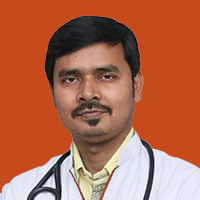
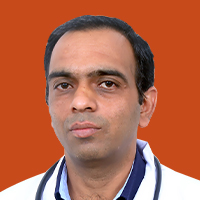
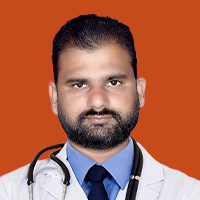
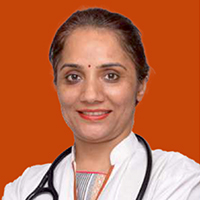
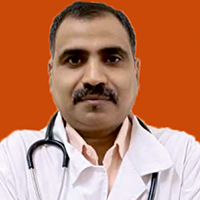
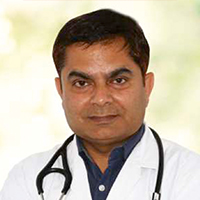
Consult Experienced Ayurveda Doctors for Gallstones











Our Happy Patients
-
 Sunita Malik - Knee Pain
 -
 Abhishek Mal - Diabetes
 -
 Vidit Aggarwal - Psoriasis
 -
 Shanti - Sleeping Disorder
 -
 Ranjana - Arthritis
 -
 Jyoti - Migraine
 -
 Renu Lamba - Diabetes
 -
 Kamla Singh - Bulging Disc
 -
 Rajesh Kumar - Psoriasis
 -
 Dhruv Dutta - Diabetes
 -
 Atharva - Respiratory Disease
 -
 Amey - Skin Problem
 -
 Asha - Joint Problem
 -
 Sanjeeta - Joint Pain
 -
 A B Mukherjee - Acidity
 -
 Deepak Sharma - Lower Back Pain
 -
 Vyjayanti - Pcod
 -
 Sunil Singh - Thyroid
 -
 Sarla Gupta - Post Surgery Challenges
 -
 Syed Masood Ahmed - Osteoarthritis & Bp
Blogs
- Diet Modification: The Remedial Measure for Gallstones
- 2 Yoga Asanas that Help People With Gallstones
- 6 Home Remedies for the Management of Gallstones
- Herbal Remedies that Effectively Manage Gallstones
- Symptoms and Treatment of Gallstones in Ayurveda
- Get Ayurvedic Treatment For Liver & Gallbladder Diseases
- फैटी खाना खाने के बाद पेट दर्द क्यों होता है? गॉलब्लैडर स्टोन का संकेत
- बार-बार पथरी बनने की समस्या क्यों होती है?
- गॉलब्लैडर में बार-बार स्टोन क्यों बनते हैं?
- पीठ में अचानक तेज़ दर्द और पेशाब में जलन क्या किडनी स्टोन का संकेत हैं?
Home Remedies
- पेट में गैस, जलन या संक्रमण? इन घरेलू उपायों से पाएं राहत
- पेट में गैस, अपच और फुलाव का आयुर्वेदिक इलाज - मुफ़्त परामर्श
- एनल फिशर से परेशान हैं? ये आयुर्वेदिक नुस्खे देंगे राहत और आराम
- कब्ज़ का आयुर्वेदिक इलाज - मुफ़्त परामर्श
- एसिड रिफ्लक्स का घरेलू इलाज - मुफ़्त आयुर्वेदिक परामर्श
- Food Poisoning का आयुर्वेदिक इलाज - मुफ़्त परामर्श
- क्या बार-बार उल्टी हो रही है? इन घरेलू उपायों से पाएं तुरंत आराम
- क्या आप जानते हैं? इन नुस्खों से पेट दर्द जड़ से खत्म होता है!
- बार-बार एसिडिटी? ये देसी नुस्खे तुरंत देंगे आराम!
- दवा की ज़रूरत नहीं! लूज़ मोशन का रामबाण इलाज घर पर ही
- Home Remedies for Vomiting
- Home Remedies for Piles
- Home Remedies for Food Poisoning
- Home Remedies for Stomach Infection
- Home Remedies for Bloating
- Home Remedies for Anal Fissure
- Home Remedies for Constipation
- Home Remedies for Acid Reflux
- Home Remedies for Acidity
- Home Remedies for Stomach Pain
Related Disease
- Ayurvedic Treatment for Acid Reflux
- Ayurvedic Treatment for Anemia
- Ayurvedic Treatment For Anorexia
- Ayurvedic Treatment for Chronic Fatigue Syndrome
- Ayurvedic Treatment For Gastritis
- Ayurvedic Treatment For Colitis
- Ayurvedic Treatment For Crohn’s Disease
- Ayurvedic Treatment for Weakness and Fatigue
- Ayurvedic Treatment For Flatulence
- Ayurvedic Treatment for Gallstones
- Ayurvedic Treatment for Jaundice
- Ayurvedic Treatment for Liver Cirrhosis
- Ayurvedic Treatment for Sickle Cell Anaemia
- Ayurvedic Treatment For Piles And Fissure
- Ayurvedic Treatment for Irritable Bowel Syndrome (IBS)
- Ayurvedic Treatment For Hyperacidity
- Ayurvedic Treatment for Constipation
- Ayurvedic treatment for Coeliac Disease
- Ayurvedic Treatment for Peptic Ulcer
- Ayurvedic Treatment for Tapeworm
- Ayurvedic Treatment for Typhoid
- Ayurvedic Treatment for Diarrhea
- Ayurvedic Treatment for Diverticulitis
- Ayurvedic Treatment for Pinworms
- Ayurvedic Treatment for Cholera
- Ayurvedic Treatment for Emphysema
- Ayurvedic Treatment for Food Poisoning
- Ayurvedic Treatment for Atherosclerosis
- Ayurvedic Treatment for Thalassemia
- Ayurvedic Treatment for High Triglycerides
- Get Ayurvedic Treatment for Gastroenteritis
- Ayurvedic Treatment For Inflammatory Bowel Disease (IBD)
Latest Blogs
- ‘No Added Sugar’ Doesn’t Automatically Mean Low Sugar—Here’s Why
- Online meetings के बीच zero movement दिन के अंत में stiffness क्यों बढ़ाता है?
- Screen brightness और late-night work sleep readiness को कैसे बदलते हैं
- Warm Vs Cold Foods: How To Discuss The Ayurvedic Idea Without Turning It Into A Myth
- Noise-cancelling headphones घंटों पहनना mental fatigue को कम करता है या बढ़ा सकता है?
- Sugar-Free Biscuits: Better Choice Or A Health Halo?
- Why a Long Afternoon Nap Can Make Bedtime Surprisingly Difficult
- Scrolling While Eating: The Habit That Makes Meals Harder to Remember
- The Forward-Head Posture You Don’t Notice Until Evening
- Are Seed Mixes Useful—Or Just Easy To Overeat?
- Laptop on the Sofa: Why Neck and Hip Stiffness Show Up Later
- Why Your Eyes Feel Tired Even When Screen Brightness Seems Fine
- Is A Standing Desk A Complete Fix For Too Much Sitting?
- Why a Damp Bathroom Can Affect More Than Just the Walls
- When ‘Resting’ Means Scrolling: Is Your Brain Actually Recovering?
- Work-from-home में bed पर काम करना शरीर को इतना थका क्यों देता है?
- Why Late-Night Snacking Often Appears On Stressful Days
- Sunday-Night Sleep Trouble: Anxiety, Routine Shift, Or Both?
- The Coffee That Helps At 4 Pm But Hurts At 11 Pm
- Should Everyone Start The Day With Lemon Water?
Ayurvedic Doctor In Top Cities
- Ayurvedic Doctors in Bangalore
- Ayurvedic Doctors in Pune
- Ayurvedic Doctors in Delhi
- Ayurvedic Doctors in Hyderabad
- Ayurvedic Doctors in Indore
- Ayurvedic Doctors in Mumbai
- Ayurvedic Doctors in Lucknow
- Ayurvedic Doctors in Kolkata
- Ayurvedic Doctors in Patna
- Ayurvedic Doctors in Vadodara
- Ayurvedic Doctors in Ahmedabad
- Ayurvedic Doctors in Chandigarh
- Ayurvedic Doctors in Gurugaon
- Ayurvedic Doctors in Jaipur
- Ayurvedic Doctors in Kanpur
- Ayurvedic Doctors in Noida
- Ayurvedic Doctors in Ranchi
- Ayurvedic Doctors in Bhopal
- Ayurvedic Doctors in Ludhiana
- Ayurvedic Doctors in Dehradun