Living with IBD is not just about dealing with flare-ups. When the disease is in remission, the focus shifts to keeping symptoms under control, maintaining good nutrition, and staying well over the long term. Remission can look different from person to person, so it is important to understand your own condition and stay in touch with your doctor.
What Remission Means
Remission is a stage where chronic inflammation is under control, and there are few or no symptoms left in the digestive tract. You may have less abdominal pain, diarrhoea, urgency, or bleeding, and your daily life may feel more normal.
However, feeling better does not always mean that the inflammation is completely gone. Some people may have inflammation in the bowel without obvious symptoms. This is why doctors may use blood tests, stool tests, endoscopy, and imaging tests to check whether the disease is fully quiet.
Remission can be clinical, biochemical, endoscopic, histologic, and transmural depending on what is being measured. The aim of the treatment is not just to make symptoms disappear, but to control inflammation and help prevent future flare-ups and complications.
Medicines And Follow-Up
Even when you feel fine. It is important to stay on your prescribed IBD treatment. Take medicines as advised and do not stop or change them on your own. If you feel any side effects, miss doses often, or treatment is not working, consult with your doctor before discontinuing.
Regular follow-ups help keep track of what is happening inside your bowel. Follow-up includes blood tests, stool tests, imaging tests, endoscopy, and regular monitoring. These check-ups help spot changes early and decide whether your treatment needs any adjustment.
Depending on your condition and symptoms, your doctor may suggest medications, such as:
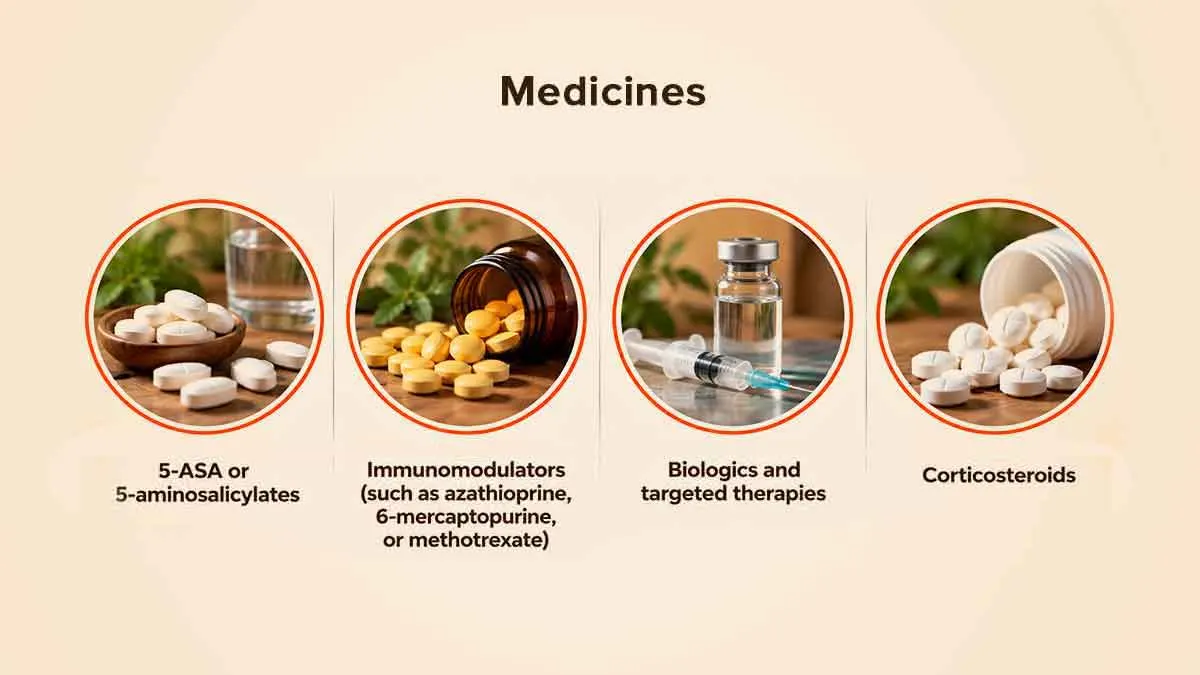
- 5-ASA or 5-aminosalicylates, as they help maintain remission in ulcerative colitis.
- Immunomodulators such as azathioprine, 6-mercaptopurine, or methotrexate, as they help individuals remain off steroids.
- Biologics and targeted therapies like infliximab or adalimumab are used in severe disease.
- Corticosteroids are reduced during remission as they are not safe for long-term use.
Food, Sleep And Movement Routines
Maintaining a structured routine, healthy food, and proper sleep is important during remission because lifestyle disruptions can trigger a flare or inflammation in the bowel. A simple, consistent routine can make day-to-day life easier when living with IBD. During remission, try to eat regular, balanced meals instead of skipping meals or following strict diets without a reason. Choose foods that you can tolerate well and make sure you get enough protein, calories, and fluids. If a certain type of food is causing symptoms, discuss it with your doctor.
Good sleep also matters; try to keep a bedtime routine and give yourself enough time to rest. When you have enough energy, regular movement such as walking, stretching, yoga, cycling, yoga, etc., can be part of your daily routine. The duration can be adjusted according to the individual's ability.
Stress And Mental Wellbeing
Living with IBD can be stressful sometimes. Worrying about symptoms, flare-ups, food, or finding a bathroom when you are outside can affect your mental well-being. Stress does not cause IBD, but it can make it harder to manage everyday life. These habits can help reduce stress:
- Take regular breaks and give yourself enough time to relax.
- Stay connected and talk with your friends and family when you feel stressed.
- Keep a routine; it helps maintain mental well-being.
- Ask for help when needed, especially when you feel anxious, depressed, or overwhelmed.
- Try not to force yourself to do things that make you feel anxious and stressed.
Work, Study, And Toilet Planning
IBD can sometimes make work, college, or daily outings a little difficult, especially when there is an urgent need to use the toilet. Planning can make these situations less stressful. Knowing where the nearest toilet is and giving yourself some extra time can help you feel more comfortable when you are away from home.
- Check where the toilets are at your college, workplace, or other places you often visit
- If you are going somewhere new, think about where you can stop if you need to
- Leaving a little earlier can help you avoid rushing.
- If your symptoms are affecting your daily life, study, or work, then try to talk with an appropriate person and ask about practical adjustments.
- For long travel, plan for where you can use a toilet, if needed.
- Bowel urgency can give you anxiety and low self-esteem; do not feel embarrassed and consider seeking professional help in case of depression.
Travel Preparation
Travelling with IBD can feel easier when you plan a few things. You don't have to avoid trips because of IBD, but it's important to think about your medicines, food, and toilet access. A little preparation can make your journey a little more comfortable:
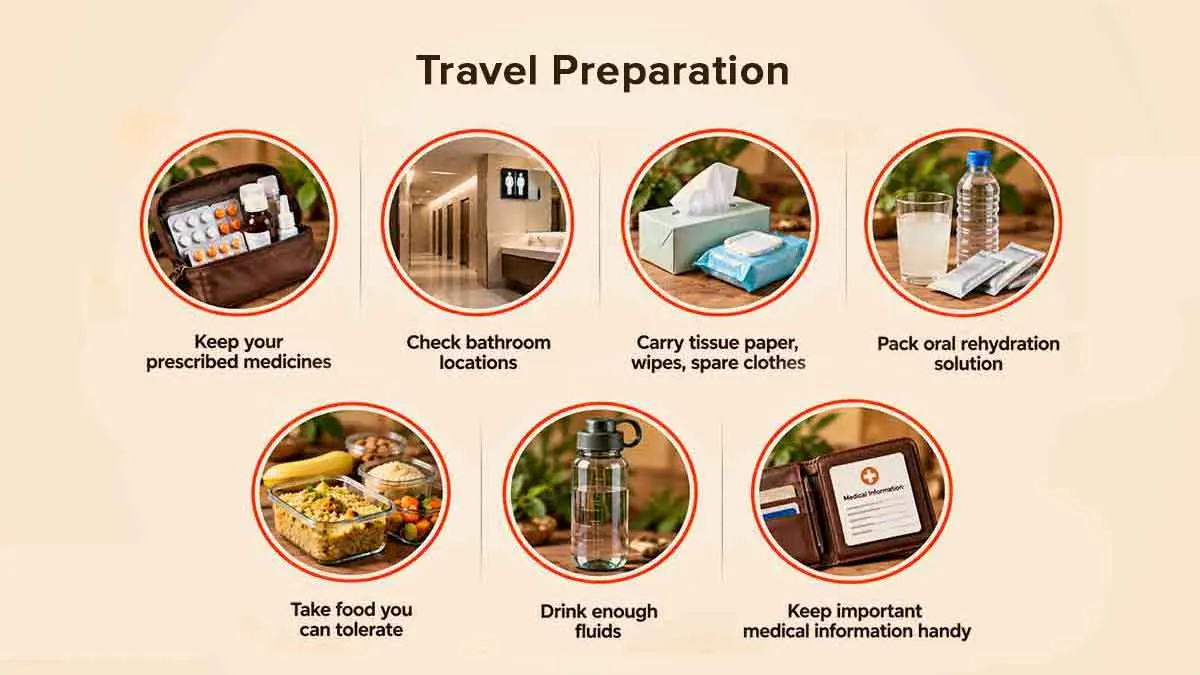
- Keep your prescribed medicines with you and take enough for the whole trip, with some extra if advised.
- Do not pack essential medicines where you cannot easily reach them during the journey.
- Check bathroom locations along your route, especially for long journeys.
- Carry tissue paper, wipes, spare clothes, and any other personal item you may need.
- Pack oral rehydration solution packets with a refillable water bottle.
- Take food you can tolerate and drink enough fluids; try familiar food during the journey.
- Keep important medical information handy.
- If you develop severe pain, heavy bleeding, vomiting, severe dehydration, or feel seriously unwell while travelling, seek immediate medical help.
Relationships And Social Life
IBD can sometimes affect your social life and relationships. You may feel worried about eating out, having problems with others needing the toilet at the same time, or having to cancel plans when you are not feeling well. Being open with the people you trust about this situation can reduce the pressure of hiding your symptoms.
Social Life During Remission:
- People feel more confident leaving their home.
- People feel physically and emotionally more energetic to rejoin work commitments and social gatherings.
- Inactive disease can free an individual from emotional stress, anxiety, or fatigue.
Smoking And Alcohol
Smoking and Alcohol can make the remission period harder and more stressful for the patient. Their effects can vary from person to person; alcohol may also interact with some medicines and make symptoms worse. Regular alcohol consumption can increase gut permeability and damage the intestinal epithelial barrier. Smoking actively worsens the ongoing inflammation and increases relapses. People who use nicotine to reduce smoking may see milder initial disease. It is best to discuss your symptoms with a healthcare professional. A doctor may help you by providing supplements to reduce smoking and alcohol consumption to increase the remission period and overall improvement.
Vaccines And Infection Precautions
Sometimes, the immune system can be lowered, so protecting yourself from infections is important. Stay up to date and ask your doctor which vaccinations are suitable for you, especially before starting medicines that affect immunity.
- Stay up to date with vaccinations recommended for your age and health.
- Ask before getting a live vaccine if you take immune-suppressive treatment.
- Wash your hands regularly and take sensible precautions around unwell people.
- Tell your doctor about signs of infection, such as fever, persistent cough, or unusual weakness.
- Seek immediate medical advice if you develop an infection, particularly when taking immune-suppressive medicines.
Personal Action Plan For A Flare
Having a simple plan can make it easier to handle a flare without panicking. Know your useful warning signs such as more frequent stools, urgency, bleeding, abdominal pain, or unusual tiredness, and keep your eye doctor's details. Continue your prescribed medicine and do not change or stop it on your own. Keep yourself hydrated with foods you can tolerate, and note any changes in your symptoms. If symptoms become worse, such as heavy bleeding, severe abdominal pain, repeated vomiting, severe dehydration, pain, or feeling seriously unwell, seek immediate medical help.
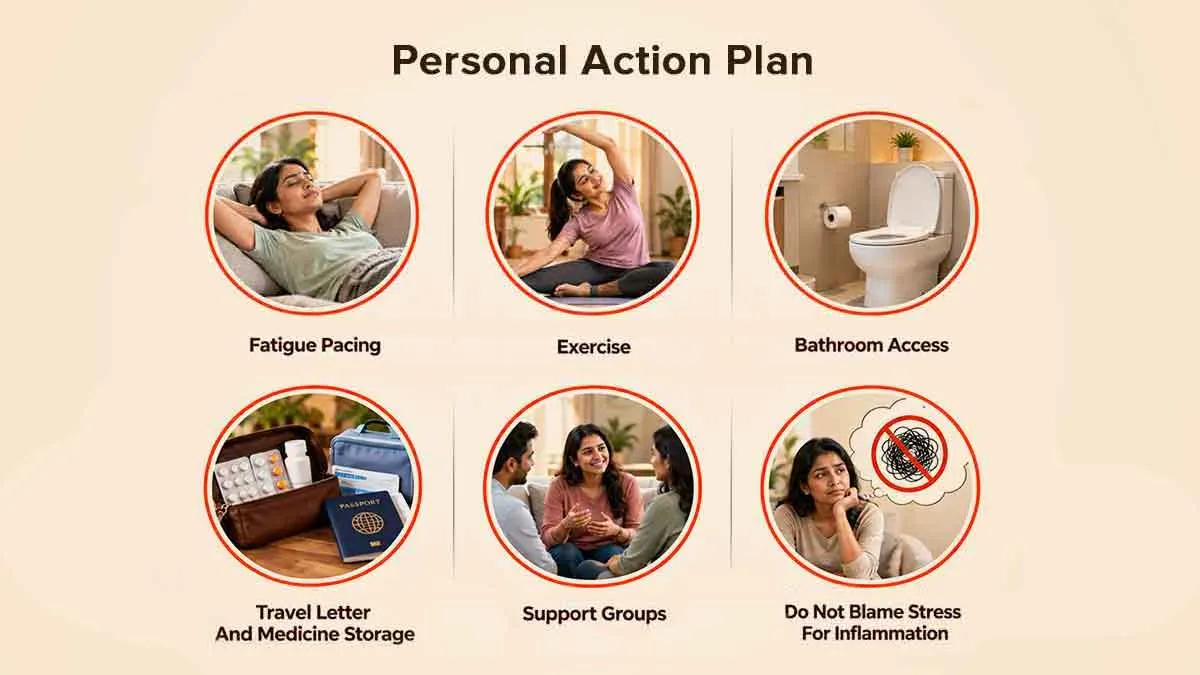
Fatigue Pacing
Tiredness can sometimes continue even when IBD symptoms are under control. Try not to push yourself through exhaustion; spread activities across the day, take short breaks, and focus on the things that need your energy most. Gentle movement can help when you feel able, but give yourself extra rest when needed is persistent or getting worse, talk to your doctor, as it can cause anemia, nutritional deficiency, poor sleep, active inflammation, or medication side effects that may need to be checked.
Exercise
Regular movement can help support overall health while living with IBD. Choose activities you enjoy and adjustable to your energy and symptoms. Walking, stretching, cycling, and light stretching exercises are good options. Stay hydrated and take breaks when needed during a flare-up. Reduce or pause exercise if it makes you feel worse, and you can return to your normal routine if you feel better.
Bathroom Access
Knowing where the nearest toilet is can make going to work, college, or travelling less stressful if you often have urgent or frequent bowel movements. Check bathroom locations beforehand and give yourself some extra time; carry simple essentials such as tissues, wipes, or spare clothes if needed, and do not hesitate to ask for quick bathroom access when necessary.
Travel Letter And Medicine Storage
If you are travelling with IBD, especially by air or to another country, it can be useful to carry a brief letter from your doctor listing your conditions and prescribed medicines. Keep your medicines in their original packaging and carry them in your hand luggage rather than putting them in checked baggage. Store medicines that need specific temperatures and plan ahead if you need to carry a larger supply of medical equipment.
Support Groups
Support groups are communities on WhatsApp and Facebook for patients and caregivers navigating remission and daily management during IBD. Support groups can help you feel less alone while living with IBD. Connecting with others can provide emotional support and practical tips for managing everyday challenges. For medical advice or treatment discussions, always check with your doctor rather than Reliance only on information shared in online groups.
Do Not Blame Stress For Inflammation
Stress can affect how you feel and make some symptoms hard to manage, but stress is not the cause of IBD inflammation. If symptoms return or become worse, do not assume it is only because of stress; talk to your doctor so they can check whether the disease is active and decide what care you may need.
Reference
Care of inflammatory bowel disease patients in remission - PMC
Communicating Information Regarding IBD Remission to Patients: Evidence From a Survey of Adult Patients in the United States - PMC
Time to clinical response and remission for therapeutics in inflammatory bowel diseases: What should the clinician expect, what should patients be told? - PMC
Correlation Between Sleep, Life, Mood, and Diet and Severity of Inflammatory Bowel Disease in China: A Retrospective Study - PMC
Travel health and pretravel preparation in the patient with inflammatory bowel disease - PMC

 Published on 07 Oct, 2026
 Updated on 12 Oct, 2026