
Successful Treatments
Clinics
Doctors
Ayurvedic Treatment For Inflammatory Bowel Disease (IBD)
 Published on 25 Sep, 2026
 Updated on 09 Oct, 2026

- Home / Diseases & Ayurveda / Digestive Disorders / Ayurvedic Treatment For Inflammatory Bowel Disease (IBD)
.webp)
What Is IBD?
Inflammatory bowel disease (IBD) is an umbrella term used to describe a chronic, relapsing inflammatory disorder. It is a group of long-term conditions in the digestive tract. The most common types of IBD include ulcerative colitis and Crohn’s disease.
Ayurvedic View
In Ayurveda, IBD is not viewed as a single disease; rather, it may resemble multiple conditions such as Abhyantra Visarpa, Guda Paka, Rakta Pittatisara, Rakta Pravahika, and Dusta Vrana. IBD can be described as a Tridoshaja Vyadhi with significant Rakta involvement, caused by Srotoradha (obstruction of the channel), Ama (toxin) accumulation, and Agni mandya (impaired digestion). Deranged agni produces Ama, which vitiates the doshas and localizes in the Kostha and Dhatu levels, creating inflammatory and ulcerative lesions in the intestinal walls.
IBD can be managed with Ayurvedic treatment by focusing on restoring agni, creating healthy lifestyle and dietary habits, Ayurvedic therapies, and herbal recommendations
Who May Be Affected
IBD can develop in anyone at any point in life, but it causes a higher risk to:
- Individuals with a family history of IBD, especially when it comes from first-degree blood relatives such as parents, siblings, and children.
- It is most common in young adults aged 15 to 35, but some people get diagnosed after their 50s.
- IBD is most common in white people, but the number of patients is increasing in all races and ethnicities.
- People who have a habit of cigarette smoking can also worsen Crohn’s disease.
- IBD can affect even children or pregnant women, but it can be easily managed with everyday lifestyle habits.
- People with Agni Mandya (weakened digestive fire), excess Ama accumulation, and Tridosha imbalances such as Vata, Pitta, and Kapha dosha are prone to have IBD.
- People with dietary indiscretions (Aaharajahetu) or who frequently consume processed, spicy, oily, or incompatible foods, with irregular eating habits.
- People with Viharajahetu or individuals experiencing chronic stress, mental fatigue, and anxiety that disrupt Vata and Pitta dosha.
Main Symptoms And Patterns
Inflammatory bowel disease (IBD), mainly Crohn’s disease and ulcerative colitis, can cause symptoms that come and go. The patterns vary depending on which part of the digestive tract is affected and how active the inflammation is. Some people may have periods when symptoms become worse, called flare-ups.
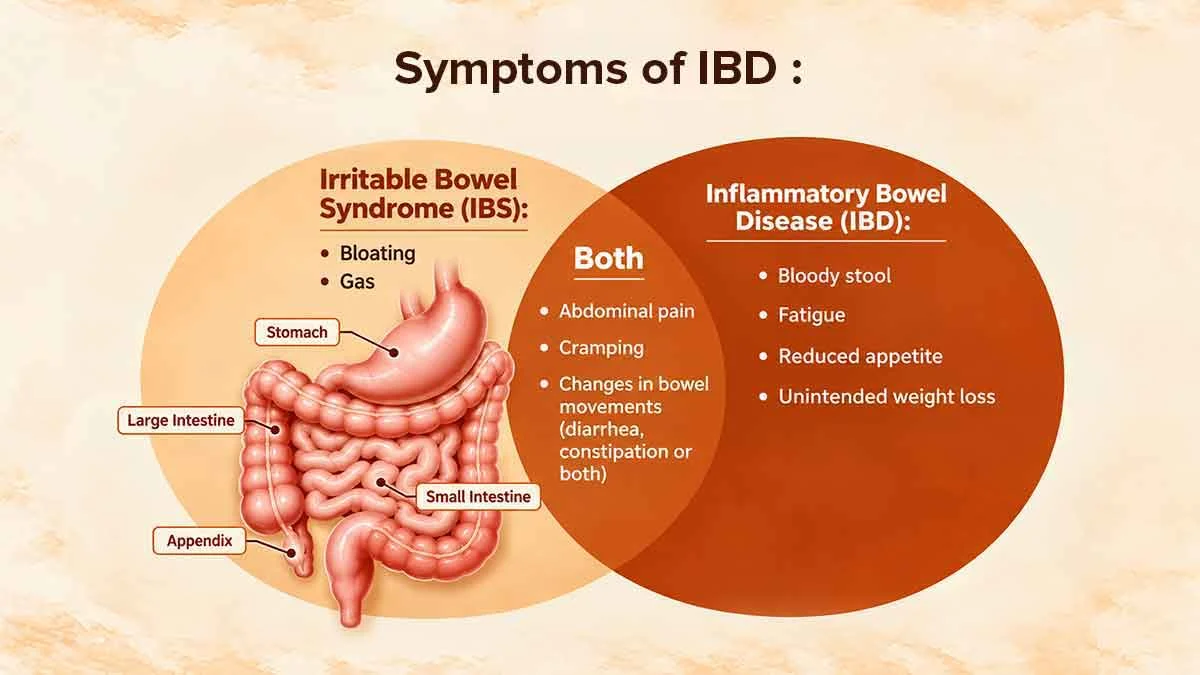
The Most Common Symptoms Include:
- Abdominal cramps and distension
- Blood or mucus in stool
- Diarrhoea
- Bowel urgency
- Weight loss
- Fatigue or Tiredness
- Appetite loss
- Fever, hyperactivity, and upper GI symptoms
- Ulceration of the colon
- Depression
- Heat burn
- Gurgling sound in abdomen
- Lower back ache
Symptoms can also appear outside the digestive system. Some people may experience joint pain, mouth ulcers, skin problems, or eye irritation.
The pattern can also give clues. Ulcerative colitis often causes diarrhoea with blood and urgency, while Crohn’s disease may cause abdominal pain, diarrhoea, weight loss, and symptoms related to the affected part of the digestive tract. However, symptoms can overlap, so further evaluation is needed to identify which type of IBD a person has.
Types Or Stages
Inflammatory bowel disease is divided into two main types; both cause inflammation of the digestive tract, but they can affect different areas and can have different patterns.
.webp)
Crohn’s Disease
It can affect any part of the digestive tract, from the mouth to the anus. Inflammation can occur in patches. It can affect deeper layers of the bowel wall, not just the inner lining. Common symptoms include diarrhoea, abdominal pain, fatigue, reduced appetite, and mouth sores. Some people develop problems around the anus, such as fissures or fistulas. Because Crohn’s can affect different parts of the digestive tract, symptoms can vary from person to person. Over time, inflammation may lead to complications such as narrowing of the bowel (strictures) or fistulas.
Ulcerative Colitis
Ulcerative colitis mainly affects the colon and rectum. The inflammation is limited to the inner lining of the large intestine. It usually begins in the rectum and may extend further into the colon. Unlike Crohn’s disease, the inflammation generally occurs in a continuous area rather than separate patches. Common symptoms include diarrhoea, blood in the stool, mucus, and stomach cramping. The severity can range from mild symptoms to more significant inflammation. Long-term inflammation of the colon can increase the risk of complications, so regular medical follow-up may be recommended.
Causes And Risk Factors
IBD does not have only one specific cause. It is believed to result from a combination of genetic, immune, environmental, and gut microbiome factors. In more susceptible people, these factors may contribute to an abnormal immune response that leads to ongoing inflammation in the digestive tract.
.webp)
Possible Causes And Contributing Factors:
- Genetic factors: Having a close family history of IBD can increase the likelihood of developing it. However, in most people, genetic factors do not contribute.
- Immune system changes: An abnormal immune response may cause ongoing inflammation in the digestive tract.
- Gut microbiome imbalance: Changes in the types and balance of bacteria in the gut, known as dysbiosis, are involved in triggering the inflammation cycle.
- Environmental factors: Residing in urban areas and consuming a Western diet, which includes processed foods and animal fats, can increase the risk of inflammation.
- Cigarette smoking: Smoking is associated with Crohn’s disease and can affect its course. Its relationship with ulcerative colitis is more complicated, so smoking should not be used during treatment.
- Previous intestinal infections: Certain infections may affect the gut and immune system, although they do not directly cause IBD in most people.
- Medications: Some medicines, particularly frequent use of anti- inflammatory drugs (NSAIDs), may worsen the symptoms in some people, but they are not considered a primary cause of IBD.
How Diagnosis Works
There is no single test to identify IBD. Doctors usually combine symptoms, medical history, blood and stool tests, endoscopy, biopsy, and imaging to understand whether the inflammation is present or not, and whether it is more consistent with Crohn’s disease or ulcerative colitis. Diagnosis includes:
.webp)
- Medical history and symptoms: The doctors ask about diarrhea, blood or mucus in the stool, abdominal pain, weight changes, bowel habits, symptoms outside the gut, and any family history of IBD.
- Blood tests: Tests such as a complete blood count (CBC), CRP, and ESR can look for signs of inflammation, anemia, or other changes. These tests can support the diagnosis, but they cannot confirm IBD or bowel irritation.
- Stool tests: Stool tests can check for infection and may measure faecal calprotectin, which can indicate inflammation in the intestine. This can help distinguish inflammatory bowel disease from conditions such as IBS.
- Colonoscopy and Biopsy: A colonoscopy allows the doctor to examine the rectum and the colon directly and take small intestine tissue samples. Biopsy results can provide important evidence of ongoing intestinal inflammation and help identify the type of IBD.
- Imaging tests: MRI, CT scan, X-ray, ultrasound, and capsule endoscopy may be used to examine parts of the small intestine that cannot be fully assessed with a colonoscopy, particularly when Crohn’s disease is present.
The diagnosis is based og the overall symptoms, test results, and examination findings. Doctors may also need to look out for severe infection and conditions that can cause similar symptoms.
Ayurvedic Perspective
According to Ayurveda, digestive symptoms are often understood in terms of Agni (digestive fire), dosha imbalance, and overall metabolic health. Symptoms such as loose stools, abdominal discomfort, poor appetite, and weakness may be assessed according to their pattern and the individual’s condition. However, Ayurvedic treatment cannot completely replace modern medical treatment. Ayurveda may be used as a complementary approach for diet, daily routine, and symptom support, but the treatment should be discussed with a qualified healthcare professional, especially during a flare-up.
Treatment And Self-Care Overview
Treatment for IBD depends on the type og IBD, how active it is, where the inflammation is located, and whether complications are present. The main goals are to control inflammation, reduce symptoms, maintain remission, and prevent complications with the help of anti-inflammatory medicines, steroids, immune-modifying medicines, and surgery in severe cases.
Self-care can limit the risk of further bowel inflammation; it includes dietary habits, lifestyle care, and a few monitoring measures.
Ahara Or Dietary Habits:
, cold carbonated drinks, sugar.webp)
Foods To Avoid Or Limit:
- Ayurveda suggests avoiding foods that trigger Pitta and Vata directly.
- Avoid eating pungent spices, deep-fried foods, and excess red chilis.
- Avoid eating raw salad and cruciferous vegetables because they are hard to break down and cause gas, which further triggers inflammation.
- Avoid regular milk, sour curd, and heavy cheese after sunset
- Avoid refined flour (maida), cold carbonated drinks, sugary beverages, and reheated food.
- Avoid smoking
Food To Eat:
- Ayurveda suggests that including light astringent-quality foods in your diet can improve the gut microbiome without overloading digestion.
- Fresh buttermilk with a pinch of cumin and rock salt because it is considered ‘therapeutic gold’ for Grahani Roga.
- Well-cooked soft vegetables, including Lauki (Bottle gourd), potatoes, and ridge gourd.
- Add Cow’s Ghee in moderation to your meals because it promotes tissue healing.
- Split your meals into 4-5 small parts instead of 3 whole meals to avoid digestive overload.
Vihara Or Lifestyle Care:
- Avoid sitting and working in one place, as it reduces the risk of inflammation.
- Start moving your body for at least 30 minutes every day.
- Practice meditation and pranayama with cooling breathing exercises like sheetali or anulom vilom because they help manage Pitta dosha.
- Practice relaxation techniques, deep breathing, or light exercise to lower bowel anxiety.
- Practice langhana by giving complete physical and mental rest during mild symptoms.
Monitoring:
- Regularly monitor symptoms and condition and discuss it with your healthcare provider.
- Discuss current vaccinations, bone density, medications, and therapies with your doctor to support your chronic condition.
- Severe cases may need surgery to remove the damaged portion of the digestive tract, and it is important to prevent further complications.
Ayurvedic Support: Realistic Role And Limits
According to Ayurveda, IBD is classified as Grahani Roga (intestinal disorder), Raktatisaar (bloody diarrhea), or Pravahika (dysentery symptoms), and the management focuses on cooling intestinal inflammation and strengthening the colon lining by restoring metabolic health through a combination of treatments, including Chikitsa (therapies), Ahara (diet), and lifestyle (Vihara).
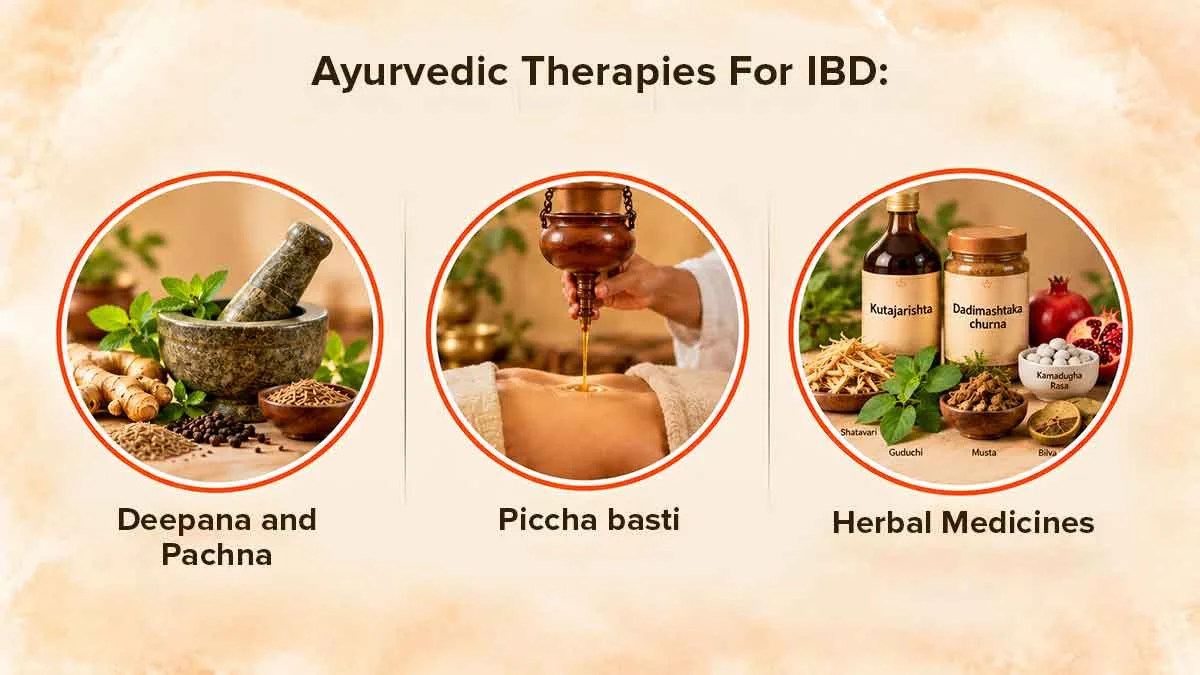
Ayurvedic Therapies Include:
- Deepana and pachna, or digestive correction: It is used to correct the digestive fire and Ama (toxin) accumulation.
- Piccha basti or medicated enemas: It is used when bleeding or severe ulceration is present. To heal the mucosal lining, astringent herbs like Kutaja, ghee, and milk are used.
- Herbal medicines: Including Kutajarishta, Dadimashtaka churna, Kamadugha Rasa, Shatavari, Guduchi, Musta, and Bilva are used to treat Grahani Roga.
Ayurveda may have a supportive role in managing digestive health. An Ayurvedic practitioner may look at digestion, bowel patterns, diet, daily routine, and individual symptoms when suggesting supportive measures. However, Ayurveda cannot confirm whether someone has Crohn’s disease or ulcerative colitis. Ayurvedic approaches should therefore be used as a complement to medical treatment rather than as a complete replacement.
Complications And Red Flags
IBD caused by Grahani Roga has some serious medical conditions that cannot be avoided because it can become severe over time. These signs need immediate medical intervention:
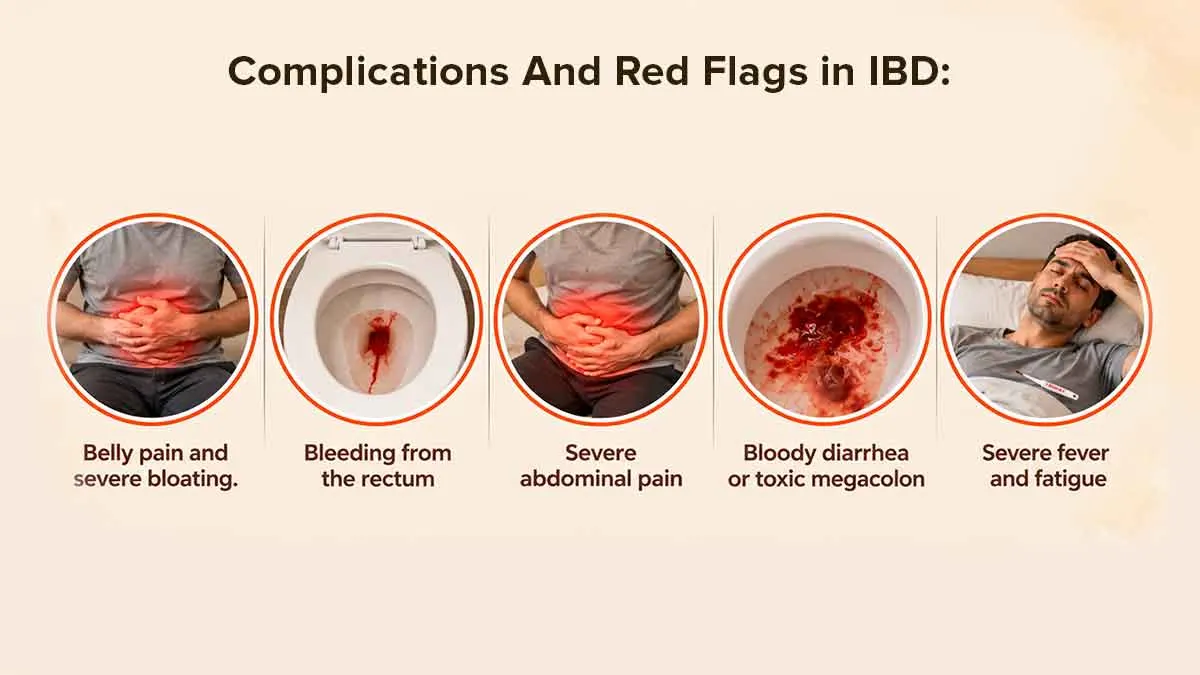
- Belly pain and severe bloating.
- Bleeding from the rectum
- Severe abdominal pain
- Bloody diarrhea or toxic megacolon
- Severe fever and fatigue
- IBD can increase the risk of developing colon cancer.
IBD can remain manageable with regular treatment and monitoring, but ongoing inflammation may sometimes lead to complications, and it can increase the risk of:
- Anemia
- Blood clots
- Dehydration
- Kidney stone
- Eye irritation
- Mouth sores
- Swollen joints
- Skin sores and rashes
- Nutritional deficiencies
- Weak bones
- Malabsorption and malnutrition
How We Assess IBD At Jiva Ayurveda
At Jiva Ayurveda, our doctors start with a careful checkup to figure out what exactly is causing fatty liver. This involves looking at.
- Your current symptoms such as abdominal discomfort, inflammation, swelling, or trouble with bowel movements.
- Your medical history and any past treatment that you have taken for inflammatory bowel disease.
- What you eat and how you live day to day, since these habits directly affect your digestive tract.
- Your daily stress, sleep quality, and digestion, which Ayurveda sees as the root of your overall health.
- Any other health problems you have or medicines you are currently taking.
Once they have all the information, the doctors create a personalised Ayurvedic treatment plan aimed at treating the IBD and improving daily comfort.
Our Step-By-Step Care Process
When you come to Jiva Ayurveda, we want your healing journey to feel simple, personal, and completely stress-free. Here is exactly what you can expect when you start your treatment with us:
- Get In Touch: Leave your details with us or just give us a call directly on +91 9266714040.
- Book Your Slot: Meet our doctors at your convenience by visiting one of our 80+ clinics nationwide, or booking a video call for just Rs. 49 (down from 299).
- Finding the Root Cause: Our doctors assess the factors contributing to your condition, including the arthritis type, medical history, lifestyle, and Ayurvedic assessment.
- A Personalized Treatment Plan: After understanding your problem, we will make a personalized treatment plan that will be tailored just for you.
- We Stay With You: The process is not only about giving you the medicines and leaving you. We stay in touch with you to see how you are doing and adjust your treatment regimen accordingly.
Estimated Cost Of Treatment For IBD At Jiva Ayurveda
Knowing how much your treatment will cost is important. At Jiva Ayurveda, we keep our pricing clear and upfront so you can choose the right plan for your health according to your needs.
Treatment Cost
If you are looking for regular, ongoing support, the starting cost for your medicines and doctor's consultation is usually between Rs 3000 and Rs 3500. Just keep in mind that this is just the baseline cost; the real cost may vary depending on the severity of the disease.
Protocol
For a deeper step-by-step approach, we offer specific healing packages that last for 3 to 4 months. You make a one-time payment ranging from Rs 15000 to Rs 40000 for the entire period.
The package includes:
- All medicines and doctor visits
- Hands-on physical therapy
- Customized diet plans, Yoga and meditation therapies
- Mental well-being support session
Why Should You Choose Jiva Ayurveda?
Jiva Ayurveda provides customised and root-based Ayurvedic treatment that is primarily focused on providing health and wellness solutions for specific patients.
- Patient-specific treatment: Jiva’s therapy and treatments are structured by professional doctors for unique prakriti, diet, and lifestyle.
- Root-based Treatment: Jiva focuses on the specific root cause of the health condition or disease rather than focusing only on formal medicines; we focus on the internal problem.
- Authentic Ayurvedic medicines: Jiva provides authentic Ayurvedic medicines; we follow strict quality parameters to ensure safety and effectiveness.
- Protocol- based Analysis: We follow research-backed clinical methods to provide structured assistance to our patients.
- Assist 8000+ patients every single day: Jiva's doctors are specialised in a wide range of Ayurvedic healthcare, and every single day we assist more than 8000 people.
Conclusion
IBD mainly includes Crohn’s disease and ulcerative colitis. Both cause inflammation in the digestive tract; they differ in where and how inflammation affects the digestive tract. Understanding these differences helps with proper diagnosis and treatment. Regular medical follow-up is important for managing symptoms and preventing complications.
Reference
Deciphering the different phases of preclinical inflammatory bowel disease - PMC
Inflammatory Bowel Disease (IBD) Basics
Inflammatory bowel disease (IBD) | IBD | CDC
Inflammatory bowel disease | Office on Women's Health
Inflammatory bowel disease: clinical aspects and treatments - PMC
Consult Experienced Ayurveda Doctors for Inflammatory Bowel Disease (IBD)



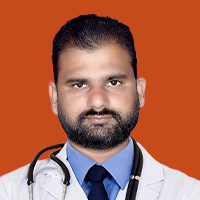
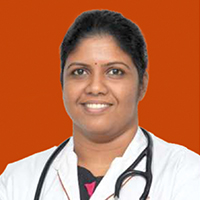
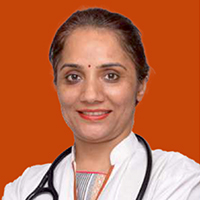

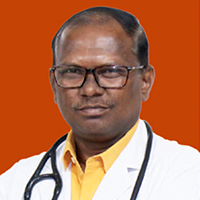








Our Happy Patients
-
 Sunita Malik - Knee Pain
 -
 Abhishek Mal - Diabetes
 -
 Vidit Aggarwal - Psoriasis
 -
 Shanti - Sleeping Disorder
 -
 Ranjana - Arthritis
 -
 Jyoti - Migraine
 -
 Renu Lamba - Diabetes
 -
 Kamla Singh - Bulging Disc
 -
 Rajesh Kumar - Psoriasis
 -
 Dhruv Dutta - Diabetes
 -
 Atharva - Respiratory Disease
 -
 Amey - Skin Problem
 -
 Asha - Joint Problem
 -
 Sanjeeta - Joint Pain
 -
 A B Mukherjee - Acidity
 -
 Deepak Sharma - Lower Back Pain
 -
 Vyjayanti - Pcod
 -
 Sunil Singh - Thyroid
 -
 Sarla Gupta - Post Surgery Challenges
 -
 Syed Masood Ahmed - Osteoarthritis & Bp
Home Remedies
- पेट में गैस, जलन या संक्रमण? इन घरेलू उपायों से पाएं राहत
- पेट में गैस, अपच और फुलाव का आयुर्वेदिक इलाज - मुफ़्त परामर्श
- एनल फिशर से परेशान हैं? ये आयुर्वेदिक नुस्खे देंगे राहत और आराम
- कब्ज़ का आयुर्वेदिक इलाज - मुफ़्त परामर्श
- एसिड रिफ्लक्स का घरेलू इलाज - मुफ़्त आयुर्वेदिक परामर्श
- Food Poisoning का आयुर्वेदिक इलाज - मुफ़्त परामर्श
- क्या बार-बार उल्टी हो रही है? इन घरेलू उपायों से पाएं तुरंत आराम
- क्या आप जानते हैं? इन नुस्खों से पेट दर्द जड़ से खत्म होता है!
- बार-बार एसिडिटी? ये देसी नुस्खे तुरंत देंगे आराम!
- दवा की ज़रूरत नहीं! लूज़ मोशन का रामबाण इलाज घर पर ही
- Home Remedies for Vomiting
- Home Remedies for Piles
- Home Remedies for Food Poisoning
- Home Remedies for Stomach Infection
- Home Remedies for Bloating
- Home Remedies for Anal Fissure
- Home Remedies for Constipation
- Home Remedies for Acid Reflux
- Home Remedies for Acidity
- Home Remedies for Stomach Pain
Related Disease
- Ayurvedic Treatment for Acid Reflux
- Ayurvedic Treatment for Anemia
- Ayurvedic Treatment For Anorexia
- Ayurvedic Treatment for Chronic Fatigue Syndrome
- Ayurvedic Treatment For Gastritis
- Ayurvedic Treatment For Colitis
- Ayurvedic Treatment For Crohn’s Disease
- Ayurvedic Treatment for Weakness and Fatigue
- Ayurvedic Treatment For Flatulence
- Ayurvedic Treatment for Gallstones
- Ayurvedic Treatment for Jaundice
- Ayurvedic Treatment for Liver Cirrhosis
- Ayurvedic Treatment for Sickle Cell Anaemia
- Ayurvedic Treatment For Piles And Fissure
- Ayurvedic Treatment for Irritable Bowel Syndrome (IBS)
- Ayurvedic Treatment For Hyperacidity
- Ayurvedic Treatment for Constipation
- Ayurvedic treatment for Coeliac Disease
- Ayurvedic Treatment for Peptic Ulcer
- Ayurvedic Treatment for Tapeworm
- Ayurvedic Treatment for Typhoid
- Ayurvedic Treatment for Diarrhea
- Ayurvedic Treatment for Diverticulitis
- Ayurvedic Treatment for Pinworms
- Ayurvedic Treatment for Cholera
- Ayurvedic Treatment for Emphysema
- Ayurvedic Treatment for Food Poisoning
- Ayurvedic Treatment for Atherosclerosis
- Ayurvedic Treatment for Thalassemia
- Ayurvedic Treatment for High Triglycerides
- Get Ayurvedic Treatment for Gastroenteritis
- Ayurvedic Treatment For Inflammatory Bowel Disease (IBD)
Latest Blogs
- बुजुर्गों का dinner बहुत जल्दी और breakfast बहुत देर से हो तो energy पर क्या असर पड़ सकता है?
- पीरियड्स से पहले Salty Food की Craving क्यों बढ़ सकती है?
- Can Ancient Dinacharya Be Practical For A Desk-Job Lifestyle?
- Why One ‘Perfect Breakfast’ Cannot Work For Every Body
- Mindful Eating नया Wellness Trend है या Ayurveda में यह Idea पहले से मौजूद था?
- Can Too Little Sleep Make Sugar Cravings Feel Stronger
- Seasonal Eating: Where Modern Nutrition And Ayurveda Meet
- हर चीज़ का health data track करना कब useful से obsessive बन सकता है
- Can Sleeping In An Overcooled Room Leave You Feeling Stiff In The Morning?
- Why Hair, Skin and Energy Often React to Aggressive Dieting
- बच्चों में weekend sleep timing बदलना Monday mood को कैसे प्रभावित कर सकता है
- Is Fasted Intense Exercise a Good Idea for Every Woman
- Health Tracking Every Hour: Helpful Awareness Or Another Source Of Stress?
- फोन देखते हुए चलना सिर्फ accident risk नहीं—posture और breathing पर क्या असर पड़ता है
- Bloating Before a Period: Why Lifestyle Can Change How It Feels
- बहुत जल्दी खाना खाने से पेट भरने का signal देर से क्यों मिलता है
- ‘No Added Sugar’ Doesn’t Automatically Mean Low Sugar—Here’s Why
- Online meetings के बीच zero movement दिन के अंत में stiffness क्यों बढ़ाता है?
- Screen brightness और late-night work sleep readiness को कैसे बदलते हैं
- Warm Vs Cold Foods: How To Discuss The Ayurvedic Idea Without Turning It Into A Myth
Ayurvedic Doctor In Top Cities
- Ayurvedic Doctors in Bangalore
- Ayurvedic Doctors in Pune
- Ayurvedic Doctors in Delhi
- Ayurvedic Doctors in Hyderabad
- Ayurvedic Doctors in Indore
- Ayurvedic Doctors in Mumbai
- Ayurvedic Doctors in Lucknow
- Ayurvedic Doctors in Kolkata
- Ayurvedic Doctors in Patna
- Ayurvedic Doctors in Vadodara
- Ayurvedic Doctors in Ahmedabad
- Ayurvedic Doctors in Chandigarh
- Ayurvedic Doctors in Gurugaon
- Ayurvedic Doctors in Jaipur
- Ayurvedic Doctors in Kanpur
- Ayurvedic Doctors in Noida
- Ayurvedic Doctors in Ranchi
- Ayurvedic Doctors in Bhopal
- Ayurvedic Doctors in Ludhiana
- Ayurvedic Doctors in Dehradun