Diabetes, arthritis, skin disorders & more! Get a free consultation with Top Ayurveda doctors - +91 9266714040 | No travel, No waiting – Consult Jiva’s doctors from home via video call! | Get up to 10% OFF! On Authentic Ayurveda Products! Best Prices only on the brand store. Visit : www.store.jiva.com
Migraine during pregnancy and breastfeeding is a common neurological disorder. Migraine during breastfeeding and pregnancy can be difficult to manage because the body goes through several hormonal and physical changes during these stages. Some women experience relief from migraine during pregnancy, while others continue to have headaches or notice new symptoms after childbirth.
Migraine during these phases increases the risk of pregnancy-related complications, including preeclampsia, preterm birth, and stroke. Therefore, it requires careful monitoring. It happens due to hormonal fluctuations and an inappropriate lifestyle. Many medicines are not suitable during these phases, so it is important to understand the triggers and choose a safe approach under proper medical guidance.
How Migraine May Change
Migraine patterns can change during pregnancy and after childbirth. Some women, particularly those with a history of migraine without aura, notice fewer attacks as pregnancy progresses, especially during the second and third trimesters. This may be linked to more stable oestrogen levels. However, others may continue to experience headaches or notice no improvement.
After delivery, the sudden drop in oestrogen levels can trigger migraine attacks again. Breastfeeding mothers may also experience this due to disturbed sleep, dehydration, missed meals, and physical exhaustion. These changes vary from woman to woman, so frequent or unusual headaches should be discussed with a doctor rather than assumed to be migraine.
Plan Medicines Before Pregnancy
If you experience frequent migraine attacks and are planning a pregnancy, it is important to review your medicines in advance.
Consult your neurologist or gynaecologist before planning pregnancy.
Review your current migraine medicines, including preventive treatments.
Ask about safer alternatives if any of your medicines are not suitable during pregnancy.
Discuss the safety and usage of painkillers, supplements, and Ayurvedic formulations.
Do not start, stop, or change your medicines without medical advice.
Non-Drug Attack Support
During pregnancy and breastfeeding, simple measures can help manage migraine discomfort without immediately relying on medicines. These include:
Rest in a quiet, dark room when a migraine attack begins.
Apply a cold compress to the forehead and back of the neck.
Drink water to avoid dehydration headaches.
Eat small, regular meals and avoid going too long without eating.
Get enough sleep and proper rest, whenever possible.
Practice gentle yoga and breathing techniques for relaxation.
Avoid strong smells, bright lights, and excessive screen time.
Medicine Decisions With An Obstetric Clinician
During pregnancy and breastfeeding, migraine medicines should be chosen carefully because not every medicine is safe for mother and baby, so it's important to discuss the treatment options with an obstetrician.
Consult your obstetrician before taking any painkiller or migraine medicine.
Discuss your migraine history, current symptoms, and medicines you are already taking.
Ask which medicines are safe during pregnancy and breastfeeding.
Avoid starting herbal medicines and Ayurvedic formulations without professional advice.
Seek medical advice when migraine attack patterns change, or it becomes more frequent.
Breastfeeding Considerations
Managing migraine while breastfeeding requires some additional care, as certain medicines can pass into breast milk and may affect the baby. Before taking any painkillers or migraine medicines, discuss their safety with your doctor.
Taking too much opioid may cause the baby to feel very sleepy; try consulting your doctor before taking opioids such as codeine.
Migraine triggers include changes in hormone levels, lack of sleep, stress, and unpredictable schedules during breastfeeding. Seek family help to manage sleep interruptions.
Do not stop breastfeeding without medical advice.
Try to get rest and avoid self-medication, including herbal and natural formulations.
Inform your doctor if your baby is premature or has any health concerns, as this may affect medication choices.
With the right medical guidance and a few healthy routine changes, migraine can be managed while continuing breastfeeding safely.
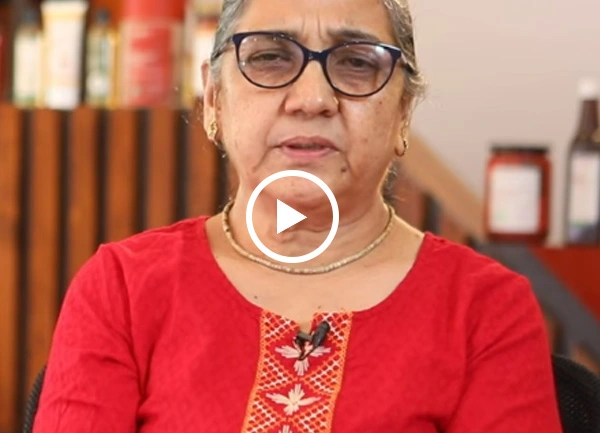
I was suffering from migraine for a long time. My headache wouldn't go away. I consulted many doctors and took a lot of allopathic medicine but got no benefit. Then one of my relatives was getting treatment at Jiva Lajpat Nagar and recommended I try Jiva once.
Then I went there and met Dr. Sarika Rawat. She listened to my problem very carefully and gave me medicine. After about 1 month I started feeling better.
I got a lot of relief. Now I am mostly fine. And I want to say thanks to Jiva Lajpat.
Again, thank you Jiva Lajpat Nagar
visited the clinic for my migraine treatment and had a very good experience with Dr. Sikandar. He listened to my problem carefully and explained the treatment very well.
Special thanks to Manoj at the reception for his excellent support. He was very polite, helpful, and managed everything smoothly. Because of his guidance, the whole process became very easy and comfortable.
Highly recommended!
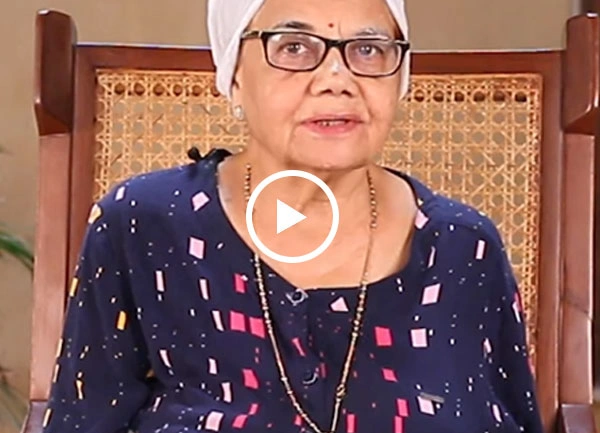
My experience with Jiva Ayurveda is very good.
I have sever headache all the time .
I take panchkarma treatment from there.
After taking this.I got a lot of relief.
Dr. Neetu Sharma is too good . She listen your problems very carefully and suggest you a good advice and medicines And the panchkarma treatment given by Therapist Rajji Mam is very satisfying and effective.She is well trained and humble.
Patient Success Stories
High Blood Pressure And Pre-Eclampsia Warning Signs
A severe headache during pregnancy or after childbirth should never be ignored, as it can sometimes be linked to high blood pressure or pre-eclampsia. Watch out for symptoms such as:
Severe or persistent headaches that do not improve.
Blurred vision, flashing lights, or other vision changes.
Sudden swelling in hands and face.
Pain in the upper abdomen, especially below the ribs.
Nausea or vomiting with headaches.
Breathlessness or high blood pressure with severe headaches.
Pre-eclampsia can also develop after delivery, even if blood pressure was normal during pregnancy. If these symptoms occur, seek immediate medical attention rather than assuming it to be migraine.
Postpartum Headache Red Flags
Headaches after childbirth may be due to hormonal changes, lack of sleep, or dehydration. However, a severe or unusual headache should not be ignored, as it may indicate postpartum pre-eclampsia or complications following spinal or epidural anaesthesia.
Seek immediate medical attention if the headaches are sudden or severe, accompanied by blurred vision, high blood pressure, facial swelling, fever, neck stiffness, seizures, confusion, or weakness. If a headache becomes worse while sitting or standing and improves when lying down, it also needs medical assessment. Do not assume that every post-partum headache is migraine, and do not try to manage warning signs with home remedies alone.
Do Not Label A New Severe Headache As Migraine
A new or unusually severe headache during pregnancy or after childbirth should never be assumed to be migraine, even if the woman has experienced migraine before. It may be related to high blood pressure, pre-eclampsia, or other complications. Pay attention to symptoms such as blurred vision, sudden swelling, severe abdominal pain, weakness, or confusion, and seek immediate medical attention rather than relying on painkillers or home remedies.
When To Seek Emergency Care
Headache during pregnancy or after childbirth should not be ignored, especially when there are sudden, severe, or different-from-usual migraine attacks. They may sometimes indicate pre-eclampsia or other complications that need immediate medical attention.
Yes, some women experience fewer migraine attacks during pregnancy, particularly in the second and third trimesters. However, others may continue to experience headaches.
The sudden drop in estrogen levels after delivery, along with sleep deprivation, dehydration, and irregular meals, can trigger migraine attacks.
Not all medicines are safe during pregnancy. Consult your doctor before taking any medicine or changing your existing medicines.
Some medicines are compatible with breastfeeding, while others may not be suitable. Always speak with your doctor before taking any medicines.
Breastfeeding itself is not necessarily a migraine trigger, but disturbed sleep, exhaustion, dehydration, and skipping meals during this period may trigger migraine attacks.
Find Jiva Ayurveda Clinics for Migraine Treatment Near You

 Published on 16 Nov, 2026
 Updated on 16 Nov, 2026