Diabetes, arthritis, skin disorders & more! Get a free consultation with Top Ayurveda doctors - +91 9266714040 | No travel, No waiting – Consult Jiva’s doctors from home via video call! | Get up to 10% OFF! On Authentic Ayurveda Products! Best Prices only on the brand store. Visit : www.store.jiva.com
Kidney stone pain often arrives in waves and can move from the side of the back toward the groin. Urinary symptoms, blood in the urine, nausea or fever may accompany it.
The Pattern And Timing Matter
Severe side or back pain: Pain can start suddenly below the ribs and may come in waves.
Pain moving toward the groin: As a stone travels down the ureter, pain may shift into the lower abdomen or groin.
Blood in the urine: Urine may look pink, red or brown.
Urgency or painful urination: A lower stone can create urinary frequency, urgency or burning.
Nausea and vomiting: Severe colicky pain often causes gastrointestinal symptoms.
Cloudy or foul-smelling urine: This can occur, especially when infection is also present.
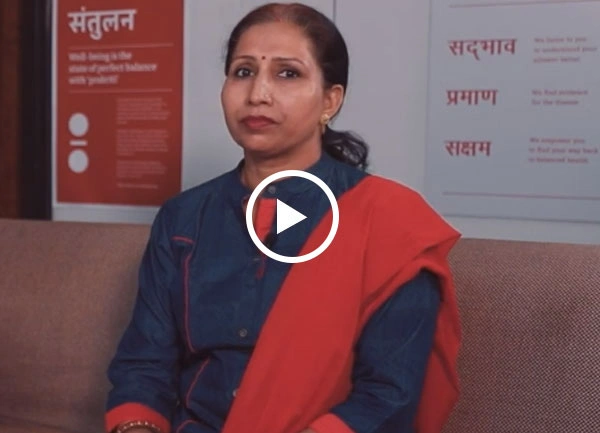
I'm taking treatment from Rajnagar Branch of Jiva and I came for kidney stone problem and I have good relief in my symptoms and stone size also decreased.
Dr Abhishek is also very good he heard all my problems very calmly and guide me. Staff is also good and supportive.
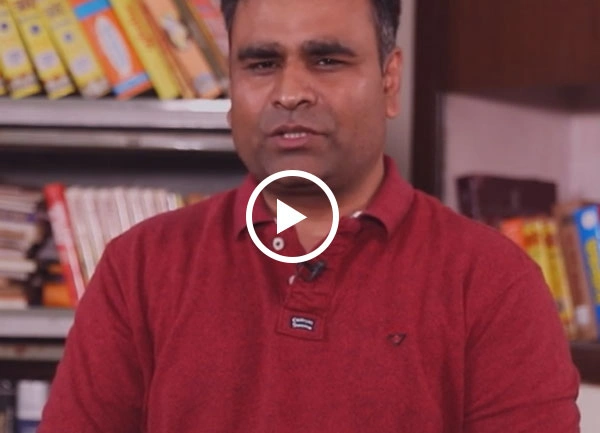
"I was suffering from kidney stone. One 9 mm stone was in kidney and one 12 mm stone was in ureter. After taking medicine for only twenty one days one stone flushed out through urine. Staff behaviour is very good and they are very supportive.
Thanks to Dr C S Pandey & Jiva Ayurveda."
I had kidney stones and consulted Dr. Jaishree Bhattacharjee at Jiva Ayurveda. She listened to my problem patiently and asked me about my daily routine and overall health questions with a lot of patience. She gave me medication for kidney stone and kidney health. Now, the stones are gone and got the ultrasound done. Highly recommend Dr. Jaishree Bhattacharjee.
What Details Make The Symptom Pattern More Meaningful
When symptoms are being assessed, details such as pain location and movement, urine symptoms, fever, prior stones, fluid intake, diet and family history often matter as much as the symptom name itself.
Are symptoms painful, obstructive, sexual, or related to urine volume/frequency?
Are there fever, blood in urine, diabetes, medicines or prior urinary problems?
Is the problem sudden, recurrent or progressively worsening?
Could It Be Something Else?
UTI, kidney infection, appendicitis and other abdominal or pelvic causes can mimic stone pain. This is why a symptom checklist can guide a consultation but should not be used as a self-diagnosis tool.
How An Ayurvedic Clinician May Read The Symptom Pattern
In Ayurveda, the quality, timing, location and combination of symptoms are considered together. The clinician may also consider constitution, digestion, aggravating factors and the relevant Dosha/Dhatu/Srotas framework where it is clinically appropriate.
Kidney and urinary stones are discussed in Ayurveda under Mutrashmari, with attention to urinary flow, Shoola (pain), Mutravaha Srotas and doshic characteristics. Modern imaging and urine/blood testing are important to determine stone size, location, obstruction and infection.
This language can add useful context during an Ayurvedic consultation, but it should not be used to bypass modern diagnostic criteria or investigations when they are indicated.
Symptoms that should not be ignored
Seek prompt or urgent medical care for:
Fever or chills with stone-like pain
Inability to pass urine or very little urine
Severe pain with a single functioning kidney
Persistent vomiting or dehydration
Pregnancy with severe flank pain or blood in urine
For sudden, severe or rapidly worsening symptoms, emergency assessment is safer than waiting for a routine consultation.
What You Should Remember
One symptom alone rarely confirms kidney stones. More useful clues are the pattern of severe side or back pain, pain moving toward the groin, blood in the urine, how long they have been present and whether they are getting worse. Ayurvedic terminology can help describe the individual's presentation, while appropriate examination and investigations are what confirm or rule out important medical causes.
For kidney stones, look for a pattern: what is new, what is persistent, what is worsening, and what is occurring together. That pattern is more clinically useful than matching yourself to a single symptom on a list.

 Published on 16 Sep, 2026
 Updated on 16 Sep, 2026