
Successful Treatments
Clinics
Doctors
Fecal Calprotectin Test for IBD
 Published on 01 Oct, 2026
 Updated on 12 Oct, 2026

Explore Diagnosis & Tests
- Home / Diseases & Ayurveda / Digestive Disorders / Ayurvedic Treatment For Inflammatory Bowel Disease (IBD) / IBD Diagnosis And Tests / Fecal Calprotectin Test for IBD
When symptoms like ongoing diarrhoea, abdominal pain, or blood in stool raise the possibility of IBD, doctors may use a fecal calprotectin test to look for inflammation in the gut.
.webp)
What Fecal Calprotectin Measures
The Fecal calprotectin test measures the amount of calprotectin in a stool sample. Calprotectin is a protein released by certain white blood cells when there is inflammation in the intestines. Higher levels can suggest active intestinal inflammation, which may occur with Crohn’s disease or Ulcerative colitis. However, the result alone cannot confirm IBD because other factors can also raise calprotectin levels.
Why Doctors Order It
Doctors can order calprotectin tests when there is ongoing inflammation in the intestine. It can help when symptoms such as diarrhoea, abdominal pain, or blood in stool occur.
- It supports the evaluation of IBD.
- It checks whether inflammation is active.
- It monitors how the bowel is responding to treatment.
- It looks for signs of inflammation when symptoms are not clear.
- It helps doctors determine whether further tests like colonoscopy are needed or not.
How The Sample Is Collected
A Faecal calprotectin test requires a small stool sample. You can collect it by yourself in a small, clean container provided by the laboratory. The stool sample should not mix with toilet water, urine, or toilet paper. After collecting the required amount, close the container properly and label your name and date on the container. Wash your hands with soap and water. Follow the lab instructions on storage and how soon the sample should be submitted.
How Results Are Interpreted
Faecal calprotectin results are usually reported as a calprotectin level in the stool. Lower levels generally suggest little or no intestinal inflammation, while higher levels may indicate active inflammation. False-negative calprotectin happens in children; results show normal levels when your intestines are inflamed. The exact cut-offs can vary between laboratories, so doctors interpret the result using the lab reports alone with symptoms and other lab reports. But raised levels do not automatically mean that there is confirmed IBD.
Reasons A Level May Be Raised
A raised calprotectin level usually shows inflammation in the digestive tract, but IBD is not the only reason; levels may also increase due to:
- Crohn’s disease or ulcerative colitis
- Intestinal infections due to bacteria and viruses
- Certain medicines such as NSAIDs
- Gastrointestinal bleeding
- Colorectal cancer
Medicines That May Affect Results
Some medicines can increase fecal calprotectin levels and affect how the results are interpreted:
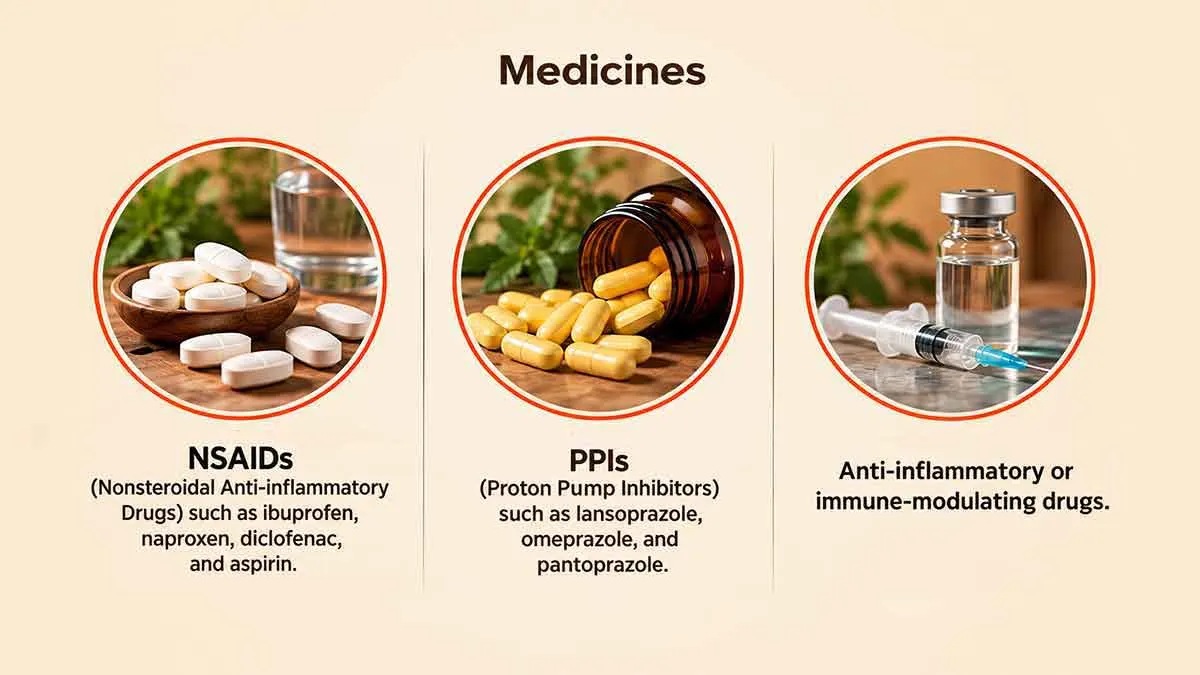
- NSAIDs (Nonsteroidal Anti-inflammatory Drugs) such as ibuprofen, naproxen, diclofenac, and aspirin.
- PPIs (Proton Pump Inhibitors) such as lansoprazole, omeprazole, and pantoprazole.
- Anti- inflammatory or immune-modulating drugs.
Some medicines may also affect gut inflammation with test levels, so tell your doctor about every medicine or supplement you take. And do not stop taking the prescribed medicines without your doctor’s advice.
Calprotectin In Flare Monitoring
Faecal calprotectin helps doctors check whether intestinal inflammation is active during an IBD Flare. The test measures a protein released by white blood cells into the stool to accurately detect intestinal inflammation. A rise in the level may suggest increasing inflammation, while a fall over time can indicate the inflammation is settling with the treatment.
- Less than 50 to 100 quiescent shows that the inflammation is inactive.
- Results between 100 to 250 quiescent show that the inflammation is mild.
- More than 250 quiescent shows that there is active mucosal inflammation, or an impending flare.
Why One Test Is Not A Diagnosis
Fecal calprotectin is a biomarker test, not a standalone test for IBD. It only shows that elevated calprotectin markers mean there is inflammation present somewhere in the digestive tract, and it cannot show the correct location of the inflammation and the reason behind it. It may show false or negative results; raised levels could be triggered by mild infection. It cannot confirm whether it is Crohn’s disease or ulcerative colitis. That's why doctors use other tests such as blood tests, imaging tests, and medical history along with symptoms to diagnose IBD.
Infection
Intestinal infection can raise fecal calprotectin levels because the body releases immune cells to fight the infection, causing inflammation in the gut. Infections caused by certain bacteria and other germs may produce symptoms similar to an IBD flare, such as diarrhoea, abdominal pain, and fever. Doctors may recommend stool tests to check for infection before deciding whether the symptoms are related to IBD.
What May Happen Next
What happens after a Fecal calprotectin test depends on the results and the symptoms. If the levels are low, your doctor may consider other causes and symptoms or continue monitoring. If the test levels are raised, doctors may consider further tests such as blood tests and imaging tests, including ultrasound, colonoscopy, or biopsy to find the exact cause. For someone already diagnosed with IBD, it may help with further treatment, and repeated tests may be suggested during the treatment process.
Repeat Testing
Doctors may suggest repeating the fecal calprotectin test when the result is unclear, when test levels are borderline, or when they want to see how inflammation is changing over time. In people with IBD, repeated testing can help monitor the response to treatment and check ongoing inflammation. The timing depends on the symptoms, previous symptoms, and treatment plan.
Local Laboratory Ranges
- Calprotectin results can be reported using different cutoff values, depending on the laboratory and the test method.
- A result slightly above the lab’s range may not always mean active IBD.
- Lab reports rely on specific age reference scales; young children naturally have much higher baselines.
- Anti- inflammatory drugs artificially inflate calprotectin levels.
- Always check the reference range given on your laboratory report.
- Doctors interpret your test levels with your symptoms and other test results.
Reference
Calprotectin Stool Test: MedlinePlus Medical Test
The Use of Fecal Calprotectin in Inflammatory Bowel Disease - PMC
Guidance on the interpretation of faecal calprotectin levels in children - PMC
FAQs
It is a stool test that checks for inflammation in the intestine.
No, inflammation and other factors can also raise the test levels. So, a high calprotectin level doesn't need to mean you have IBD.
It can help show whether intestinal inflammation is active, but it cannot alone tell you about the flare.
Sometimes, your doctor suggests that you repeat the calprotectin test because they need to monitor inflammation or in case of unclear results.
Yes, intestinal infections can temporarily raise the calprotectin test levels.
Consult Experienced Ayurveda Doctors for Fecal Calprotectin Test for IBD





















Our Happy Patients
-
 Sunita Malik - Knee Pain
 -
 Abhishek Mal - Diabetes
 -
 Vidit Aggarwal - Psoriasis
 -
 Shanti - Sleeping Disorder
 -
 Ranjana - Arthritis
 -
 Jyoti - Migraine
 -
 Renu Lamba - Diabetes
 -
 Kamla Singh - Bulging Disc
 -
 Rajesh Kumar - Psoriasis
 -
 Dhruv Dutta - Diabetes
 -
 Atharva - Respiratory Disease
 -
 Amey - Skin Problem
 -
 Asha - Joint Problem
 -
 Sanjeeta - Joint Pain
 -
 A B Mukherjee - Acidity
 -
 Deepak Sharma - Lower Back Pain
 -
 Vyjayanti - Pcod
 -
 Sunil Singh - Thyroid
 -
 Sarla Gupta - Post Surgery Challenges
 -
 Syed Masood Ahmed - Osteoarthritis & Bp
Home Remedies
- पेट में गैस, जलन या संक्रमण? इन घरेलू उपायों से पाएं राहत
- पेट में गैस, अपच और फुलाव का आयुर्वेदिक इलाज - मुफ़्त परामर्श
- एनल फिशर से परेशान हैं? ये आयुर्वेदिक नुस्खे देंगे राहत और आराम
- कब्ज़ का आयुर्वेदिक इलाज - मुफ़्त परामर्श
- एसिड रिफ्लक्स का घरेलू इलाज - मुफ़्त आयुर्वेदिक परामर्श
- Food Poisoning का आयुर्वेदिक इलाज - मुफ़्त परामर्श
- क्या बार-बार उल्टी हो रही है? इन घरेलू उपायों से पाएं तुरंत आराम
- क्या आप जानते हैं? इन नुस्खों से पेट दर्द जड़ से खत्म होता है!
- बार-बार एसिडिटी? ये देसी नुस्खे तुरंत देंगे आराम!
- दवा की ज़रूरत नहीं! लूज़ मोशन का रामबाण इलाज घर पर ही
- Home Remedies for Vomiting
- Home Remedies for Piles
- Home Remedies for Food Poisoning
- Home Remedies for Stomach Infection
- Home Remedies for Bloating
- Home Remedies for Anal Fissure
- Home Remedies for Constipation
- Home Remedies for Acid Reflux
- Home Remedies for Acidity
- Home Remedies for Stomach Pain
Related Disease
- Ayurvedic Treatment for Acid Reflux
- Ayurvedic Treatment for Anemia
- Ayurvedic Treatment For Anorexia
- Ayurvedic Treatment for Chronic Fatigue Syndrome
- Ayurvedic Treatment For Gastritis
- Ayurvedic Treatment For Colitis
- Ayurvedic Treatment For Crohn’s Disease
- Ayurvedic Treatment for Weakness and Fatigue
- Ayurvedic Treatment For Flatulence
- Ayurvedic Treatment for Gallstones
- Ayurvedic Treatment for Jaundice
- Ayurvedic Treatment for Liver Cirrhosis
- Ayurvedic Treatment for Sickle Cell Anaemia
- Ayurvedic Treatment For Piles And Fissure
- Ayurvedic Treatment for Irritable Bowel Syndrome (IBS)
- Ayurvedic Treatment For Hyperacidity
- Ayurvedic Treatment for Constipation
- Ayurvedic treatment for Coeliac Disease
- Ayurvedic Treatment for Peptic Ulcer
- Ayurvedic Treatment for Tapeworm
- Ayurvedic Treatment for Typhoid
- Ayurvedic Treatment for Diarrhea
- Ayurvedic Treatment for Diverticulitis
- Ayurvedic Treatment for Pinworms
- Ayurvedic Treatment for Cholera
- Ayurvedic Treatment for Emphysema
- Ayurvedic Treatment for Food Poisoning
- Ayurvedic Treatment for Atherosclerosis
- Ayurvedic Treatment for Thalassemia
- Ayurvedic Treatment for High Triglycerides
- Get Ayurvedic Treatment for Gastroenteritis
- Ayurvedic Treatment For Inflammatory Bowel Disease (IBD)
Latest Blogs
- बुजुर्गों का dinner बहुत जल्दी और breakfast बहुत देर से हो तो energy पर क्या असर पड़ सकता है?
- पीरियड्स से पहले Salty Food की Craving क्यों बढ़ सकती है?
- Can Ancient Dinacharya Be Practical For A Desk-Job Lifestyle?
- Why One ‘Perfect Breakfast’ Cannot Work For Every Body
- Mindful Eating नया Wellness Trend है या Ayurveda में यह Idea पहले से मौजूद था?
- Can Too Little Sleep Make Sugar Cravings Feel Stronger
- Seasonal Eating: Where Modern Nutrition And Ayurveda Meet
- हर चीज़ का health data track करना कब useful से obsessive बन सकता है
- Can Sleeping In An Overcooled Room Leave You Feeling Stiff In The Morning?
- Why Hair, Skin and Energy Often React to Aggressive Dieting
- बच्चों में weekend sleep timing बदलना Monday mood को कैसे प्रभावित कर सकता है
- Is Fasted Intense Exercise a Good Idea for Every Woman
- Health Tracking Every Hour: Helpful Awareness Or Another Source Of Stress?
- फोन देखते हुए चलना सिर्फ accident risk नहीं—posture और breathing पर क्या असर पड़ता है
- Bloating Before a Period: Why Lifestyle Can Change How It Feels
- बहुत जल्दी खाना खाने से पेट भरने का signal देर से क्यों मिलता है
- ‘No Added Sugar’ Doesn’t Automatically Mean Low Sugar—Here’s Why
- Online meetings के बीच zero movement दिन के अंत में stiffness क्यों बढ़ाता है?
- Screen brightness और late-night work sleep readiness को कैसे बदलते हैं
- Warm Vs Cold Foods: How To Discuss The Ayurvedic Idea Without Turning It Into A Myth
Ayurvedic Doctor In Top Cities
- Ayurvedic Doctors in Bangalore
- Ayurvedic Doctors in Pune
- Ayurvedic Doctors in Delhi
- Ayurvedic Doctors in Hyderabad
- Ayurvedic Doctors in Indore
- Ayurvedic Doctors in Mumbai
- Ayurvedic Doctors in Lucknow
- Ayurvedic Doctors in Kolkata
- Ayurvedic Doctors in Patna
- Ayurvedic Doctors in Vadodara
- Ayurvedic Doctors in Ahmedabad
- Ayurvedic Doctors in Chandigarh
- Ayurvedic Doctors in Gurugaon
- Ayurvedic Doctors in Jaipur
- Ayurvedic Doctors in Kanpur
- Ayurvedic Doctors in Noida
- Ayurvedic Doctors in Ranchi
- Ayurvedic Doctors in Bhopal
- Ayurvedic Doctors in Ludhiana
- Ayurvedic Doctors in Dehradun